
- Pozycja w BGG
- BGG #6189
- Ocena BGG
- 6,0
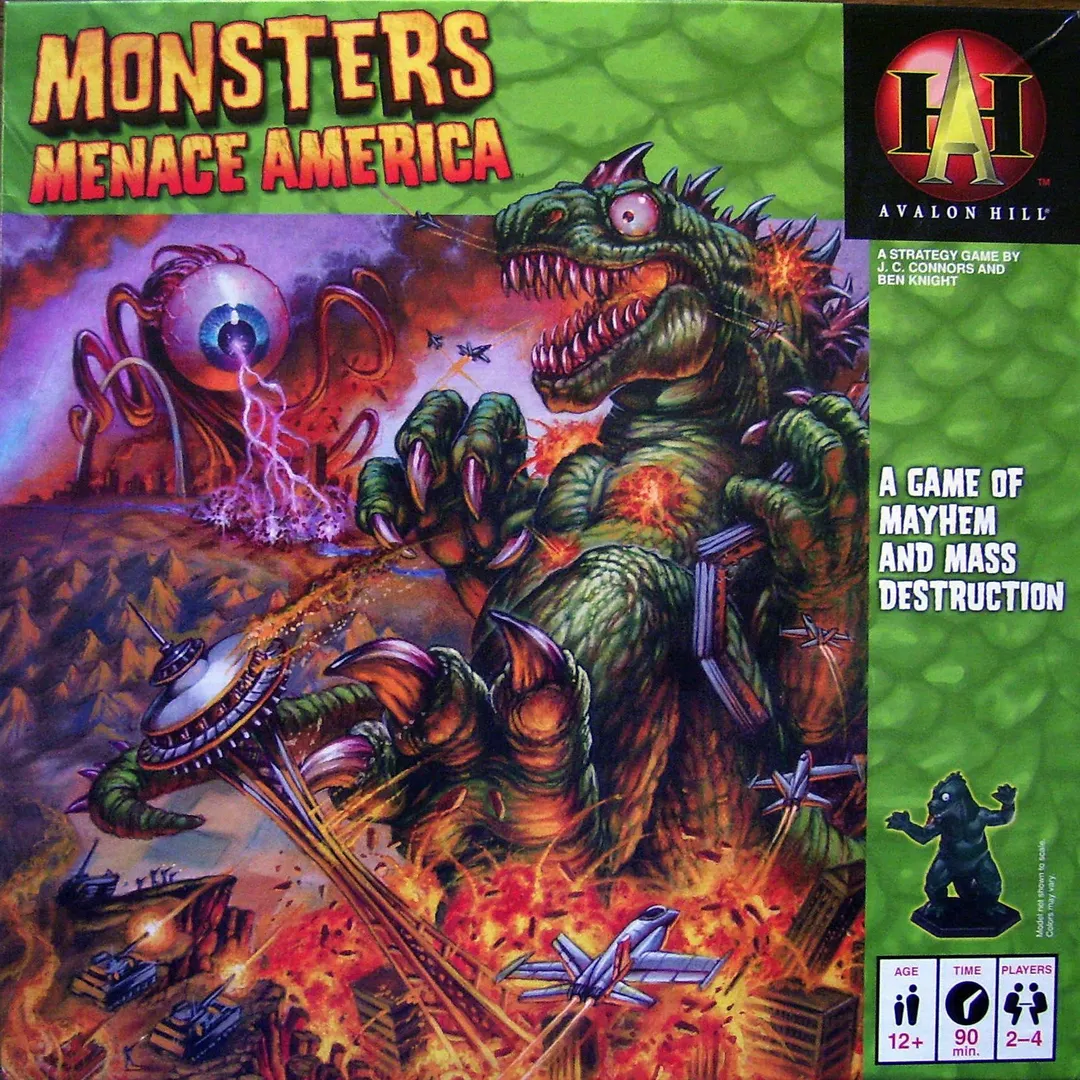
Monsters Menace America
- 2–4 graczy
- 90 min
- Złożoność 1,8/5
- 2005
2008
Pomoc w zasadach gry Pacific Typhoon
Zrozumiałe wyjaśnienia tur, efektów kart i spornych sytuacji z odnośnikami do oficjalnych źródeł i zapisaną historią pytań.
Dla 3 graczy
Co chcesz wiedzieć?
Odpowiedzi pochodzą z oficjalnej instrukcji, ze stroną do sprawdzenia.
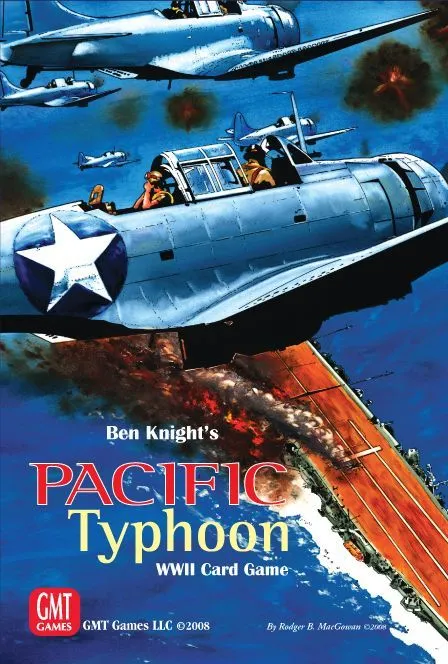
Pacific Typhoon to gra planszowa wydana w 2008 roku dla 3–7 graczy, z rozgrywką trwającą 60–120 minut i dla osób od 10 lat. Projekt gry: Ben Knight i John Coussis. Główne mechaniki: Hand Management, Dice Rolling i Team-Based Game.
Po angielsku
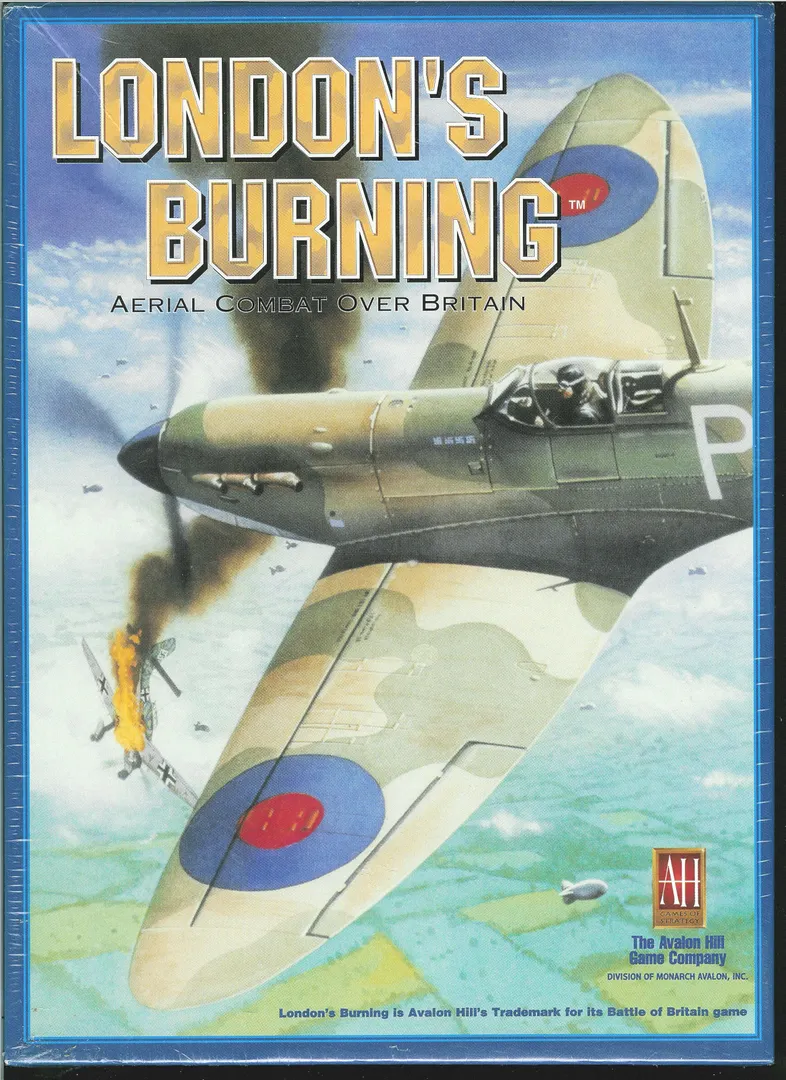
Pacific Typhoon is a card-wargame for 3-7 players, ages 10 to adult. The game uses the same system that first appeared in the popular 1998 Avalon Hill card game Atlantic Storm. The game setting is the naval and air war in the Pacific theatre during World War II. Pacific Typhoon depicts the history of the air-naval battles of the Pacific War with 40 battle cards, each of which represents an historical naval or air battle such as Pearl Harbor, Midway, Surigao Strait, etc. Players compete by fighting a non-sequential series of twenty of these battles. A battle lasts for one round of play, so each player gets to play once per battle. The round-leader starts by picking one of two battle cards (he discards the unpicked one). The chosen battle card determines the year of battle. The battle card is also worth a certain number of victory points and resources to whoever wins it. The round-leader alternates after each battle, and the game ends after 20 battles (when the Battle Card deck is exhausted). Players are not assigned to sides. Instead, each player has a hand of force cards that typically includes both Allied and Japanese cards. The force cards represent warships, submarines, aircraft, special weapons, and events. Non-event cards have three separate combat values: Air, Surface, and Sub. For example, the battlecruiser Kirishima has combat values of 1 air, 4 surface and 0 sub; the submarine Flasher has combat values of 0 air, 1 surface and 3 sub; the Zero fighter (Sakai) has combat values of 3 air, 0 surface and 0 sub. Force cards are also worth victory points because they can be destroyed in battle. After the round-leader selects the battle card, he announces the "suit" of battle: Air, Surface, Sub or Combined. Only the combat values in the announced suit will affect the outcome of the battle. In a Combined battle, the combat values of all three suits are added together. The round-leader also announces the time of battle: Day or Night. Some force cards are only playable in a day battle (for example, the aircraft carrier Lexington), a few are only playable in a night battle, but most are playable in day or night battles. The round-leader then gets to play from his hand. He may play on one side or the other (but not both sides together). Each player after him in turn may then play on one side or the other.
Według katalogu Pacific Typhoon obsługuje od 3 do 7 graczy. Ten zakres odpowiada liczbie graczy podanej przez wydawcę, więc grę można przygotować dla dowolnej grupy w jego granicach. Przygotowanie, niektóre zasady i punktacja mogą jednak różnić się w zależności od liczby graczy; dokładną konfigurację sprawdź w instrukcji swojego wydania.
Podany czas rozgrywki w Pacific Typhoon wynosi 60–120 minut. To szacunek wydawcy dla pełnej partii. Rzeczywisty czas zależy od grupy, liczby graczy i znajomości zasad: pierwsze partie zwykle trwają dłużej, a doświadczone grupy kończą szybciej. Przygotowanie gry i tłumaczenie zasad nie są wliczone w ten szacunek.
Katalog podaje dla Pacific Typhoon wiek od 10 lat. To zalecenie wydawcy, które uwzględnia wymagania dotyczące czytania, złożoność zasad i drobne elementy, a nie tylko tematykę. Młodsi gracze często mogą dołączyć z pomocą dorosłego; sprawdź zalecenie wiekowe swojego wydania i weź pod uwagę doświadczenie grupy z grami planszowymi.
Pacific Typhoon ma ocenę złożoności 2,0 na 5 według graczy BoardGameGeek, co czyni ją grą raczej lekką. Ocena pokazuje, ile znajomości zasad, planowania i podejmowania decyzji wymaga typowa rozgrywka. Cięższe gry wymagają dłuższego pierwszego tłumaczenia, dlatego przed wieczorem z grami warto skorzystać z przewodnika przygotowania.
Pacific Typhoon należy do tych kategorii: Card Game, Wargame i Nautical. Główne mechaniki to Hand Management, Dice Rolling i Team-Based Game. Kategorie opisują temat i świat gry, a mechaniki to, co gracze faktycznie robią w swojej turze. Każda mechanika prowadzi do strony katalogu z podobnymi grami, co pomaga znaleźć coś porównywalnego na kolejny wieczór.
Autorzy wymienieni przy Pacific Typhoon to: Ben Knight i John Coussis. Te informacje pochodzą z opublikowanych danych gry i wskazują osoby odpowiedzialne za jej projekt, a nie ilustratorów czy wydawców. Strony autorów w MeepleRules zbierają inne tytuły tych samych twórców, co pomaga, gdy gra ci się podoba i szukasz podobnych.
W katalogu Pacific Typhoon figuruje jako gra podstawowa. Można w nią grać samodzielnie, korzystając z elementów z pudełka, bez żadnego innego tytułu. Dodatki, jeśli istnieją, dokładają nową zawartość lub zasady i są wymienione w katalogu osobno, z odnośnikiem do tej gry podstawowej.