
- Ocena BGG
- 6,5
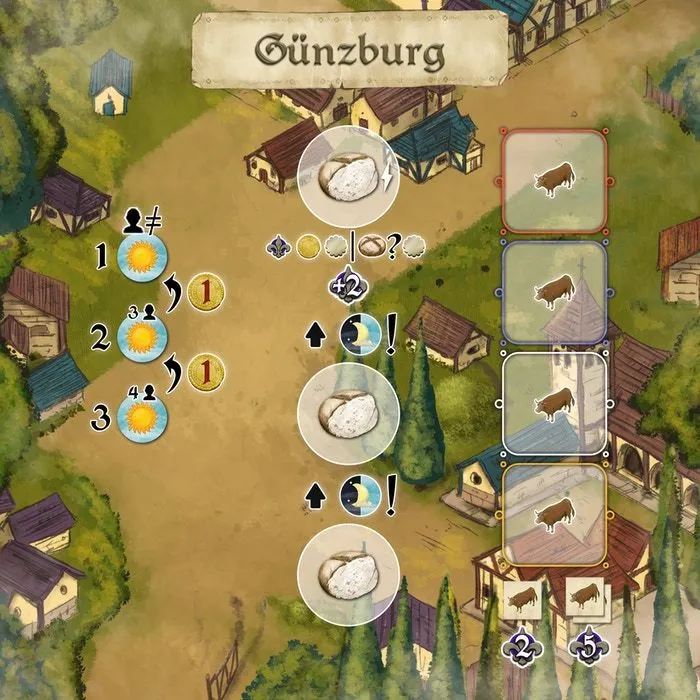
Pandemain: Traditional Farmers' Bread: Günzburg
- 1–4 graczy
- 60–120 min
- 2021
2021
Pomoc w zasadach gry Pandemain: Traditional Farmers' Bread
Zrozumiałe wyjaśnienia tur, efektów kart i spornych sytuacji z odnośnikami do oficjalnych źródeł i zapisaną historią pytań.
Dla 1 gracza
Co chcesz wiedzieć?
Odpowiedzi pochodzą z oficjalnej instrukcji, ze stroną do sprawdzenia.
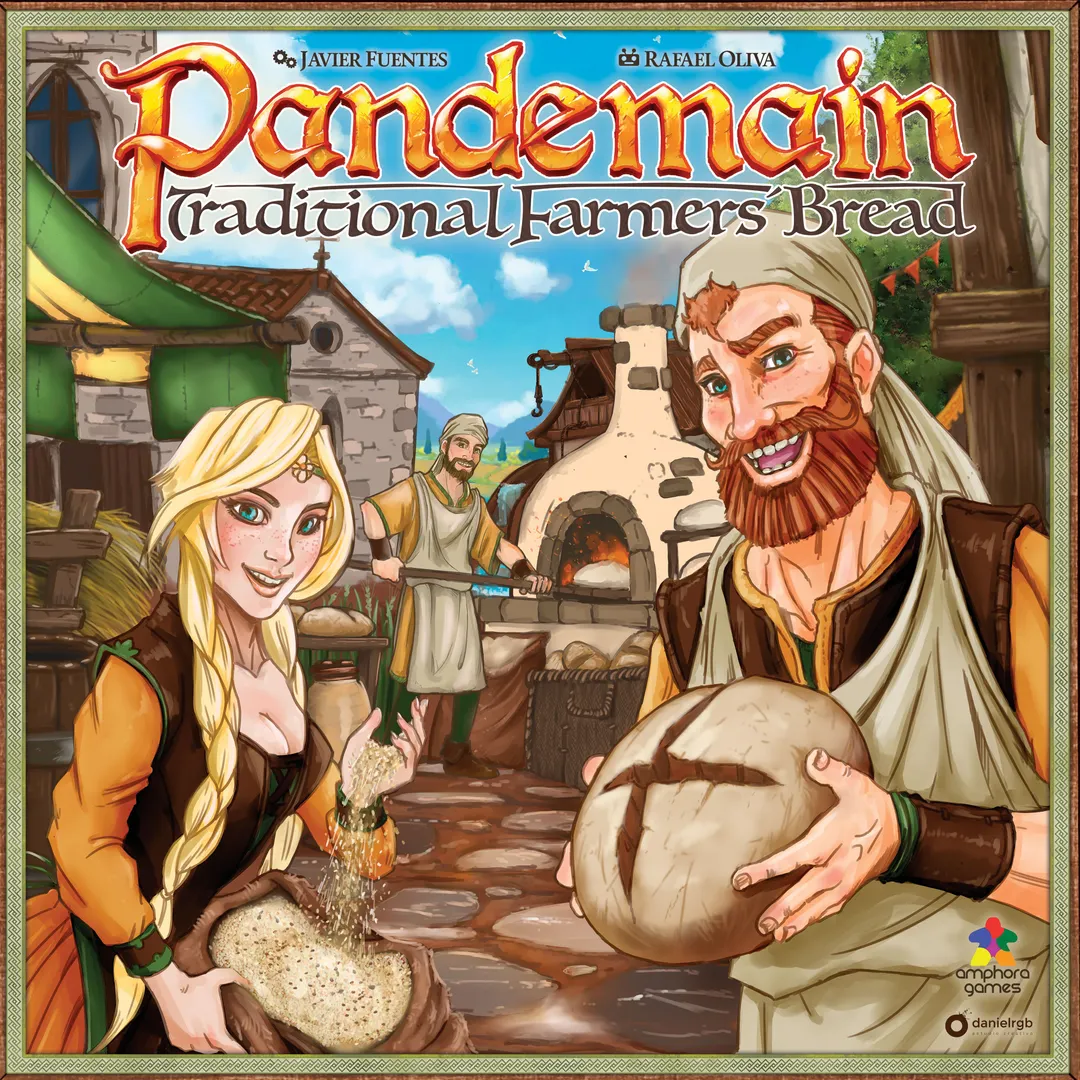
Pandemain: Traditional Farmers' Bread to gra planszowa wydana w 2021 roku dla 1–4 graczy, z rozgrywką trwającą 60–120 minut i dla osób od 12 lat. Projekt gry: Javier Fuentes i Rafael Oliva. Główne mechaniki: Set Collection, Simulation i Worker Placement.


Po angielsku
Pandemain: Traditional Farmers' Bread is a worker placement and bread making game for 1 to 4 players, where you must run a small bakery business located in the village of Nördlingen, during the fascinating period of the Middle Ages. Buy ingredients in the market, get flour by visiting the mill, bake your bread in the Feudal Lord’s oven and try to sell it in nearby villages. Satisfy the demand with high quality bread and improve your reputation to prosper and emerge victorious. Face the difficulties of the harsh medieval life, in which only a few peasants escaped the servile dependence of the Feudal Lord. The game takes place in the medieval region of the Duchy of Schwaben during the year 1276, in the domains of Emperor Rudolf I of Habsburg and under the watchful eye of the Inquisition. The historical base of the game has been verified in ancient documents and history books, and its mechanics are based on readings from original literature of that time. Explore this enigmatic period hidden under layers of mud and ash, and discover the real day to day of the period’s peasants. Pandemain: Traditional Farmers' Bread is played in turns. Each player starts with four workers and they can get another one if certain conditions are met. There are 5 game rounds divided in 4 phases each, with a variable element at the end of the game. In the game, some actions that are chosen by the players (worker placement), and all actions will lead to the selling of the bread they bake in the nearest villages or to the Feudal Lord, which additionally gives you favors (set collection). Each type of bread is sold at a different price and have different point values. The players must collect the correct ingredients for each recipe, bake high quality or low quality bread and sell it, for which they will receive the gratitude from the villages (set collection), allowing them to make extra actions and receive extra points. The players can hire and improve their master bakers (set collection), which allows them to bake the highest quality bread, provide benefits, and increase their reputation. Cows, oxen and wagons add some variability when the players go to acquire the ingredients. The Inquisition is also relevant: the players will make donations to the church, which gives them influence to avoid losing points each round and, in return they will give some benefits and points. And not only that, the church also controls the turn order. What changes every round? - Bread demand in each village - Flour available in the market - Feudal Lord's servant position - Inquisition advance What changes every game? - Available master bakers - Villagers in the villages - Feudal Lord's favors - Benefits when donating to the church -description from designer
Według katalogu Pandemain: Traditional Farmers' Bread obsługuje od 1 do 4 graczy. Ten zakres odpowiada liczbie graczy podanej przez wydawcę, więc grę można przygotować dla dowolnej grupy w jego granicach. Przygotowanie, niektóre zasady i punktacja mogą jednak różnić się w zależności od liczby graczy; dokładną konfigurację sprawdź w instrukcji swojego wydania.
Podany czas rozgrywki w Pandemain: Traditional Farmers' Bread wynosi 60–120 minut. To szacunek wydawcy dla pełnej partii. Rzeczywisty czas zależy od grupy, liczby graczy i znajomości zasad: pierwsze partie zwykle trwają dłużej, a doświadczone grupy kończą szybciej. Przygotowanie gry i tłumaczenie zasad nie są wliczone w ten szacunek.
Katalog podaje dla Pandemain: Traditional Farmers' Bread wiek od 12 lat. To zalecenie wydawcy, które uwzględnia wymagania dotyczące czytania, złożoność zasad i drobne elementy, a nie tylko tematykę. Młodsi gracze często mogą dołączyć z pomocą dorosłego; sprawdź zalecenie wiekowe swojego wydania i weź pod uwagę doświadczenie grupy z grami planszowymi.
Pandemain: Traditional Farmers' Bread ma ocenę złożoności 3,6 na 5 według graczy BoardGameGeek, co czyni ją grą średnio złożoną. Ocena pokazuje, ile znajomości zasad, planowania i podejmowania decyzji wymaga typowa rozgrywka. Cięższe gry wymagają dłuższego pierwszego tłumaczenia, dlatego przed wieczorem z grami warto skorzystać z przewodnika przygotowania.
Pandemain: Traditional Farmers' Bread należy do tych kategorii: Medieval, Farming i Industry / Manufacturing. Główne mechaniki to Set Collection, Simulation i Worker Placement. Kategorie opisują temat i świat gry, a mechaniki to, co gracze faktycznie robią w swojej turze. Każda mechanika prowadzi do strony katalogu z podobnymi grami, co pomaga znaleźć coś porównywalnego na kolejny wieczór.
Autorzy wymienieni przy Pandemain: Traditional Farmers' Bread to: Javier Fuentes i Rafael Oliva. Te informacje pochodzą z opublikowanych danych gry i wskazują osoby odpowiedzialne za jej projekt, a nie ilustratorów czy wydawców. Strony autorów w MeepleRules zbierają inne tytuły tych samych twórców, co pomaga, gdy gra ci się podoba i szukasz podobnych.
W katalogu Pandemain: Traditional Farmers' Bread figuruje jako gra podstawowa. Można w nią grać samodzielnie, korzystając z elementów z pudełka, bez żadnego innego tytułu. Dodatki, jeśli istnieją, dokładają nową zawartość lub zasady i są wymienione w katalogu osobno, z odnośnikiem do tej gry podstawowej.