
- Pozycja w BGG
- BGG #3905
- Ocena BGG
- 6,9
Windward
- 1–5 graczy
- 30–90 min
- Złożoność 2,4/5
- 2020
2019
Pomoc w zasadach gry Portolano
Zrozumiałe wyjaśnienia tur, efektów kart i spornych sytuacji z odnośnikami do oficjalnych źródeł i zapisaną historią pytań.
Dla 2 graczy
Co chcesz wiedzieć?
Odpowiedzi pochodzą z oficjalnej instrukcji, ze stroną do sprawdzenia.
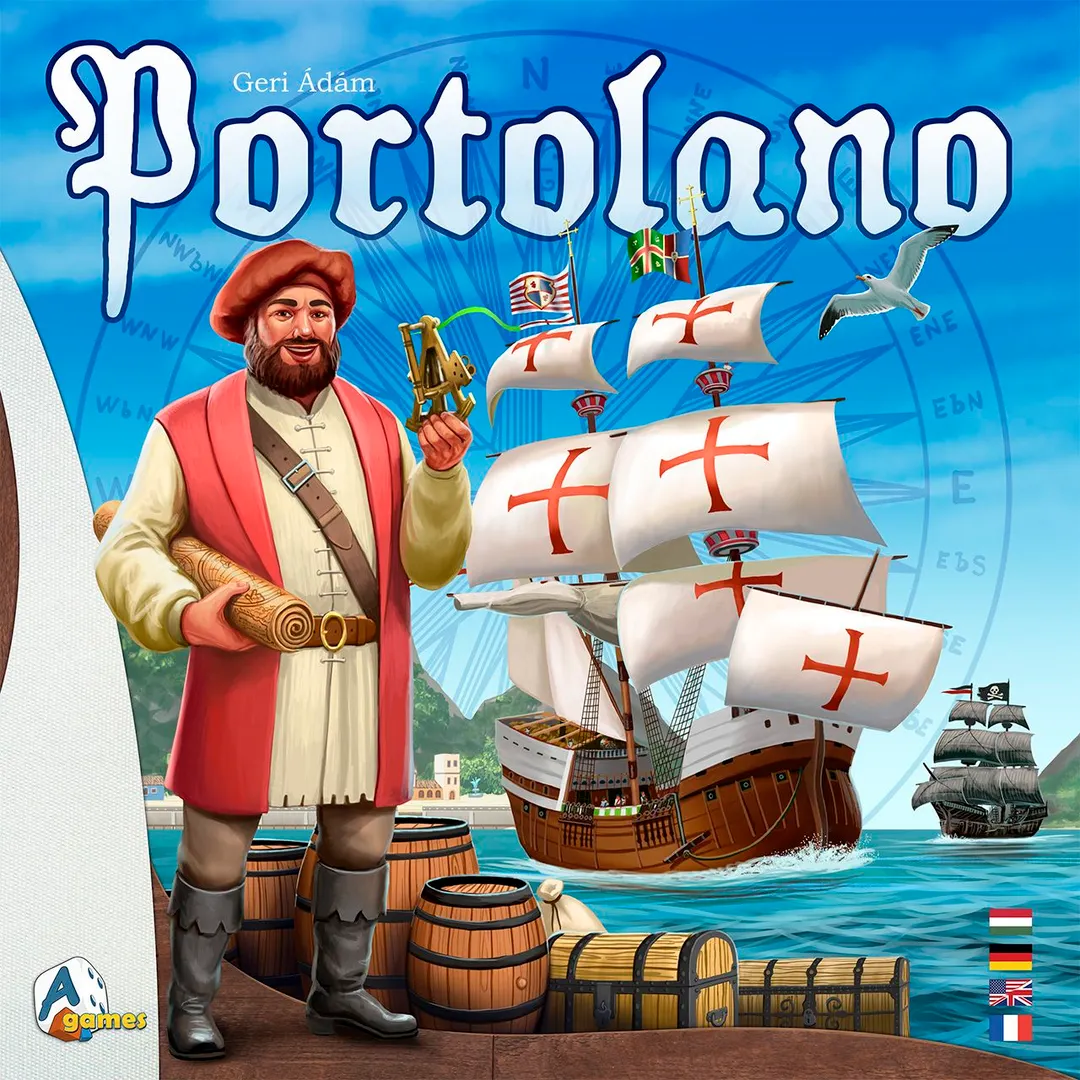
Portolano to gra planszowa wydana w 2019 roku dla 2–5 graczy, z rozgrywką trwającą 40–60 minut i dla osób od 10 lat. Projekt gry: Adam Geri. Główne mechaniki: Set Collection, Trading i Area Movement.



Po angielsku
The 16th century, the age of renaissance. Sailing and maritime trade are flourishing, vast fleets belonging to shipping companies are crossing the seas around the world. There is fierce competition for the available commodities which must be delivered to harbors. The shortest sea route may not be the easiest one. To achieve your goal in becoming the best captain, you need to find the best routes, deliver your goods to the harbor at the right moment and should not think twice to go raiding a little at times. Your portolan chart, a navigation map lies already in front of you, the crew is awaiting your order, and the race is just about to begin. In Portolano, each players controls a ship at sea. With each step you move your ship to the next map tile (map consists of tiles randomly drawn at the beginning of the game). If this is a sea tile, the player can pick one resource (3 different goods or cannons) available on the island. Each sea tile allows for one additional special action. The most important one is ship building, letting players upgrade their ships, extend their cargo bay, increase their speed, or attacking power in battle. Other possible actions include e.g. trading goods (change them to other goods or rum). Once you move to a harbor, you sell the goods collected on the islands to get coins (each harbor has differing needs for products). The more goods you can sell in one go, the more coins you will get. The players plan their next moves simultaneously, without knowing the plans of others. Therefore it may happen that a player moves to sea tile, where the goods are already taken by other players or to a harbor, where the demands have already been satisfied. Once everybody has moved their ships in the round, the wind indicator will be spun, the new wind direction determines the next move of the pirates, who are also on the prowl at sea. After this, the movement phase ends. There is a battle after the movement phase if players and/or the pirate are positioned on the same/adjacent tiles. The fights use dice rolling, the winner steals goods/coins/rum from the loser. Rum is considered to be an important commodity as well, it "fuels” the crew to sail the ship according to your orders. If any player runs out of rum, the crew rebels and the ship can move only in the direction that the wind takes it until the rum stock is refilled. The costs of moving the ship in terms of rum depends on your movement compared with the wind direction (upwind, tailwind, crosswind). The game ends as soon as any of the goods run out. The player who has the most coins wins the game (coins can be collected even at the end of the game by unlocking bonuses).
Według katalogu Portolano obsługuje od 2 do 5 graczy. Ten zakres odpowiada liczbie graczy podanej przez wydawcę, więc grę można przygotować dla dowolnej grupy w jego granicach. Przygotowanie, niektóre zasady i punktacja mogą jednak różnić się w zależności od liczby graczy; dokładną konfigurację sprawdź w instrukcji swojego wydania.
Podany czas rozgrywki w Portolano wynosi 40–60 minut. To szacunek wydawcy dla pełnej partii. Rzeczywisty czas zależy od grupy, liczby graczy i znajomości zasad: pierwsze partie zwykle trwają dłużej, a doświadczone grupy kończą szybciej. Przygotowanie gry i tłumaczenie zasad nie są wliczone w ten szacunek.
Katalog podaje dla Portolano wiek od 10 lat. To zalecenie wydawcy, które uwzględnia wymagania dotyczące czytania, złożoność zasad i drobne elementy, a nie tylko tematykę. Młodsi gracze często mogą dołączyć z pomocą dorosłego; sprawdź zalecenie wiekowe swojego wydania i weź pod uwagę doświadczenie grupy z grami planszowymi.
Portolano ma ocenę złożoności 2,3 na 5 według graczy BoardGameGeek, co czyni ją grą raczej lekką. Ocena pokazuje, ile znajomości zasad, planowania i podejmowania decyzji wymaga typowa rozgrywka. Cięższe gry wymagają dłuższego pierwszego tłumaczenia, dlatego przed wieczorem z grami warto skorzystać z przewodnika przygotowania.
Portolano należy do tych kategorii: Travel, Exploration i Nautical. Główne mechaniki to Set Collection, Trading i Area Movement. Kategorie opisują temat i świat gry, a mechaniki to, co gracze faktycznie robią w swojej turze. Każda mechanika prowadzi do strony katalogu z podobnymi grami, co pomaga znaleźć coś porównywalnego na kolejny wieczór.
Autorzy wymienieni przy Portolano to: Adam Geri. Te informacje pochodzą z opublikowanych danych gry i wskazują osoby odpowiedzialne za jej projekt, a nie ilustratorów czy wydawców. Strony autorów w MeepleRules zbierają inne tytuły tych samych twórców, co pomaga, gdy gra ci się podoba i szukasz podobnych.
W katalogu Portolano figuruje jako gra podstawowa. Można w nią grać samodzielnie, korzystając z elementów z pudełka, bez żadnego innego tytułu. Dodatki, jeśli istnieją, dokładają nową zawartość lub zasady i są wymienione w katalogu osobno, z odnośnikiem do tej gry podstawowej.