
- Pozycja w BGG
- BGG #18 708
- Ocena BGG
- 7,4
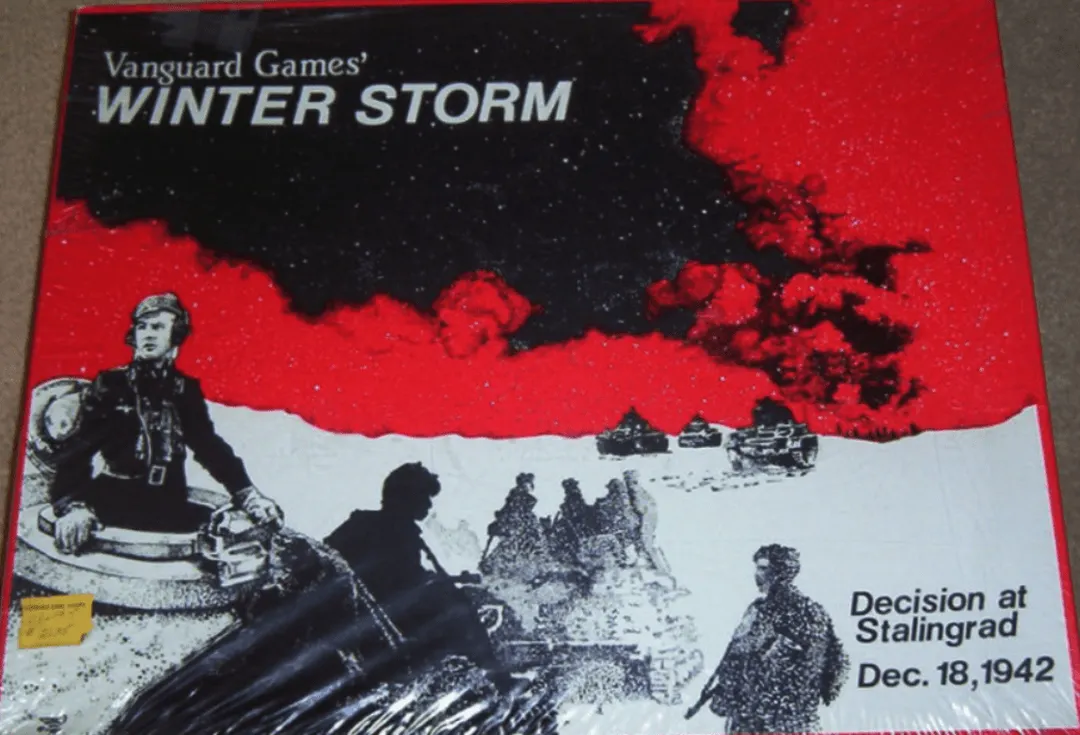
Winter Storm: Decision at Stalingrad
- 2 graczy
- 240 min
- Złożoność 4,1/5
- 1980

1992
Pomoc w zasadach gry Prelude to Disaster: The Soviet Spring Offensive
Zrozumiałe wyjaśnienia tur, efektów kart i spornych sytuacji z odnośnikami do oficjalnych źródeł i zapisaną historią pytań.
Dla 2 graczy
Co chcesz wiedzieć?
Odpowiedzi pochodzą z oficjalnej instrukcji, ze stroną do sprawdzenia.
Prelude to Disaster: The Soviet Spring Offensive to gra planszowa wydana w 1992 roku dla 2 graczy i z rozgrywką trwającą 180 minut. Projekt gry: John Schettler i Henry Robinette. Główne mechaniki: Dice Rolling, Grid Movement i Hexagon Grid.




Po angielsku
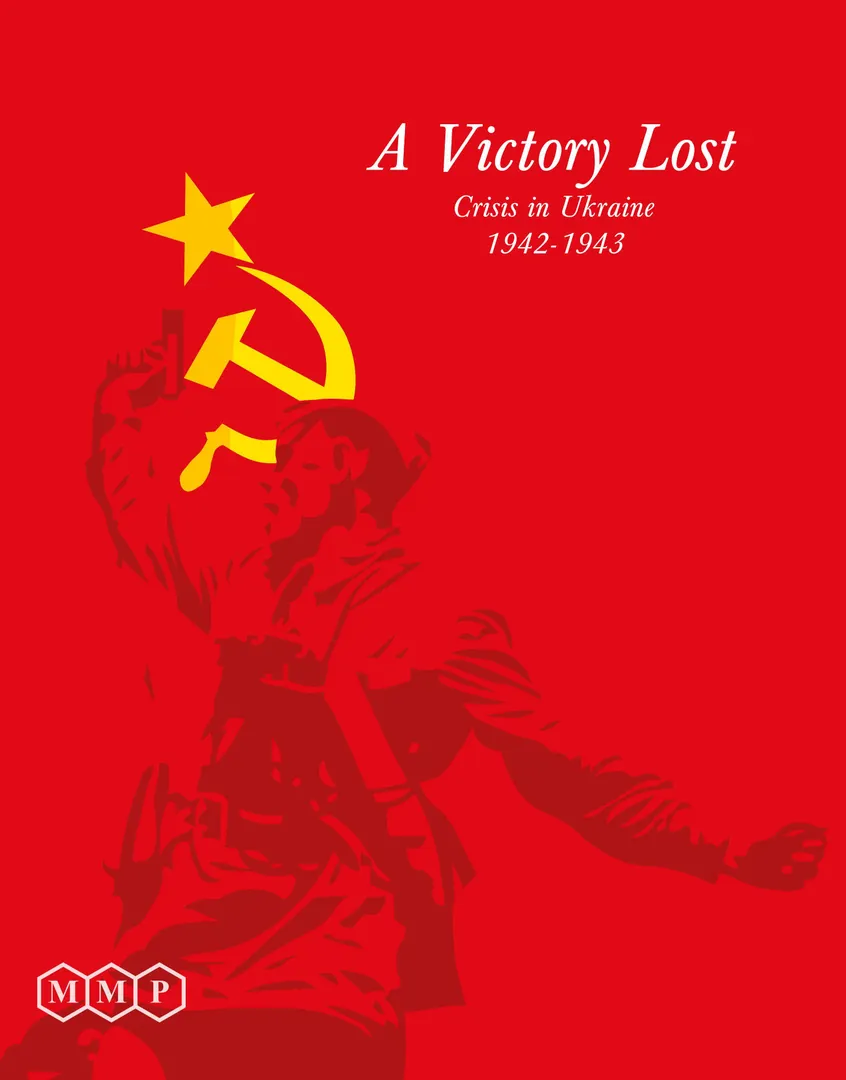
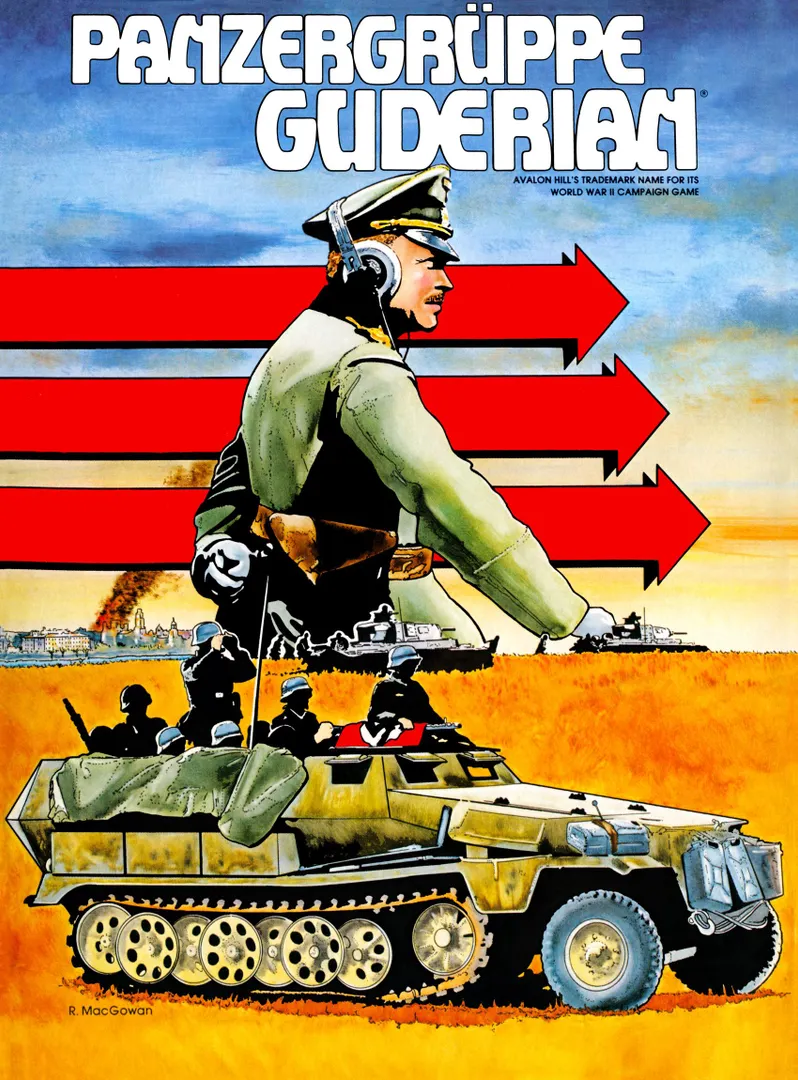
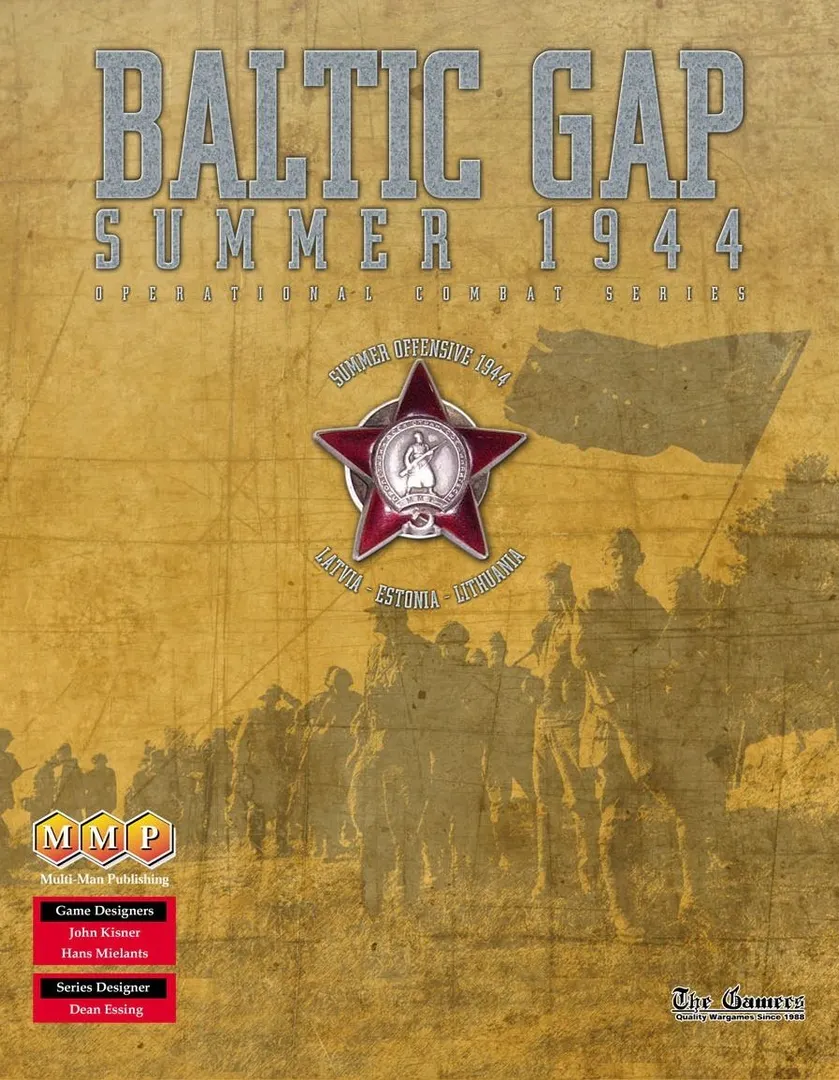
Prelude to Disaster: The Soviet Spring Offensive - May 1942, is Volume No. 6 of the Winter Storm Campaign Series by Clash of Arms Games, original designed by John Schettler and has the same Basic Rules like Edelweiss and Last Victory. The game covers the time between the end of the Soviet Winter counteroffensive and the beginning of the German Stalingrad campaign. In early May 1942, four Soviet armies stands poised to liberate Kharkov and seize the Dnepr River crossings, destroying all the German armies in the south Ukraine. The Germans themselves are preparing to nip the Soviet thrust at its base. Victory hangs in the balance and the entire course of the summer’s campaign will depend upon who can strike first. The game provides two scenarios that can be played to conclusion in a single sitting. The number of units on each side is large but not overwhelming. And play balance is such that either side has a chance to win. Game Scale: Game Turn: 2 days Hex: 5 miles / 8.5 Km Units: Battalion to Corps Game Inventory: One 22 x 34" full color map Three dual-side printed countersheets (720 1/2" counters) One 32-page Winter Storm Campaign Series Standard Rules 2nd Edition rulebook One 24-page Prelude to Disaster rulebook Two single-side printed Army Organization Player Aid cards One 12-page Charts & Tables booklet Two 6-sided dice Solitaire Playability: Medium Complexity Level: High Players: 2 or more Playing Time: 8-10 hours
Według katalogu Prelude to Disaster: The Soviet Spring Offensive obsługuje 2 graczy. To liczba graczy podana przez wydawcę, więc gra jest zaprojektowana dokładnie dla takiej liczby uczestników. Warianty dla grup innej wielkości, jeśli w ogóle istnieją, opisano w instrukcji twojego wydania; sprawdź ją uważnie, zanim przygotujesz inną konfigurację stołu.
Podany czas rozgrywki w Prelude to Disaster: The Soviet Spring Offensive wynosi 180 minut. To szacunek wydawcy dla pełnej partii. Rzeczywisty czas zależy od grupy, liczby graczy i znajomości zasad: pierwsze partie zwykle trwają dłużej, a doświadczone grupy kończą szybciej. Przygotowanie gry i tłumaczenie zasad nie są wliczone w ten szacunek.
Prelude to Disaster: The Soviet Spring Offensive ma ocenę złożoności 4,3 na 5 według graczy BoardGameGeek, co czyni ją grą ciężką. Ocena pokazuje, ile znajomości zasad, planowania i podejmowania decyzji wymaga typowa rozgrywka. Cięższe gry wymagają dłuższego pierwszego tłumaczenia, dlatego przed wieczorem z grami warto skorzystać z przewodnika przygotowania.
Prelude to Disaster: The Soviet Spring Offensive należy do tych kategorii: Wargame i World War II. Główne mechaniki to Dice Rolling, Grid Movement i Hexagon Grid. Kategorie opisują temat i świat gry, a mechaniki to, co gracze faktycznie robią w swojej turze. Każda mechanika prowadzi do strony katalogu z podobnymi grami, co pomaga znaleźć coś porównywalnego na kolejny wieczór.
Autorzy wymienieni przy Prelude to Disaster: The Soviet Spring Offensive to: John Schettler i Henry Robinette. Te informacje pochodzą z opublikowanych danych gry i wskazują osoby odpowiedzialne za jej projekt, a nie ilustratorów czy wydawców. Strony autorów w MeepleRules zbierają inne tytuły tych samych twórców, co pomaga, gdy gra ci się podoba i szukasz podobnych.
W katalogu Prelude to Disaster: The Soviet Spring Offensive figuruje jako gra podstawowa. Można w nią grać samodzielnie, korzystając z elementów z pudełka, bez żadnego innego tytułu. Dodatki, jeśli istnieją, dokładają nową zawartość lub zasady i są wymienione w katalogu osobno, z odnośnikiem do tej gry podstawowej.