
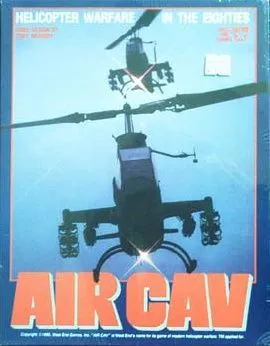
- Pozycja w BGG
- BGG #16 585
- Ocena BGG
- 6,0
Air Cav
- 2 graczy
- 90 min
- Złożoność 2,7/5
- 1985
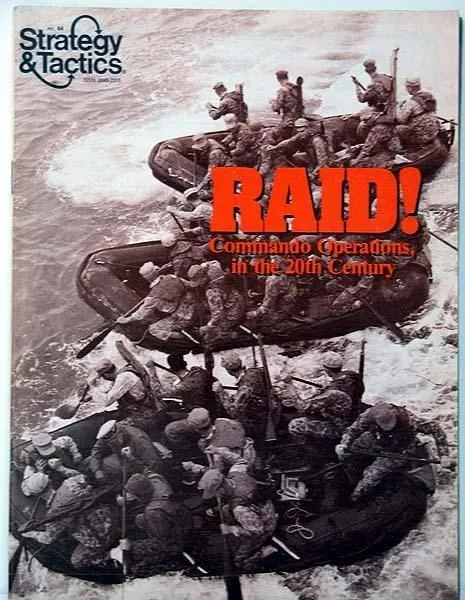
1977
Pomoc w zasadach gry Raid! Commando Operations, in the 20th Century
Zrozumiałe wyjaśnienia tur, efektów kart i spornych sytuacji z odnośnikami do oficjalnych źródeł i zapisaną historią pytań.
Dla 2 graczy
Co chcesz wiedzieć?
Odpowiedzi pochodzą z oficjalnej instrukcji, ze stroną do sprawdzenia.
Raid! Commando Operations, in the 20th Century to gra planszowa wydana w 1977 roku dla 2 graczy, z rozgrywką trwającą 30–240 minut i dla osób od 12 lat. Projekt gry: Mark Herman i Tony Merridy. Główne mechaniki: Hexagon Grid.
Po angielsku
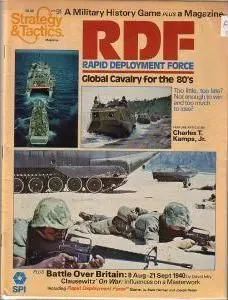
Raid!: Commando Operations in the 20th Century, is a tactical-level simulation of commando tactics and operations from World War II to the near future. First appeared in Strategy & Tactics magazine #64 (September/October 1977). From the introduction: Raid! The game is played by scenario. There are several historical scenarios as well as provisions for the players to make up their own. The map is a 3-color map. Units are two- or four-man fire teams, with individual tanks, truck, command centers, helicopters, etc. depicted. There are extensive and rational command control rules. Game Scale: Game Turn: 2 minutes Hex: 27 yards / 25 meters Units: 2 to 4 soldiers Game Inventory: One 22 x 34" six color maps One dual-side printed countersheet (200 1/2" counters) One 12-page Raid! rulebook One 6-sided dice (not included in magazine version) Solitaire Playability: Medium Complexity Level: Medium Players: 2 or more Playing Time: .5-4 hours
Według katalogu Raid! Commando Operations, in the 20th Century obsługuje 2 graczy. To liczba graczy podana przez wydawcę, więc gra jest zaprojektowana dokładnie dla takiej liczby uczestników. Warianty dla grup innej wielkości, jeśli w ogóle istnieją, opisano w instrukcji twojego wydania; sprawdź ją uważnie, zanim przygotujesz inną konfigurację stołu.
Podany czas rozgrywki w Raid! Commando Operations, in the 20th Century wynosi 30–240 minut. To szacunek wydawcy dla pełnej partii. Rzeczywisty czas zależy od grupy, liczby graczy i znajomości zasad: pierwsze partie zwykle trwają dłużej, a doświadczone grupy kończą szybciej. Przygotowanie gry i tłumaczenie zasad nie są wliczone w ten szacunek.
Katalog podaje dla Raid! Commando Operations, in the 20th Century wiek od 12 lat. To zalecenie wydawcy, które uwzględnia wymagania dotyczące czytania, złożoność zasad i drobne elementy, a nie tylko tematykę. Młodsi gracze często mogą dołączyć z pomocą dorosłego; sprawdź zalecenie wiekowe swojego wydania i weź pod uwagę doświadczenie grupy z grami planszowymi.
Raid! Commando Operations, in the 20th Century ma ocenę złożoności 2,6 na 5 według graczy BoardGameGeek, co czyni ją grą raczej lekką. Ocena pokazuje, ile znajomości zasad, planowania i podejmowania decyzji wymaga typowa rozgrywka. Cięższe gry wymagają dłuższego pierwszego tłumaczenia, dlatego przed wieczorem z grami warto skorzystać z przewodnika przygotowania.
Raid! Commando Operations, in the 20th Century należy do tych kategorii: Wargame, World War II i Modern Warfare. Główne mechaniki to Hexagon Grid. Kategorie opisują temat i świat gry, a mechaniki to, co gracze faktycznie robią w swojej turze. Każda mechanika prowadzi do strony katalogu z podobnymi grami, co pomaga znaleźć coś porównywalnego na kolejny wieczór.
Autorzy wymienieni przy Raid! Commando Operations, in the 20th Century to: Mark Herman i Tony Merridy. Te informacje pochodzą z opublikowanych danych gry i wskazują osoby odpowiedzialne za jej projekt, a nie ilustratorów czy wydawców. Strony autorów w MeepleRules zbierają inne tytuły tych samych twórców, co pomaga, gdy gra ci się podoba i szukasz podobnych.
W katalogu Raid! Commando Operations, in the 20th Century figuruje jako gra podstawowa. Można w nią grać samodzielnie, korzystając z elementów z pudełka, bez żadnego innego tytułu. Dodatki, jeśli istnieją, dokładają nową zawartość lub zasady i są wymienione w katalogu osobno, z odnośnikiem do tej gry podstawowej.