

- Pozycja w BGG
- BGG #594
- Ocena BGG
- 7,6
Dune
- 2–6 graczy
- 60–180 min
- Złożoność 3,5/5
- 1979
2012
Pomoc w zasadach gry Rex: Final Days of an Empire
Zrozumiałe wyjaśnienia tur, efektów kart i spornych sytuacji z odnośnikami do oficjalnych źródeł i zapisaną historią pytań.
Dla 3 graczy
Co chcesz wiedzieć?
Odpowiedzi pochodzą z oficjalnej instrukcji, ze stroną do sprawdzenia.
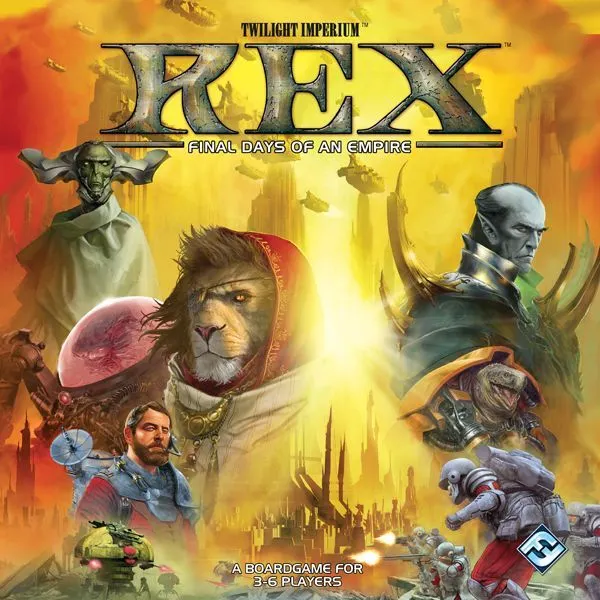
Rex: Final Days of an Empire to gra planszowa wydana w 2012 roku dla 3–6 graczy, z rozgrywką trwającą 120–180 minut i dla osób od 14 lat. Projekt gry: John Goodenough, Corey Konieczka, Christian T. Petersen, Bill Eberle, Jack Kittredge i Peter Olotka. Główne mechaniki: Variable Player Powers, Hand Management i Auction / Bidding.

Po angielsku
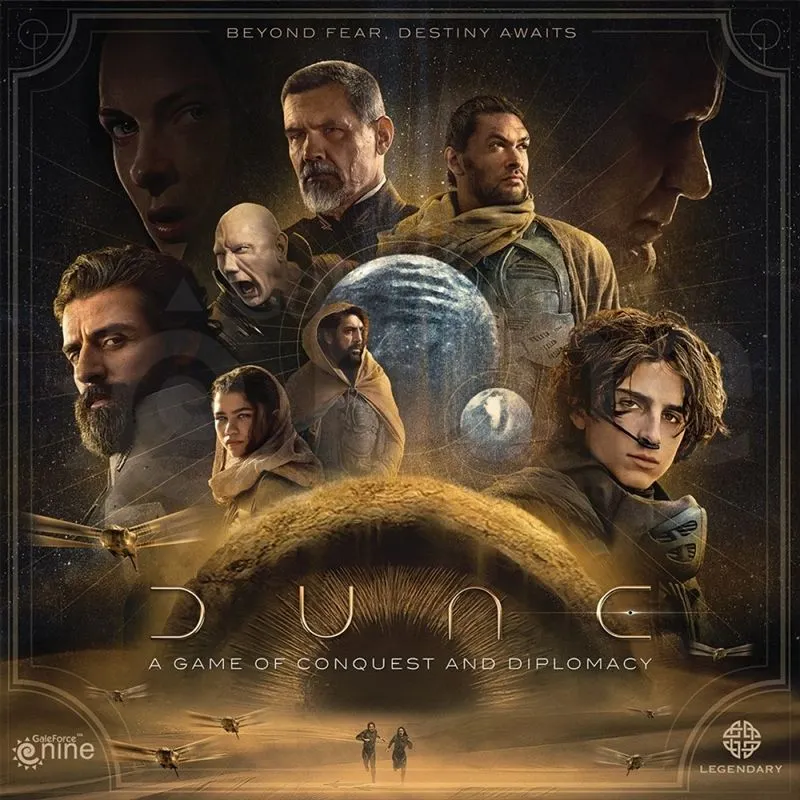
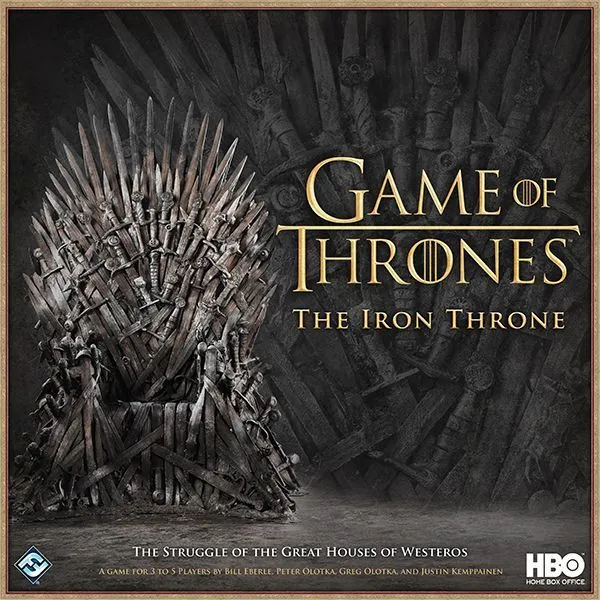
Game description from the publisher: Rex: Final Days of an Empire, a reimagined version of Dune set in Fantasy Flight's Twilight Imperium universe, is a board game of negotiation, betrayal, and warfare in which 3-6 players take control of great interstellar civilizations, competing for dominance of the galaxy's crumbling imperial city. Set 3,000 years before the events of Twilight Imperium, Rex tells the story of the last days of the Lazax empire, while presenting players with compelling asymmetrical racial abilities and exciting opportunities for diplomacy, deception, and tactical mastery. In Rex: Final Days of an Empire, players vie for control of vital locations across a sprawling map of the continent-sized Mecatol City. Only by securing three key locations (or more, when allied with other factions) can a player assert dominance over the heart of a dying empire. Unfortunately, mustering troops in the face of an ongoing Sol blockade is difficult at best (unless, of course, you are the Federation of Sol or its faithless ally, the Hacan, who supply the blockading fleet). Savvy leaders must gather support from the local populace, uncover hidden weapon caches, and acquire control over key institutions. Mechanically, this means players must lay claim to areas that provide influence, which is then "spent" to (among other things) smuggle military forces through the orbiting Sol blockade. Those forces will be needed to seize the key areas of the city required to win the game. From the moment the first shot is fired, players must aggressively seek the means by which to turn the conflict to their own advantage. While the great races struggle for supremacy in the power vacuum of a dead emperor, massive Sol warships execute their devastating bombardments of the city below. Moving systematically, the Federation of Sol's fleet of warships wreaks havoc on the planet's surface, targeting great swaths of the game board with their destructive capabilities. Only the Sol's own ground forces have forewarning of the fleet's wrath; all others must seek shelter in the few locations with working defensive shields...or be obliterated in the resulting firestorm. Although open diplomacy and back-door dealmaking can often mitigate the need for bloodshed, direct combat may prove inevitable. When two or more opposing forces occupy the same area, a battle results. Each player's military strength is based on the sum total of troops he is willing to expend, along with the strength rating of his chosen leader. A faction's leaders can therefore be vitally important in combat...but beware! One or more of your Leaders may secretly be in the employ of an enemy, and if your forces in combat are commanded by such a traitor, defeat is all but assured. So whether on the field of battle or the floor of the Galactic Council, be careful in whom you place your trust. All this, along with a host of optional rules and additional variants, means that no two games of Rex: Final Days of an Empire will play exactly alike. Contributing further to replayability is the game's asymmetrical faction abilities, each of which offer a unique play experience.
Według katalogu Rex: Final Days of an Empire obsługuje od 3 do 6 graczy. Ten zakres odpowiada liczbie graczy podanej przez wydawcę, więc grę można przygotować dla dowolnej grupy w jego granicach. Przygotowanie, niektóre zasady i punktacja mogą jednak różnić się w zależności od liczby graczy; dokładną konfigurację sprawdź w instrukcji swojego wydania.
Podany czas rozgrywki w Rex: Final Days of an Empire wynosi 120–180 minut. To szacunek wydawcy dla pełnej partii. Rzeczywisty czas zależy od grupy, liczby graczy i znajomości zasad: pierwsze partie zwykle trwają dłużej, a doświadczone grupy kończą szybciej. Przygotowanie gry i tłumaczenie zasad nie są wliczone w ten szacunek.
Katalog podaje dla Rex: Final Days of an Empire wiek od 14 lat. To zalecenie wydawcy, które uwzględnia wymagania dotyczące czytania, złożoność zasad i drobne elementy, a nie tylko tematykę. Młodsi gracze często mogą dołączyć z pomocą dorosłego; sprawdź zalecenie wiekowe swojego wydania i weź pod uwagę doświadczenie grupy z grami planszowymi.
Rex: Final Days of an Empire ma ocenę złożoności 3,3 na 5 według graczy BoardGameGeek, co czyni ją grą średnio złożoną. Ocena pokazuje, ile znajomości zasad, planowania i podejmowania decyzji wymaga typowa rozgrywka. Cięższe gry wymagają dłuższego pierwszego tłumaczenia, dlatego przed wieczorem z grami warto skorzystać z przewodnika przygotowania.
Rex: Final Days of an Empire należy do tych kategorii: Fighting, Political i Negotiation. Główne mechaniki to Variable Player Powers, Hand Management i Auction / Bidding. Kategorie opisują temat i świat gry, a mechaniki to, co gracze faktycznie robią w swojej turze. Każda mechanika prowadzi do strony katalogu z podobnymi grami, co pomaga znaleźć coś porównywalnego na kolejny wieczór.
Autorzy wymienieni przy Rex: Final Days of an Empire to: John Goodenough, Corey Konieczka, Christian T. Petersen, Bill Eberle, Jack Kittredge i Peter Olotka. Te informacje pochodzą z opublikowanych danych gry i wskazują osoby odpowiedzialne za jej projekt, a nie ilustratorów czy wydawców. Strony autorów w MeepleRules zbierają inne tytuły tych samych twórców, co pomaga, gdy gra ci się podoba i szukasz podobnych.
W katalogu Rex: Final Days of an Empire figuruje jako gra podstawowa. Można w nią grać samodzielnie, korzystając z elementów z pudełka, bez żadnego innego tytułu. Dodatki, jeśli istnieją, dokładają nową zawartość lub zasady i są wymienione w katalogu osobno, z odnośnikiem do tej gry podstawowej.