
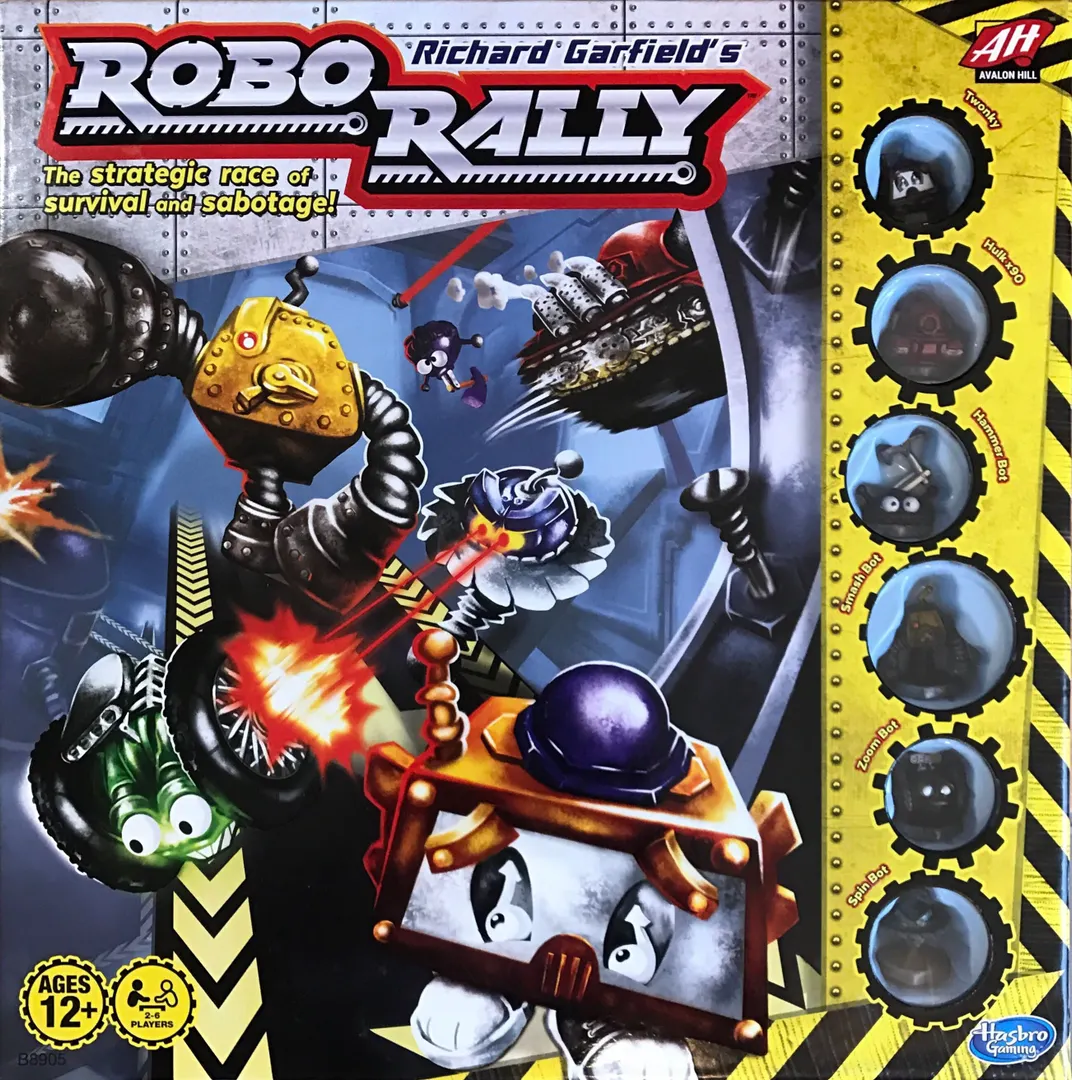
- Pozycja w BGG
- BGG #1779
- Ocena BGG
- 6,9
Robo Rally
- 2–6 graczy
- 20–120 min
- Złożoność 2,4/5
- 2016
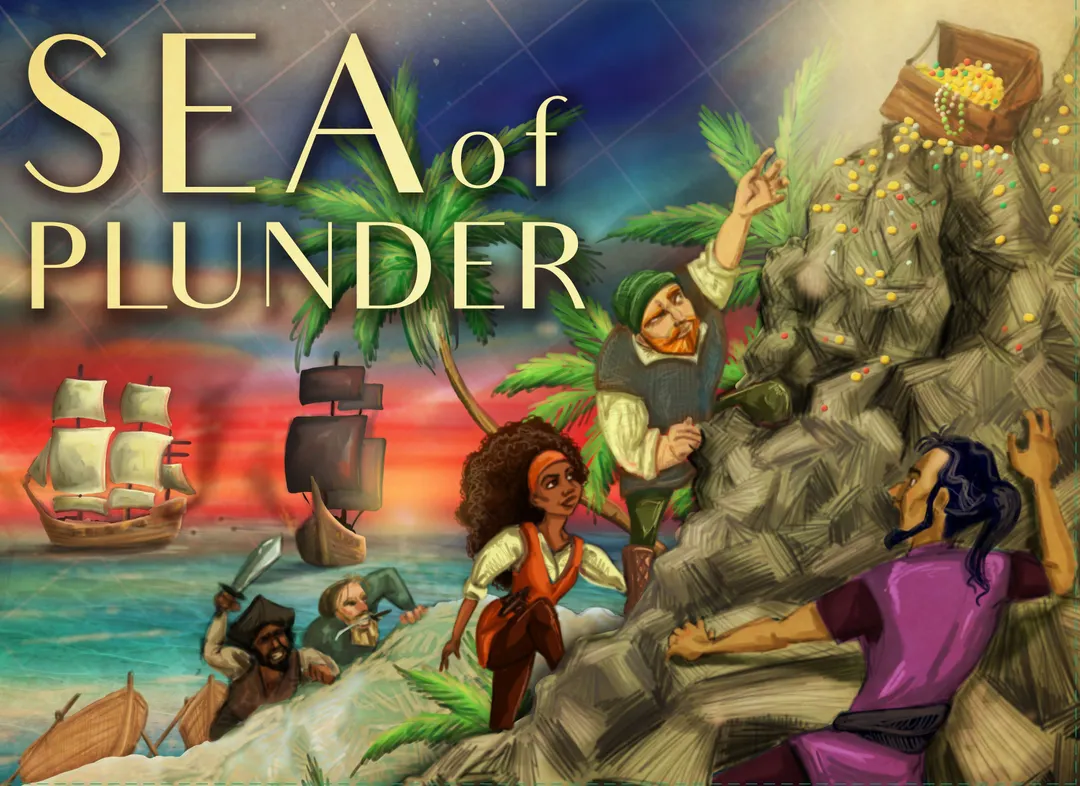
2020
Pomoc w zasadach gry Sea of Plunder
Zrozumiałe wyjaśnienia tur, efektów kart i spornych sytuacji z odnośnikami do oficjalnych źródeł i zapisaną historią pytań.
Dla 2 graczy
Co chcesz wiedzieć?
Odpowiedzi pochodzą z oficjalnej instrukcji, ze stroną do sprawdzenia.
Sea of Plunder to gra planszowa wydana w 2020 roku dla 2–4 graczy, z rozgrywką trwającą 30–60 minut i dla osób od 10 lat. Projekt gry: Rusty Lumpkin. Główne mechaniki: Variable Player Powers, Hand Management i Take That.
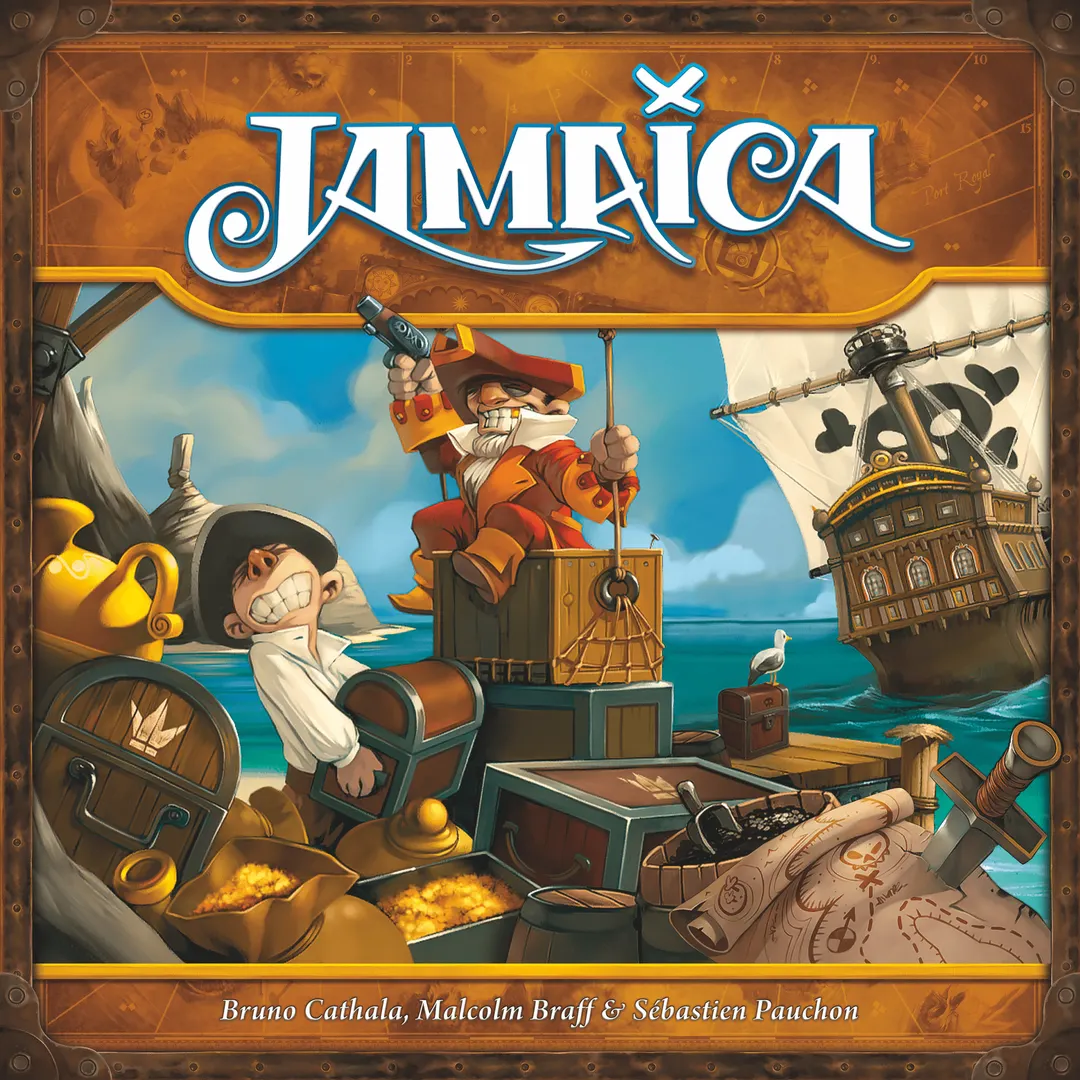




Po angielsku
Kickstarter Link: https://bit.ly/Seaofplunderks Sail the Seas in search of fame and riches as a merchant ship captain trying to out maneuver his fellow merchants and the ruthless pirates! Sea of Plunder is a light weight strategy game about treasure hunting in which you are a merchant ship sailing across the endless sea, racing to get to mysterious treasure islands while at the same time gathering goods from port cities,dodging pirates, getting pushed around by hurricanes, and stealing cargo from the other merchants/treasure hunters! Scoring and Goal: Four things are taken into account for scoring at the end of the game. Treasures- The players can gather treasures from the mysterious treasure islands throughout the game. Goods-A second way is by collecting the unique goods that are produced at each of the port cities located on the 4 home islands. The goods are a set collection objective where you get more points for having multiple different types of goods. (this means that you have to travel to the multiple islands or trade with another merchant for them) Magical Compasses-A player is also awarded points at the end of the game for each "magical compass" that they possess. All the players are given these through out the game but they can also gain these in trades from other players. Debt-Each player is deducted points based on the amount of debt that they have gained throughout the game. A player will obtain debt any time that they come into contact with pirates and are unable to bribe them with a good. In this instance the pirates attach the ship and the player gains debt which represents the price that they had to pay for repairs The player with the total highest score wins. In the case of a tie, the player with the most magical compasses left wins. Game Play: Players take turns in clockwise fashion. They will draw two cards and add them to their hand. They then choose to play a card (a treasure map, port city, or action card) these will commonly affect the active player (Exceptions would include some action cards). The player then chooses to discard a card. The card discarded allows the player to choose a pirate on the map and move it accordingly Player Powers: Each player has a unique player power that allows for new strategies and replayability! Action Cards: Allow the player to preform more complex combos or implement some take that upon the other players. Event Cards: These are cards that are dispersed throughout the draw deck. When they appear they do not count as one of your draws or plays but they are played immediately and affect all players. Treasure Islands: The game starts with one treasure island in the middle of the board. When a player sails across a treasure island they have now discovered it and found the treasure. That treasure island will disappear off the map and a new treasure island location will be randomly generated. Event cards such as "Tales of More Treasure" cause new treasure islands to be generated onto the board so that by the end of the game there are multiple options of islands that you can choose to sail towards. The Pirates: There are four pirate ships that can be moved across the board according to each players discard. You can use the pirates to discover the treasure islands (the pirate would get the treasure) if an opponent is getting to close to it for comfort. You can also sail the pirate into another player forcing them to lose a good or accumulate debt. You may also place a pirate on the port cities to help blockade your opponent merchants from gathering the goods from that city. Game End: The game end can be triggered in two ways. When a player has collected 3 treasures or when the pirates have collected 6 treasures. When the game end is triggered, the players finish the round and then calculate final scoring.
Według katalogu Sea of Plunder obsługuje od 2 do 4 graczy. Ten zakres odpowiada liczbie graczy podanej przez wydawcę, więc grę można przygotować dla dowolnej grupy w jego granicach. Przygotowanie, niektóre zasady i punktacja mogą jednak różnić się w zależności od liczby graczy; dokładną konfigurację sprawdź w instrukcji swojego wydania.
Podany czas rozgrywki w Sea of Plunder wynosi 30–60 minut. To szacunek wydawcy dla pełnej partii. Rzeczywisty czas zależy od grupy, liczby graczy i znajomości zasad: pierwsze partie zwykle trwają dłużej, a doświadczone grupy kończą szybciej. Przygotowanie gry i tłumaczenie zasad nie są wliczone w ten szacunek.
Katalog podaje dla Sea of Plunder wiek od 10 lat. To zalecenie wydawcy, które uwzględnia wymagania dotyczące czytania, złożoność zasad i drobne elementy, a nie tylko tematykę. Młodsi gracze często mogą dołączyć z pomocą dorosłego; sprawdź zalecenie wiekowe swojego wydania i weź pod uwagę doświadczenie grupy z grami planszowymi.
Sea of Plunder ma ocenę złożoności 2,3 na 5 według graczy BoardGameGeek, co czyni ją grą raczej lekką. Ocena pokazuje, ile znajomości zasad, planowania i podejmowania decyzji wymaga typowa rozgrywka. Cięższe gry wymagają dłuższego pierwszego tłumaczenia, dlatego przed wieczorem z grami warto skorzystać z przewodnika przygotowania.
Sea of Plunder należy do tych kategorii: Adventure, Nautical i Racing. Główne mechaniki to Variable Player Powers, Hand Management i Take That. Kategorie opisują temat i świat gry, a mechaniki to, co gracze faktycznie robią w swojej turze. Każda mechanika prowadzi do strony katalogu z podobnymi grami, co pomaga znaleźć coś porównywalnego na kolejny wieczór.
Autorzy wymienieni przy Sea of Plunder to: Rusty Lumpkin. Te informacje pochodzą z opublikowanych danych gry i wskazują osoby odpowiedzialne za jej projekt, a nie ilustratorów czy wydawców. Strony autorów w MeepleRules zbierają inne tytuły tych samych twórców, co pomaga, gdy gra ci się podoba i szukasz podobnych.
W katalogu Sea of Plunder figuruje jako gra podstawowa. Można w nią grać samodzielnie, korzystając z elementów z pudełka, bez żadnego innego tytułu. Dodatki, jeśli istnieją, dokładają nową zawartość lub zasady i są wymienione w katalogu osobno, z odnośnikiem do tej gry podstawowej.