

- Pozycja w BGG
- BGG #16 183
- Ocena BGG
- 7,0
El Ministerio del Tiempo
- 2–4 graczy
- 45–60 min
- Złożoność 1,9/5
- 2017
2013
Pomoc w zasadach gry Seven Swords
Zrozumiałe wyjaśnienia tur, efektów kart i spornych sytuacji z odnośnikami do oficjalnych źródeł i zapisaną historią pytań.
Dla 2 graczy
Co chcesz wiedzieć?
Odpowiedzi pochodzą z oficjalnej instrukcji, ze stroną do sprawdzenia.
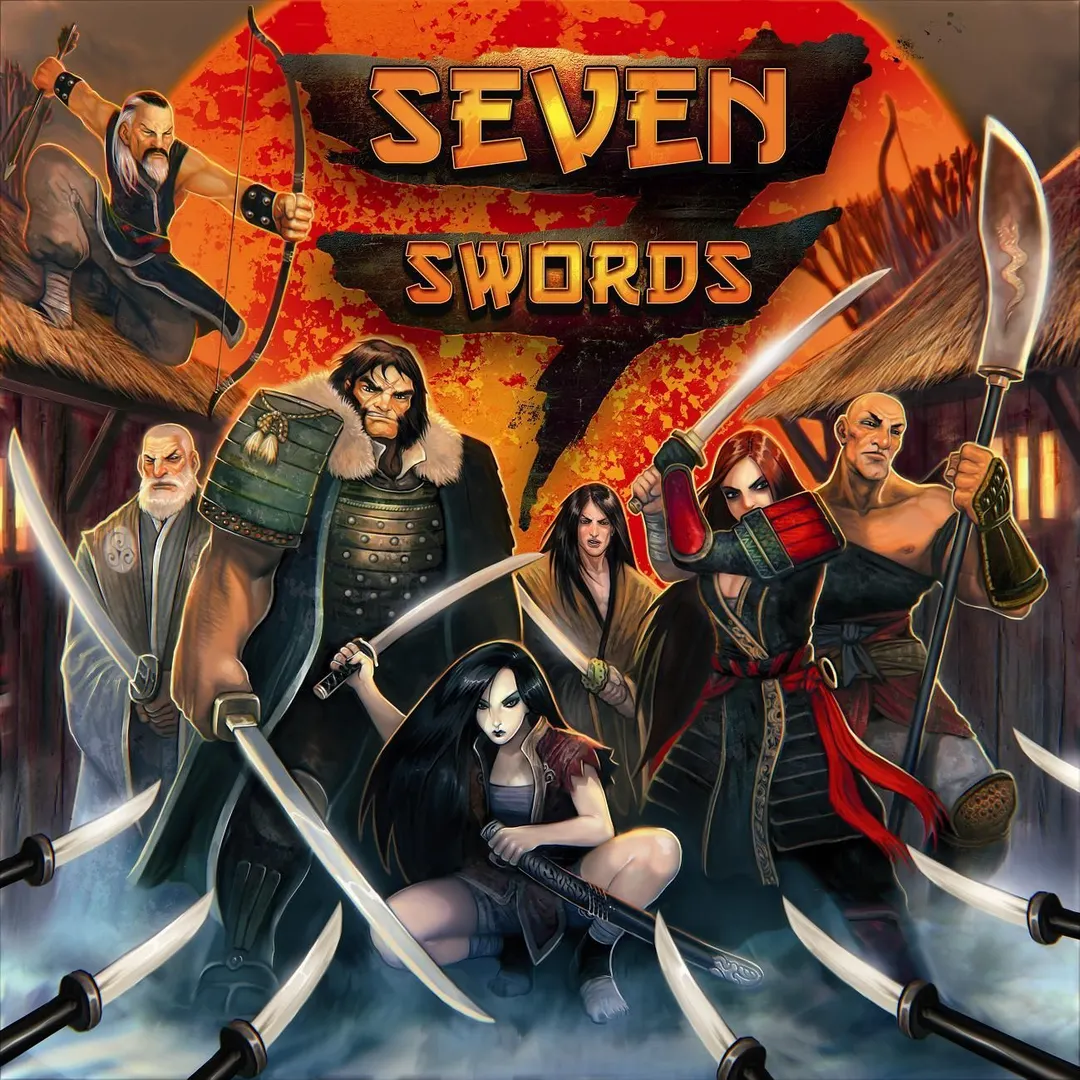
Seven Swords to gra planszowa wydana w 2013 roku dla 2 graczy, z rozgrywką trwającą 60 minut i dla osób od 14 lat. Projekt gry: Óscar Arévalo. Główne mechaniki: Variable Player Powers, Dice Rolling i Pick-up and Deliver.







Po angielsku
Seven honorable and brave samurai, aided by a handful of frightened villagers, are the only defenders of the village. Will you help these villagers to fend off bandits, or will you command the thieves to steal all the rice you can and punish the insolent peasants? Seven Swords is a game for two players in which one player controls seven samurai and the villagers to try to repel the attack of the evil villains while the other player controls the bandits who try to steal all the rice they can and destroy the village. The game lasts 18 turns, after which the player with the most victory points (VPs) wins. The samurai player begins the game with the VPs in the villagers' houses and rice stores, and the bandit player must attack peasant houses and steal rice to acquire these VPs. The bandit player can also earn extra points if he eliminates the samurai in combat. Each turns consists of two phases. The bandit, who plays first, has seven cards in hand that symbolize the seven sectors of the village. He discards a card to give himself a number of actions that turn, and he might receive additional actions from the samurai player. With these actions, the bandit can play different bandit troops – including infantry, archers and cavalry – with which he can then move around the village and attack the samurai, villagers and rice storage. The samurai player then chooses between five chips – combat, movement, leadership and two special action chips – to see how many actions that he has that turn. A samurai can perform three types of actions – attack, move, and use the villagers to attack bandits – but only one time for each samurai until one of the special chips has removed the counters of such action. The more actions that the samurai player performs, the more actions the bandit has. After a certain number of turns, the bandit player discards one of his action cards, then eliminates any samurai who is in the field of the discarded card. Other details in the game include bows that help players attack from a distance and fences that keep the bandits from just walking into the village. In addition to having a double-sided game board with different village layouts, the samurai player establishes the placement of villagers, fences, nows and rice storage at the start of each game, allowing for wide variability in gameplay.
Według katalogu Seven Swords obsługuje 2 graczy. To liczba graczy podana przez wydawcę, więc gra jest zaprojektowana dokładnie dla takiej liczby uczestników. Warianty dla grup innej wielkości, jeśli w ogóle istnieją, opisano w instrukcji twojego wydania; sprawdź ją uważnie, zanim przygotujesz inną konfigurację stołu.
Podany czas rozgrywki w Seven Swords wynosi 60 minut. To szacunek wydawcy dla pełnej partii. Rzeczywisty czas zależy od grupy, liczby graczy i znajomości zasad: pierwsze partie zwykle trwają dłużej, a doświadczone grupy kończą szybciej. Przygotowanie gry i tłumaczenie zasad nie są wliczone w ten szacunek.
Katalog podaje dla Seven Swords wiek od 14 lat. To zalecenie wydawcy, które uwzględnia wymagania dotyczące czytania, złożoność zasad i drobne elementy, a nie tylko tematykę. Młodsi gracze często mogą dołączyć z pomocą dorosłego; sprawdź zalecenie wiekowe swojego wydania i weź pod uwagę doświadczenie grupy z grami planszowymi.
Seven Swords ma ocenę złożoności 3,0 na 5 według graczy BoardGameGeek, co czyni ją grą średnio złożoną. Ocena pokazuje, ile znajomości zasad, planowania i podejmowania decyzji wymaga typowa rozgrywka. Cięższe gry wymagają dłuższego pierwszego tłumaczenia, dlatego przed wieczorem z grami warto skorzystać z przewodnika przygotowania.
Seven Swords należy do tych kategorii: Fighting. Główne mechaniki to Variable Player Powers, Dice Rolling i Pick-up and Deliver. Kategorie opisują temat i świat gry, a mechaniki to, co gracze faktycznie robią w swojej turze. Każda mechanika prowadzi do strony katalogu z podobnymi grami, co pomaga znaleźć coś porównywalnego na kolejny wieczór.
Autorzy wymienieni przy Seven Swords to: Óscar Arévalo. Te informacje pochodzą z opublikowanych danych gry i wskazują osoby odpowiedzialne za jej projekt, a nie ilustratorów czy wydawców. Strony autorów w MeepleRules zbierają inne tytuły tych samych twórców, co pomaga, gdy gra ci się podoba i szukasz podobnych.
W katalogu Seven Swords figuruje jako gra podstawowa. Można w nią grać samodzielnie, korzystając z elementów z pudełka, bez żadnego innego tytułu. Dodatki, jeśli istnieją, dokładają nową zawartość lub zasady i są wymienione w katalogu osobno, z odnośnikiem do tej gry podstawowej.