
- Pozycja w BGG
- BGG #11 431
- Ocena BGG
- 7,7
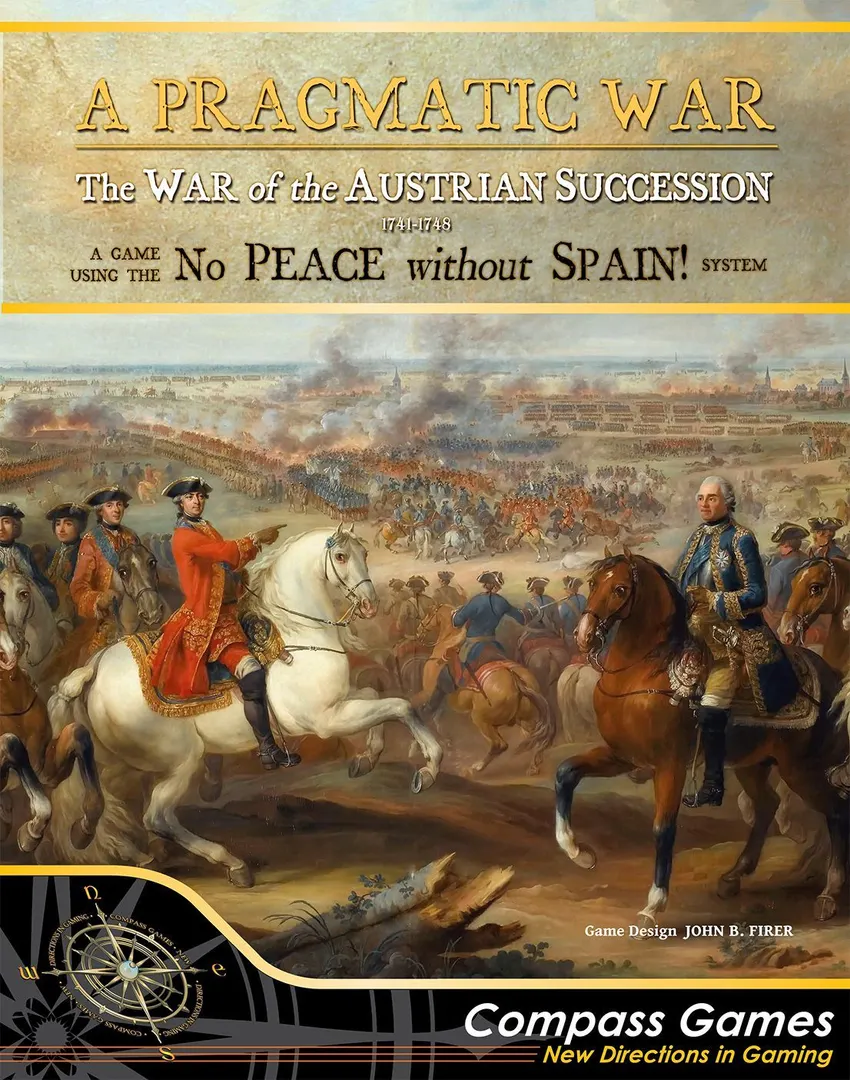
A Pragmatic War: The War of the Austrian Succession 1741 – 1748
- 2 graczy
- 180–300 min
- Złożoność 2,5/5
- 2019
2008
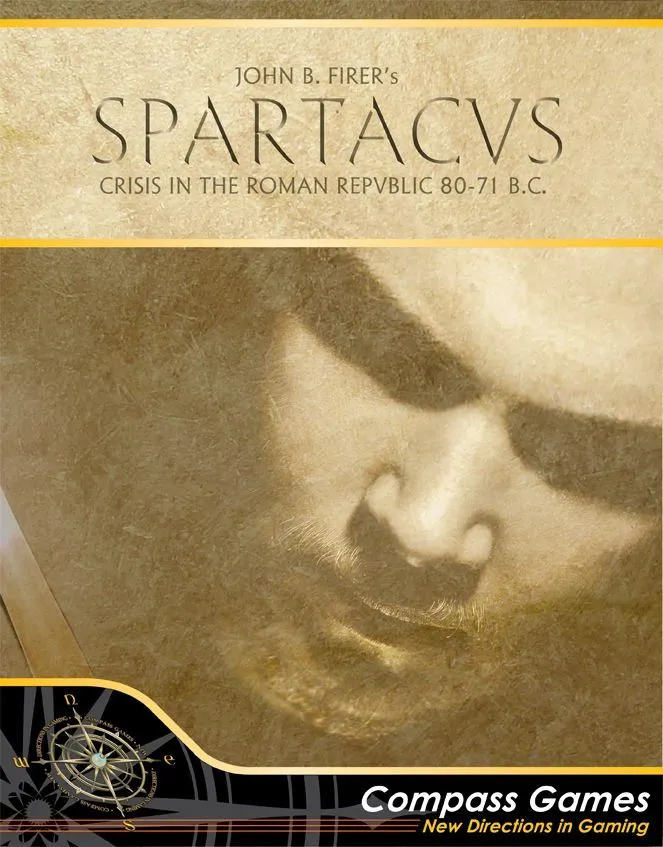
Pomoc w zasadach gry Spartacus: Crisis in the Roman Republic 80-71 B.C.
Zrozumiałe wyjaśnienia tur, efektów kart i spornych sytuacji z odnośnikami do oficjalnych źródeł i zapisaną historią pytań.
Dla 2 graczy
Co chcesz wiedzieć?
Odpowiedzi pochodzą z oficjalnej instrukcji, ze stroną do sprawdzenia.
Spartacus: Crisis in the Roman Republic 80-71 B.C. to gra planszowa wydana w 2008 roku dla 2 graczy, z rozgrywką trwającą 300 minut i dla osób od 12 lat. Projekt gry: John B. Firer. Główne mechaniki: Dice Rolling, Point to Point Movement i Simulation.
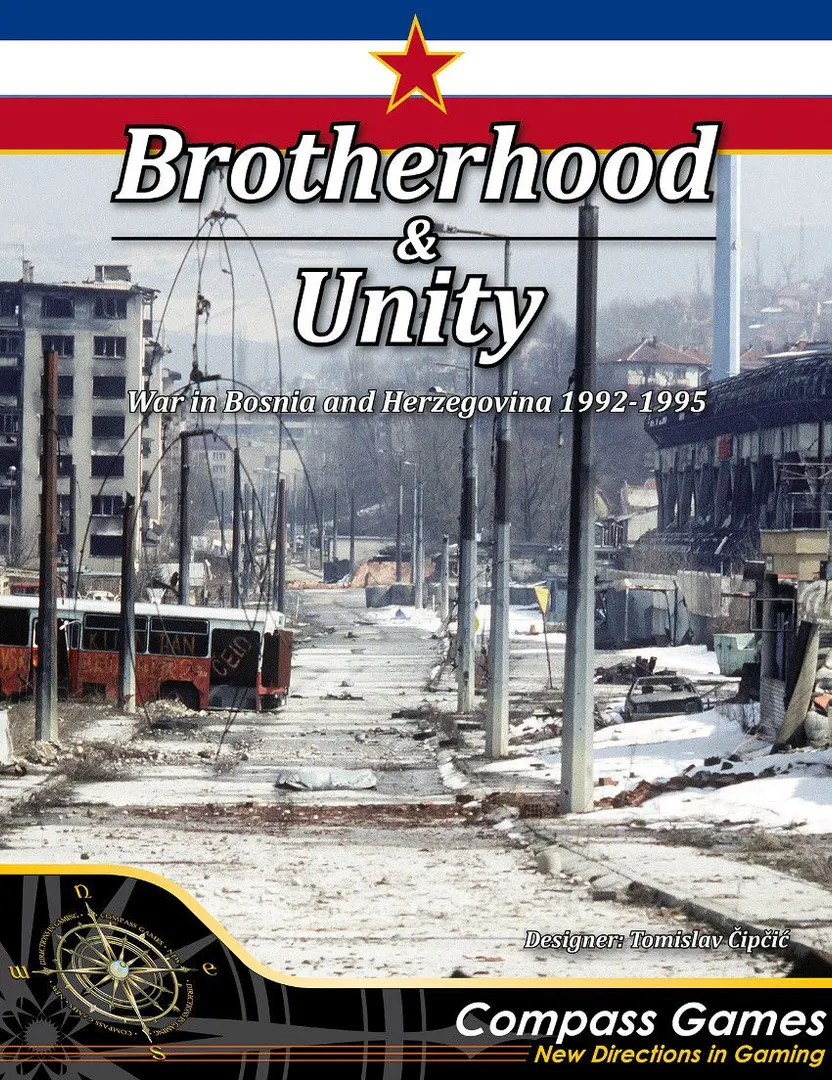
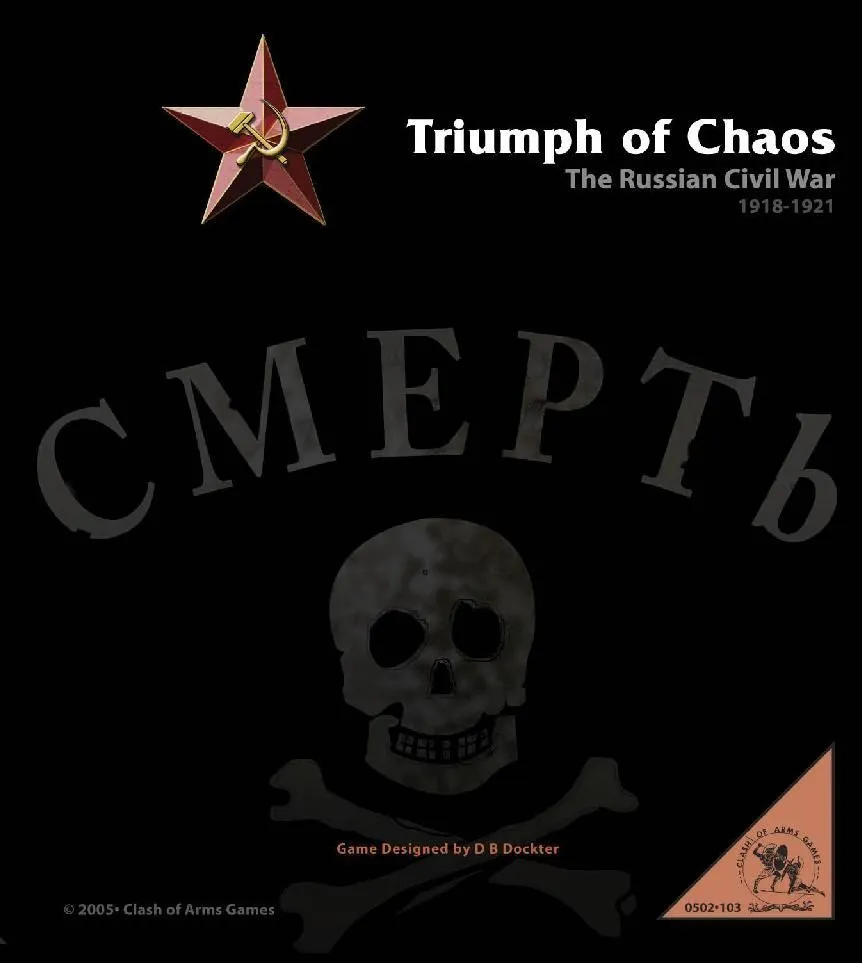
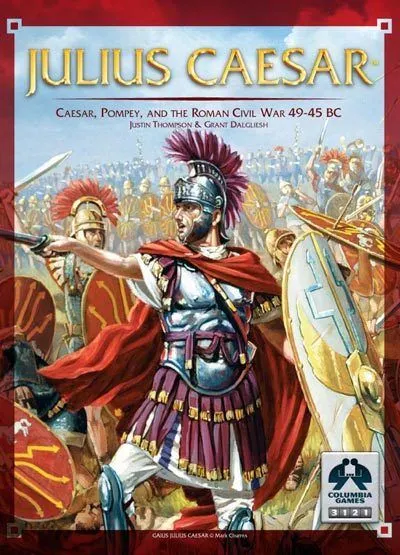
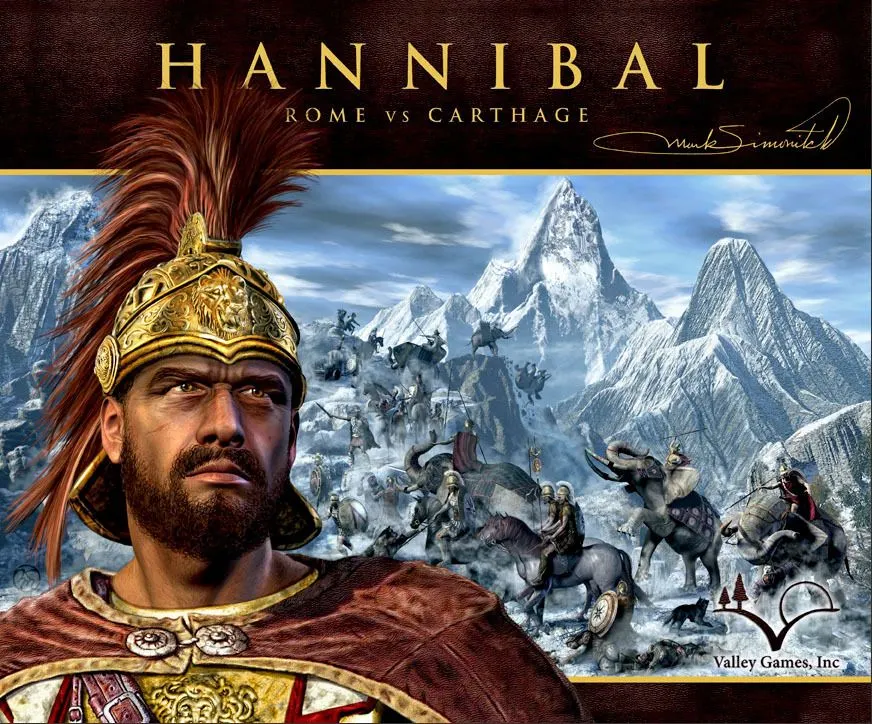


Po angielsku
From the Publisher's website: "Spartacus: Crisis in the Roman Republic 80-71 B.C." is a two player, Strategic level, Card-Driven, point-to-point board-wargame simulation pitting a loose coalition of forces under Sertorius against the Roman Republic as restructured under Sulla and his lieutenants. As the Sertorian coalition, your objective is to force the Republic into collapse in order to rebuild it as it was before the Sullans changed the constitution. This is done through putting pressure on the Republic by territorial conquests, by exacerbating the tensions in the Republic, forcing it to utilize the services of new, potential Sullas to counter your armies in the field, or by taking Rome itself! As the Republic, you must defeat and neutralize Sertorius quickly, before he can conclude an alliance with Mithradates VI and cause a two-front war. However, the levying of too many troops to fight the enemy coupled with the utilization of ambitious generals can bring on the very circumstances you are trying to avoid, collapse of the Republic. In addition, care must be taken with Italy itself because in the background, civil war looms in the guise of Lepidus, and even worse, a slave revolt under the able gladiator-leader, Spartacus. Both sides can battle their adversaries using conventional forces, conduct guerrilla and pacification operations with the intention of denying your opponent control of strategic spaces and provinces, and attempt to hasten or delay the political collapse of the Republic. The central mechanism that influences all actions in the simulation is the Republican Crisis Track, which monitors the level of crisis in the Republic. All actions on the battlefield, the state of the empire, the strain of recruiting legions and utilizing ambitious generals, and the use of power politics, are ultimately reflected on the Crisis Track. The Sertorians hope to move the track towards heightened crisis while the Republic hopes to keep it well away from a political collapse. In the end, if the Republic manages to avoid collapse, it can still lose by having a strong, Sertorian presence on the board. "Spartacus" requires the player to successfully exercise many facets of military-political acumen in order to defeat his opponent while preserving the most precious asset of all, survival.
Według katalogu Spartacus: Crisis in the Roman Republic 80-71 B.C. obsługuje 2 graczy. To liczba graczy podana przez wydawcę, więc gra jest zaprojektowana dokładnie dla takiej liczby uczestników. Warianty dla grup innej wielkości, jeśli w ogóle istnieją, opisano w instrukcji twojego wydania; sprawdź ją uważnie, zanim przygotujesz inną konfigurację stołu.
Podany czas rozgrywki w Spartacus: Crisis in the Roman Republic 80-71 B.C. wynosi 300 minut. To szacunek wydawcy dla pełnej partii. Rzeczywisty czas zależy od grupy, liczby graczy i znajomości zasad: pierwsze partie zwykle trwają dłużej, a doświadczone grupy kończą szybciej. Przygotowanie gry i tłumaczenie zasad nie są wliczone w ten szacunek.
Katalog podaje dla Spartacus: Crisis in the Roman Republic 80-71 B.C. wiek od 12 lat. To zalecenie wydawcy, które uwzględnia wymagania dotyczące czytania, złożoność zasad i drobne elementy, a nie tylko tematykę. Młodsi gracze często mogą dołączyć z pomocą dorosłego; sprawdź zalecenie wiekowe swojego wydania i weź pod uwagę doświadczenie grupy z grami planszowymi.
Spartacus: Crisis in the Roman Republic 80-71 B.C. ma ocenę złożoności 3,3 na 5 według graczy BoardGameGeek, co czyni ją grą średnio złożoną. Ocena pokazuje, ile znajomości zasad, planowania i podejmowania decyzji wymaga typowa rozgrywka. Cięższe gry wymagają dłuższego pierwszego tłumaczenia, dlatego przed wieczorem z grami warto skorzystać z przewodnika przygotowania.
Spartacus: Crisis in the Roman Republic 80-71 B.C. należy do tych kategorii: Wargame, Political i Ancient. Główne mechaniki to Dice Rolling, Point to Point Movement i Simulation. Kategorie opisują temat i świat gry, a mechaniki to, co gracze faktycznie robią w swojej turze. Każda mechanika prowadzi do strony katalogu z podobnymi grami, co pomaga znaleźć coś porównywalnego na kolejny wieczór.
Autorzy wymienieni przy Spartacus: Crisis in the Roman Republic 80-71 B.C. to: John B. Firer. Te informacje pochodzą z opublikowanych danych gry i wskazują osoby odpowiedzialne za jej projekt, a nie ilustratorów czy wydawców. Strony autorów w MeepleRules zbierają inne tytuły tych samych twórców, co pomaga, gdy gra ci się podoba i szukasz podobnych.
W katalogu Spartacus: Crisis in the Roman Republic 80-71 B.C. figuruje jako gra podstawowa. Można w nią grać samodzielnie, korzystając z elementów z pudełka, bez żadnego innego tytułu. Dodatki, jeśli istnieją, dokładają nową zawartość lub zasady i są wymienione w katalogu osobno, z odnośnikiem do tej gry podstawowej.