
- Pozycja w BGG
- BGG #7118
- Ocena BGG
- 7,0
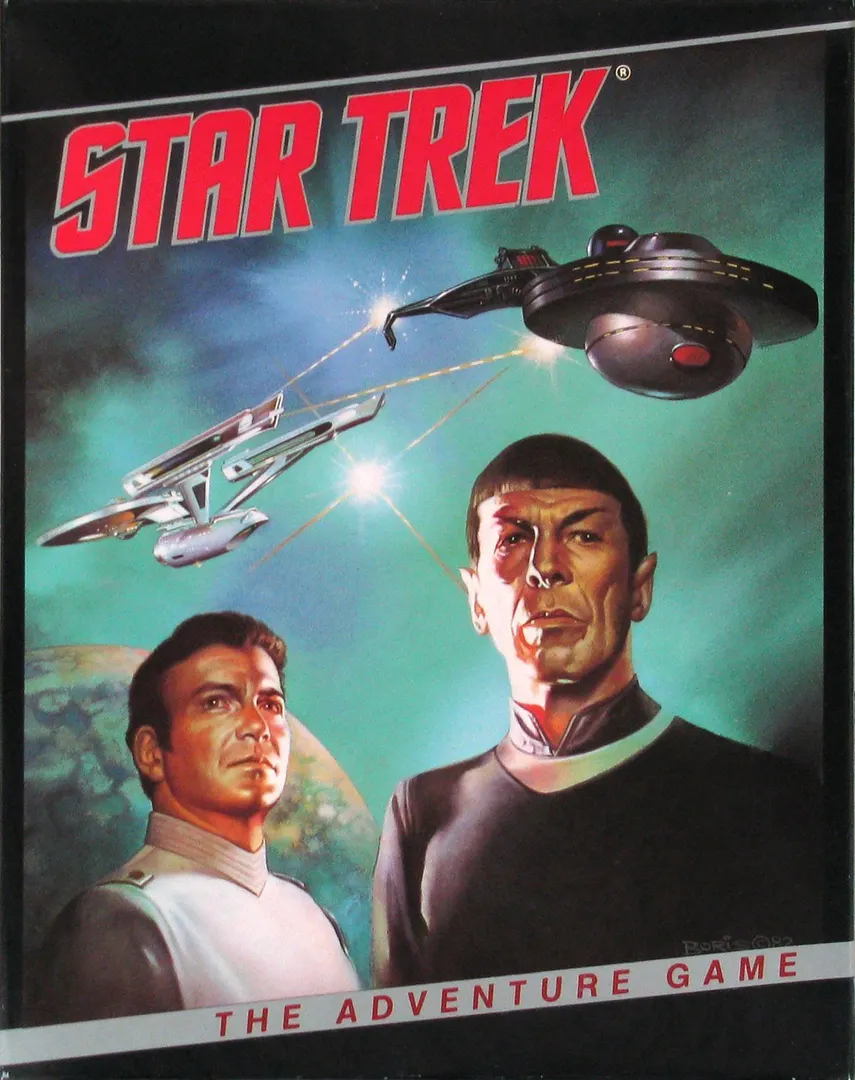
Star Trek: The Adventure Game
- 1–2 graczy
- 120 min
- Złożoność 2,2/5
- 1985
1985
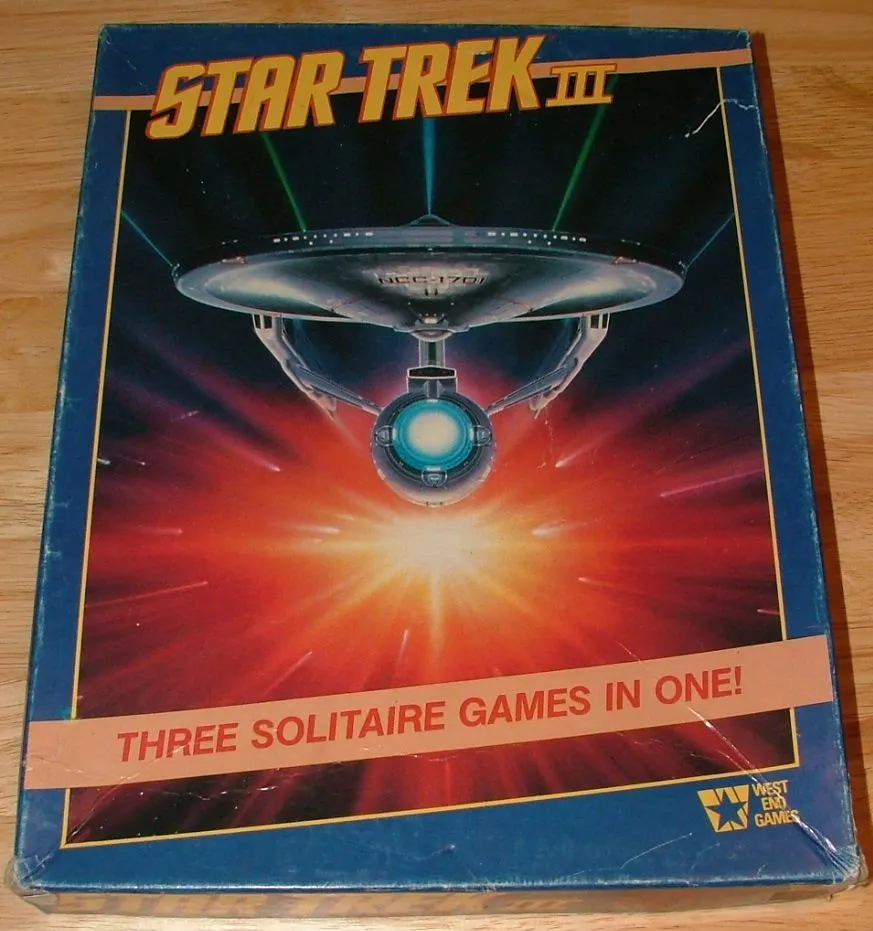
Pomoc w zasadach gry Star Trek III
Zrozumiałe wyjaśnienia tur, efektów kart i spornych sytuacji z odnośnikami do oficjalnych źródeł i zapisaną historią pytań.
Dla 1 gracza
Co chcesz wiedzieć?
Odpowiedzi pochodzą z oficjalnej instrukcji, ze stroną do sprawdzenia.
Star Trek III to gra planszowa wydana w 1985 roku dla 1 gracza, z rozgrywką trwającą 60 minut i dla osób od 12 lat. Projekt gry: Doug Kaufman, Ken Rolston, Greg Costikyan i John M. Ford. Główne mechaniki: Area Movement, Square Grid i Simulation.
%2Fpic6840166.jpg@webp)
Po angielsku
Set of three Star Trek themed solitaire games in one box, none of which has anything to do with the movie "Star Trek III", the number 3 being a reference to the three games included. In "The Sherwood Syndrome," the Enterprise crew must stop a renegade Federation sociologist who has set up a "king of the world" on a planet with medieval technology -- but they must do this *without* causing any further major disruptions to the planet's society. So you control them as they become the equivalent of Robin Hood and his merry men. Strange. In "The Kobayashi Maru," you take the infamous final Starfleet Academy test and see how far you can get. You can measure yourself against either the standard version of the test, which can't be beaten, or against Kirk's reprogrammed version of the test, which can. In "Free Enterprise," you as the Federation are competing with the Klingons for the allegiance of the Glista, a species obsessed with mercantile trade. You have two weeks to warp back and forth between the Glista worlds and out-trade the Klingons. Playing time is completely arbitrary; it will depend on which variety of which of these games you choose to play and how fast or methodically you choose to play it.
Według katalogu Star Trek III obsługuje 1 gracza. To liczba graczy podana przez wydawcę, więc gra jest zaprojektowana dokładnie dla takiej liczby uczestników. Warianty dla grup innej wielkości, jeśli w ogóle istnieją, opisano w instrukcji twojego wydania; sprawdź ją uważnie, zanim przygotujesz inną konfigurację stołu.
Podany czas rozgrywki w Star Trek III wynosi 60 minut. To szacunek wydawcy dla pełnej partii. Rzeczywisty czas zależy od grupy, liczby graczy i znajomości zasad: pierwsze partie zwykle trwają dłużej, a doświadczone grupy kończą szybciej. Przygotowanie gry i tłumaczenie zasad nie są wliczone w ten szacunek.
Katalog podaje dla Star Trek III wiek od 12 lat. To zalecenie wydawcy, które uwzględnia wymagania dotyczące czytania, złożoność zasad i drobne elementy, a nie tylko tematykę. Młodsi gracze często mogą dołączyć z pomocą dorosłego; sprawdź zalecenie wiekowe swojego wydania i weź pod uwagę doświadczenie grupy z grami planszowymi.
Star Trek III ma ocenę złożoności 2,1 na 5 według graczy BoardGameGeek, co czyni ją grą raczej lekką. Ocena pokazuje, ile znajomości zasad, planowania i podejmowania decyzji wymaga typowa rozgrywka. Cięższe gry wymagają dłuższego pierwszego tłumaczenia, dlatego przed wieczorem z grami warto skorzystać z przewodnika przygotowania.
Star Trek III należy do tych kategorii: Economic, Wargame i Movies / TV / Radio theme. Główne mechaniki to Area Movement, Square Grid i Simulation. Kategorie opisują temat i świat gry, a mechaniki to, co gracze faktycznie robią w swojej turze. Każda mechanika prowadzi do strony katalogu z podobnymi grami, co pomaga znaleźć coś porównywalnego na kolejny wieczór.
Autorzy wymienieni przy Star Trek III to: Doug Kaufman, Ken Rolston, Greg Costikyan i John M. Ford. Te informacje pochodzą z opublikowanych danych gry i wskazują osoby odpowiedzialne za jej projekt, a nie ilustratorów czy wydawców. Strony autorów w MeepleRules zbierają inne tytuły tych samych twórców, co pomaga, gdy gra ci się podoba i szukasz podobnych.
W katalogu Star Trek III figuruje jako gra podstawowa. Można w nią grać samodzielnie, korzystając z elementów z pudełka, bez żadnego innego tytułu. Dodatki, jeśli istnieją, dokładają nową zawartość lub zasady i są wymienione w katalogu osobno, z odnośnikiem do tej gry podstawowej.