
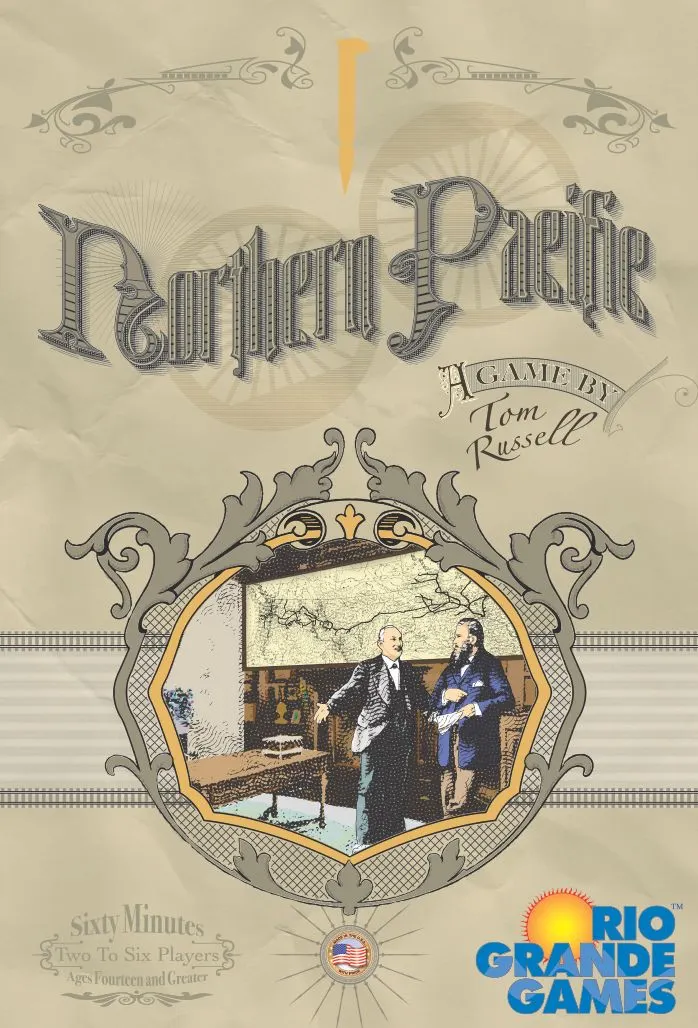
- Pozycja w BGG
- BGG #3016
- Ocena BGG
- 7,0
Northern Pacific
- 2–6 graczy
- 60 min
- Złożoność 1,4/5
- 2013
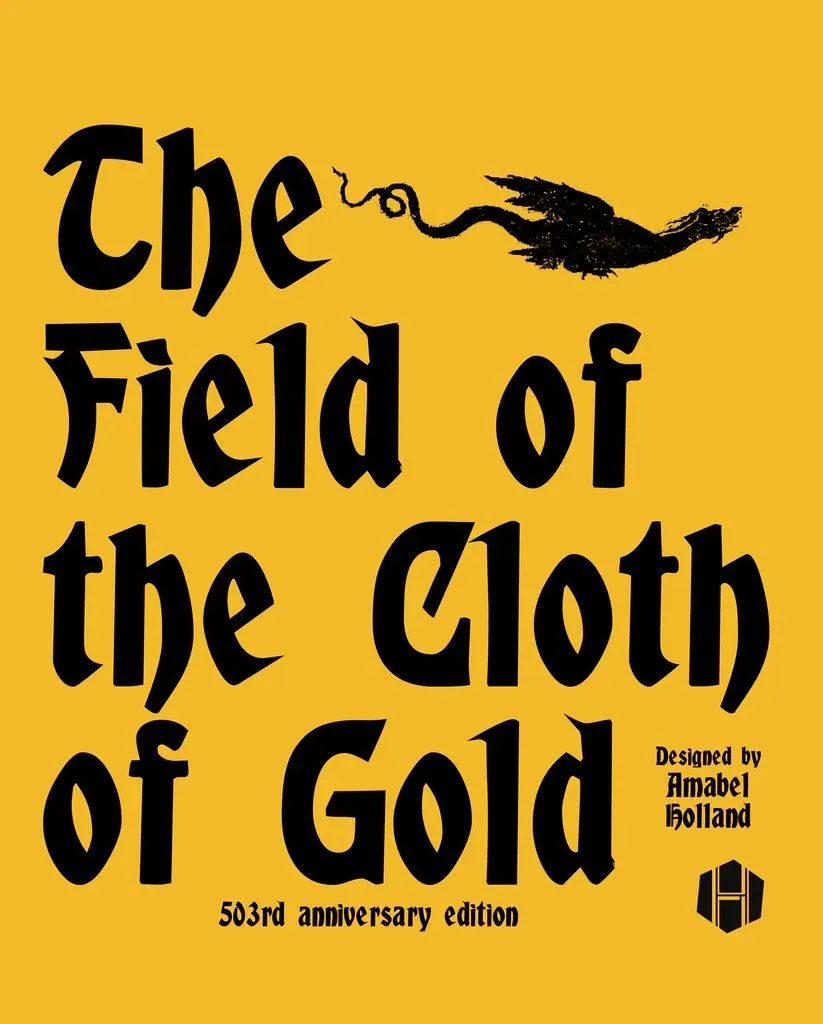
2020
Pomoc w zasadach gry The Field of the Cloth of Gold
Zrozumiałe wyjaśnienia tur, efektów kart i spornych sytuacji z odnośnikami do oficjalnych źródeł i zapisaną historią pytań.
Dla 2 graczy
Co chcesz wiedzieć?
Odpowiedzi pochodzą z oficjalnej instrukcji, ze stroną do sprawdzenia.
The Field of the Cloth of Gold to gra planszowa wydana w 2020 roku dla 2 graczy i z rozgrywką trwającą 20 minut. Projekt gry: Amabel Holland. Główne mechaniki: Set Collection i Worker Placement.
Po angielsku
In June 1520, at Balinghem, there met the young and glorious Kings of England and of France in a grand and splendid celebration of their mutual friendship and admiration. There were great feasts and opulent amusements, conspicuous expressions of deepest and sincerest piety, and fierce tournaments. Each King outshone the other in turn, so that the world might be astounded at the wealth and power of each kingdom. So many tents and raiments were made of precious cloth of gold, that the field is so named. This game was created to commemorate the five hundredth anniversary of the world’s most famous three-week party, in which King Henry VIII of England, and Francis I of France, spent ridiculous amounts of money and resources to peacock at each other. Through smiles made of gritted teeth, the game’s two players will express friendship: each action they take will give their opponent a tile that they might use to score. Scoring usually entails removing the tile from the game, so each player must take care to maximize their scoring opportunities while either denying them to their rival, or forcing their rival to score before they’re ready. Once the game is underway, players are generally given only two options, and both of those options are usually painful - even and sometimes especially when they score you points. A sort of subversion of the point salad paradigm, The Field of the Cloth of Gold harkens back to the feel of the classic German games of the 1990s: simple, elegant, austere, and politely vicious. The second edition of the game, dubbed the "503rd anniversary edition", includes a new jewel tile type. —description from the publisher
Według katalogu The Field of the Cloth of Gold obsługuje 2 graczy. To liczba graczy podana przez wydawcę, więc gra jest zaprojektowana dokładnie dla takiej liczby uczestników. Warianty dla grup innej wielkości, jeśli w ogóle istnieją, opisano w instrukcji twojego wydania; sprawdź ją uważnie, zanim przygotujesz inną konfigurację stołu.
Podany czas rozgrywki w The Field of the Cloth of Gold wynosi 20 minut. To szacunek wydawcy dla pełnej partii. Rzeczywisty czas zależy od grupy, liczby graczy i znajomości zasad: pierwsze partie zwykle trwają dłużej, a doświadczone grupy kończą szybciej. Przygotowanie gry i tłumaczenie zasad nie są wliczone w ten szacunek.
The Field of the Cloth of Gold ma ocenę złożoności 1,6 na 5 według graczy BoardGameGeek, co czyni ją grą lekką. Ocena pokazuje, ile znajomości zasad, planowania i podejmowania decyzji wymaga typowa rozgrywka. Cięższe gry wymagają dłuższego pierwszego tłumaczenia, dlatego przed wieczorem z grami warto skorzystać z przewodnika przygotowania.
The Field of the Cloth of Gold należy do tych kategorii: Renaissance. Główne mechaniki to Set Collection i Worker Placement. Kategorie opisują temat i świat gry, a mechaniki to, co gracze faktycznie robią w swojej turze. Każda mechanika prowadzi do strony katalogu z podobnymi grami, co pomaga znaleźć coś porównywalnego na kolejny wieczór.
Autorzy wymienieni przy The Field of the Cloth of Gold to: Amabel Holland. Te informacje pochodzą z opublikowanych danych gry i wskazują osoby odpowiedzialne za jej projekt, a nie ilustratorów czy wydawców. Strony autorów w MeepleRules zbierają inne tytuły tych samych twórców, co pomaga, gdy gra ci się podoba i szukasz podobnych.
W katalogu The Field of the Cloth of Gold figuruje jako gra podstawowa. Można w nią grać samodzielnie, korzystając z elementów z pudełka, bez żadnego innego tytułu. Dodatki, jeśli istnieją, dokładają nową zawartość lub zasady i są wymienione w katalogu osobno, z odnośnikiem do tej gry podstawowej.