
- Pozycja w BGG
- BGG #9836
- Ocena BGG
- 8,3
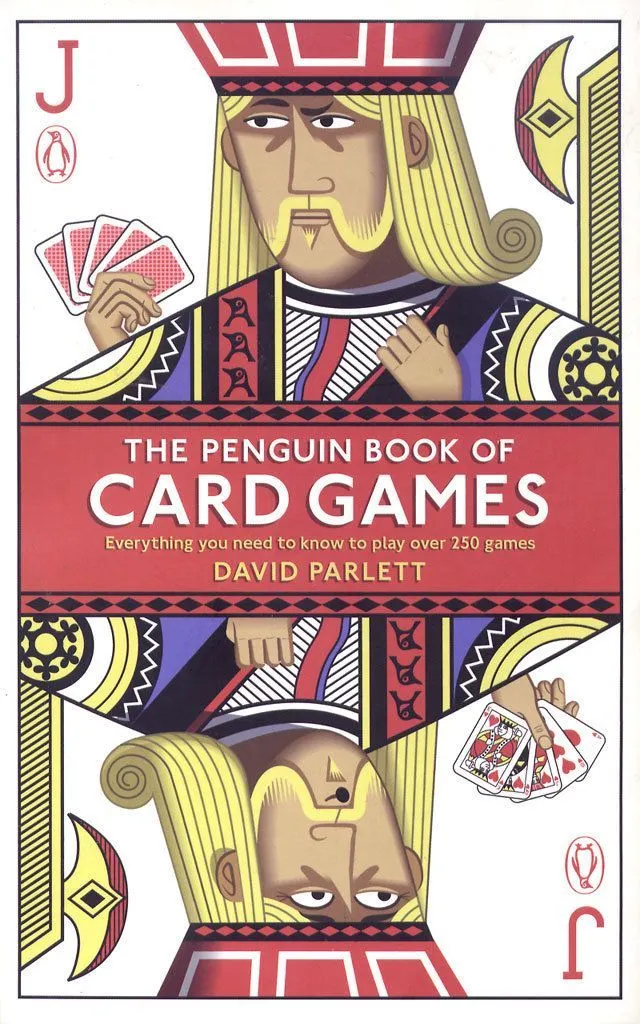
The Penguin Book of Card Games
- 2 graczy
- 5 min
- Złożoność 2,0/5
- 1979
2001
Pomoc w zasadach gry The Gnumies
Zrozumiałe wyjaśnienia tur, efektów kart i spornych sytuacji z odnośnikami do oficjalnych źródeł i zapisaną historią pytań.
Dla 2 graczy
Co chcesz wiedzieć?
Odpowiedzi pochodzą z oficjalnej instrukcji, ze stroną do sprawdzenia.
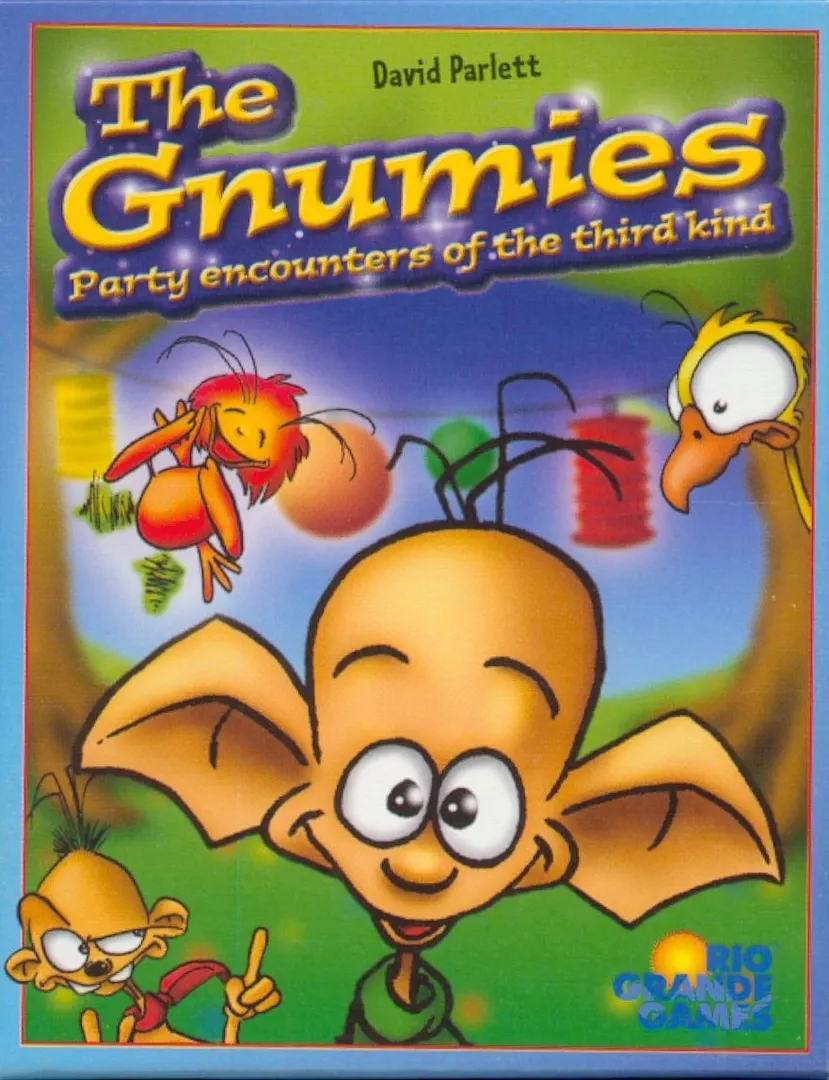
The Gnumies to gra planszowa wydana w 2001 roku dla 2–5 graczy, z rozgrywką trwającą 20 minut i dla osób od 8 lat. Projekt gry: David Parlett. Główne mechaniki: Hand Management, Set Collection i Auction / Bidding.
Po angielsku
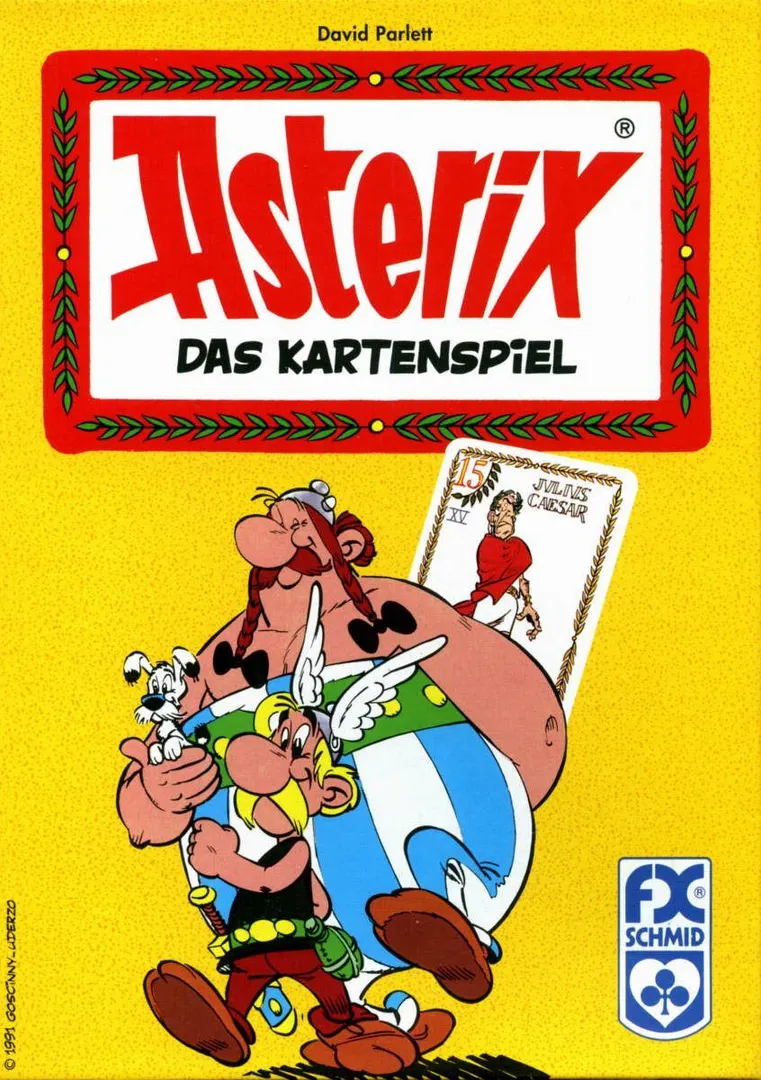
OVERVIEW: The Gnumies & their friends from the planet Gnum love big Parties! They like to see Borsis, Dancemites, Boggelors or Divalettis as guests at their parties. But no one wants the dreaded Wullawakis at his party. The Gnummies & their friends are shown on the Gnumies card, & the guests on the party cards. There are 4 of each party card valued from 1 to 10, & one of each party card valued from 11 to 15. The players try to win the most party cards, worth the most points, by playing their Gnumie cards. If a player has 2 or more party cards of the same value, their value multiplies, (2 of kind gets you 20 points, 3 of a kind 50 points and 4 of a kind 100 points). These of course can only be done with the cards that are valued from 1 to 10. A player who wins a Wullawaki, loses points. Having 1 Wullawaki will force you to lose the lowest valued party card that you have. Having 2 Wullawakis will force you to lose the highest valued party card in his party room. With 3 or more Wullawakis, the player will discard as many party cards as he has Wullawakis, (players choice in this case). Of course, the player with the most points at the end of the game is the WINNER!!! GAME PLAY: 1) Any player turns over the top-most card in the party supply stack. 2) Now each player selects a Gnumie card from his hand (Cards have a value from 10 to 100), and places it face-down in front of him (in his Party Room!). When all players have placed their bids face-down on the table, all players then reveal their bids. 3) The player who played the highest valued bid in his party room wins the face-up party card. 4) If 2 or more players tie with the highest bid, the player who has the the most Luckynits (small figures at the bottom of each Gnumie card), wins the party card. 5) The player who wins the party card must discard the Gnumie card that he won with that bid. 6) The other players take back their losing bid party cards. The round is now over and we repeat with Step 1 again. 7) There is a little twist in the bidding when the Wullawaki card (bad card) comes out. The player with the highest Gnumie card still wins the Wullawaki card, but gets to take back his Gnumie card into his hand and the other players lose their Gnumie cards! 8) The is also a "WILD CARD" in this game. It is called the "COPICASTOR". It is a card used to make at least a pair of party cards. The Copicastor takes on the form of the lowest valued party card that the player has in his party room. This insures that a player will have at least a pair of cards and also make the low valued cards somewhat valuable to have, since some people may avoid making a high bid on a low value card. But, if you get this Copicastor it makes that low valued card at least worth 20 points (for a pair). 9) The game ends when 1 player is left with his Gnumie cards. Since, he can't bid against anybody else, he takes the top most party cards as he has Gnumie cards in his hand. 10) Scoring is based on attaining pairs, three-of-a-kind & 4-of-a-kind of the numbered party cards that the players bid on (check the Overview paragraph above). If no pairs are attained, the value of that card is scored. So, if you have two 5-point cards, you score 20 Points for having a pair. But, if you have only one 5-point card you score 5 points! 10) The player with the most points at the end of the game wins!!! Ages 8 and up Re-implements: Asterix: Das Kartenspiel
Według katalogu The Gnumies obsługuje od 2 do 5 graczy. Ten zakres odpowiada liczbie graczy podanej przez wydawcę, więc grę można przygotować dla dowolnej grupy w jego granicach. Przygotowanie, niektóre zasady i punktacja mogą jednak różnić się w zależności od liczby graczy; dokładną konfigurację sprawdź w instrukcji swojego wydania.
Podany czas rozgrywki w The Gnumies wynosi 20 minut. To szacunek wydawcy dla pełnej partii. Rzeczywisty czas zależy od grupy, liczby graczy i znajomości zasad: pierwsze partie zwykle trwają dłużej, a doświadczone grupy kończą szybciej. Przygotowanie gry i tłumaczenie zasad nie są wliczone w ten szacunek.
Katalog podaje dla The Gnumies wiek od 8 lat. To zalecenie wydawcy, które uwzględnia wymagania dotyczące czytania, złożoność zasad i drobne elementy, a nie tylko tematykę. Młodsi gracze często mogą dołączyć z pomocą dorosłego; sprawdź zalecenie wiekowe swojego wydania i weź pod uwagę doświadczenie grupy z grami planszowymi.
The Gnumies ma ocenę złożoności 1,2 na 5 według graczy BoardGameGeek, co czyni ją grą lekką. Ocena pokazuje, ile znajomości zasad, planowania i podejmowania decyzji wymaga typowa rozgrywka. Cięższe gry wymagają dłuższego pierwszego tłumaczenia, dlatego przed wieczorem z grami warto skorzystać z przewodnika przygotowania.
The Gnumies należy do tych kategorii: Card Game i Fantasy. Główne mechaniki to Hand Management, Set Collection i Auction / Bidding. Kategorie opisują temat i świat gry, a mechaniki to, co gracze faktycznie robią w swojej turze. Każda mechanika prowadzi do strony katalogu z podobnymi grami, co pomaga znaleźć coś porównywalnego na kolejny wieczór.
Autorzy wymienieni przy The Gnumies to: David Parlett. Te informacje pochodzą z opublikowanych danych gry i wskazują osoby odpowiedzialne za jej projekt, a nie ilustratorów czy wydawców. Strony autorów w MeepleRules zbierają inne tytuły tych samych twórców, co pomaga, gdy gra ci się podoba i szukasz podobnych.
W katalogu The Gnumies figuruje jako gra podstawowa. Można w nią grać samodzielnie, korzystając z elementów z pudełka, bez żadnego innego tytułu. Dodatki, jeśli istnieją, dokładają nową zawartość lub zasady i są wymienione w katalogu osobno, z odnośnikiem do tej gry podstawowej.