
- Pozycja w BGG
- BGG #5546
- Ocena BGG
- 7,2
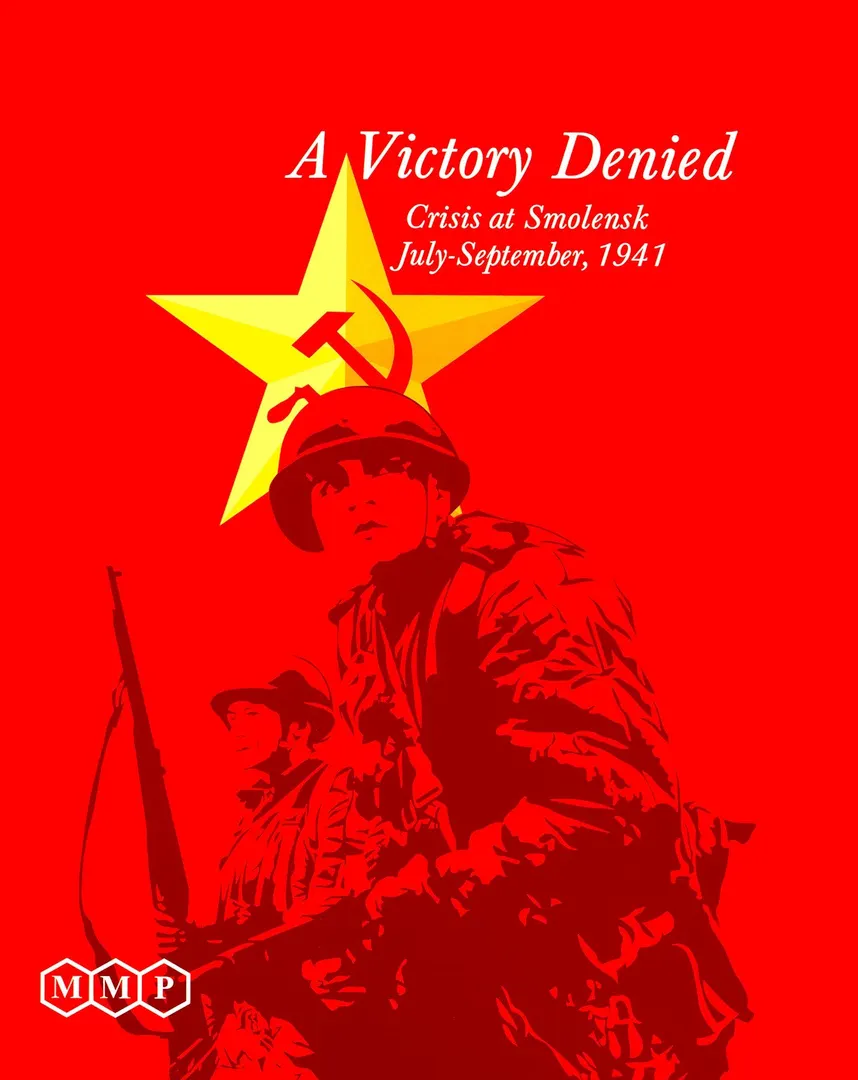
A Victory Denied: Crisis at Smolensk, July-September, 1941
- 2 graczy
- 240 min
- Złożoność 2,6/5
- 2009
2010
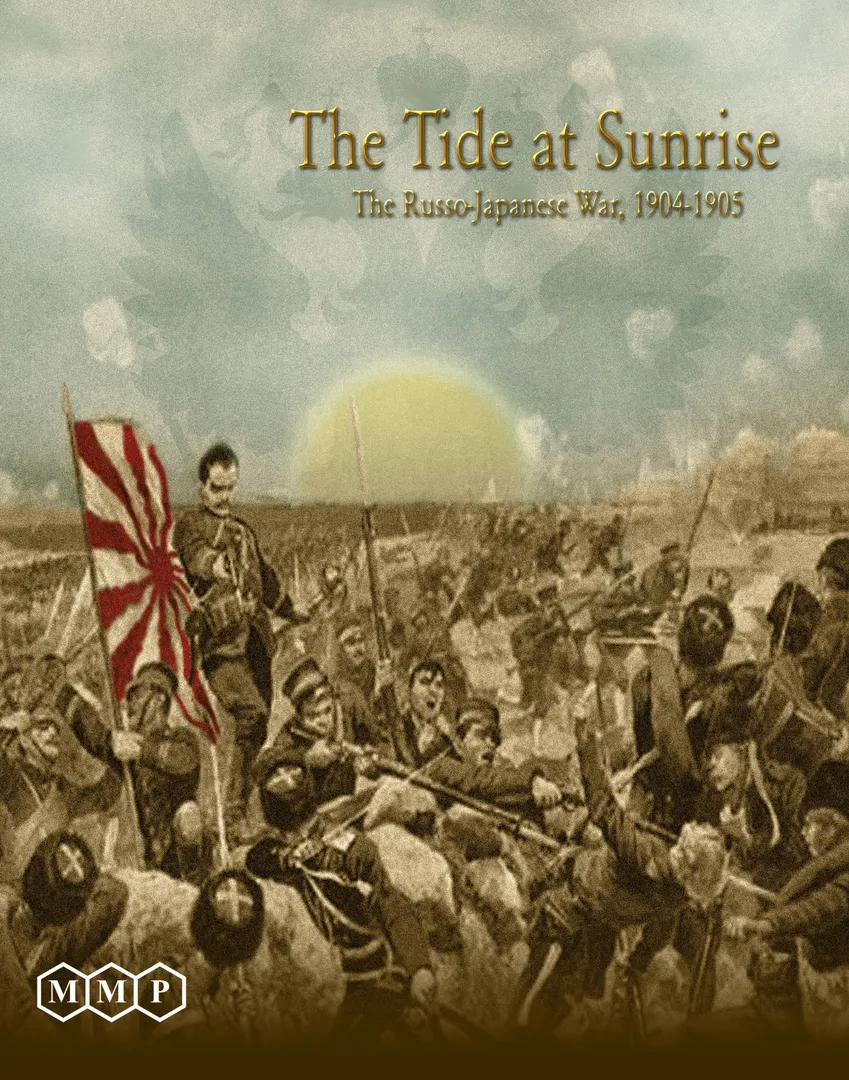
Pomoc w zasadach gry The Tide at Sunrise: The Russo-Japanese War, 1904-1905
Zrozumiałe wyjaśnienia tur, efektów kart i spornych sytuacji z odnośnikami do oficjalnych źródeł i zapisaną historią pytań.
Dla 2 graczy
Co chcesz wiedzieć?
Odpowiedzi pochodzą z oficjalnej instrukcji, ze stroną do sprawdzenia.
The Tide at Sunrise: The Russo-Japanese War, 1904-1905 to gra planszowa wydana w 2010 roku dla 2 graczy, z rozgrywką trwającą 240 minut i dla osób od 12 lat. Projekt gry: Adam Starkweather i Yukihiro Kuroda. Główne mechaniki: Dice Rolling, Hexagon Grid i Simulation.


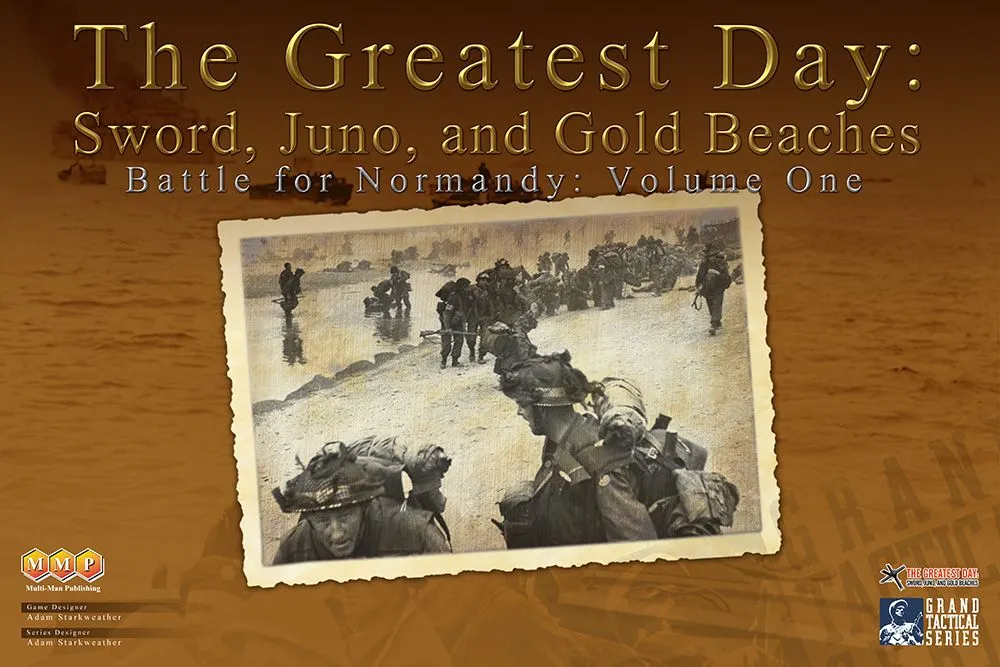

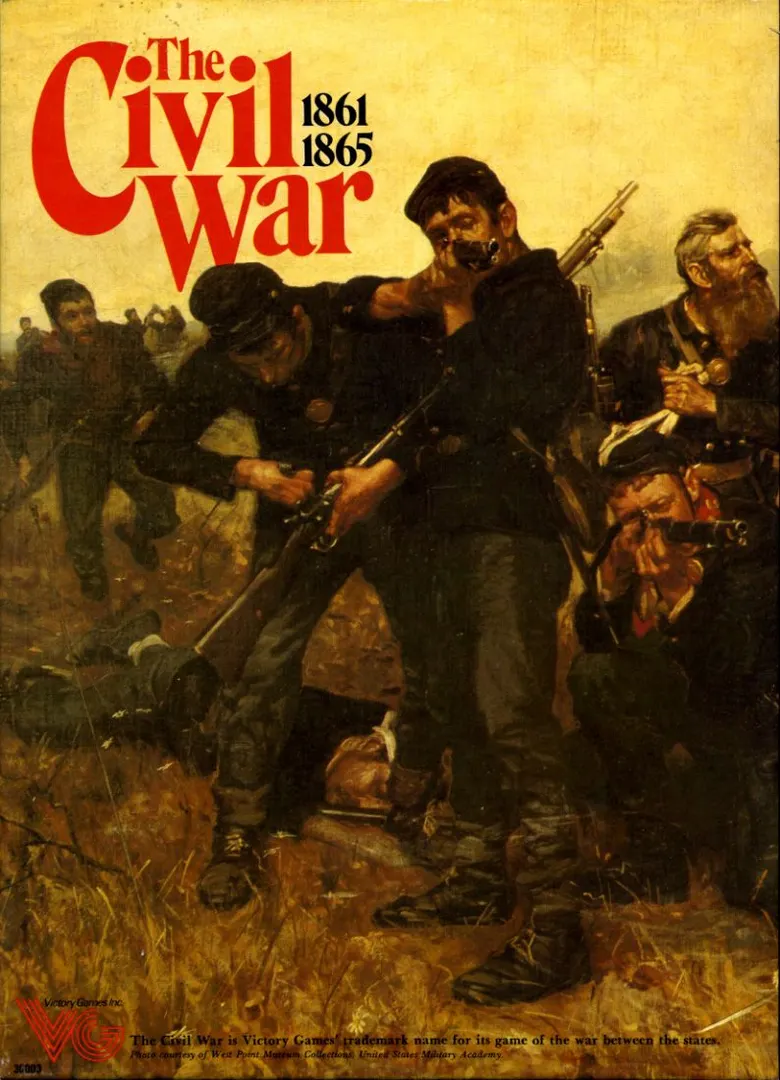
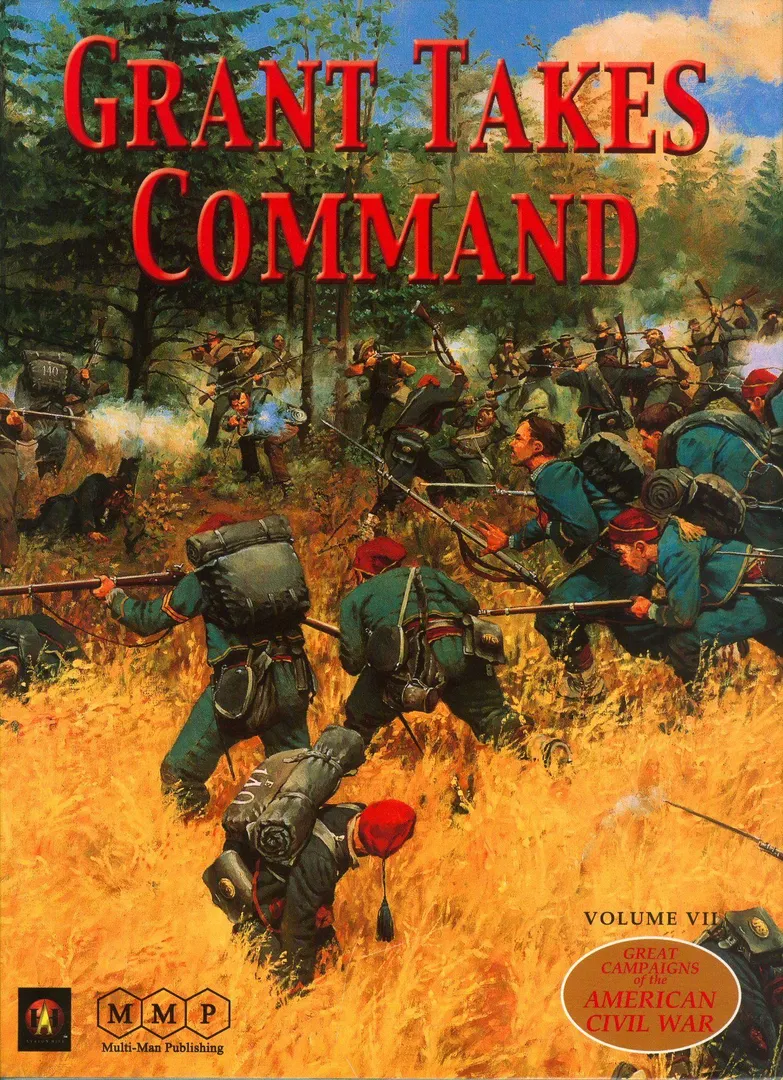

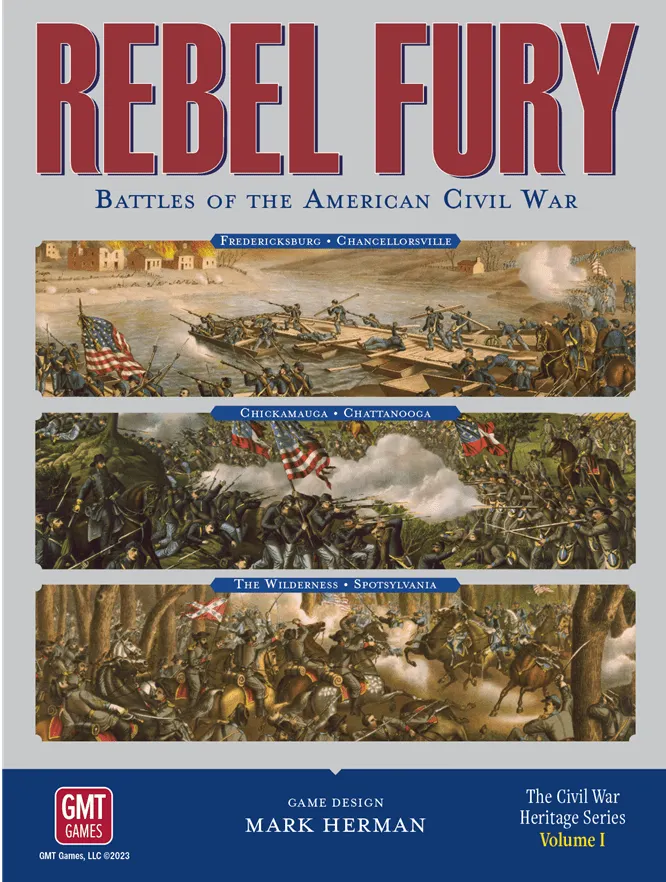
Po angielsku
(from Multi-Man Publishing web site:) Tide at Sunrise continues the philosophy that began with A Victory Lost. Using tried and true mechanics but with some major twists, Tide at Sunrise will be a major test of player skill that is rarely seen in the wargaming hobby. Here, the base system is little more than the tried and true game from SPI called Napoleon at Waterloo. But not all is at it seems. Here is the sequence of play: Japanese Player Turn * Naval Phase * Transport Allocation * Movement Phase * Combat Phase * Replacement and Recovery Russian Player Turn * Colonel Akashi Secret Operations Phase * Transport Allocation Phase * Movement Phase * Combat Phase * Supply and Recovery Phase After the completion of both Player Turns, victory points are determined and, if the Japanese have not won a sudden death win, play continues to the next turn. The game focuses on two aspects of the actual event. Players have to manage their armies using an abstract logistical system called “Transport Points” in the game. The Japanese Transport Points are an abstraction of the merchant marine force that the Japanese had available in 1904 and 1905. This can be disrupted from Russian naval activity. The Russian Transport Points are an abstraction of the rail capacity of the newly built Trans-Siberian Railroad. Weather can affect this total if there are heavy snows in Siberia. Colonel Akashi can also stir up trouble and reduce the available Russian Transport totals with sudden strikes and riots in the Russian heartland. Both players use these points to bring on new forces and to replace battlefield losses. Finding the right balance of the two uses is key to being successful in the game. Secondly, players must find the delicate balance between defending and attacking on two separate fronts. How much defends and attacks towards the all-important port of Port Arthur and how much attacks or holds the tough mountain passes of Manchuria - the key to the open plains to the north – where terrain is less defensible and victory points are everywhere. Victory in the game is determined by success in the naval war, the capture of key terrain objectives and enemy losses. Game components: * One 22” by 39” full color map * 140 1/2” land formation counters * 44 1 1/4” by 5/8” ship counters * 16 page full color rulebook Game summary: * Playtime: 3-5 hours * Complexity: Simple * Solitaire rating: excellent Game scale: * Turns: 12 (each turn represents one month of real time) * Counters: Divisions and Brigades for the land units, Capital Ships for the naval units * Hex scale: 10 kilometers Game Credits: * Designer: Yukihiro Kuroda * Developer: Adam Starkweather * Graphic Artist: Niko Eskubi
Według katalogu The Tide at Sunrise: The Russo-Japanese War, 1904-1905 obsługuje 2 graczy. To liczba graczy podana przez wydawcę, więc gra jest zaprojektowana dokładnie dla takiej liczby uczestników. Warianty dla grup innej wielkości, jeśli w ogóle istnieją, opisano w instrukcji twojego wydania; sprawdź ją uważnie, zanim przygotujesz inną konfigurację stołu.
Podany czas rozgrywki w The Tide at Sunrise: The Russo-Japanese War, 1904-1905 wynosi 240 minut. To szacunek wydawcy dla pełnej partii. Rzeczywisty czas zależy od grupy, liczby graczy i znajomości zasad: pierwsze partie zwykle trwają dłużej, a doświadczone grupy kończą szybciej. Przygotowanie gry i tłumaczenie zasad nie są wliczone w ten szacunek.
Katalog podaje dla The Tide at Sunrise: The Russo-Japanese War, 1904-1905 wiek od 12 lat. To zalecenie wydawcy, które uwzględnia wymagania dotyczące czytania, złożoność zasad i drobne elementy, a nie tylko tematykę. Młodsi gracze często mogą dołączyć z pomocą dorosłego; sprawdź zalecenie wiekowe swojego wydania i weź pod uwagę doświadczenie grupy z grami planszowymi.
The Tide at Sunrise: The Russo-Japanese War, 1904-1905 ma ocenę złożoności 2,3 na 5 według graczy BoardGameGeek, co czyni ją grą raczej lekką. Ocena pokazuje, ile znajomości zasad, planowania i podejmowania decyzji wymaga typowa rozgrywka. Cięższe gry wymagają dłuższego pierwszego tłumaczenia, dlatego przed wieczorem z grami warto skorzystać z przewodnika przygotowania.
The Tide at Sunrise: The Russo-Japanese War, 1904-1905 należy do tych kategorii: Wargame i Post-Napoleonic. Główne mechaniki to Dice Rolling, Hexagon Grid i Simulation. Kategorie opisują temat i świat gry, a mechaniki to, co gracze faktycznie robią w swojej turze. Każda mechanika prowadzi do strony katalogu z podobnymi grami, co pomaga znaleźć coś porównywalnego na kolejny wieczór.
Autorzy wymienieni przy The Tide at Sunrise: The Russo-Japanese War, 1904-1905 to: Adam Starkweather i Yukihiro Kuroda. Te informacje pochodzą z opublikowanych danych gry i wskazują osoby odpowiedzialne za jej projekt, a nie ilustratorów czy wydawców. Strony autorów w MeepleRules zbierają inne tytuły tych samych twórców, co pomaga, gdy gra ci się podoba i szukasz podobnych.
W katalogu The Tide at Sunrise: The Russo-Japanese War, 1904-1905 figuruje jako gra podstawowa. Można w nią grać samodzielnie, korzystając z elementów z pudełka, bez żadnego innego tytułu. Dodatki, jeśli istnieją, dokładają nową zawartość lub zasady i są wymienione w katalogu osobno, z odnośnikiem do tej gry podstawowej.