
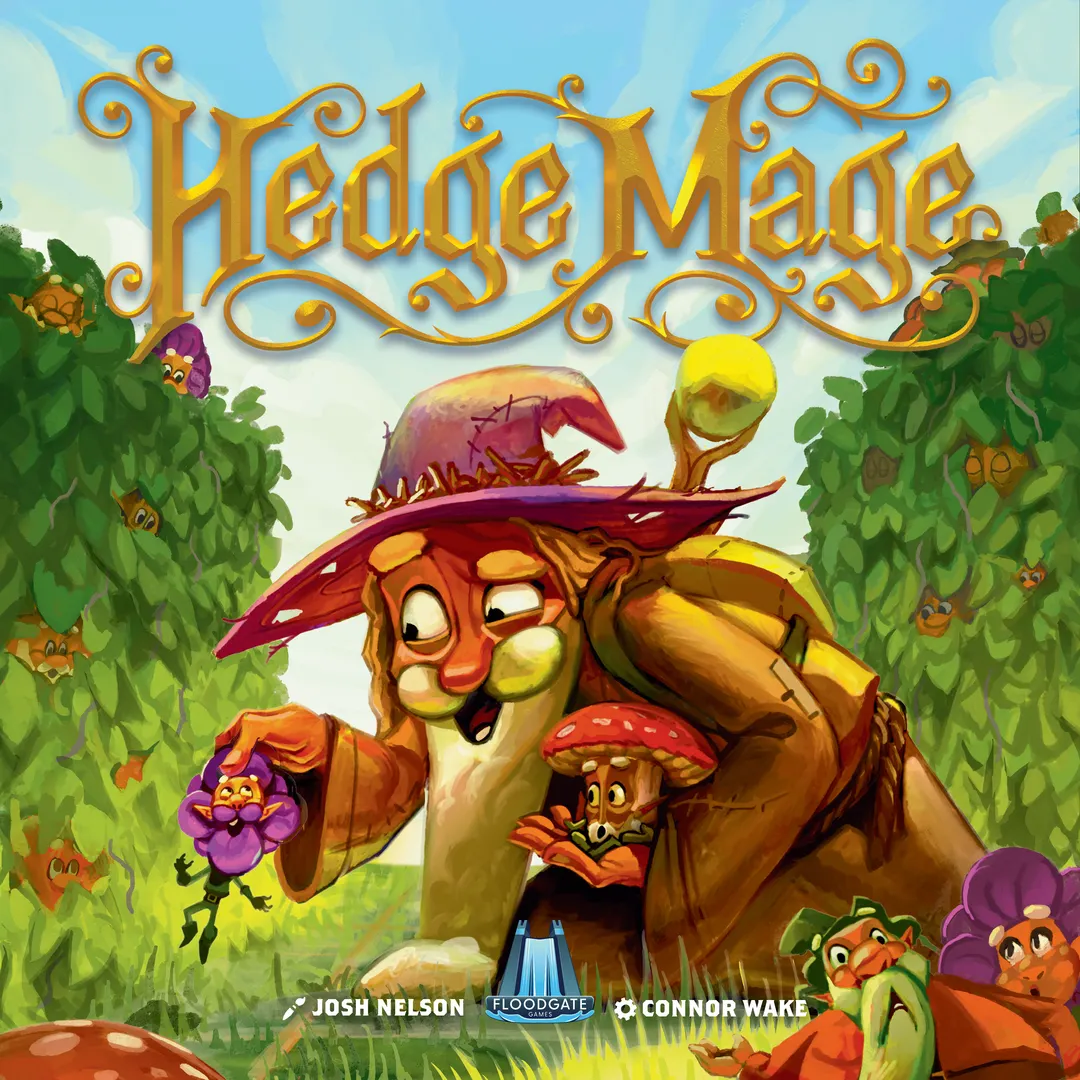
- Pozycja w BGG
- BGG #14 776
- Ocena BGG
- 6,8
Hedge Mage
- 2–4 graczy
- 30–45 min
- Złożoność 2,7/5
- 2025

2021
Pomoc w zasadach gry Umbra Via
Zrozumiałe wyjaśnienia tur, efektów kart i spornych sytuacji z odnośnikami do oficjalnych źródeł i zapisaną historią pytań.
Dla 2 graczy
Co chcesz wiedzieć?
Odpowiedzi pochodzą z oficjalnej instrukcji, ze stroną do sprawdzenia.
Umbra Via to gra planszowa wydana w 2021 roku dla 2–4 graczy, z rozgrywką trwającą 30–45 minut i dla osób od 8 lat. Projekt gry: Connor Wake. Główne mechaniki: Auction / Bidding, Area Majority / Influence i Tile Placement.







Po angielsku
Just beyond the towering vines lies an ancient pathway into the unknown. Push back the thorn-riddled stocks to discover a clandestine garden, blooming with mysterious vigor. Vivid colors mark the way to intricate tiles zigging and zagging through the green. Within the flowers lies the key to greater meaning. An explanation for all things unknown... In Umbra Via, players compete to control and complete the most cunning paths. Reach into your bag to select wooden flowers, then place them on your secret board in the order of the paths you want most. But when players reveal their choices, things get delightfully tricky. Experience the magic of Umbra Via and find out why this award-winning design belongs on any table. In more detail, at the start of each round four tiles are revealed from the deck, with each tile showing part of a path, e.g., a straight line, a curve, or a T. Players secretly draw three cubes from their bag and place them on spaces on their personal board corresponding to these tiles. They all reveal their choices, move their cubes to the chosen tiles, then secretly place three more cubes, then move those cubes to the tiles. Whichever tile ends up with the fewest cubes on it is placed in the 4x4 grid first, maintaining the same orientation, by the player who bid the most cubes on that tile. (Some cubes in your bag are worth two cubes during the bidding phase, but are then removed from the tile and returned to your bag prior to placement.) Then the next tile is placed on the grid, and so on. When you place a tile, if all the "open" ends of that path are cut off — whether by the edge of the board or other tiles — you count how many cubes each player has on the path. The player with the most placed cubes retrieves "double-bidding" cubes from the reserve equal to the number of tiles in the path, adding these cubes and all other cubes to their bag. The player with the secondmost cubes on the path retrieves half this many "double-bidding" cubes, and so on. After removing and returning all the cubes on this path, remove the tiles from the grid, placing them in a discard pile. As soon as a player has retrieved all of their "double-bidding" cubes from the reserve, they win!
Według katalogu Umbra Via obsługuje od 2 do 4 graczy. Ten zakres odpowiada liczbie graczy podanej przez wydawcę, więc grę można przygotować dla dowolnej grupy w jego granicach. Przygotowanie, niektóre zasady i punktacja mogą jednak różnić się w zależności od liczby graczy; dokładną konfigurację sprawdź w instrukcji swojego wydania.
Podany czas rozgrywki w Umbra Via wynosi 30–45 minut. To szacunek wydawcy dla pełnej partii. Rzeczywisty czas zależy od grupy, liczby graczy i znajomości zasad: pierwsze partie zwykle trwają dłużej, a doświadczone grupy kończą szybciej. Przygotowanie gry i tłumaczenie zasad nie są wliczone w ten szacunek.
Katalog podaje dla Umbra Via wiek od 8 lat. To zalecenie wydawcy, które uwzględnia wymagania dotyczące czytania, złożoność zasad i drobne elementy, a nie tylko tematykę. Młodsi gracze często mogą dołączyć z pomocą dorosłego; sprawdź zalecenie wiekowe swojego wydania i weź pod uwagę doświadczenie grupy z grami planszowymi.
Umbra Via ma ocenę złożoności 2,0 na 5 według graczy BoardGameGeek, co czyni ją grą raczej lekką. Ocena pokazuje, ile znajomości zasad, planowania i podejmowania decyzji wymaga typowa rozgrywka. Cięższe gry wymagają dłuższego pierwszego tłumaczenia, dlatego przed wieczorem z grami warto skorzystać z przewodnika przygotowania.
Umbra Via należy do tych kategorii: Abstract Strategy. Główne mechaniki to Auction / Bidding, Area Majority / Influence i Tile Placement. Kategorie opisują temat i świat gry, a mechaniki to, co gracze faktycznie robią w swojej turze. Każda mechanika prowadzi do strony katalogu z podobnymi grami, co pomaga znaleźć coś porównywalnego na kolejny wieczór.
Autorzy wymienieni przy Umbra Via to: Connor Wake. Te informacje pochodzą z opublikowanych danych gry i wskazują osoby odpowiedzialne za jej projekt, a nie ilustratorów czy wydawców. Strony autorów w MeepleRules zbierają inne tytuły tych samych twórców, co pomaga, gdy gra ci się podoba i szukasz podobnych.
W katalogu Umbra Via figuruje jako gra podstawowa. Można w nią grać samodzielnie, korzystając z elementów z pudełka, bez żadnego innego tytułu. Dodatki, jeśli istnieją, dokładają nową zawartość lub zasady i są wymienione w katalogu osobno, z odnośnikiem do tej gry podstawowej.