
- Ocena BGG
- 8,3
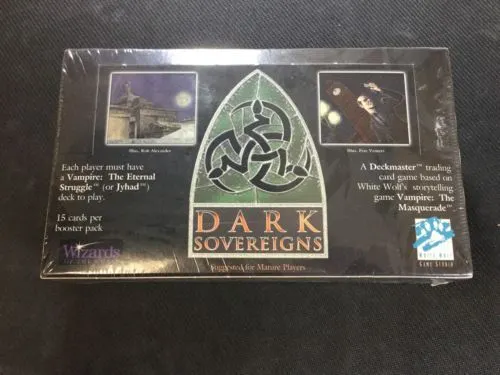
Vampire: The Eternal Struggle – Dark Sovereigns
- 2–5 graczy
- 30–120 min
- 1995
1994
Pomoc w zasadach gry Vampire: The Eternal Struggle
Zrozumiałe wyjaśnienia tur, efektów kart i spornych sytuacji z odnośnikami do oficjalnych źródeł i zapisaną historią pytań.
Dla 2 graczy
Co chcesz wiedzieć?
Odpowiedzi pochodzą z oficjalnej instrukcji, ze stroną do sprawdzenia.
Vampire: The Eternal Struggle to gra planszowa wydana w 1994 roku dla 2–5 graczy, z rozgrywką trwającą 120 minut i dla osób od 13 lat. Projekt gry: Richard Garfield, L. Scott Johnson i Robert Goudie. Główne mechaniki: Hand Management, Player Elimination i Negotiation.

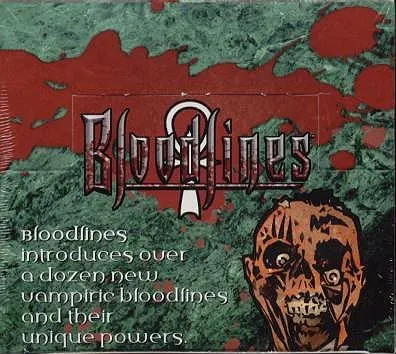




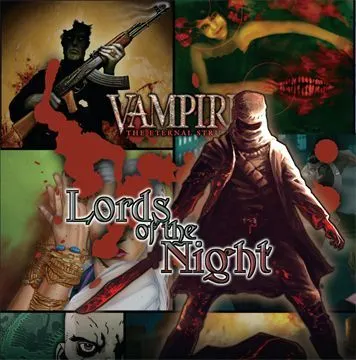
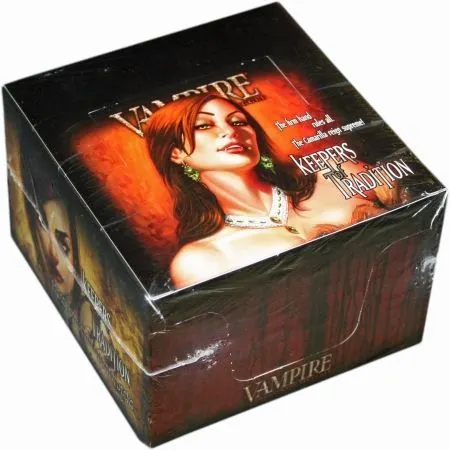
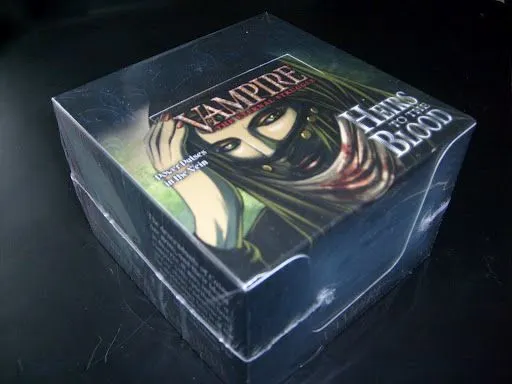



Po angielsku
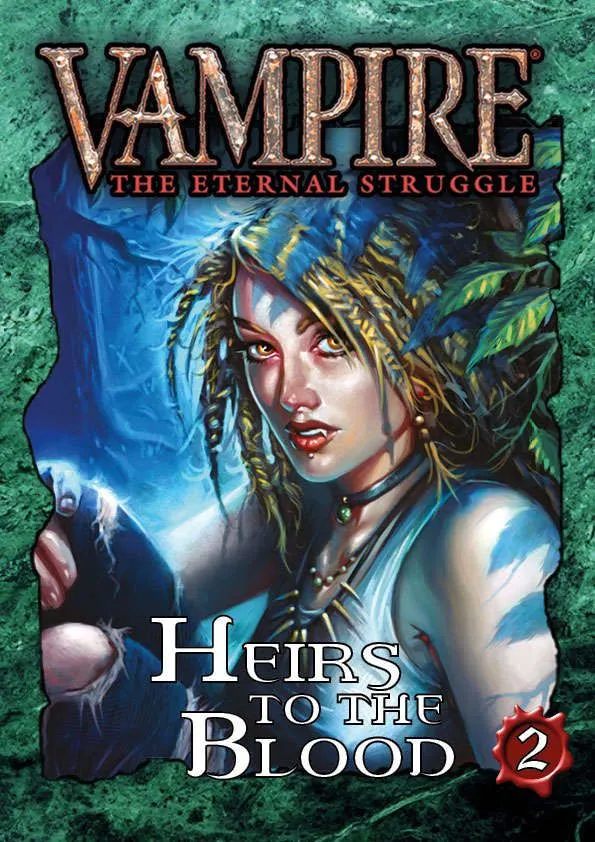
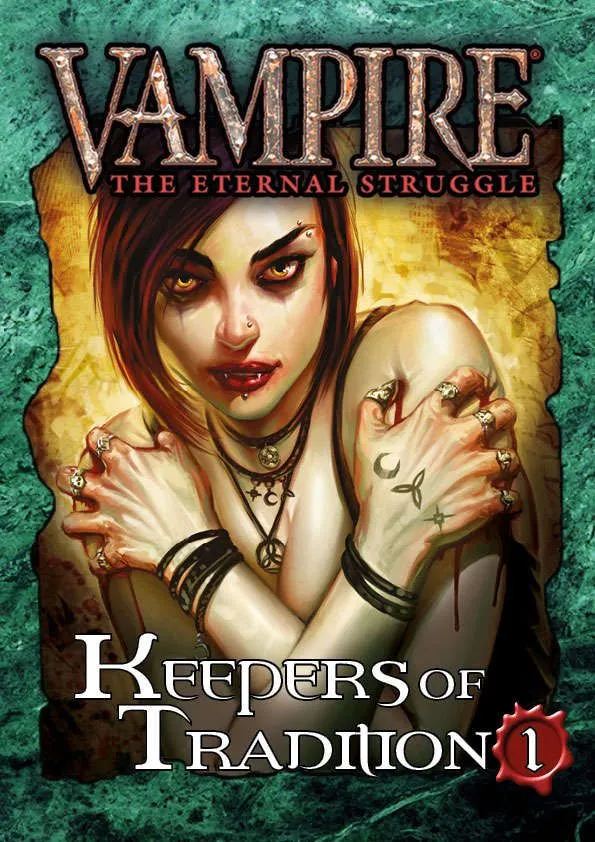
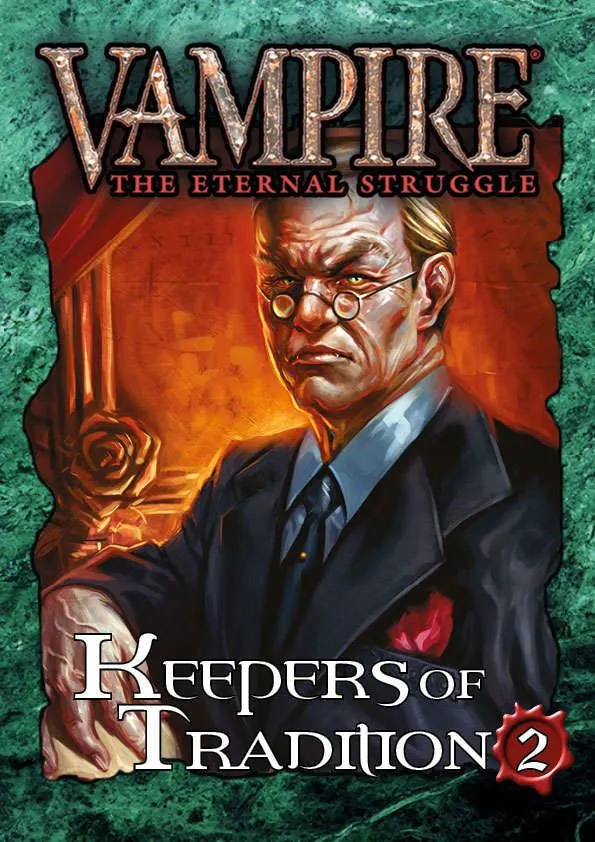
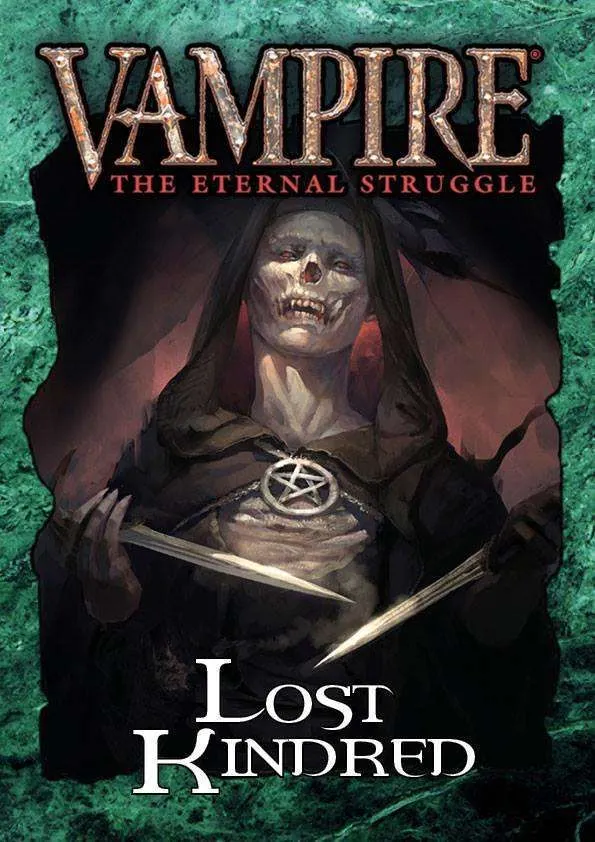
Vampire: the Eternal Struggle (or VTES for short) is a multi-player collectable card game based on the award-winning Vampire: the Masquerade role playing game in which players take on the role of ancient vampires known as a Methuselahs. Considered mere legend by many, Methuselahs rule everything from the shadows, engaging in a eons-long Machiavellian conflict that encompasses political, social, and even physical warfare. The struggle is won or lost based on the actions taken by your minions – younger vampires who unknowingly do your bidding. In this way, the game can allow for deep and immersive storytelling as your minions purchase equipment, hire retainers, even suggest legislative changes to vampiric society, all in the service of your dark plots. VTES was the second card game designed by Richard Garfield (designer of Magic the Gathering, Netrunner, and other games). It was designed to avoid some of the flaws that Garfield found in Magic: VTES does not require you to include resource or mana cards in your deck, and cards are instantly replaced when played, meaning that card draw isn’t as important as knowing when to discard a card to sculpt a better hand. It also has a gameplay experience more in keeping with a boardgame than a traditional card game – VTES is usually played by 4 or 5 players and games can last up to 2 hours. Unlike most multi-player games, players in VTES do not engage in a free-for-all. Each player directs their attacks to the player on their left (their “prey”) and defends against the player on their right (their “predator”). You gain victory points by eliminating or “ousting” your prey from the game, in which case the next player to the left becomes your new prey. The player with the most victory points at the end of the game wins (even if they have been ousted!). This arrangement makes the game a very social one – you and the player two seats to the left and right have common enemies. But if you help these allies too much, you may find that you’ve made one of them too strong, and when they suddenly become your new predator, your help has transformed that ally into a deadly threat. VTES is also a resource management game. Each player begins with 30 points of influence called “pool” that Methuselahs hold dearer than unlife itself. If you run out of pool, you are ousted from the game. But this pool is also the way that you sway vampires to your cause. Each turn you have the opportunity to spend your pool to seduce a vampire. Weak fledgling vampire are easily swayed, but the older more powerful ones require convincing, which may require multiple turns to accomplish. Once a vampire is converted to your side, all the pool you spent on them becomes blood possessed by this vampire, which can be spent to play cards that allow them to activate their unique vampiric powers. Each minion must manage their blood and you must manage your pool – spending more provides you with additional minions, but brings you one step closer to being ousted. Under- or over- investing in your minions may well cost you the game. Vampire: The Eternal Struggle has risen once again from torpor! White Wolf has granted Black Chantry Productions license to print new cards! Details are still forthcoming as to what to expect. Go to http://www.blackchantry.com for the latest details. The game is also supported by Vampire: Elder Kindred Network™, the official player organization responsible for sanctioning and regulating VTES tournaments, recording V:TES players’ ratings (and rankings), as well as designing and releasing new digital expansions featuring profession artwork. Go to their site at www.vekn.net to check out what's new with the game!
Według katalogu Vampire: The Eternal Struggle obsługuje od 2 do 5 graczy. Ten zakres odpowiada liczbie graczy podanej przez wydawcę, więc grę można przygotować dla dowolnej grupy w jego granicach. Przygotowanie, niektóre zasady i punktacja mogą jednak różnić się w zależności od liczby graczy; dokładną konfigurację sprawdź w instrukcji swojego wydania.
Podany czas rozgrywki w Vampire: The Eternal Struggle wynosi 120 minut. To szacunek wydawcy dla pełnej partii. Rzeczywisty czas zależy od grupy, liczby graczy i znajomości zasad: pierwsze partie zwykle trwają dłużej, a doświadczone grupy kończą szybciej. Przygotowanie gry i tłumaczenie zasad nie są wliczone w ten szacunek.
Katalog podaje dla Vampire: The Eternal Struggle wiek od 13 lat. To zalecenie wydawcy, które uwzględnia wymagania dotyczące czytania, złożoność zasad i drobne elementy, a nie tylko tematykę. Młodsi gracze często mogą dołączyć z pomocą dorosłego; sprawdź zalecenie wiekowe swojego wydania i weź pod uwagę doświadczenie grupy z grami planszowymi.
Vampire: The Eternal Struggle ma ocenę złożoności 3,4 na 5 według graczy BoardGameGeek, co czyni ją grą średnio złożoną. Ocena pokazuje, ile znajomości zasad, planowania i podejmowania decyzji wymaga typowa rozgrywka. Cięższe gry wymagają dłuższego pierwszego tłumaczenia, dlatego przed wieczorem z grami warto skorzystać z przewodnika przygotowania.
Vampire: The Eternal Struggle należy do tych kategorii: Card Game, Fighting i Horror. Główne mechaniki to Hand Management, Player Elimination i Negotiation. Kategorie opisują temat i świat gry, a mechaniki to, co gracze faktycznie robią w swojej turze. Każda mechanika prowadzi do strony katalogu z podobnymi grami, co pomaga znaleźć coś porównywalnego na kolejny wieczór.
Autorzy wymienieni przy Vampire: The Eternal Struggle to: Richard Garfield, L. Scott Johnson i Robert Goudie. Te informacje pochodzą z opublikowanych danych gry i wskazują osoby odpowiedzialne za jej projekt, a nie ilustratorów czy wydawców. Strony autorów w MeepleRules zbierają inne tytuły tych samych twórców, co pomaga, gdy gra ci się podoba i szukasz podobnych.
W katalogu Vampire: The Eternal Struggle figuruje jako gra podstawowa. Można w nią grać samodzielnie, korzystając z elementów z pudełka, bez żadnego innego tytułu. Dodatki, jeśli istnieją, dokładają nową zawartość lub zasady i są wymienione w katalogu osobno, z odnośnikiem do tej gry podstawowej.