
- Оценка BGG
- 7,0
Santiago de Cuba: El taxi
- 2–4 игрока
- 60 мин
- Сложность 1,5/5
- 2013
2011
Помощник по правилам Santiago de Cuba
Понятные объяснения ходов, эффектов карт и спорных ситуаций со ссылками на официальные источники и сохранённой историей вопросов.
Для 2 игроков
Что хотите уточнить?
Отвечаю по официальным правилам и показываю страницу для проверки.
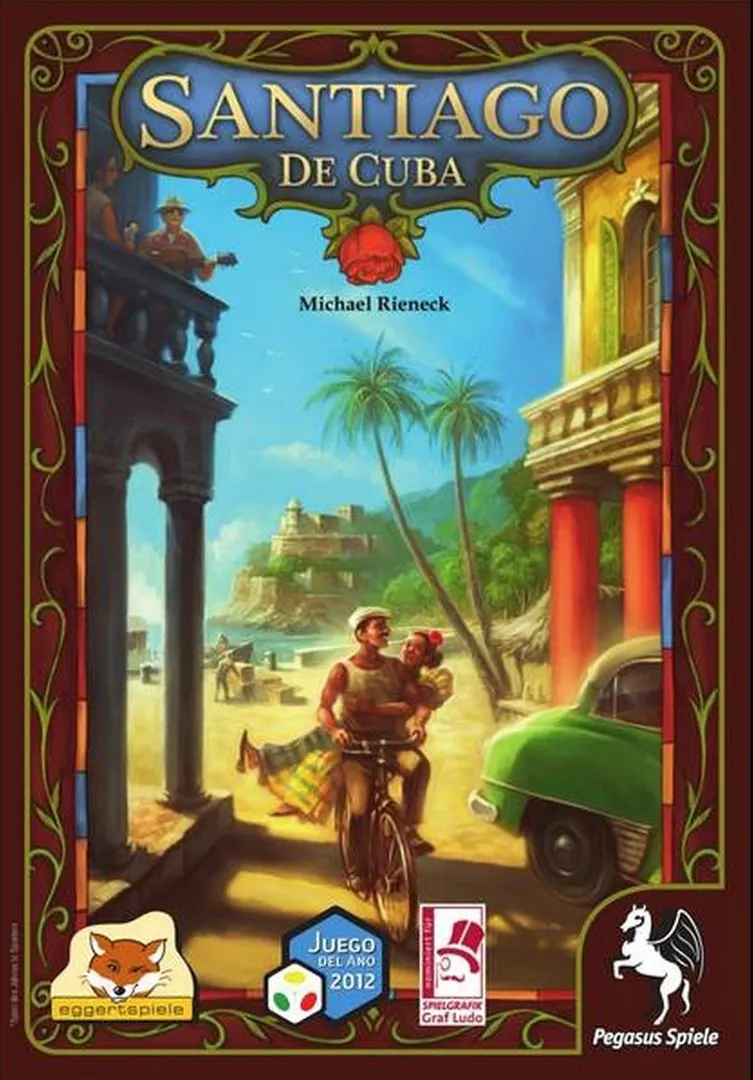
«Santiago de Cuba» — настольная игра 2011 года: для 2–4 игроков, 40–75 минут на партию и возраст от 10 лет. Авторы игры — Michael Rieneck; основные механики — Track Movement, Dice Rolling и Memory.








На английском
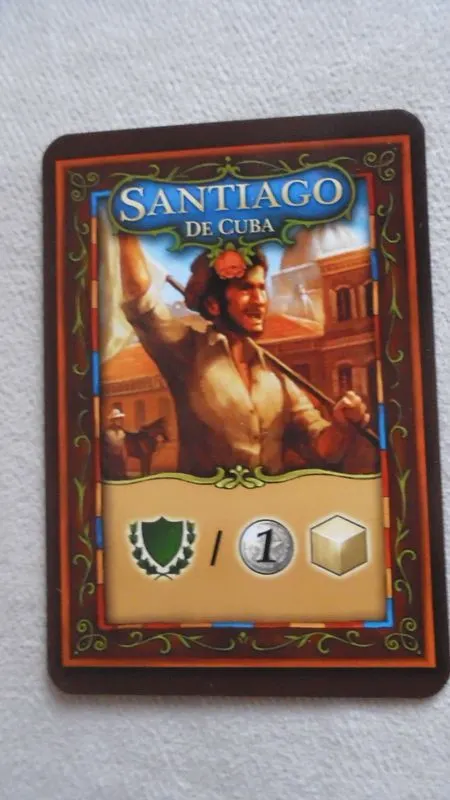
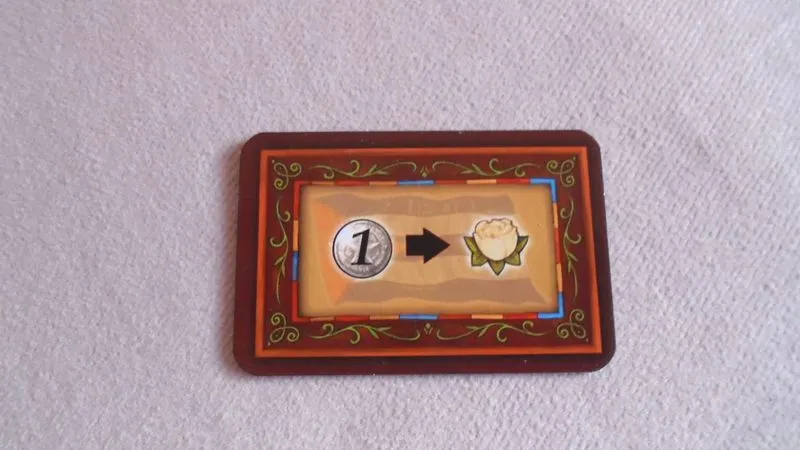
Welcome to Santiago, the second largest city in Cuba, home of legendary rum and birthplace of the revolution! The chaotic streets hum with the sounds of bustling crowds and busy commerce. Cargo ships constantly arrive and depart from the port. Demand is continuous, if unpredictable, for a supply of local products such as exotic fruits, sugar, rum, tobacco, and cigars. In Santiago de Cuba, your business card says "broker", but in reality you're a shady wheeler-dealer who arranges deals with the locals and with corruptible officials to move goods and meet the demand of those ever-present cargo ships – and your ability to procure these goods is only as reliable as your "connections". At the start of the game, nine locals – the Cubans – are randomly arranged on a path around Santiago, with the port being the tenth location on the circuit. Each Cuban has a different ability: e.g., give a player two tobacco, give a player a good of his choice, force opponents to give you something, give money or victory points (VPs), and seize a building or allow a player to use a previously seized building. What are these buildings? At the start of the game, twelve buildings are randomly placed on the game board in four color-coded groups (white, yellow, etc.) of three. As with the Cubans, these buildings give players a special ability when used: convert tobacco to cigars, change VPs to money or vica versa, increase the value of goods delivered to the ship, render a Cuban inactive for the next round, and so on. Players will deliver goods to seven ships throughout the course of the game. The demand for each ship is determined via a die roll; the active player rolls five dice – one for each type of good – then chooses four of the values rolled to represent demand for goods of the same color as the die. All players share a car and travel around the island together. On a turn, the active player can move the car to the next location on the path (whether Cuban or port) for free, or pay one peso for each spot moved beyond that. After taking a Cuban action, the player then must move his player piece to a building of the same color as the flower on that Cuban. If he takes an action in a building owned by someone else, that player earns 1 VP. (One Cuban allows a player to use the same building where his piece is currently located.) If a player moves to port, players take turns delivering all goods of one type to the ship to meet demand, adjusting the demand dice as needed. A player earns 2-4 VP for each good delivered; a player doesn't have to deliver goods. If the ship's demand isn't met after everyone delivers or passes, the VP bounty per good is increased by one and the ship remains in place – unless the value was already at 4 VP, in which case the ship sails. In this case, or when all the demand is met, a new ship comes into port with new demand values. After seven ships have sailed, the players earn 1 VP for every three goods still on hand, then tally their VPs. The player with the most VPs wins, with ties broken by goods remaining, then money. Each game poses new tactical challenges for the players, thanks to ever-changing combinations of buildings, Cuban inhabitants and demand for goods.
По данным каталога, «Santiago de Cuba» рассчитана на 2–4 игроков. Этот диапазон соответствует числу игроков, указанному издателем, поэтому игру можно подготовить для любого состава в его пределах. Подготовка, отдельные правила и подсчёт очков всё же могут зависеть от числа игроков; точную конфигурацию проверьте в правилах своего издания.
В каталоге для «Santiago de Cuba» указано время партии 40–75 минут — это оценка издателя для полной партии. Фактическая длительность зависит от состава, числа игроков и знакомства с правилами: первые партии обычно идут дольше, опытные компании заканчивают быстрее. Подготовка и объяснение правил в эту оценку не входят.
В каталоге для «Santiago de Cuba» указан возраст от 10 лет. Это рекомендация издателя: она учитывает необходимость чтения, сложность правил и мелкие компоненты, а не только тему. Младшие игроки часто могут участвовать с помощью взрослого; проверьте возрастную рекомендацию на своём издании и учтите опыт вашей компании в настольных играх.
Сложность «Santiago de Cuba» — 2,2 из 5 по оценкам игроков BoardGameGeek, это игра ниже средней сложности. Оценка отражает, сколько знания правил, планирования и решений требует типичная партия. Сложные игры дольше объяснять в первый раз, поэтому перед игровым вечером пригодится руководство по подготовке.
Категории игры «Santiago de Cuba»: Economic. Основные механики: Track Movement, Dice Rolling и Memory. Категории описывают тему и сеттинг игры, а механики — то, что игроки на самом деле делают в свой ход. Каждая механика ведёт в раздел каталога с похожими играми, и так проще найти что-то подобное для следующей партии.
В каталоге авторами «Santiago de Cuba» указаны: Michael Rieneck. Эти данные взяты из опубликованной информации об игре и называют людей, ответственных за её дизайн, а не иллюстраторов или издателей. Страницы авторов на MeepleRules собирают другие игры тех же авторов — это удобно, когда игра понравилась и хочется найти похожие.
В каталоге «Santiago de Cuba» отмечена как самостоятельная игра. В неё можно играть отдельно, используя компоненты из коробки, и никакая другая игра для этого не нужна. Дополнения, если они существуют, добавляют новый контент или правила и указаны в каталоге отдельно со ссылкой на эту базовую игру.