
- Место в рейтинге BGG
- BGG #21 342
- Оценка BGG
- 8,5
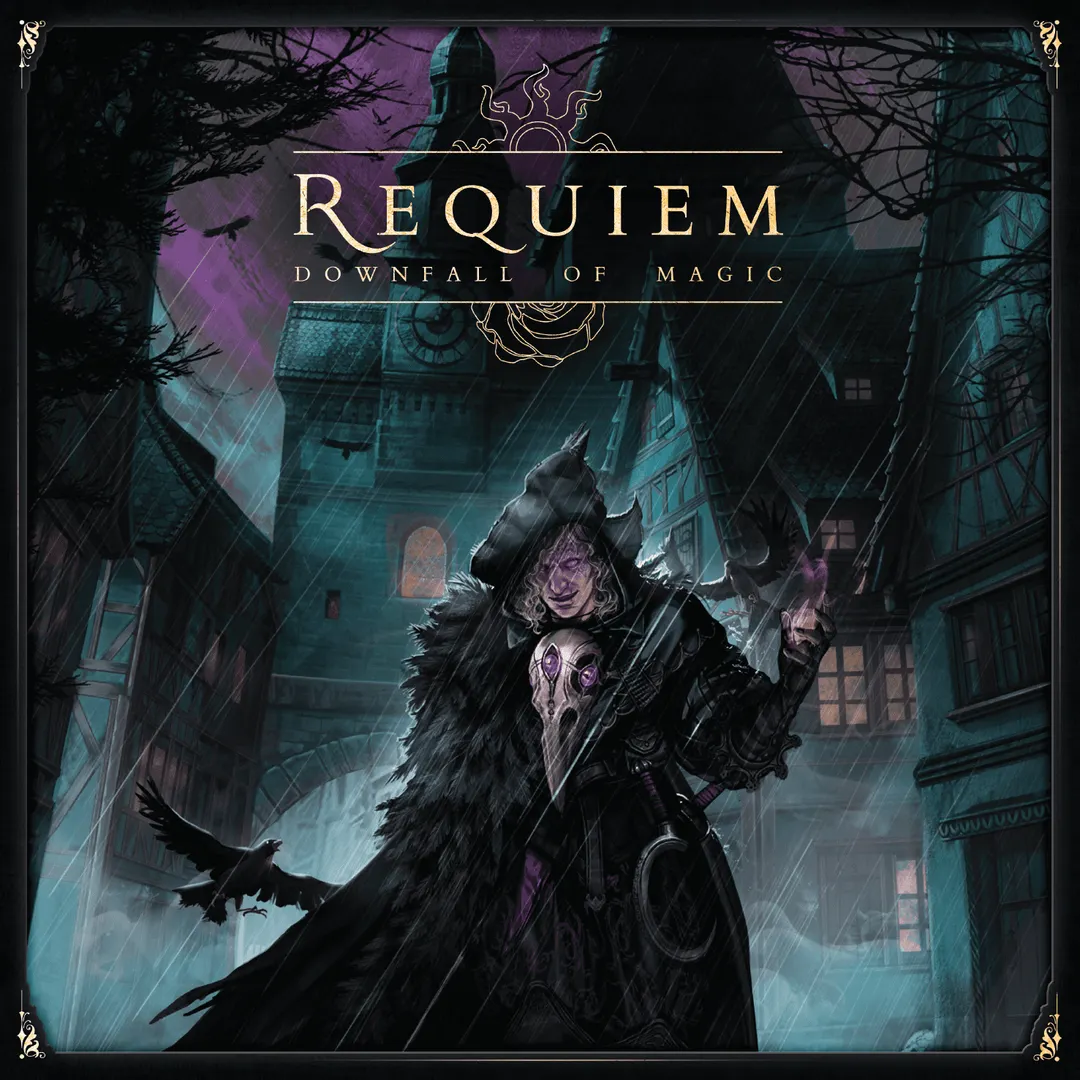
Requiem: Downfall of Magic
- 1–4 игрока
- 60–90 мин
- 2026
2025
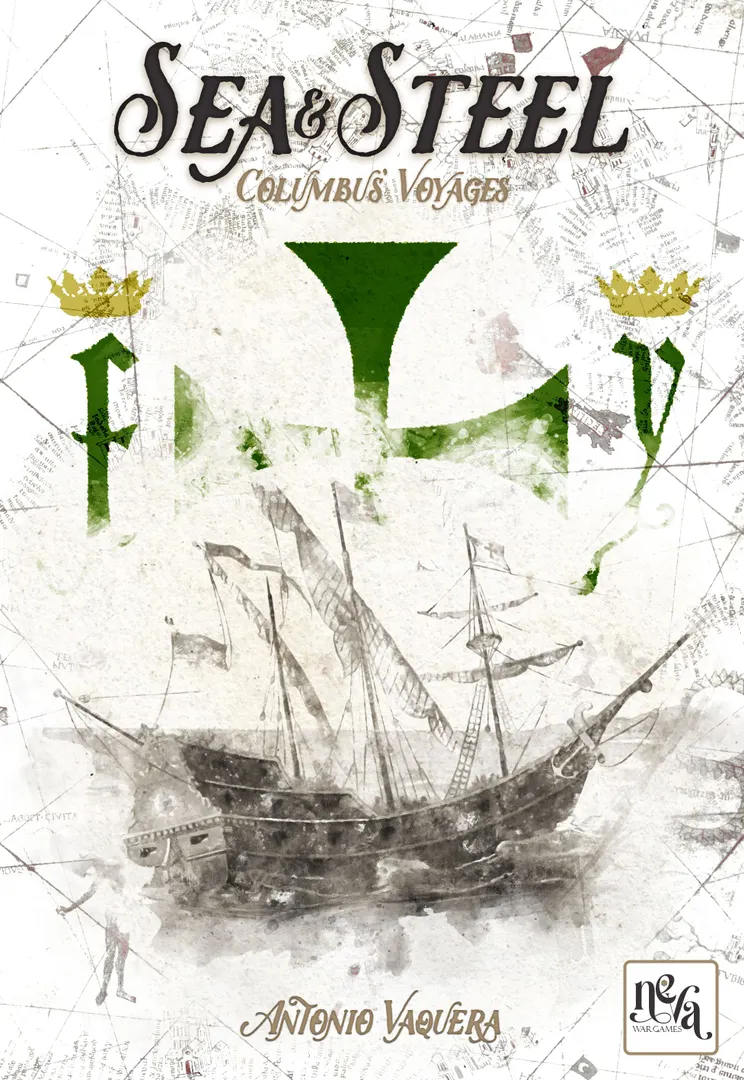
Помощник по правилам Sea & Steel: Columbus' Voyages
Понятные объяснения ходов, эффектов карт и спорных ситуаций со ссылками на официальные источники и сохранённой историей вопросов.
Что хотите уточнить?
Отвечаю по официальным правилам и показываю страницу для проверки.
«Sea & Steel: Columbus' Voyages» — настольная игра 2025 года: для 1–2 игроков, 60–90 минут на партию и возраст от 14 лет. Авторы игры — Antonio Vaquera; основные механики — Area Movement, Dice Rolling и Events.




На английском
THE HISTORICAL CONTEXT In the late 15th century, European powers, particularly Spain and Portugal, were driven by a desire for new trade routes to Asia. The traditional overland “Silk Road” was becoming increasingly difficult and expensive due to the rise of the Ottoman Empire. This spurred a quest for a westward sea route to the lucrative markets of the “East Indies” (Asia), rich in spices, gold, and other valuable goods. Christopher Columbus, believed he could reach Asia by sailing west across the Atlantic Ocean, a concept considered improbable by many at the time who underestimated the Earth’s circumference. After years of seeking patronage, he finally gained the support of the Spanish monarchs, King Ferdinand II and Queen Isabella I. They had just completed the Reconquista, expelling the Moors from Spain, and were eager to expand their influence, wealth, and spread Catholicism. Columbus set sail on August 3, 1492, with three ships: the Niña, the Pinta, and the Santa María. After a long and challenging voyage, land was sighted on October 12, 1492. Instead of reaching Asia, Columbus had stumbled upon islands in the Caribbean, specifically an island in the Bahamas (which he named San Salvador, though the indigenous people called it Guanahani). His arrival marked the beginning of a profound encounter between the Old World and the New. Columbus believed he had reached the Indies, hence his naming of the indigenous people as “Indians.” He encountered various native groups, including the Lucayan, Taíno, and Arawak peoples. This initial voyage, and the subsequent ones, ushered in the Age of Exploration, leading to centuries of European colonization, the transatlantic slave trade, and the “Columbian Exchange” – a massive transfer of plants, animals, culture, technology, and unfortunately, diseases between the Americas, Europe, and Africa, with devastating consequences for the indigenous populations of the Caribbean. GAMEPLAY AT A GLANCE The game is a strategic experience for one or two players that immerses you in the historical encounters between the Spanish conquistadors and the native peoples of the Caribbean during Christopher Columbus’s four voyages. It covers the period between 1492 and 1505, when the Spanish Crown financed these voyages, leading to the conquest of the main Caribbean islands inhabited by the Taíno and Carib peoples. Players can choose to lead the ambitious Spanish Side to conquer the paradisiacal Caribbean islands, or lead the indigenous Taíno and Carib forces (who are not always cooperative) to eliminate the new threat from across the sea, while also managing internal conflicts among their forces. Objective and how to win: In the game, there is only one Victory Point (VP) tracker. The Spanish Side advances on the VP tracker when they gain Victory Points. Conversely, the Indigenous Side aims to reduce that score, moving the tracker backward each time they gain VP. Specifically, when conquering a new area: •The Spanish Side adds 1 VP or 2 VP if they gain control of an area. •The Indigenous Side subtracts 1 VP or 2 VP from the Spanish VP tracker each time they gain control of an area. Automatic Victory: A game ends automatically if the last unit of one side is removed from the map, granting victory to the opposing side. For the Spanish side, a Citadel on the map counts as a unit for this purpose. At the end of the game (game turn 6), you’ll need to check various conditions related to leaders, citadels, and royal support to determine modifications to your final Victory Points. Spanish Victory: The Spanish Side wins if their PV score is equal to or exceeds 15 PV. Indigenous Victory: The Indigenous Side wins if the PV score is less than 15 PV. Sequence of play: Game Turn 1 (“1492”): A Destiny Card is revealed, determining Columbus’s initial landing and deployment of Spanish units, followed by immediate combat and a gold search. The turn concludes, moving to Turn 2. Game Turns 2-6: Each turn follows five main phases: 1. Destiny: Reveals the turn’s special event, sets the number of actions (impulses), and other turn-wide conditions. 2. Event: Both players secretly choose and reveal Event Cards, resolving their effects and deploying immediate reinforcements. 3. Reinforcements & Replacements: New units arrive or existing ones are strengthened, based on the Event Cards played. 4. Impulses: Players alternate taking one action per impulse (e.g., movement, combat, area activation, building, raiding, gold search), with the Indigenous Side always acting first. 5. Final: Checks are performed for automatic victory (if a side has no units left) or, at the end of Turn 6, for final Victory Point condition. Key decision/challenges: The designer aimed to create a “simple, but not simplistic” design, featuring an agile mechanic and a simple turn sequence. This design choice makes it suitable for introducing new players to wargames, while still offering “variable strategic options” and “agonizing” decision-making dilemmas that experienced wargamers will enjoy. The game is designed for quick play, with sessions lasting between 60 to 90 minutes. The Extended Movement is a very important mechanic. This allows units to activate an area and move, and if they arrive in an area without enemy units, that new area can be activated again for another movement, potentially creating a “chain” of activations. This indeed enables rapid expansion and movement across the map. Mastering this mechanic is crucial for both the Spanish and Indigenous sides, as the game emphasizes maximizing the effects of decisions. Despite its quick pace, this game delivers intense, nail-biting matches. You’ll need to keep pushing relentlessly by making good strategic decisions, even when things look grim, as the tide can turn in an instant, leading to a dramatic victory. Many games are decided in the very last moments, a tension players consistently rave about. WHAT’S IN THE BOX? 1 Mounted Map 180 Counters 52 Cards 6 6-sided dice 3 Player Aid Sheets 6 Cloth bags 1 Rulebook —description from the publisher
По данным каталога, «Sea & Steel: Columbus' Voyages» рассчитана на 1–2 игроков. Этот диапазон соответствует числу игроков, указанному издателем, поэтому игру можно подготовить для любого состава в его пределах. Подготовка, отдельные правила и подсчёт очков всё же могут зависеть от числа игроков; точную конфигурацию проверьте в правилах своего издания.
В каталоге для «Sea & Steel: Columbus' Voyages» указано время партии 60–90 минут — это оценка издателя для полной партии. Фактическая длительность зависит от состава, числа игроков и знакомства с правилами: первые партии обычно идут дольше, опытные компании заканчивают быстрее. Подготовка и объяснение правил в эту оценку не входят.
В каталоге для «Sea & Steel: Columbus' Voyages» указан возраст от 14 лет. Это рекомендация издателя: она учитывает необходимость чтения, сложность правил и мелкие компоненты, а не только тему. Младшие игроки часто могут участвовать с помощью взрослого; проверьте возрастную рекомендацию на своём издании и учтите опыт вашей компании в настольных играх.
Сложность «Sea & Steel: Columbus' Voyages» — 2,0 из 5 по оценкам игроков BoardGameGeek, это игра ниже средней сложности. Оценка отражает, сколько знания правил, планирования и решений требует типичная партия. Сложные игры дольше объяснять в первый раз, поэтому перед игровым вечером пригодится руководство по подготовке.
Категории игры «Sea & Steel: Columbus' Voyages»: Wargame, Nautical и Renaissance. Основные механики: Area Movement, Dice Rolling и Events. Категории описывают тему и сеттинг игры, а механики — то, что игроки на самом деле делают в свой ход. Каждая механика ведёт в раздел каталога с похожими играми, и так проще найти что-то подобное для следующей партии.
В каталоге авторами «Sea & Steel: Columbus' Voyages» указаны: Antonio Vaquera. Эти данные взяты из опубликованной информации об игре и называют людей, ответственных за её дизайн, а не иллюстраторов или издателей. Страницы авторов на MeepleRules собирают другие игры тех же авторов — это удобно, когда игра понравилась и хочется найти похожие.
В каталоге «Sea & Steel: Columbus' Voyages» отмечена как самостоятельная игра. В неё можно играть отдельно, используя компоненты из коробки, и никакая другая игра для этого не нужна. Дополнения, если они существуют, добавляют новый контент или правила и указаны в каталоге отдельно со ссылкой на эту базовую игру.