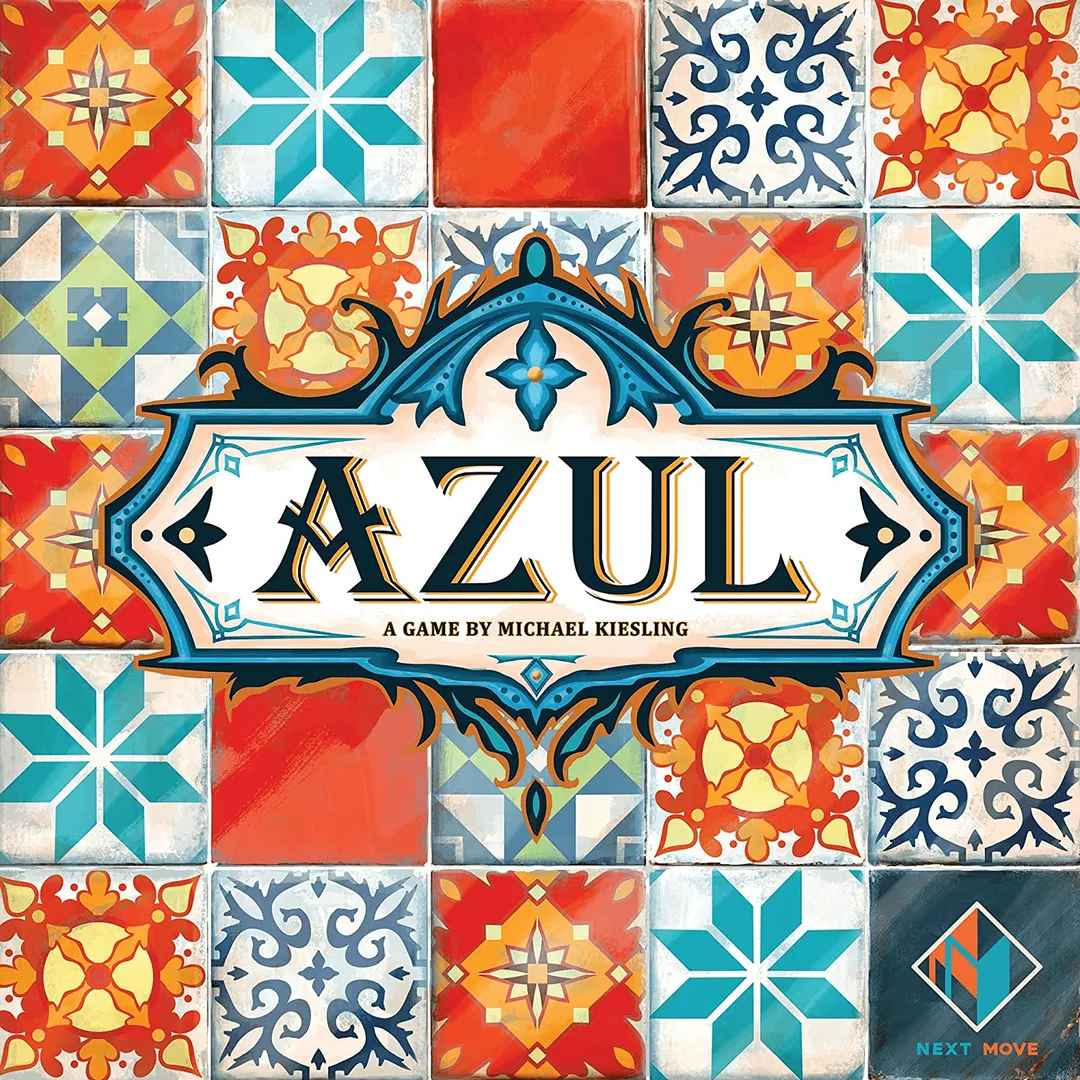
- Місце в рейтингу BGG
- BGG #99
- Оцінка BGG
- 7,7
Azul Міні
- 2–4 гравці
- 30–45 хв
- Складність 1,8/5
- 2017
- Запитати про правила
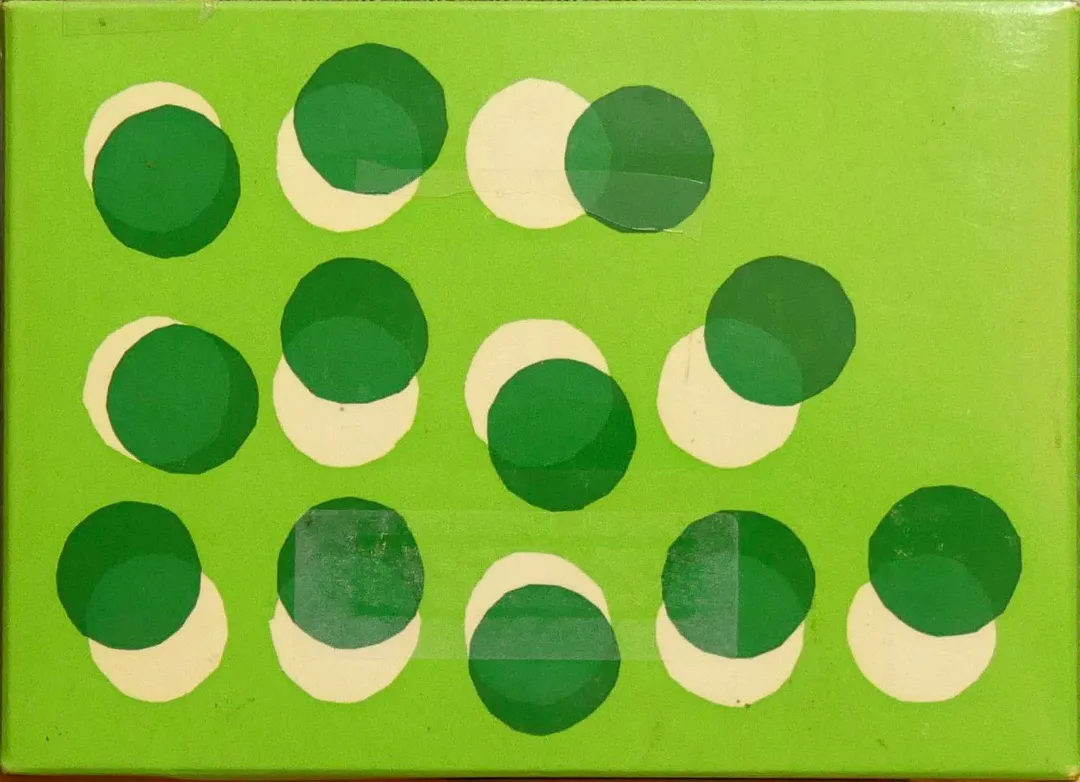

Допомога з правилами Nim
Зрозумілі пояснення ходів, ефектів карт і спірних ситуацій зі збереженою історією запитань.
Для 2 гравців
Що ви хочете дізнатися?
Відповіді ґрунтуються на офіційній книзі правил із зазначенням сторінки для перевірки.
«Nim» — настільна гра: для 2 гравців.



Англійською
Generally, the game of Nim is a two-player game of perfect information in which there are some number of rows or "heaps" of objects, and a legal move consists of removing any number of objects from a single heap. (For a non-trivial game, we should start with at least three heaps.) In "standard play", the player who cannot make a move on his turn (because no objects remain) is the loser. A very general and far-reaching theory of such games is developed in Berlekamp, Conway, and Guy's Winning Ways for Your Mathematical Plays. In the commercial version pictured, the players take turns removing 1, 2, 3, or 4 pegs together in a row. It would appear from the picture that "rows" can run in any direction, which means that the "heaps" intersect. This is not what most people know as Nim. Also, according to the original description, in this version the loser is the player who has to remove the last peg. This is so-called "misere play", rather than the standard winning condition. Many combinatorial games allow misère play as a variation. Nim is solved, which means that from any initial configuration, one can readily determine whether the next player or the previous player has a winning strategy, and identify a good next move in the former case. For Nim, this can be determined surprisingly readily no matter the size of the heaps, but you're not going to get the secret from me. As most who would be interested in Nim know the solution, there isn't much of a game here. But Nim plays a central role in the theory of combinatorial games, as any two-player finite impartial game is in some sense Nim in disguise: any position in such a game corresponds to a unique Nim-heap, and one can play the disguised game perfectly by making the moves that correspond to winning moves in Nim. Sprouts is one example. This however does not mean that Sprouts itself is solved, as the "disguise" is only partially revealed.
Кількість гравців для Nim за даними каталогу: 2 гравці. Це кількість, яку вказує видавець, тож гра розрахована саме на стільки учасників. Варіанти для іншої кількості гравців, якщо вони є, описано в правилах вашого видання. Перевірте їх, перш ніж готувати гру для іншого складу.
Гравці BoardGameGeek оцінили складність Nim у 1,5 із 5, тож це легка гра. Оцінка відображає, скільки знань правил, планування та обмірковування рішень зазвичай потребує партія. Для складніших ігор закладайте більше часу на перше пояснення та скористайтеся посібником із підготовки перед ігровим вечором.
Nim належить до таких категорій: Abstract Strategy. Категорії описують тематику, світ і стиль гри, а не її правила. Якщо вам сподобалася Nim і ви хочете щось подібне для наступного ігрового вечора, відфільтруйте каталог за тією самою категорією.
У каталозі Nim зазначена як базова гра. У неї можна грати самостійно, використовуючи компоненти з коробки, без інших ігор. Доповнення, якщо вони є, додають нові матеріали або правила. Їх наведено в каталозі окремо з посиланням на цю базову гру.
