
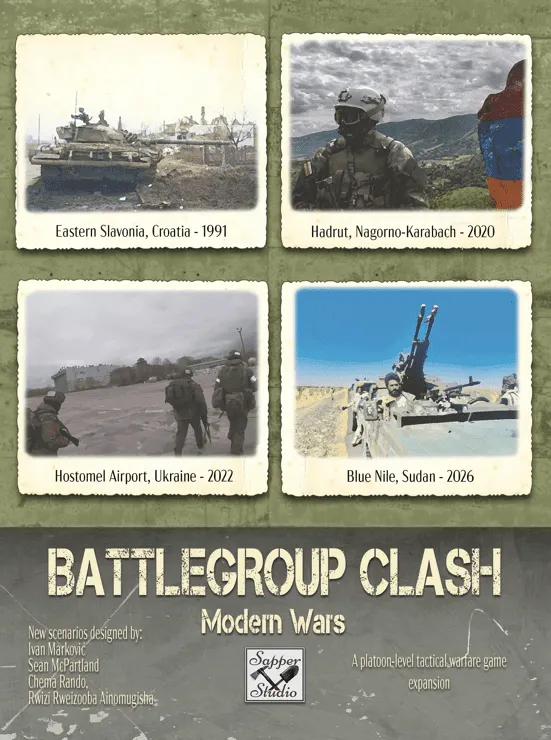
Battlegroup Clash: Modern Wars
- 1–4 Spieler
- 60–180 Min.
- 2027
2025
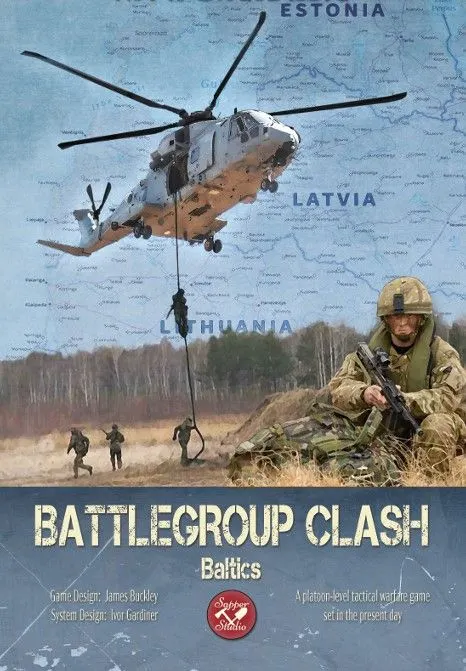
Regelhilfe für Battlegroup Clash: Baltics
Verständliche Erklärungen zu Spielzügen, Karteneffekten und strittigen Situationen mit Verweisen auf offizielle Quellen und gespeichertem Fragenverlauf.
Für 1 Person
Was möchtest du wissen?
Antworten stammen aus dem offiziellen Regelheft, mit Seitenangabe zum Nachprüfen.
Battlegroup Clash: Baltics ist ein Brettspiel aus dem Jahr 2025 für 1–6 Personen, mit 60–180 Minuten pro Partie und ab 14 Jahren. Entwickelt wurde es von James Buckley; die wichtigsten Mechaniken sind Dice Rolling, Simulation und Team-Based Game.
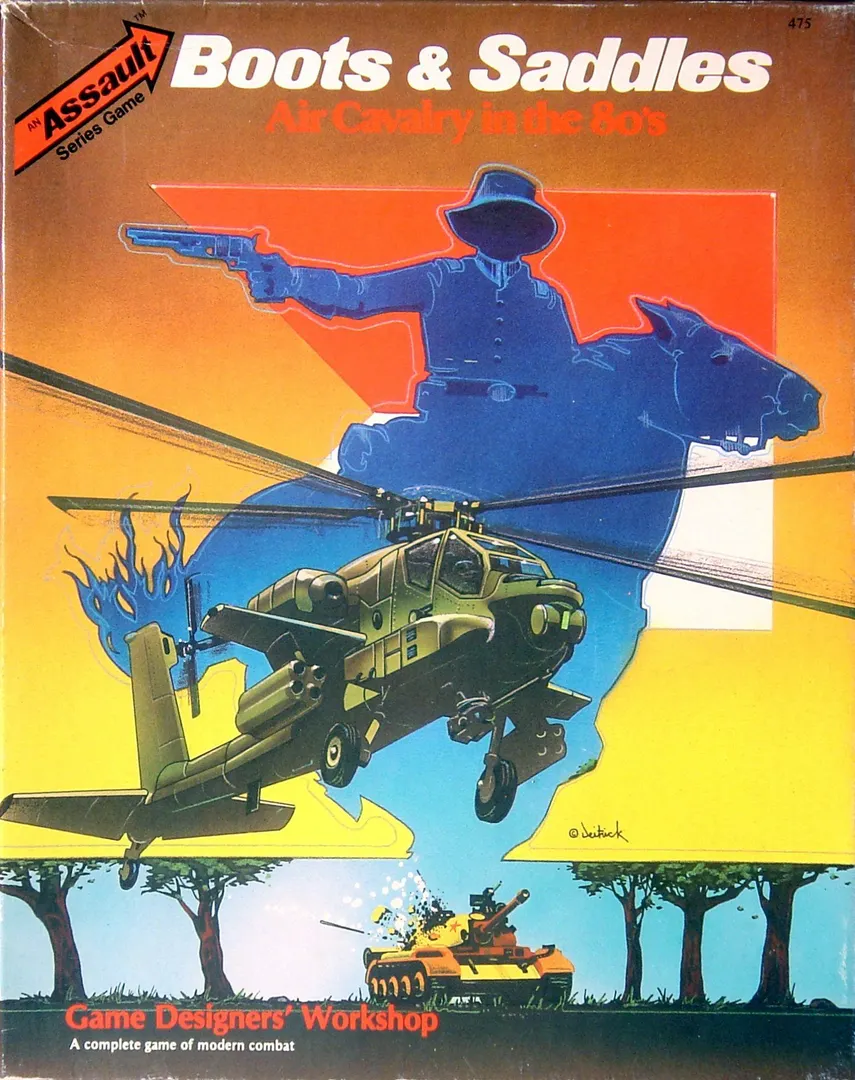
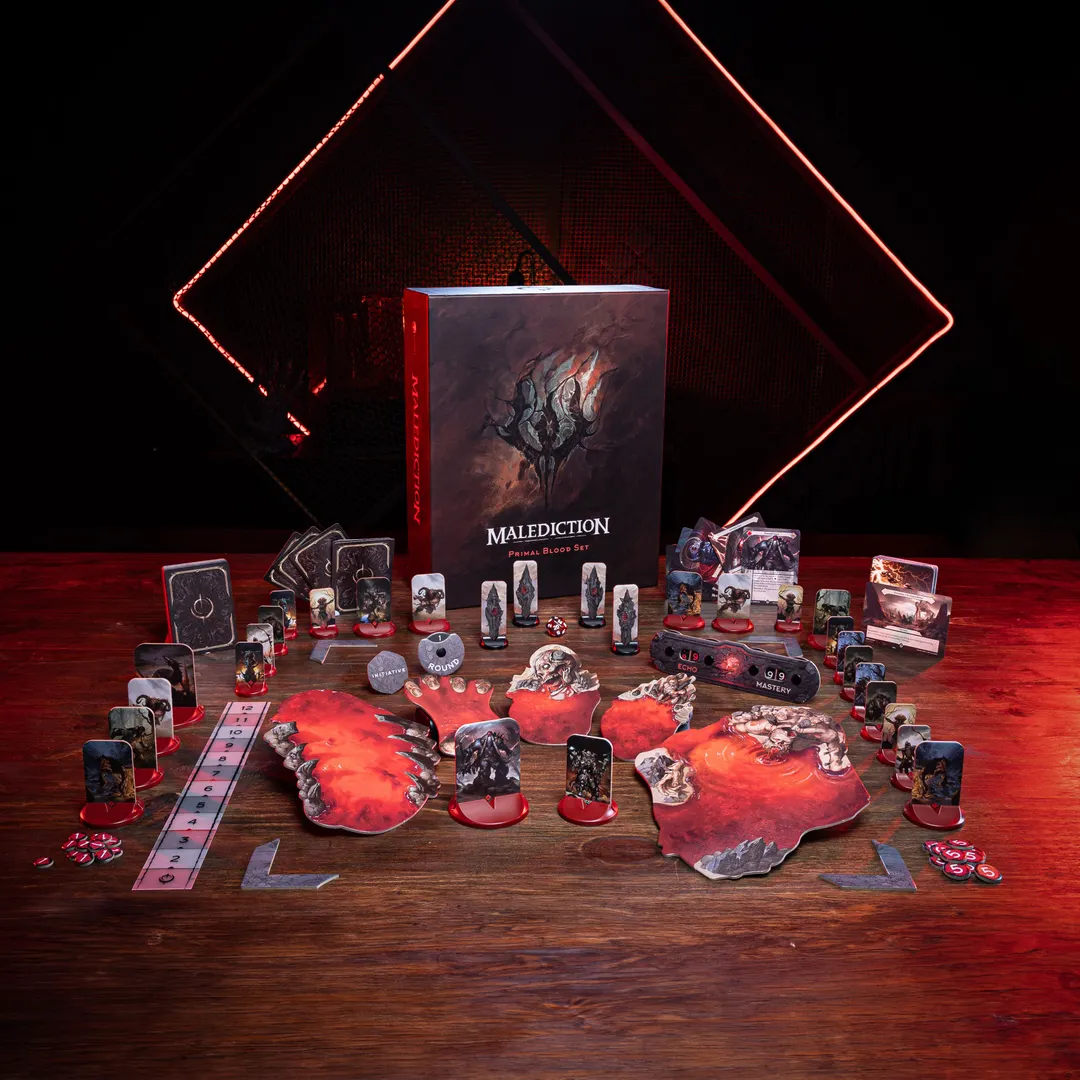
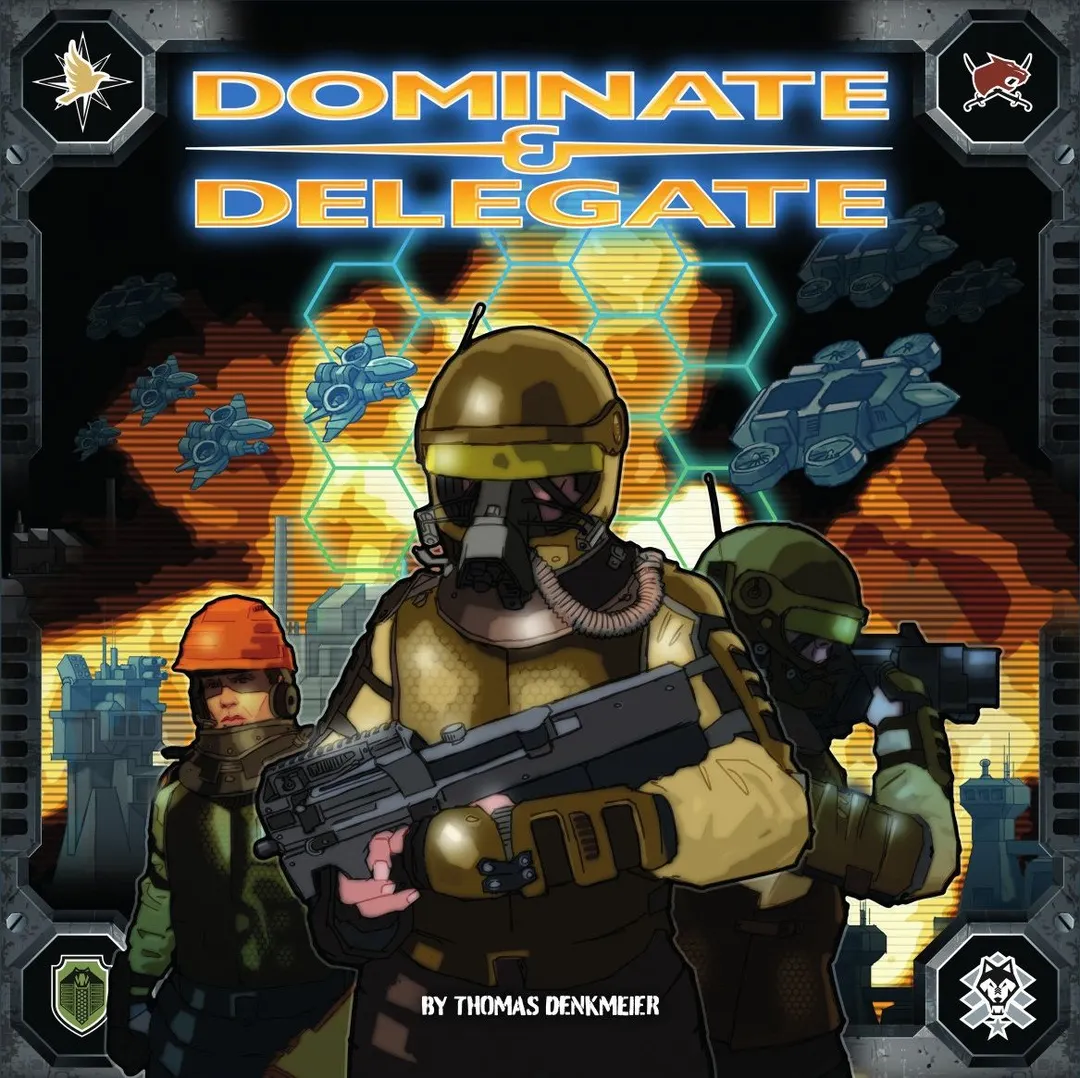
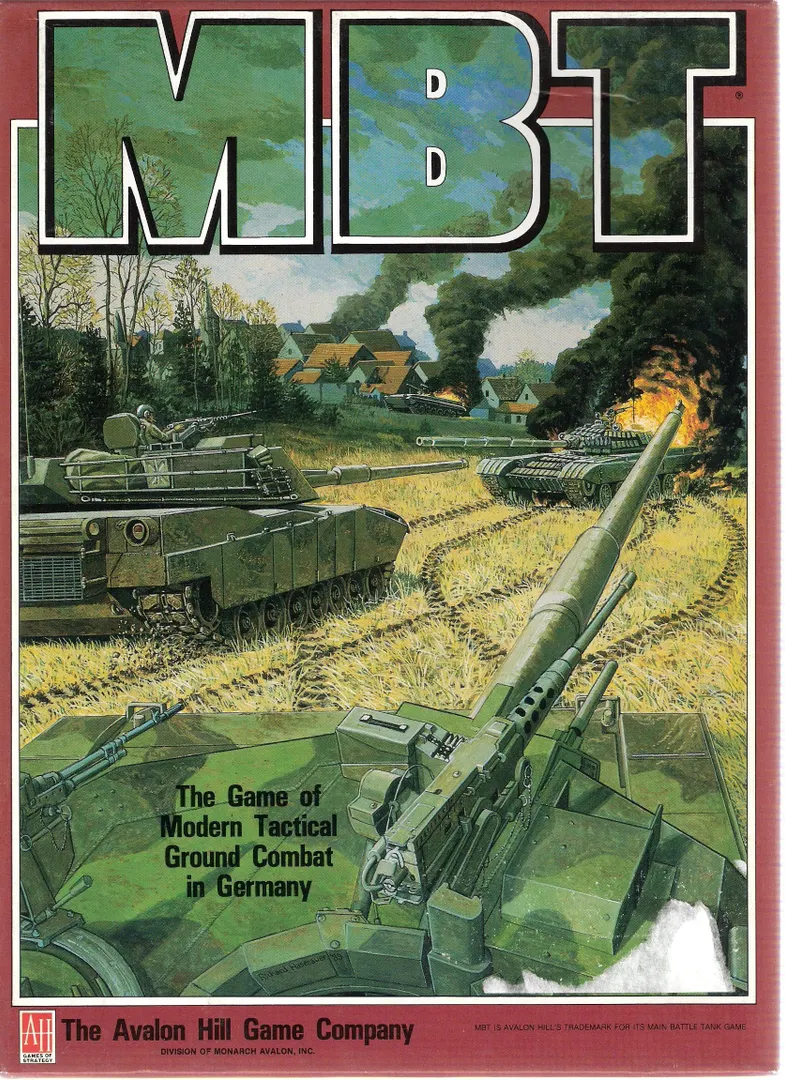

Auf Englisch
Battlegroup Clash: Baltics is a two-to six-player tactical land warfare game that plays in two to three hours. It is a commercially-adapted version of a game recently developed for the British Army to help train its junior officers. It is easy to learn and quick to play, and will appeal both to professional and hobby gamers looking to better understand combat on the modern battlefield. The game is set in Estonia and covers a hypothetical near-future Russian invasion of the country, and attempts by NATO land forces to repulse it. Each side has a maximum force size equivalent to a reinforced battalion, with individual unit sizes being platoons or sections. It comes with six scenarios and has three play modes and optional rules, allowing for players to vary the level of realism and complexity of play. The Basic mode of play is equivalent to a light complexity commercial wargame. The Standard and Advanced modes are equivalent to a medium-light complexity game. While the game mechanics and components will be familiar to anyone that has played a hex and counter wargame, there are several unique features about Battlegroup Clash: Baltics: Preparation & planning - In the Standard and Advanced modes of the game players will need to draft Orders for their forces. This happens at the start of the game. These Orders drive the actions individual units take in the game. This is a simplified version of the type of planning that would occur in real life. It presents both a challenge and opportunity to players, and greatly enhances the immersion of the game. Drones and Electronic Warfare - Events in Ukraine have shown how much the use of drones has changed the modern battlefield. Reflecting this, in the game players use UAS drones for reconnaissance and FPV (‘kamikazi’) drones to attack enemy units. Each side can intercept their opponent’s electronic transmissions to improve targeting, and apply tactical Electronic Warfare effects such as jamming the enemy’s drone assets or crippling their GPS navigation. Real world mapping - The four maps in the game are based on satellite imagery from key locations in Estonia. Using computer aided design, that imagery has been turned into a highly realistic map. There are no hexes, just grid lines, the same as a real world map. Players must read the map terrain to determine key locations and terrain features, and assess how they fit into their battleplan and objectives. —description from the publisher
Laut Katalog unterstützt Battlegroup Clash: Baltics 1–6 Personen. Diese Spanne entspricht der vom Verlag angegebenen Spielerzahl, das Spiel lässt sich also für jede Gruppengröße innerhalb dieser Spanne aufbauen. Aufbau, einzelne Regeln und Wertungsdetails können je nach Personenzahl trotzdem abweichen; prüfe daher die genaue Konfiguration in der Anleitung deiner Ausgabe.
Die angegebene Spieldauer für Battlegroup Clash: Baltics beträgt 60–180 Minuten. Das ist die Schätzung des Verlags für eine vollständige Partie. Die tatsächliche Dauer hängt von der Gruppe, der Personenzahl und der Regelkenntnis ab: Erste Partien dauern meist länger, erfahrene Gruppen sind oft schneller fertig. Aufbau und Regelerklärung sind in dieser Schätzung nicht enthalten.
Im Katalog wird Battlegroup Clash: Baltics ab 14 Jahren empfohlen. Das ist die Empfehlung des Verlags und berücksichtigt Leseanforderungen, Regelkomplexität und Kleinteile, nicht nur das Thema. Jüngere Kinder können oft mit Hilfe eines Erwachsenen mitspielen; beachte die Altersangabe deiner Ausgabe und die Brettspielerfahrung deiner Gruppe.
Battlegroup Clash: Baltics hat bei BoardGameGeek eine Komplexitätswertung von 3,2 von 5 und gilt damit als mittelschweres Spiel. Die Wertung zeigt, wie viel Regelwissen, Planung und Entscheidungen eine typische Partie verlangt. Schwerere Spiele brauchen bei der ersten Erklärung mehr Zeit, daher hilft vor dem Spieleabend eine Vorbereitungsanleitung.
Battlegroup Clash: Baltics gehört zu diesen Kategorien: Wargame und Modern Warfare. Die wichtigsten Mechaniken sind Dice Rolling, Simulation und Team-Based Game. Kategorien beschreiben Thema und Setting eines Spiels, Mechaniken dagegen, was die Spielenden in ihrem Zug tatsächlich tun. Jede Mechanik führt zu einer Katalogseite mit ähnlichen Spielen, falls du etwas Vergleichbares suchst.
Als Autoren von Battlegroup Clash: Baltics sind angegeben: James Buckley. Diese Angaben stammen aus den veröffentlichten Spieldaten und nennen die für das Spieldesign verantwortlichen Personen, nicht die Illustratoren oder Verlage. Die Autorenseiten auf MeepleRules sammeln weitere Titel derselben Autoren – praktisch, wenn dir ein Spiel gefällt und du ähnliche Spiele suchst.
Im Katalog ist Battlegroup Clash: Baltics als Grundspiel aufgeführt. Es lässt sich eigenständig mit dem Material aus der Schachtel spielen und benötigt keinen weiteren Titel. Erweiterungen, sofern es welche gibt, ergänzen neues Material oder neue Regeln und sind im Katalog separat mit einem Verweis auf dieses Grundspiel aufgeführt.