
- BGG-Rang
- BGG #236
- BGG-Bewertung
- 8,0
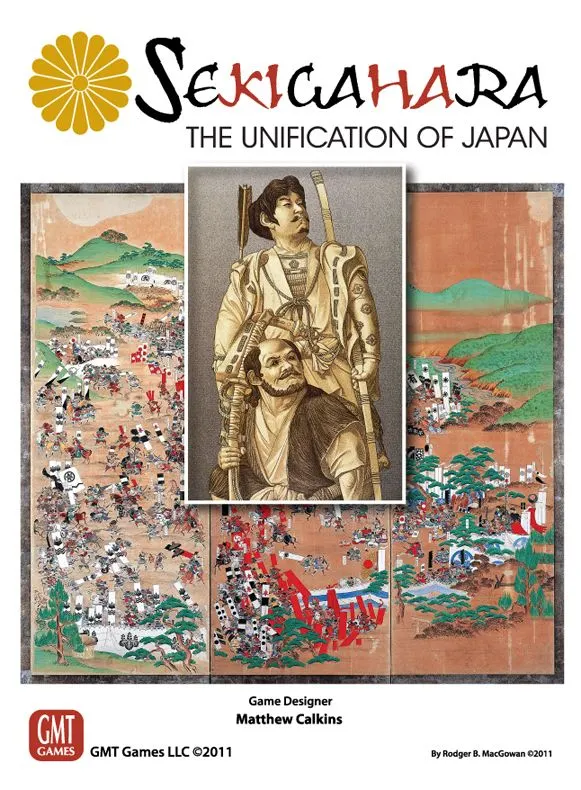
Sekigahara: The Unification of Japan
- 2 Spieler
- 180 Min.
- Komplexität 2,8/5
- 2011
2022
Regelhilfe für Charioteer
Verständliche Erklärungen zu Spielzügen, Karteneffekten und strittigen Situationen mit Verweisen auf offizielle Quellen und gespeichertem Fragenverlauf.
Für 2 Personen
Was möchtest du wissen?
Antworten stammen aus dem offiziellen Regelheft, mit Seitenangabe zum Nachprüfen.
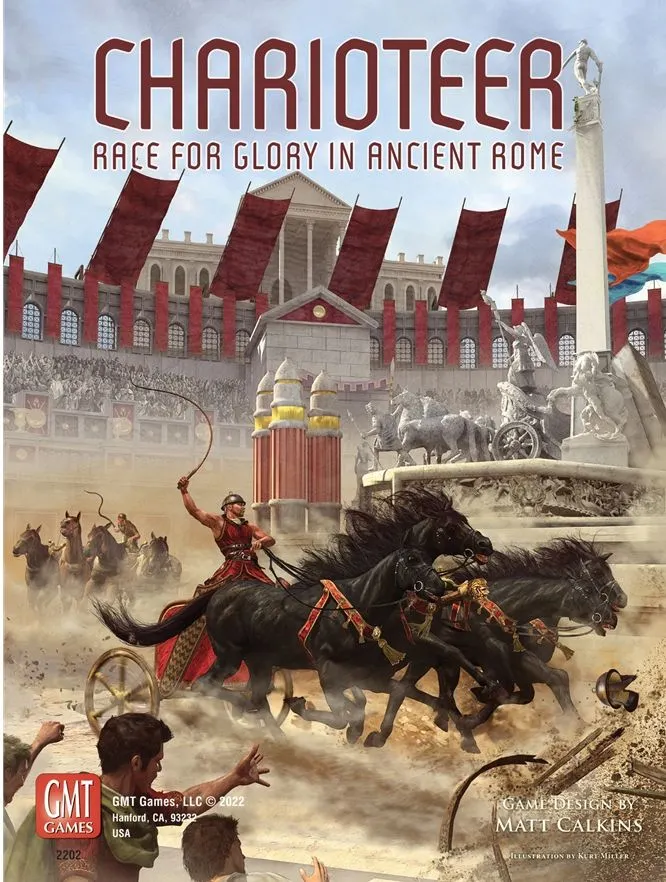
Charioteer ist ein Brettspiel aus dem Jahr 2022 für 2–6 Personen, mit 60–120 Minuten pro Partie und ab 14 Jahren. Entwickelt wurde es von Matt Calkins; die wichtigsten Mechaniken sind Hand Management, Race und Set Collection.




Auf Englisch
The ground trembles under a thousand angry hoofbeats. Wheels creak and reins pull as racers drive their horses forward in a panic. You are a charioteer in the Circus Maximus, the greatest raceway in the ancient world. A crescendo of noise builds with each lap. Chariots collide, whips crack. The crowd cheers for a surprising breakaway, rumbles as a favorite is damaged and falls behind. From the imperial box, the emperor laughs and shouts. Clouds of dust obscure the bright banners of the four factions. Three hundred thousand fans are on their feet as you turn the final corner. This is not the finish they expected. You lead by a length, and only one rival remains; each throws the last of their energy into one final sprint. Many thousands are despondent, other thousands exultant and joyous. Their shouts become a roar, a long scream, as you surge for the finish line. Another hundred yards will make you a hero. Charioteer is a new game from Sekigahara: The Unification of Japan author Matt Calkins. Like Matt's previous games, Charioteer features simple rules, quick play, and novel mechanisms. Charioteer is a strategic racing game that plays in one hour. Each player controls a chariot in the Circus Maximus of ancient Rome. There's lots of action, and it happens quickly, with simultaneous move selection. Movement is determined by melding sets from a hand of cards. Every card does more than one thing, and it takes multiple matching cards to make a move. Choosing to use a card in one set means deciding not to use it in another. Timing when to make a critical move is as important as knowing what move to make. Moves come in four colors, and each has a special advantage. Play a red move to attack your opponents, yellow to recover from disruption, black to turn a sharp corner, and green to sprint. Each racer begins the game with different abilities, and they improve their skills as the race progresses, leading to big bonuses in their favorite types of moves. Show the emperor the kind of move he prefers, and a racer's skills will increase even faster. Players deploy tokens to give their moves a special bonus. More tokens can be earned by impressing the crowd with large matching card plays. Players may choose to delay using their best sets until they're big enough to qualify for a fan token. Some races will be violent and others calm, depending upon whether the players and emperor behave disruptively. Attacks cause damage, which reduces movement speed. Players who specialize in recovery moves may overcome damage quickly. Others may need to carefully deploy their shields on turns when violence is expected. It's not always clear who's winning the race. Being in front of the pack may not be as important as developing a critical skill, collecting powerful tokens, or keeping damage low. Whip icons allow those who have fallen behind to surge back into competition. Charioteer is easy to learn. It can be played by bright kids as well as adults. Despite its accessibility, it is a game of skill. —description from the publisher
Laut Katalog unterstützt Charioteer 2–6 Personen. Diese Spanne entspricht der vom Verlag angegebenen Spielerzahl, das Spiel lässt sich also für jede Gruppengröße innerhalb dieser Spanne aufbauen. Aufbau, einzelne Regeln und Wertungsdetails können je nach Personenzahl trotzdem abweichen; prüfe daher die genaue Konfiguration in der Anleitung deiner Ausgabe.
Die angegebene Spieldauer für Charioteer beträgt 60–120 Minuten. Das ist die Schätzung des Verlags für eine vollständige Partie. Die tatsächliche Dauer hängt von der Gruppe, der Personenzahl und der Regelkenntnis ab: Erste Partien dauern meist länger, erfahrene Gruppen sind oft schneller fertig. Aufbau und Regelerklärung sind in dieser Schätzung nicht enthalten.
Im Katalog wird Charioteer ab 14 Jahren empfohlen. Das ist die Empfehlung des Verlags und berücksichtigt Leseanforderungen, Regelkomplexität und Kleinteile, nicht nur das Thema. Jüngere Kinder können oft mit Hilfe eines Erwachsenen mitspielen; beachte die Altersangabe deiner Ausgabe und die Brettspielerfahrung deiner Gruppe.
Charioteer hat bei BoardGameGeek eine Komplexitätswertung von 2,2 von 5 und gilt damit als eher leichtes Spiel. Die Wertung zeigt, wie viel Regelwissen, Planung und Entscheidungen eine typische Partie verlangt. Schwerere Spiele brauchen bei der ersten Erklärung mehr Zeit, daher hilft vor dem Spieleabend eine Vorbereitungsanleitung.
Charioteer gehört zu diesen Kategorien: Ancient und Racing. Die wichtigsten Mechaniken sind Hand Management, Race und Set Collection. Kategorien beschreiben Thema und Setting eines Spiels, Mechaniken dagegen, was die Spielenden in ihrem Zug tatsächlich tun. Jede Mechanik führt zu einer Katalogseite mit ähnlichen Spielen, falls du etwas Vergleichbares suchst.
Als Autoren von Charioteer sind angegeben: Matt Calkins. Diese Angaben stammen aus den veröffentlichten Spieldaten und nennen die für das Spieldesign verantwortlichen Personen, nicht die Illustratoren oder Verlage. Die Autorenseiten auf MeepleRules sammeln weitere Titel derselben Autoren – praktisch, wenn dir ein Spiel gefällt und du ähnliche Spiele suchst.
Im Katalog ist Charioteer als Grundspiel aufgeführt. Es lässt sich eigenständig mit dem Material aus der Schachtel spielen und benötigt keinen weiteren Titel. Erweiterungen, sofern es welche gibt, ergänzen neues Material oder neue Regeln und sind im Katalog separat mit einem Verweis auf dieses Grundspiel aufgeführt.