
- BGG-Rang
- BGG #286
- BGG-Bewertung
- 7,5
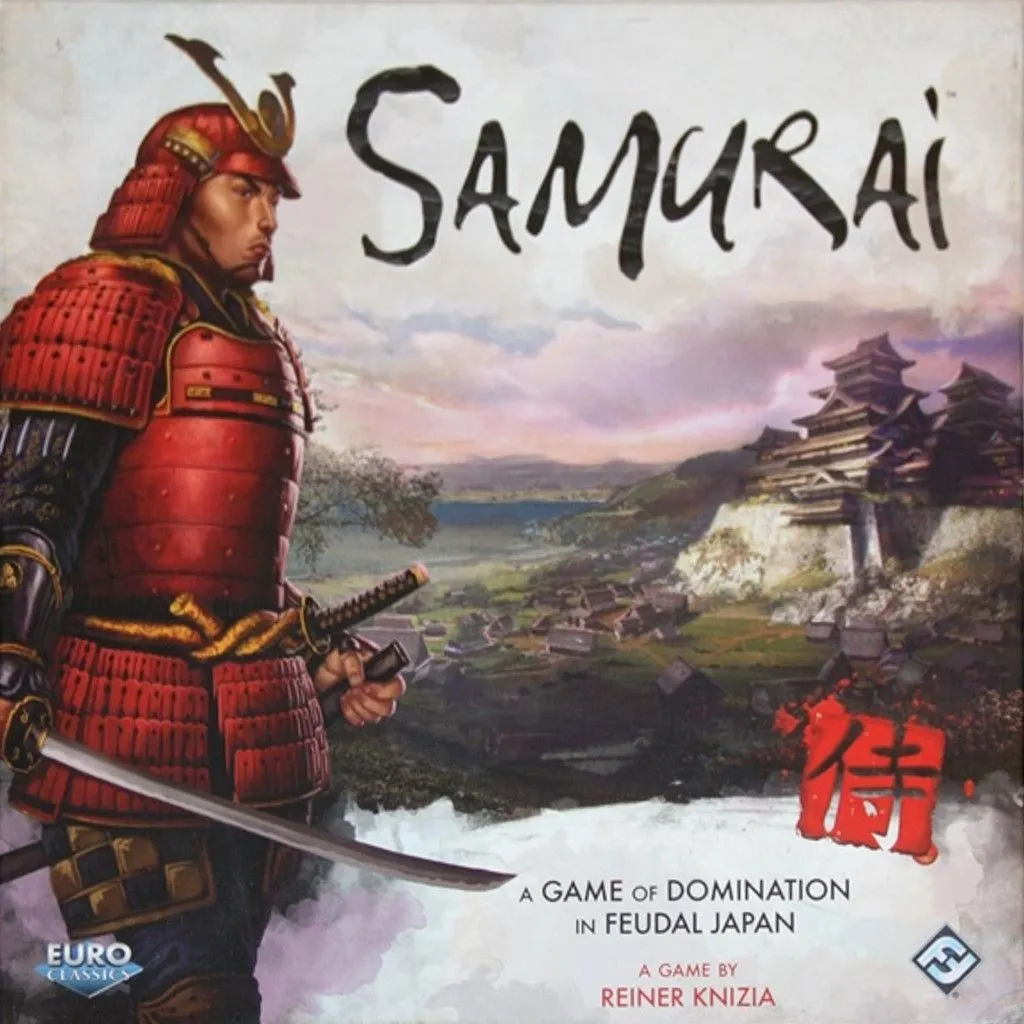
Samurai
- 2–4 Spieler
- 30–60 Min.
- Komplexität 2,4/5
- 1998
2021
Regelhilfe für Daimyo Senso
Verständliche Erklärungen zu Spielzügen, Karteneffekten und strittigen Situationen mit Verweisen auf offizielle Quellen und gespeichertem Fragenverlauf.
Für 1 Person
Was möchtest du wissen?
Antworten stammen aus dem offiziellen Regelheft, mit Seitenangabe zum Nachprüfen.
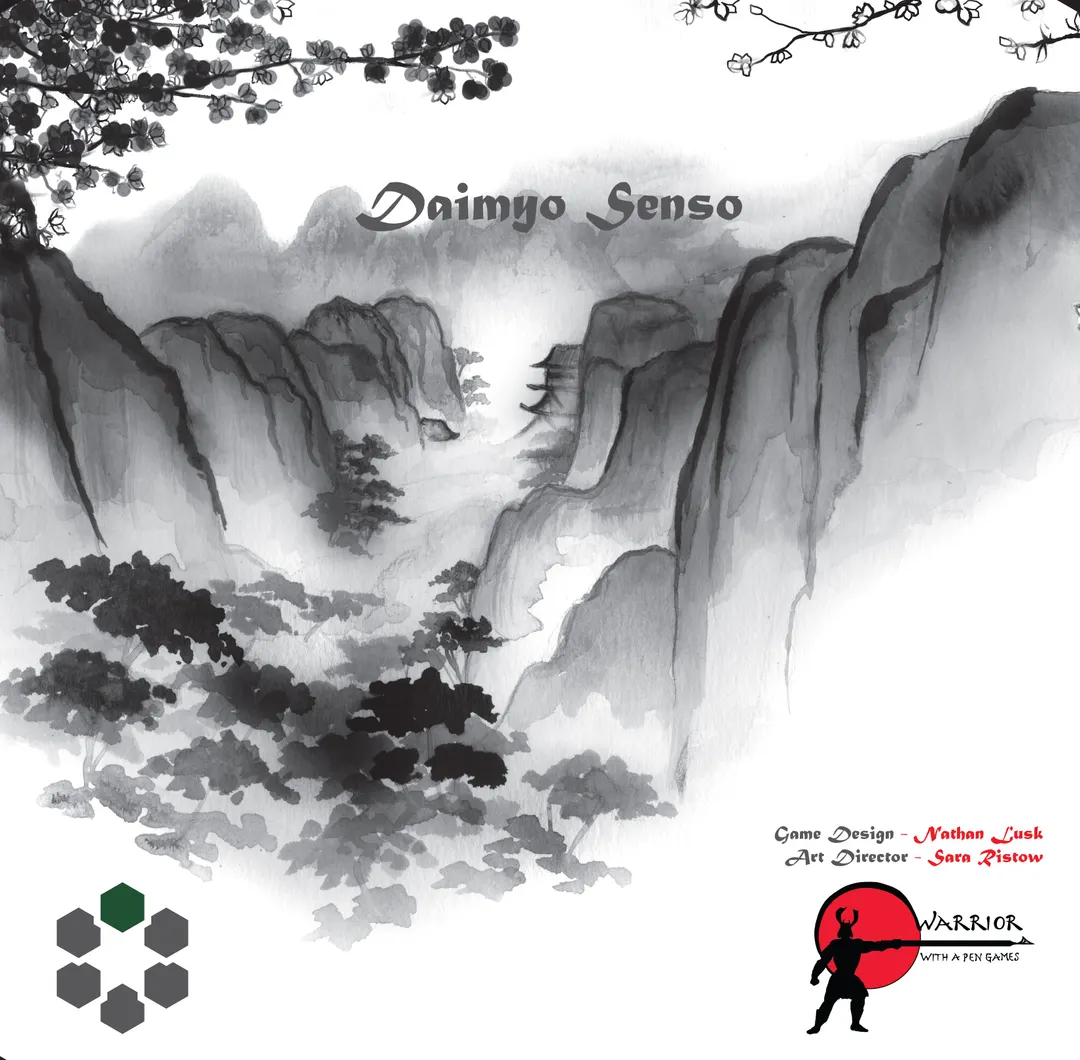
Daimyo Senso ist ein Brettspiel aus dem Jahr 2021 für 1–8 Personen, mit 40–120 Minuten pro Partie und ab 12 Jahren. Entwickelt wurde es von Nathan Lusk; die wichtigsten Mechaniken sind Once-Per-Game Abilities.





Auf Englisch
Manufactured in the USA! Daimyo Senso is a 1-8 player game where each player takes the role of a 16th century Japanese daimyo in conquest to become the next Shogun. Players take turns during 4 seasons per year for 4 years, using predetermined commands during each season. Those commands are Move, Deploy, or Attack. Once per year, each daimyo may use one special skill, which amplifies the power of one of their commands. At the end of each year, players tally up their total Castles, Cities, and Fortresses and are awarded Honor based on that total. The game is over after 4 years, and the player with the most Honor wins. In single player, the board is set up with significantly more troops, and the player must battle through all of them to completely conquer 5 Regions within 4 years. This race against the clock also acts to help players understand the Actions and General Cards. Edit: There are now additional multiplayer rules for playing the game out until only one player is left. This is an optional way to play, and makes the game much longer, but is still as strategic and even more desperately gratifying when a long-term plan comes together through alliance, deceit, and careful planning. Another optional rule sets the board up with all daimyo present even in a less-than-8 player game. Each faction in the game is asymmetrical, and each has its own 4 special skills, called General Cards. The factions include: Oda - Beginning in south central Honshu, the Oda clan has powerful General Cards that allow him to wage war heavily and assign his armies to the most crucial battlefronts. Uesugi - The Uesugi clan's attacks are bolstered by powerful generals, and his tactical movements and deployments insure that his armies are where they need to be. Takeda - While the mighty Takeda war machine has deceptively light attack powers, their troop movements and deployments make them extremely able to defend their hard-won gains. Hojo - The Hojo employ shinobi, which allows them to completely fool their enemies. While an enemy may think the Hojo are weak on one front, their armies can immediately arrive on the opposite end of their kingdom, shocking enemies into submission. Miyoshi - The Miyoshi use deception and surprise tactics to hit their enemies where they're weakest. Their powerful navy insures their ability to suddenly appear on any coast at any time. Mori - The Mori clan uses cunning to thwart their opponents. Their swift advance through unoccupied territories and their ability to fight on multiple fronts at once make them a headache for any enemy to stop. Date - The Date clan can assault enemy castles with heroic actions, and their ferocity makes neighboring armies wither. Beware the city of Sendai, as the Date will fiercely defend it. Shimazu - From the southern tip of Kyushu, the Shimazu wage war with their enemies to the North and East. The Shimazu are supported by the people, who rush to join their cause. -description from designer
Laut Katalog unterstützt Daimyo Senso 1–8 Personen. Diese Spanne entspricht der vom Verlag angegebenen Spielerzahl, das Spiel lässt sich also für jede Gruppengröße innerhalb dieser Spanne aufbauen. Aufbau, einzelne Regeln und Wertungsdetails können je nach Personenzahl trotzdem abweichen; prüfe daher die genaue Konfiguration in der Anleitung deiner Ausgabe.
Die angegebene Spieldauer für Daimyo Senso beträgt 40–120 Minuten. Das ist die Schätzung des Verlags für eine vollständige Partie. Die tatsächliche Dauer hängt von der Gruppe, der Personenzahl und der Regelkenntnis ab: Erste Partien dauern meist länger, erfahrene Gruppen sind oft schneller fertig. Aufbau und Regelerklärung sind in dieser Schätzung nicht enthalten.
Im Katalog wird Daimyo Senso ab 12 Jahren empfohlen. Das ist die Empfehlung des Verlags und berücksichtigt Leseanforderungen, Regelkomplexität und Kleinteile, nicht nur das Thema. Jüngere Kinder können oft mit Hilfe eines Erwachsenen mitspielen; beachte die Altersangabe deiner Ausgabe und die Brettspielerfahrung deiner Gruppe.
Daimyo Senso hat bei BoardGameGeek eine Komplexitätswertung von 3,0 von 5 und gilt damit als mittelschweres Spiel. Die Wertung zeigt, wie viel Regelwissen, Planung und Entscheidungen eine typische Partie verlangt. Schwerere Spiele brauchen bei der ersten Erklärung mehr Zeit, daher hilft vor dem Spieleabend eine Vorbereitungsanleitung.
Daimyo Senso gehört zu diesen Kategorien: Wargame und Abstract Strategy. Die wichtigsten Mechaniken sind Once-Per-Game Abilities. Kategorien beschreiben Thema und Setting eines Spiels, Mechaniken dagegen, was die Spielenden in ihrem Zug tatsächlich tun. Jede Mechanik führt zu einer Katalogseite mit ähnlichen Spielen, falls du etwas Vergleichbares suchst.
Als Autoren von Daimyo Senso sind angegeben: Nathan Lusk. Diese Angaben stammen aus den veröffentlichten Spieldaten und nennen die für das Spieldesign verantwortlichen Personen, nicht die Illustratoren oder Verlage. Die Autorenseiten auf MeepleRules sammeln weitere Titel derselben Autoren – praktisch, wenn dir ein Spiel gefällt und du ähnliche Spiele suchst.
Im Katalog ist Daimyo Senso als Grundspiel aufgeführt. Es lässt sich eigenständig mit dem Material aus der Schachtel spielen und benötigt keinen weiteren Titel. Erweiterungen, sofern es welche gibt, ergänzen neues Material oder neue Regeln und sind im Katalog separat mit einem Verweis auf dieses Grundspiel aufgeführt.