
- BGG-Rang
- BGG #6.107
- BGG-Bewertung
- 8,4
Arracourt
- 2 Spieler
- 120 Min.
- Komplexität 3,9/5
- 2022
2026
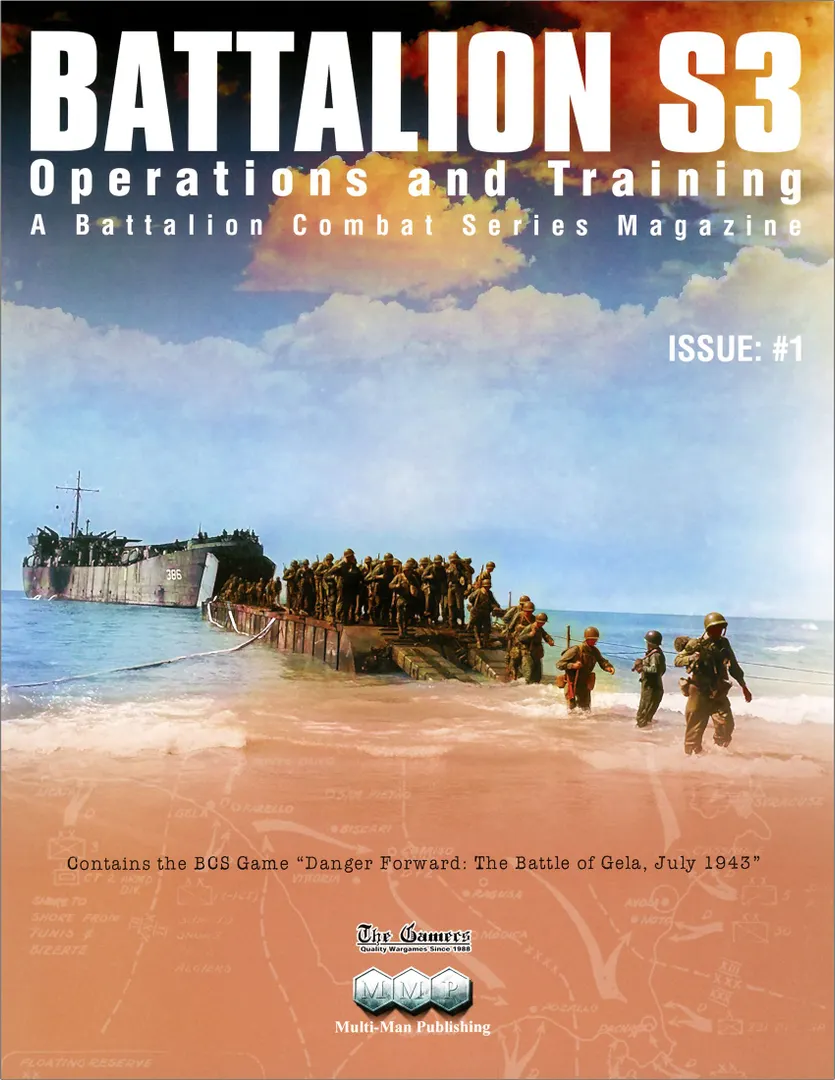
Regelhilfe für Danger Forward: The Battle of Gela, July 1943
Verständliche Erklärungen zu Spielzügen, Karteneffekten und strittigen Situationen mit Verweisen auf offizielle Quellen und gespeichertem Fragenverlauf.
Für 1 Person
Was möchtest du wissen?
Antworten stammen aus dem offiziellen Regelheft, mit Seitenangabe zum Nachprüfen.
Danger Forward: The Battle of Gela, July 1943 ist ein Brettspiel aus dem Jahr 2026 für 1–2 Personen. Entwickelt wurde es von Dean Essig und Carl Fung; die wichtigsten Mechaniken sind Hexagon Grid.





Auf Englisch
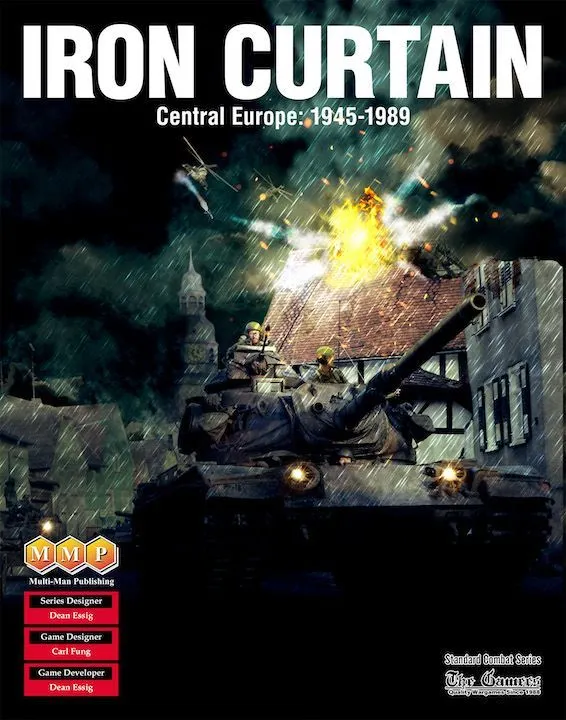
Danger Forward is a complete game covering the Battle of Gela that took place between 10-12 July, 1943 in Sicily. Following the initial landings of Operation Husky, the Italians and Germans were determined to throw the American forces back into the sea. They launched a vigorous attack that nearly succeeded, shelling the beaches with tank fire. The American ground forces, supported by the Royal Navy and US Navy offshore, fought hard to prevent defeat. Not resting on their laurels, the Allied forces had to push inland to secure ports and airfields to ultimately take the island. Taking Sicily quickly led to the invasion of Italy and ultimately the downfall of Mussolini. All of that hung in the balance based on the results of the fighting at Gela. The game showcases the unique forces involved at Gela, including the infamous Hermann Göring Panzer Division, the US 1st Infantry Division ("Big Red One"), US Rangers, and the Italian Livorno Division that acquitted itself well. The terrain depicts the unique Sicilian landscape, from the invasion beaches, the rough mountains inland, and the ubiquitous olive orchards that dotted the island. Danger Forward is ideal for gameplay: a single map, a handful of formations, and a three turn game. Yet the situation and game variables allow for replayability. Veteran players will see dynamic situations as challenging for each side, and new players will learn the ropes of how to perfect strategy and tactics. The maps and counters use the larger format as in Arracourt. It's ideal for setting up and completing in a single game session. Scenarios: The Battle of Gela (Campaign) Cent Beach (Intro Scenario) Dime Beach (Small Scenario) American Husky (Historical Ground Entries) Bitter Victory (All Historical Setup) —description from the publisher
Laut Katalog unterstützt Danger Forward: The Battle of Gela, July 1943 1–2 Personen. Diese Spanne entspricht der vom Verlag angegebenen Spielerzahl, das Spiel lässt sich also für jede Gruppengröße innerhalb dieser Spanne aufbauen. Aufbau, einzelne Regeln und Wertungsdetails können je nach Personenzahl trotzdem abweichen; prüfe daher die genaue Konfiguration in der Anleitung deiner Ausgabe.
Danger Forward: The Battle of Gela, July 1943 hat bei BoardGameGeek eine Komplexitätswertung von 4,0 von 5 und gilt damit als schweres Spiel. Die Wertung zeigt, wie viel Regelwissen, Planung und Entscheidungen eine typische Partie verlangt. Schwerere Spiele brauchen bei der ersten Erklärung mehr Zeit, daher hilft vor dem Spieleabend eine Vorbereitungsanleitung.
Danger Forward: The Battle of Gela, July 1943 gehört zu diesen Kategorien: Wargame und World War II. Die wichtigsten Mechaniken sind Hexagon Grid. Kategorien beschreiben Thema und Setting eines Spiels, Mechaniken dagegen, was die Spielenden in ihrem Zug tatsächlich tun. Jede Mechanik führt zu einer Katalogseite mit ähnlichen Spielen, falls du etwas Vergleichbares suchst.
Als Autoren von Danger Forward: The Battle of Gela, July 1943 sind angegeben: Dean Essig und Carl Fung. Diese Angaben stammen aus den veröffentlichten Spieldaten und nennen die für das Spieldesign verantwortlichen Personen, nicht die Illustratoren oder Verlage. Die Autorenseiten auf MeepleRules sammeln weitere Titel derselben Autoren – praktisch, wenn dir ein Spiel gefällt und du ähnliche Spiele suchst.
Im Katalog ist Danger Forward: The Battle of Gela, July 1943 als Grundspiel aufgeführt. Es lässt sich eigenständig mit dem Material aus der Schachtel spielen und benötigt keinen weiteren Titel. Erweiterungen, sofern es welche gibt, ergänzen neues Material oder neue Regeln und sind im Katalog separat mit einem Verweis auf dieses Grundspiel aufgeführt.