
- BGG-Rang
- BGG #5.745
- BGG-Bewertung
- 7,4
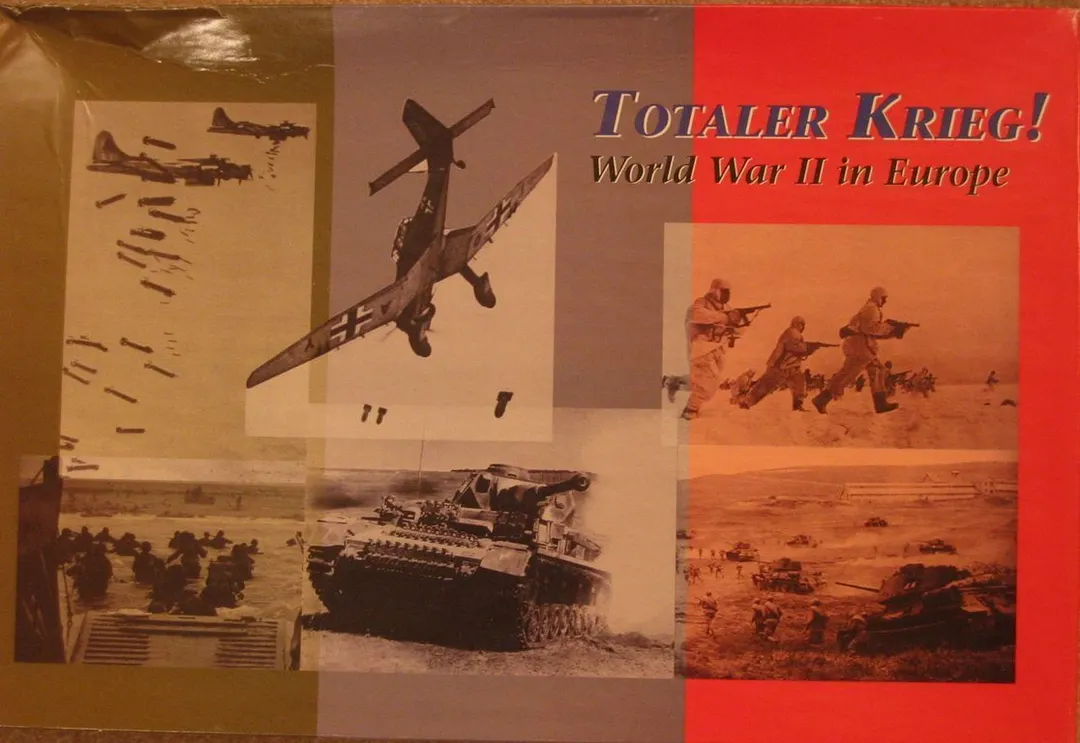
Totaler Krieg! World War II in Europe
- 1–3 Spieler
- 360 Min.
- Komplexität 4,0/5
- 1999
2012
Regelhilfe für Fading Glory
Verständliche Erklärungen zu Spielzügen, Karteneffekten und strittigen Situationen mit Verweisen auf offizielle Quellen und gespeichertem Fragenverlauf.
Für 2 Personen
Was möchtest du wissen?
Antworten stammen aus dem offiziellen Regelheft, mit Seitenangabe zum Nachprüfen.
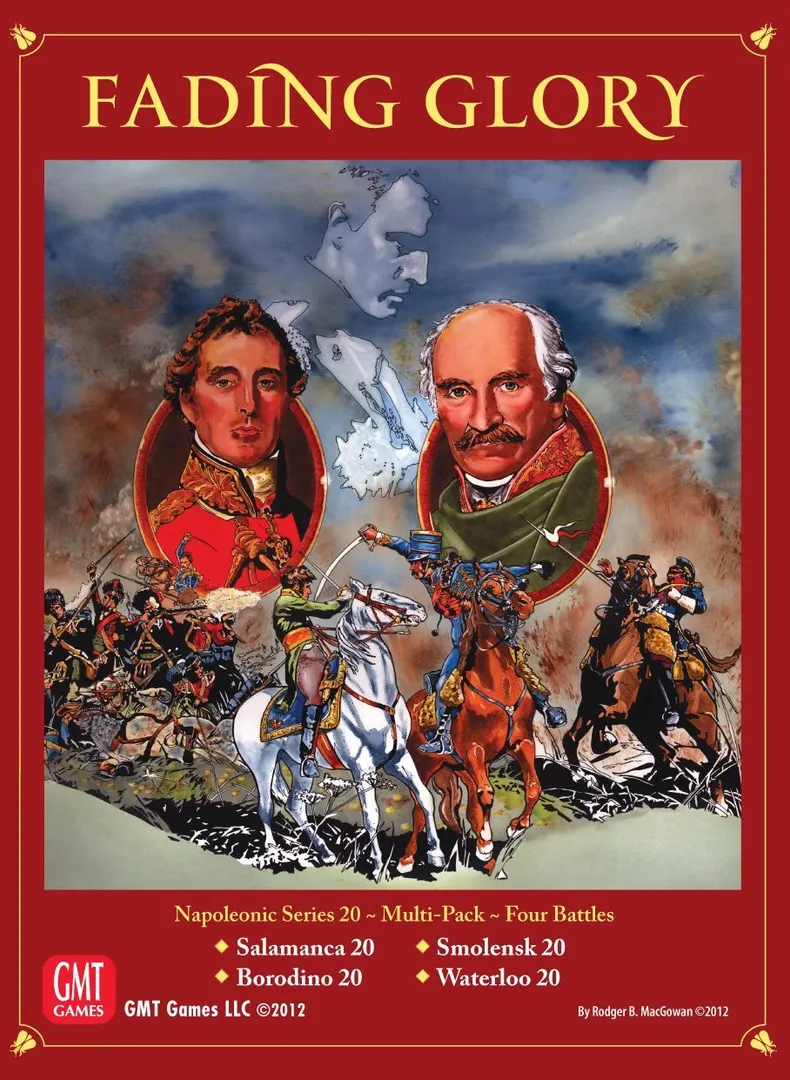
Fading Glory ist ein Brettspiel aus dem Jahr 2012 für 2 Personen und mit 60–90 Minuten pro Partie. Entwickelt wurde es von Alan Emrich, Joseph Miranda, Lance McMillan und Steve Carey; die wichtigsten Mechaniken sind Dice Rolling, Grid Movement und Hexagon Grid.
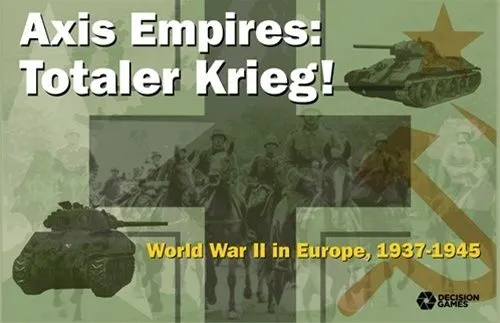
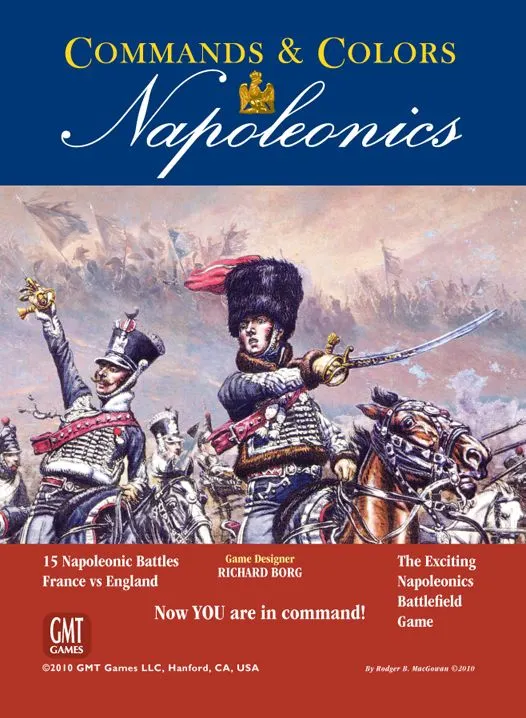
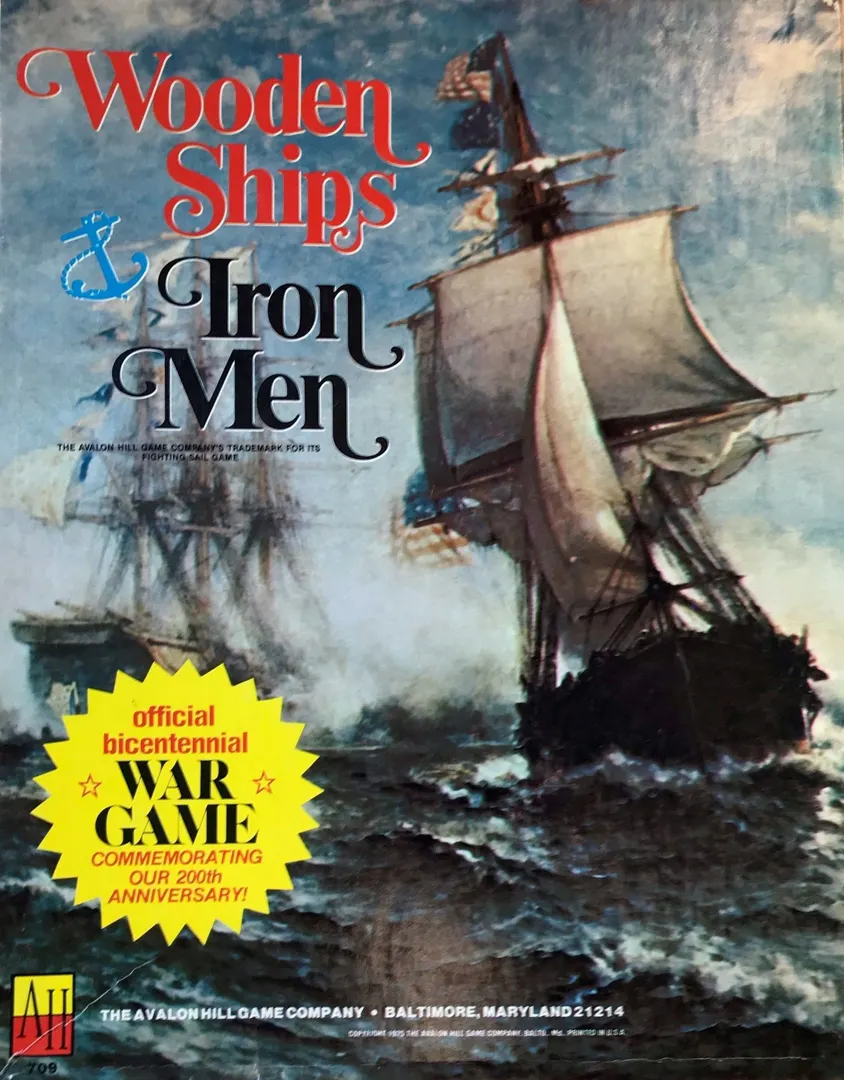
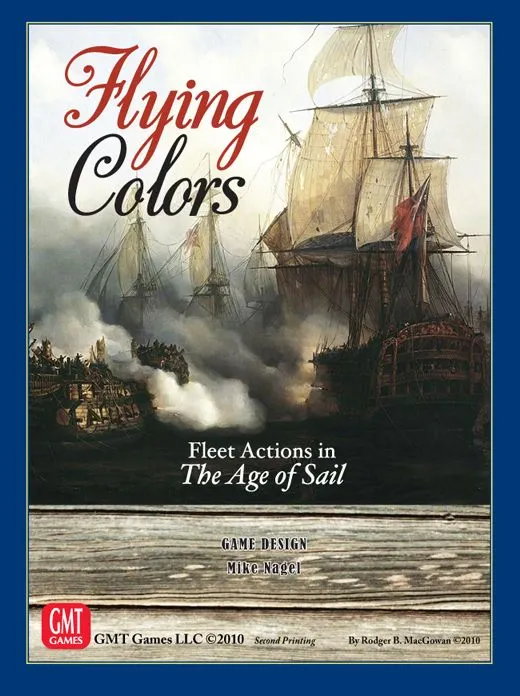

Auf Englisch
(from GMT webpage:) Napoleonic 20 Multi-Pack, Volume I Fading Glory is the second game (No Retreat - The Russian Front Deluxe Edition is the first) we (GMT Games) are producing as part of our strategic friendship/partnership with Victory Point Games, and the first game we are producing from their popular Napoleonic 20 series. The idea for this and future volumes is that we will take multiple existing games from the VPG Napeoleonic 20 series, add an as-yet-unpublished game to the mix, and create a GMT boxed game with 3-4 games in the box, using larger (3/4") counters and GMT production. The Napoleonic 20 game system from Victory Point Games features lower-level wargame complexity on maps where, generally, 20 pieces or fewer are in play at one time (total, for both sides). This creates tense, dramatic and fast-playing situations on the board where higher echelon troop formations (generally corps) vie for position and dominance. Subscribers to C3i have recently enjoyed Jena 20, a game in this series which features eight pages of Standard rules and one-to-two pages of exclusive rules per title. Veteran game designer Joe Miranda, with developers Alan Emrich and Lance McMillan, have created and refined a highly popular game series that is growing all the time. (Based on Joe's series rules, Alan, Lance, and Steve Carey have each designed one of the games in this multi-pack - in addition to Joe's Waterloo game.) A hallmark feature is the use of narrative random event cards that help “tell the stories” unique to each battle and small campaign. This “friction of war” element, combined with the operational-level maneuvers, combat, and even lulls, provide players a fun exercise in the Napoleonic parry-and-thrust of grand battles as armies close to bayonet-point to see which will break first. This edition includes the latest version (3.0) of the Standard series rules. Morale plays an vital role, as both sides can ‘spend’ this resource to force march their units, help rally stragglers, or commit reserves to a key attack or defense. But look out… when a side’s morale is reduced to zero, it has lost the game! Included in this Multi-Pack are: Salamanca 20 (Wellington vs. Marmont, 1812) Smolensk 20 (Napoleon vs. Barclay de Tolly in the near-battle to decide the Russian Campaign, 1812) Borodino 20 (Napoleon vs. Kutusov before Moscow, 1812) Waterloo 20 (Napoleon vs. Blucher and Wellington, 1815) Game Components: Four 17” x 22” mounted maps (2 boards, backprinted) 117 3/4" Counters (thick, with Rounded corners, like No Retreat) 48 Event cards (12 for each game) One 8-page Standard Rules booklet 4 Exclusive Rules sheets One Player’s Aid mat Two Player Aid charts 2 six-sided Dice DESIGN: Joe Miranda DEVELOPER: Alan Emrich & Lance McMillan ART DIRECTOR: Rodger B. MacGowan COUNTER ART: Tim Allen & Richard Starke MAP ART: Knut Grünitz
Laut Katalog unterstützt Fading Glory 2 Personen. Das ist die vom Verlag angegebene Spielerzahl, das Spiel ist also genau für diese Anzahl von Mitspielenden ausgelegt. Varianten für andere Gruppengrößen sind, sofern vorhanden, in der Anleitung deiner Ausgabe beschrieben; prüfe sie, bevor du eine andere Konfiguration aufbaust.
Die angegebene Spieldauer für Fading Glory beträgt 60–90 Minuten. Das ist die Schätzung des Verlags für eine vollständige Partie. Die tatsächliche Dauer hängt von der Gruppe, der Personenzahl und der Regelkenntnis ab: Erste Partien dauern meist länger, erfahrene Gruppen sind oft schneller fertig. Aufbau und Regelerklärung sind in dieser Schätzung nicht enthalten.
Fading Glory hat bei BoardGameGeek eine Komplexitätswertung von 2,6 von 5 und gilt damit als eher leichtes Spiel. Die Wertung zeigt, wie viel Regelwissen, Planung und Entscheidungen eine typische Partie verlangt. Schwerere Spiele brauchen bei der ersten Erklärung mehr Zeit, daher hilft vor dem Spieleabend eine Vorbereitungsanleitung.
Fading Glory gehört zu diesen Kategorien: Wargame und Napoleonic. Die wichtigsten Mechaniken sind Dice Rolling, Grid Movement und Hexagon Grid. Kategorien beschreiben Thema und Setting eines Spiels, Mechaniken dagegen, was die Spielenden in ihrem Zug tatsächlich tun. Jede Mechanik führt zu einer Katalogseite mit ähnlichen Spielen, falls du etwas Vergleichbares suchst.
Als Autoren von Fading Glory sind angegeben: Alan Emrich, Joseph Miranda, Lance McMillan und Steve Carey. Diese Angaben stammen aus den veröffentlichten Spieldaten und nennen die für das Spieldesign verantwortlichen Personen, nicht die Illustratoren oder Verlage. Die Autorenseiten auf MeepleRules sammeln weitere Titel derselben Autoren – praktisch, wenn dir ein Spiel gefällt und du ähnliche Spiele suchst.
Im Katalog ist Fading Glory als Grundspiel aufgeführt. Es lässt sich eigenständig mit dem Material aus der Schachtel spielen und benötigt keinen weiteren Titel. Erweiterungen, sofern es welche gibt, ergänzen neues Material oder neue Regeln und sind im Katalog separat mit einem Verweis auf dieses Grundspiel aufgeführt.