
- BGG-Rang
- BGG #11.357
- BGG-Bewertung
- 7,3
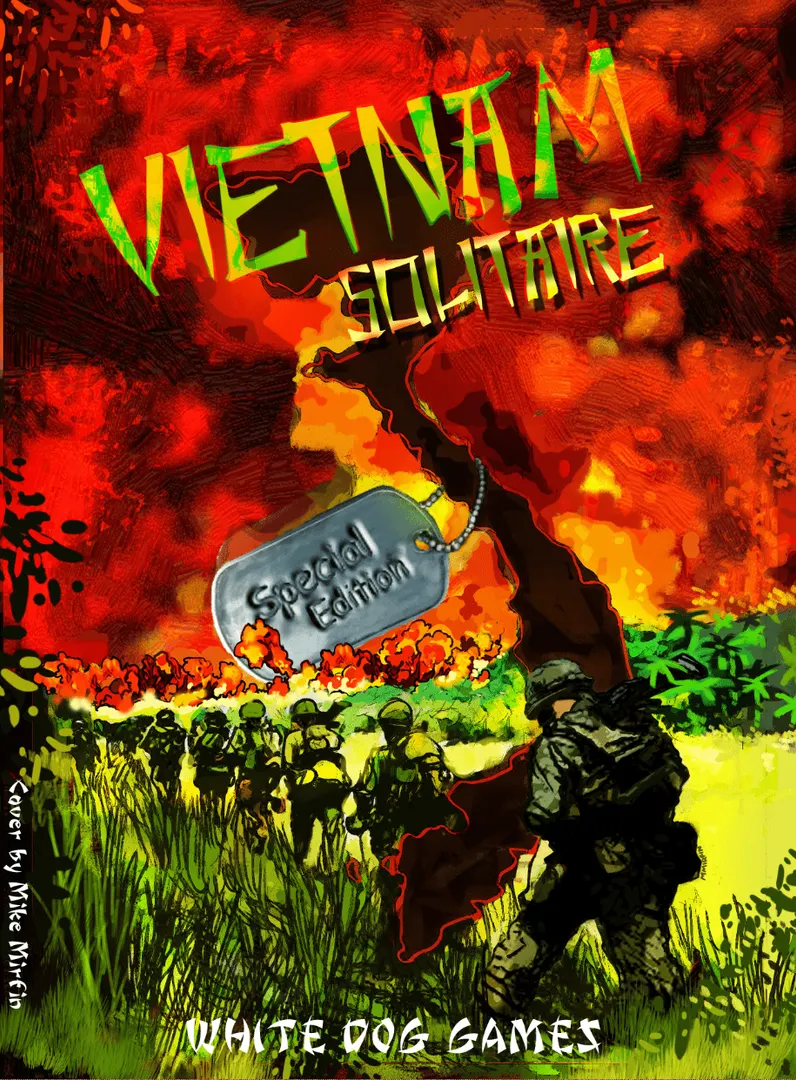
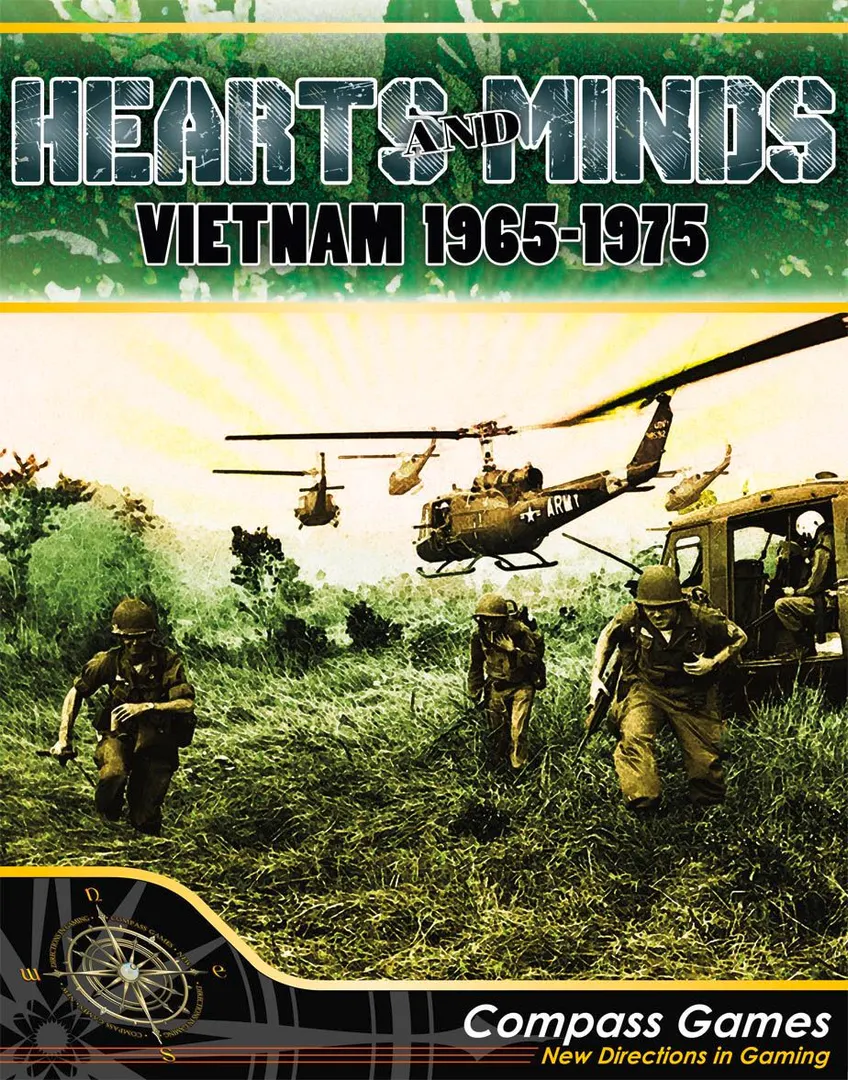
Vietnam Solitaire: Special Edition
- 1–2 Spieler
- 60 Min.
- Komplexität 2,1/5
- 2013
2013
Regelhilfe für Irish Freedom
Verständliche Erklärungen zu Spielzügen, Karteneffekten und strittigen Situationen mit Verweisen auf offizielle Quellen und gespeichertem Fragenverlauf.
Für 1 Person
Was möchtest du wissen?
Antworten stammen aus dem offiziellen Regelheft, mit Seitenangabe zum Nachprüfen.
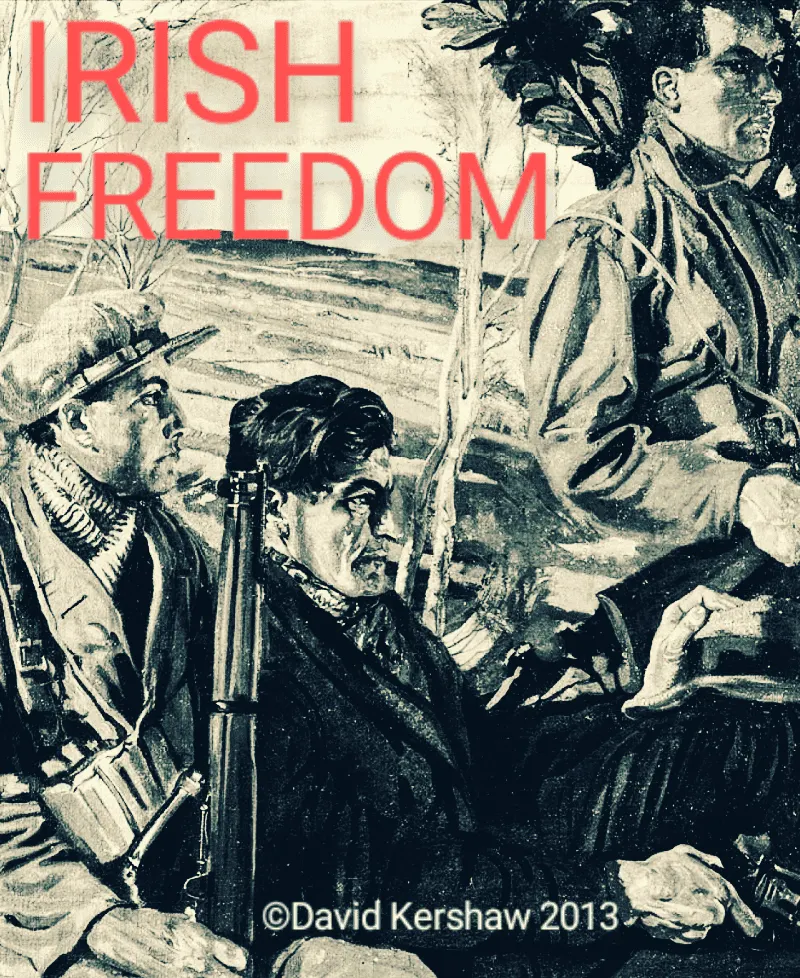
Irish Freedom ist ein Brettspiel aus dem Jahr 2013 für 1 Person und mit 60 Minuten pro Partie. Entwickelt wurde es von David Kershaw; die wichtigsten Mechaniken sind Area Movement, Dice Rolling und Simulation.





Auf Englisch
Game Summary: Irish Freedom is a solitaire wargame covering the Irish war of independence, and then the Irish civil war. The player controls the Irish forces fighting the British, then, after the treaty with Britain, plays the role of Michael Collins' Free State forces against the anti-treaty Republicans. Components: Map Rules British counters (Army, RIC, Black & Tans, UVF) Irish Free State counters (Mob, Guerillas, Regulars, A/Car, Artillery) Irish Republican counters (Mob, Guerillas, Flying column) D6 is required Playing time = 30-60 minutes. Game play: As the Irish player, you must first force the British to end the war in a treaty. This is done by denying areas of the country to them and eliminating British units. After this is completed, the Irish forces split along the line of the civil war. As the Free State (pro-treaty) player you will likely be initially outnumbered by the Republicans (anti-treaty), but with superior organisation and tactics, you can force their surrender. Historical background and the game: There are very few games on either the Irish war of independence, or the subsequent civil war. The war of independence can be indirectly blamed on the Germans. In 1912, after years (centuries, some would say) of resistance, the British parliament passed the Irish Home Rule bill. The bill then began to grind its way through parliament to become law. This was widely approved in Ireland, apart from the North-east, where the largely Protestant population feared for their future in what would be a largely Catholic state. They started to arm themselves as the Ulster Volunteer Force (UVF), and so did their Irish nationalist adversaries. Civil war looked likely, but was happily averted by the sudden arrival of several million heavily armed Germans in Belgium and France. Both the UVF and the Nationalists then happily joined the British army to fight the common foe. Meanwhile, the home rule bill was suspended for the war's duration, but sure it would all be over by Christmas... wouldn't it? It wasn't, and by 1916 some more radical Nationalists (called Republicans) got fed up and in Easter staged a farcical uprising, limited to those units that didn't get the message that it had been called off. It was crushed, but the hanging of the leaders, and the increasing harshness of British measures as the war progressed caused a sea-change in public opinion. In the 1918 general election, almost all of Ireland (not the North-east) voted in the Sinn Fein party, which refused to sit in the British parliament and, in 1919 declared Irish independence. Desultory fighting started between the new Irish Republican Army (IRA) and British forces. This is the point at which the game starts, with IRA units of varying capability in most areas of Ireland, and British garrisons (mostly Royal Irish Constabulary) throughout. In 1920 the home rule bill (remember it) passed, but by now with a special amendment allowing two parliaments - one for the North-east (now called Northern Ireland) and one for the rest of Ireland. Sinn Fein ignored it, as they already considered themselves independent, while Northern Ireland voted itself into existence. The game shows this effect with Northern Ireland having extra military units of the UVF. As the war progressed, the IRA were most successful in the Southern parts of Ireland, and the British forces were gradually excluded from the countryside and limited to towns. The game simulates this by giving different units different strength depending on the terrain - IRA guerillas and Flying columns are best in the countryside, the British better in the urban areas. With neither side able to win, and the British half expecting the home rule bill to have solved things in the first place, a peace treaty was signed. The treaty gave Southern Ireland (now called the Free State) Dominion status (like in Australia or Canada), with the King still as head of state, and cemented the separation of Northern Ireland. Naturally, this disgusted the more radical elements of Sinn Fein (led by Eamon De Valera), and military units who considered that they had won and so should have full independence. An election in 1922 was won handily by the pro-treaty Sinn Fein, but this did not solve things and fighting started as the pro-treaty forces, under Michael Collins, started to assert themselves over the anti-treaty forces. At this point, the players forces are split - largely along historical lines, with the South containing more anti-treaty forces, and the East more pro-treaty forces. As the player, you control the Free State forces against the anti-treaty republicans. This also means that you need to be careful how you fight the British since you will be raising troops that may not be loyal to the Free State! Initially outnumbered, the Free State forces rapidly mobilised and quite quickly crushed the Republicans. They used innovative tactics, notably landing troops by ship at key points behind enemy lines, and were able to win battles because they generally had artillery and armour (armoured cars) while the republicans didn't. In the game you can perform naval landings, and you have attached artillery and armoured car units to give a bonus in combat. Victory is decided by two things - How quickly the British are beaten, and how quickly/completely the Republicans are beaten.
Laut Katalog unterstützt Irish Freedom 1 Person. Das ist die vom Verlag angegebene Spielerzahl, das Spiel ist also genau für diese Anzahl von Mitspielenden ausgelegt. Varianten für andere Gruppengrößen sind, sofern vorhanden, in der Anleitung deiner Ausgabe beschrieben; prüfe sie, bevor du eine andere Konfiguration aufbaust.
Die angegebene Spieldauer für Irish Freedom beträgt 60 Minuten. Das ist die Schätzung des Verlags für eine vollständige Partie. Die tatsächliche Dauer hängt von der Gruppe, der Personenzahl und der Regelkenntnis ab: Erste Partien dauern meist länger, erfahrene Gruppen sind oft schneller fertig. Aufbau und Regelerklärung sind in dieser Schätzung nicht enthalten.
Irish Freedom hat bei BoardGameGeek eine Komplexitätswertung von 2,0 von 5 und gilt damit als eher leichtes Spiel. Die Wertung zeigt, wie viel Regelwissen, Planung und Entscheidungen eine typische Partie verlangt. Schwerere Spiele brauchen bei der ersten Erklärung mehr Zeit, daher hilft vor dem Spieleabend eine Vorbereitungsanleitung.
Irish Freedom gehört zu diesen Kategorien: Wargame, Print & Play und Civil War. Die wichtigsten Mechaniken sind Area Movement, Dice Rolling und Simulation. Kategorien beschreiben Thema und Setting eines Spiels, Mechaniken dagegen, was die Spielenden in ihrem Zug tatsächlich tun. Jede Mechanik führt zu einer Katalogseite mit ähnlichen Spielen, falls du etwas Vergleichbares suchst.
Als Autoren von Irish Freedom sind angegeben: David Kershaw. Diese Angaben stammen aus den veröffentlichten Spieldaten und nennen die für das Spieldesign verantwortlichen Personen, nicht die Illustratoren oder Verlage. Die Autorenseiten auf MeepleRules sammeln weitere Titel derselben Autoren – praktisch, wenn dir ein Spiel gefällt und du ähnliche Spiele suchst.
Im Katalog ist Irish Freedom als Grundspiel aufgeführt. Es lässt sich eigenständig mit dem Material aus der Schachtel spielen und benötigt keinen weiteren Titel. Erweiterungen, sofern es welche gibt, ergänzen neues Material oder neue Regeln und sind im Katalog separat mit einem Verweis auf dieses Grundspiel aufgeführt.