
- BGG-Bewertung
- 10,0
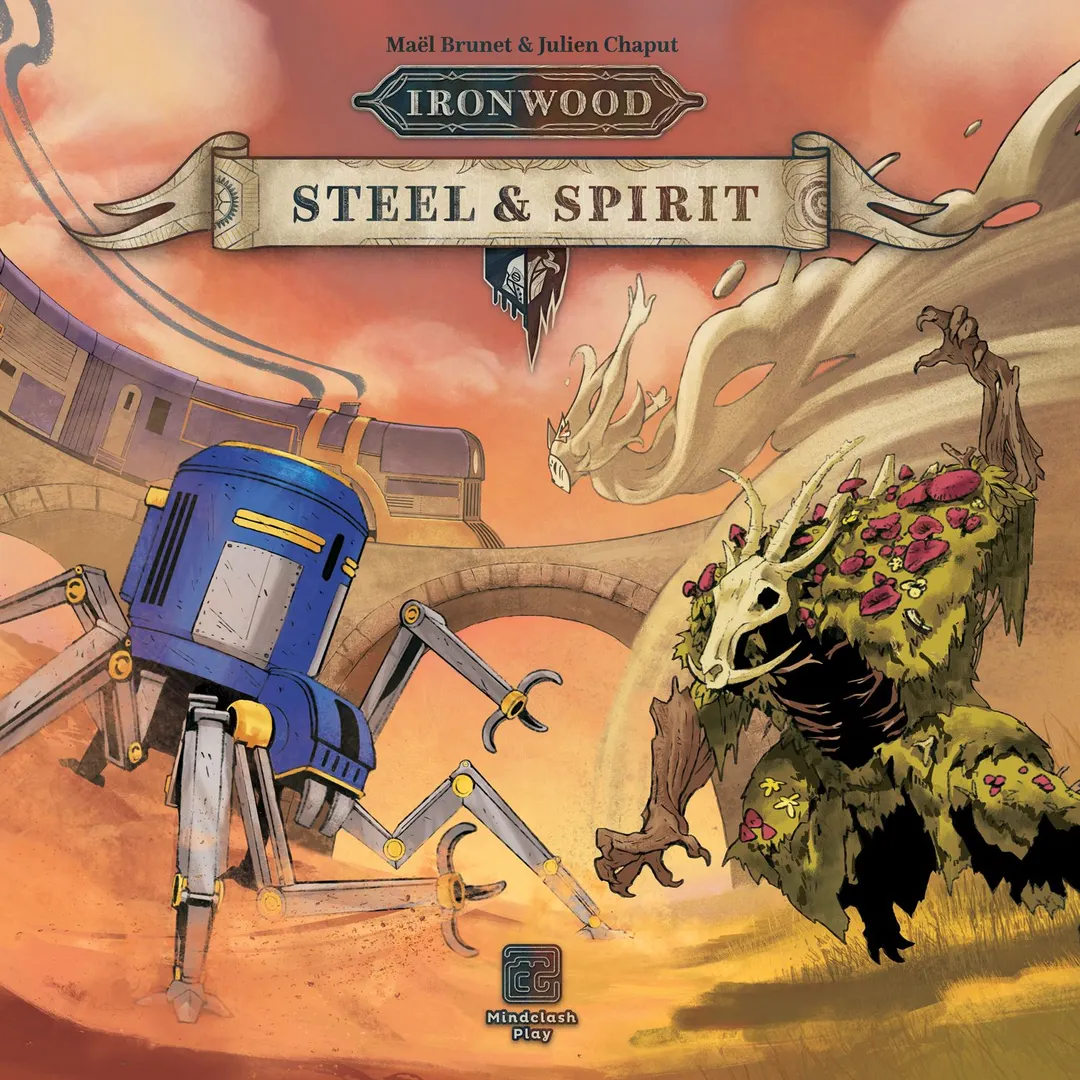
Ironwood: Steel & Spirit
- 1–2 Spieler
- 30–60 Min.
- 2026
2024
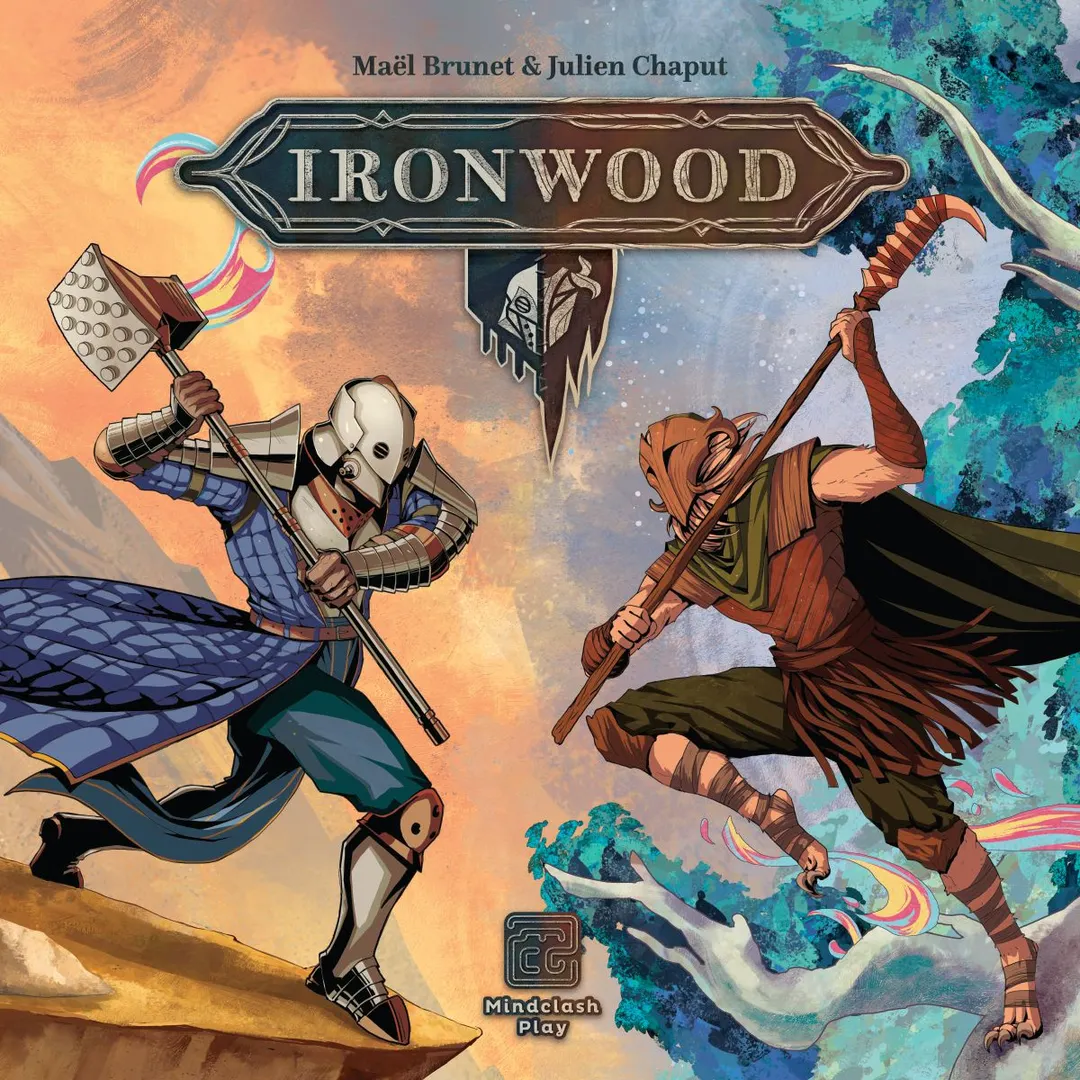
Regelhilfe für Ironwood
Verständliche Erklärungen zu Spielzügen, Karteneffekten und strittigen Situationen mit Verweisen auf offizielle Quellen und gespeichertem Fragenverlauf.
Für 1 Person
Was möchtest du wissen?
Antworten stammen aus dem offiziellen Regelheft, mit Seitenangabe zum Nachprüfen.
Ironwood ist ein Brettspiel aus dem Jahr 2024 für 1–2 Personen, mit 30–60 Minuten pro Partie und ab 12 Jahren. Entwickelt wurde es von Maël Brunet und Julien Chaput; die wichtigsten Mechaniken sind Hand Management, Area Movement und Solo / Solitaire Game.





Auf Englisch
An eternal conflict for the land of Ironwood is raging between two factions: the stalwart and hard-working Ironclad, settlers of the iron mountains; and the ferocious Woodwalkers, swift and deadly shadows of the forests. Both factions struggle for the ultimate control over the land for its greatest treasure: the Larimor Crystals, a mysterious substance holding immense energy within. It can be found both inside the colossal mountains and scattered across the dense forests. The Ironclad extract the essence of the crystals and process their energy to fuel their machines and mechanical inventions. If they succeed, their giant forges will swarm the land with endless armies, and establish ultimate dominance over Ironwood. The Woodwalkers use the crystals’ raw magical power to discover and retrieve three ancient totems from secret ritual sites, hidden in the mountains. Once retrieved, the combined power of these totems will summon the Guardian, the ancient protector of the woods, to wipe out the Ironclad once and for all. One way or another, the eternal conflict is finally coming to an end. Ironwood is a rules-light, highly asymmetric, card-driven tactical game for 1-2 players. Each round, you and your opponent alternate playing a total of 3 of your faction-specific cards for their action effects. These effects include positioning your warbands, initiating combat, extracting crystals, bestowing temporary passive effects, and many more. When combat occurs, you will use the same cards for their combat values instead, in a simultaneous bid to gain combat bonuses, inflict and fend off casualties, and augment the Dominance value of your warbands to win the combat. The two factions are completely asymmetric in their play styles, decks, victory conditions - even in which parts of the map they can access. As the Commander of the Ironclad, your primary goal is to lay down the foundations of your forges in the outer mountains, and once you have collected enough crystals, build forges on the foundations. As the Chieftain of the Woodwalkers, your mission is to locate your people’s ancient totems through Vision cards, clear the path to them by defeating Ironclad warbands, and finally securing them in the outer forests, beyond the Ironclads’ reach. Once you have retrieved the third totem as the Chieftain, or built the third Forge as the Commander, you immediately win the game. Ironwood also features a low-upkeep solo mode against the Ironclad or the Woodwalkers. Although both solo opponents work on the same main principles, each of them bears its faction’s unique aspects and features. —description from the publisher
Laut Katalog unterstützt Ironwood 1–2 Personen. Diese Spanne entspricht der vom Verlag angegebenen Spielerzahl, das Spiel lässt sich also für jede Gruppengröße innerhalb dieser Spanne aufbauen. Aufbau, einzelne Regeln und Wertungsdetails können je nach Personenzahl trotzdem abweichen; prüfe daher die genaue Konfiguration in der Anleitung deiner Ausgabe.
Die angegebene Spieldauer für Ironwood beträgt 30–60 Minuten. Das ist die Schätzung des Verlags für eine vollständige Partie. Die tatsächliche Dauer hängt von der Gruppe, der Personenzahl und der Regelkenntnis ab: Erste Partien dauern meist länger, erfahrene Gruppen sind oft schneller fertig. Aufbau und Regelerklärung sind in dieser Schätzung nicht enthalten.
Im Katalog wird Ironwood ab 12 Jahren empfohlen. Das ist die Empfehlung des Verlags und berücksichtigt Leseanforderungen, Regelkomplexität und Kleinteile, nicht nur das Thema. Jüngere Kinder können oft mit Hilfe eines Erwachsenen mitspielen; beachte die Altersangabe deiner Ausgabe und die Brettspielerfahrung deiner Gruppe.
Ironwood hat bei BoardGameGeek eine Komplexitätswertung von 2,8 von 5 und gilt damit als eher leichtes Spiel. Die Wertung zeigt, wie viel Regelwissen, Planung und Entscheidungen eine typische Partie verlangt. Schwerere Spiele brauchen bei der ersten Erklärung mehr Zeit, daher hilft vor dem Spieleabend eine Vorbereitungsanleitung.
Ironwood gehört zu diesen Kategorien: Fantasy und Wargame. Die wichtigsten Mechaniken sind Hand Management, Area Movement und Solo / Solitaire Game. Kategorien beschreiben Thema und Setting eines Spiels, Mechaniken dagegen, was die Spielenden in ihrem Zug tatsächlich tun. Jede Mechanik führt zu einer Katalogseite mit ähnlichen Spielen, falls du etwas Vergleichbares suchst.
Als Autoren von Ironwood sind angegeben: Maël Brunet und Julien Chaput. Diese Angaben stammen aus den veröffentlichten Spieldaten und nennen die für das Spieldesign verantwortlichen Personen, nicht die Illustratoren oder Verlage. Die Autorenseiten auf MeepleRules sammeln weitere Titel derselben Autoren – praktisch, wenn dir ein Spiel gefällt und du ähnliche Spiele suchst.
Im Katalog ist Ironwood als Grundspiel aufgeführt. Es lässt sich eigenständig mit dem Material aus der Schachtel spielen und benötigt keinen weiteren Titel. Erweiterungen, sofern es welche gibt, ergänzen neues Material oder neue Regeln und sind im Katalog separat mit einem Verweis auf dieses Grundspiel aufgeführt.