
- BGG-Rang
- BGG #1.950
- BGG-Bewertung
- 7,0
Kremlin
- 3–6 Spieler
- 75 Min.
- Komplexität 2,9/5
- 1986
2014
Regelhilfe für Kremlin (Fourth Edition)
Verständliche Erklärungen zu Spielzügen, Karteneffekten und strittigen Situationen mit Verweisen auf offizielle Quellen und gespeichertem Fragenverlauf.
Für 2 Personen
Was möchtest du wissen?
Antworten stammen aus dem offiziellen Regelheft, mit Seitenangabe zum Nachprüfen.
Kremlin (Fourth Edition) ist ein Brettspiel aus dem Jahr 2014 für 2–6 Personen, mit 45–90 Minuten pro Partie und ab 12 Jahren. Entwickelt wurde es von Urs Hostettler; die wichtigsten Mechaniken sind Hand Management, Secret Unit Deployment und Voting.


Auf Englisch
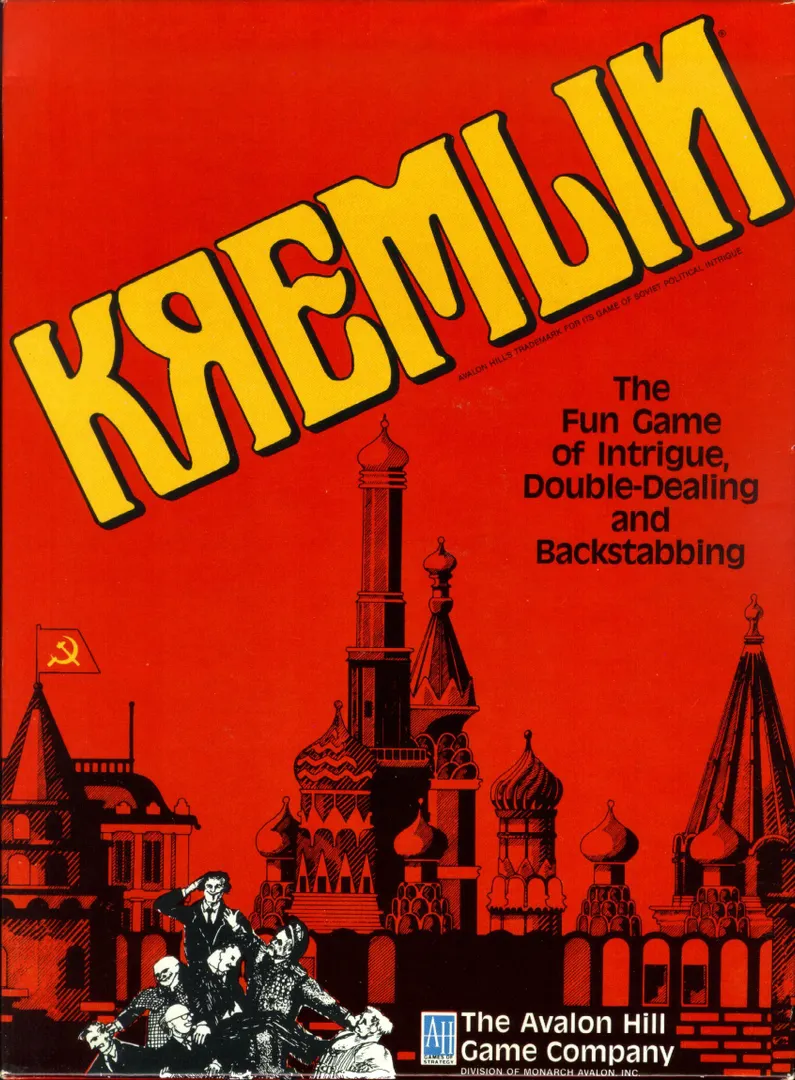
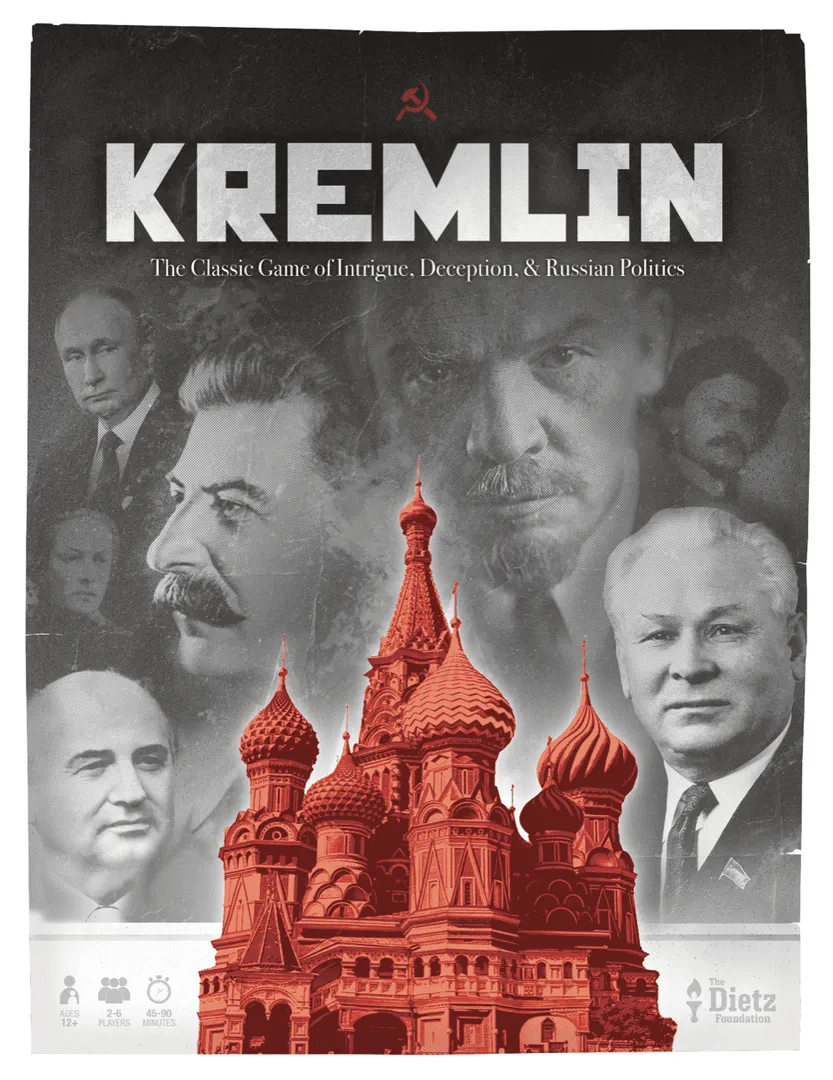
Originally released by Fata Morgana in the 1980s, KREMLIN is a European-style boardgame where players compete to control the Communist Party of the Soviet Union. The Jolly Roger KREMLIN features updated art and better components created in the style of 1930s Soviet poster propaganda. This edition has an error on the board that has the name of the game covering part of the graphics and text on the board. Kremlin is played for up to ten turns, ending as soon as the Party Chief successfully waves three times at the May Day Parade or when so many politicians are dead or in Siberia that the Party Chief can disband the Politburo and take complete power for himself. Each turn has phases. The most important of these are the KGB trials (which can send party members to Siberia or the cemetery) and the Defense Ministry's Spy Investigations which can also force politicians on a winter's gulag holiday. With the KGB, the catch is that the higher up the ladder the target, the more difficult to bring down, and Party Chiefs tend to change KGB leaders who take shots at the top... For the Defense Minister, his investigations require a trial to be successful--and a guilty vote, and that isn't always possible in the Central Committee. The catch? Players allot influence secretly at the start of the game and don't reveal it until it is used, meaning no one knows who controls the KGB or any other ministry, not until Influence is revealed--and even then, who knows who still has undeclared influence on that person? It is possible that players can swap control back and forth over the KGB chief even as he is trying to determine who to assassinate! Once the carnage is done, players have to survive the ravages of aging--and every time a politician takes action, he ages faster than normal...your 50 yr old star of the party? Well, suddenly he's acting like he's 83, Comrade. Life near the top will do that to you. In the Health phase, politicians may die or grow sick--sick politicians can choose to go to the hospital, but while there, they exert no influence and their responsibilities pass on to other politicians. Sometimes this means your man must make the heroic sacrifice to the Rodina and remain on the job even while at death's door. Once we know who is still alive, the Party Chief is allowed to move politicians between posts. After all, he's in control of the bureaucracy. He can move people up and down, and when he's done, upper ministers do so as well--but can only affect politicians below them on the food chain. Heck, politicians can even sponsor comrades in exile in Siberia to come back to the People. Of course, each person you bring back ages you five years....want to bring back five? Age 25 years in the blink of an eye, Tovarich. Intrigue cards allow you to take control of situations or foil other players' schemes. In one of the older versions, you could have things like Chernobyl take place in 1920. That's been corrected--so that while events may be the same, they have now been made era-appropriate. The turn ends with the May Day Parade. If the party chief is healthy, he can wave throughout the day making people happy--clearly our socialist union is prospering. But if he's sick, sometimes he leaves early and is unable to wave, sending doubts through the ranks. If a faction (player) earns three waves, they win the game. The Jolly Roger version provides three different KREMLIN games in one box. The 'original' with fictional politicians, set in a USSR where KGB investigations send those found guilty to Siberia. This version will have victory conditions based on the original Fata Morgana rules. A version inspired by the Avalon Hill variant titled 'Revolution'. Set in the 1920s, it uses historical politicians as well as fictional politicians. It's a more violent game as those arrested by the KGB are shot and removed from the game. A new version, set in the modern USSR and Russia, an era of entrenched bureaucracy and alternatives for escaping KGB persecution. This version introduces the concept of "Going into Exile" to avoid Siberia. It also includes modern politicians from the 1960s onwards, whether it is Kosygin or Putin and Gorbachev.
Laut Katalog unterstützt Kremlin (Fourth Edition) 2–6 Personen. Diese Spanne entspricht der vom Verlag angegebenen Spielerzahl, das Spiel lässt sich also für jede Gruppengröße innerhalb dieser Spanne aufbauen. Aufbau, einzelne Regeln und Wertungsdetails können je nach Personenzahl trotzdem abweichen; prüfe daher die genaue Konfiguration in der Anleitung deiner Ausgabe.
Die angegebene Spieldauer für Kremlin (Fourth Edition) beträgt 45–90 Minuten. Das ist die Schätzung des Verlags für eine vollständige Partie. Die tatsächliche Dauer hängt von der Gruppe, der Personenzahl und der Regelkenntnis ab: Erste Partien dauern meist länger, erfahrene Gruppen sind oft schneller fertig. Aufbau und Regelerklärung sind in dieser Schätzung nicht enthalten.
Im Katalog wird Kremlin (Fourth Edition) ab 12 Jahren empfohlen. Das ist die Empfehlung des Verlags und berücksichtigt Leseanforderungen, Regelkomplexität und Kleinteile, nicht nur das Thema. Jüngere Kinder können oft mit Hilfe eines Erwachsenen mitspielen; beachte die Altersangabe deiner Ausgabe und die Brettspielerfahrung deiner Gruppe.
Kremlin (Fourth Edition) hat bei BoardGameGeek eine Komplexitätswertung von 2,4 von 5 und gilt damit als eher leichtes Spiel. Die Wertung zeigt, wie viel Regelwissen, Planung und Entscheidungen eine typische Partie verlangt. Schwerere Spiele brauchen bei der ersten Erklärung mehr Zeit, daher hilft vor dem Spieleabend eine Vorbereitungsanleitung.
Kremlin (Fourth Edition) gehört zu diesen Kategorien: Humor, Bluffing und Political. Die wichtigsten Mechaniken sind Hand Management, Secret Unit Deployment und Voting. Kategorien beschreiben Thema und Setting eines Spiels, Mechaniken dagegen, was die Spielenden in ihrem Zug tatsächlich tun. Jede Mechanik führt zu einer Katalogseite mit ähnlichen Spielen, falls du etwas Vergleichbares suchst.
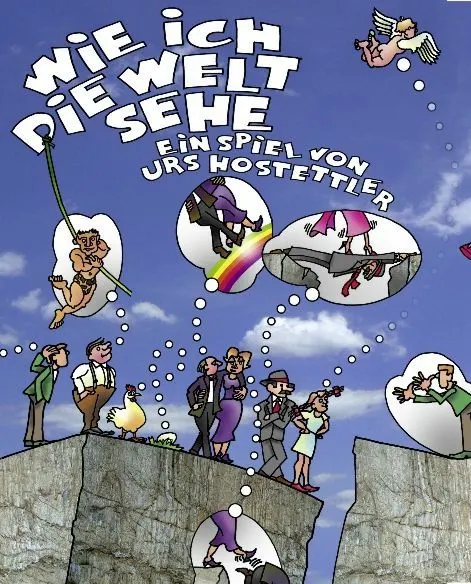
Als Autoren von Kremlin (Fourth Edition) sind angegeben: Urs Hostettler. Diese Angaben stammen aus den veröffentlichten Spieldaten und nennen die für das Spieldesign verantwortlichen Personen, nicht die Illustratoren oder Verlage. Die Autorenseiten auf MeepleRules sammeln weitere Titel derselben Autoren – praktisch, wenn dir ein Spiel gefällt und du ähnliche Spiele suchst.
Im Katalog ist Kremlin (Fourth Edition) als Grundspiel aufgeführt. Es lässt sich eigenständig mit dem Material aus der Schachtel spielen und benötigt keinen weiteren Titel. Erweiterungen, sofern es welche gibt, ergänzen neues Material oder neue Regeln und sind im Katalog separat mit einem Verweis auf dieses Grundspiel aufgeführt.