
- BGG-Bewertung
- 8,2
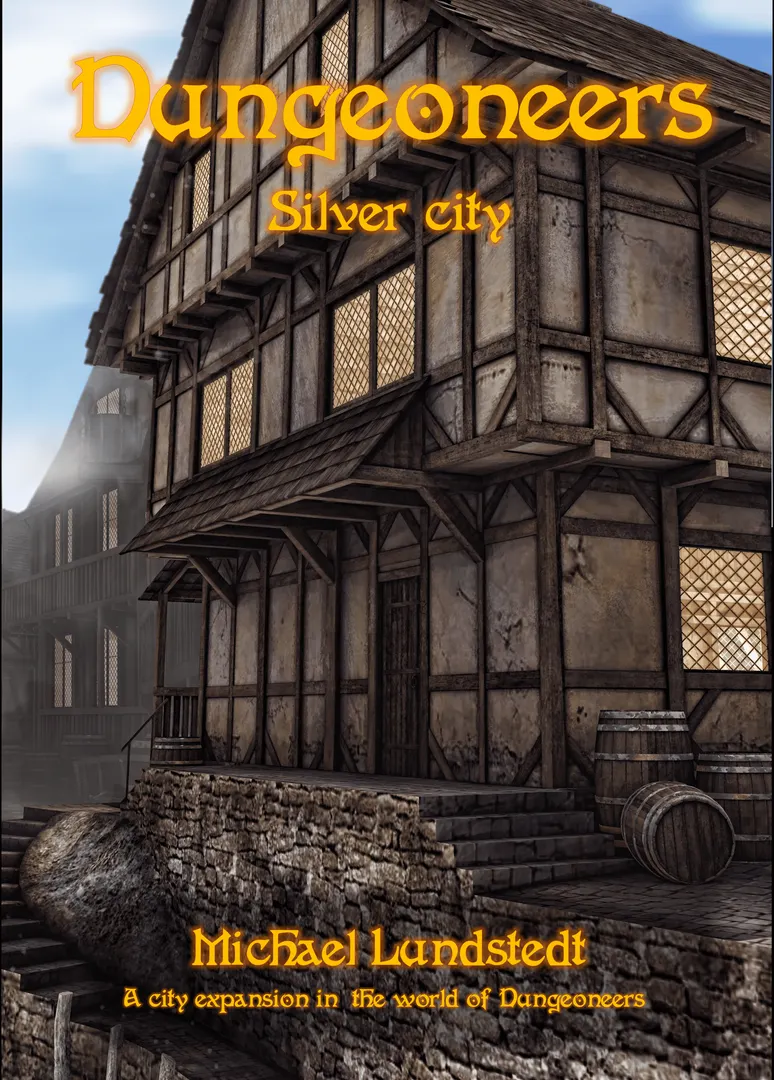
Dungeoneers: Silver City
- 1–4 Spieler
- 90–180 Min.
- 2021
2022
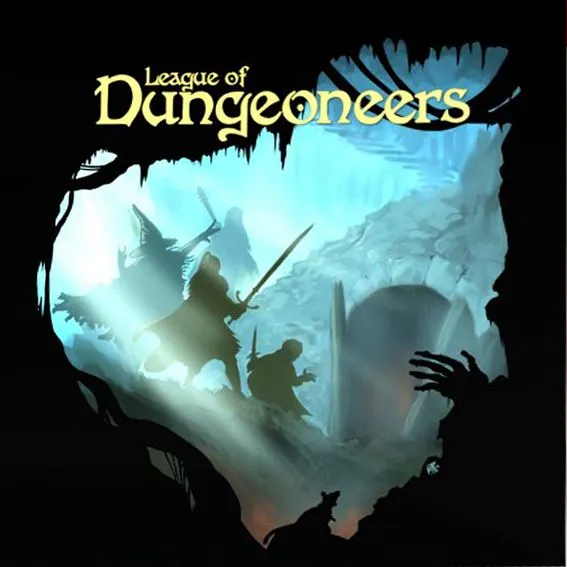
Regelhilfe für League of Dungeoneers
Verständliche Erklärungen zu Spielzügen, Karteneffekten und strittigen Situationen mit Verweisen auf offizielle Quellen und gespeichertem Fragenverlauf.
Für 1 Person
Was möchtest du wissen?
Antworten stammen aus dem offiziellen Regelheft, mit Seitenangabe zum Nachprüfen.
League of Dungeoneers ist ein Brettspiel aus dem Jahr 2022 für 1–4 Personen, mit 90–180 Minuten pro Partie und ab 14 Jahren. Entwickelt wurde es von Michael Lundstedt; die wichtigsten Mechaniken sind Dice Rolling, Square Grid und Paper-and-Pencil.
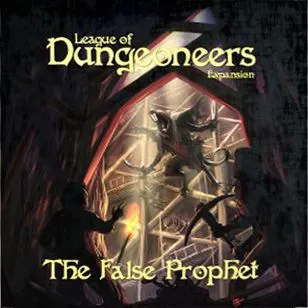
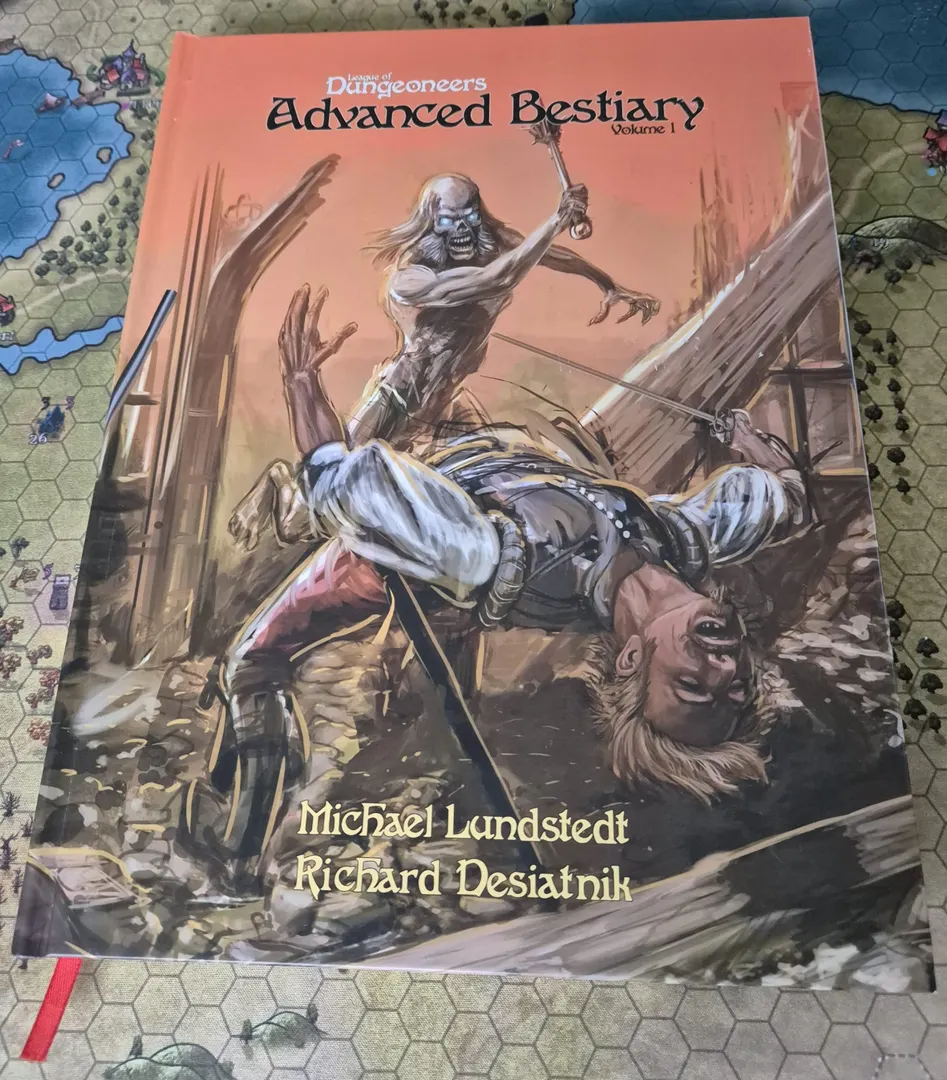
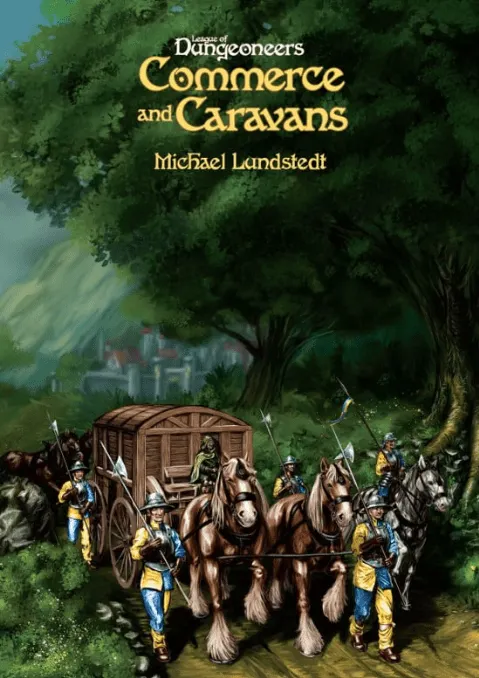




Auf Englisch
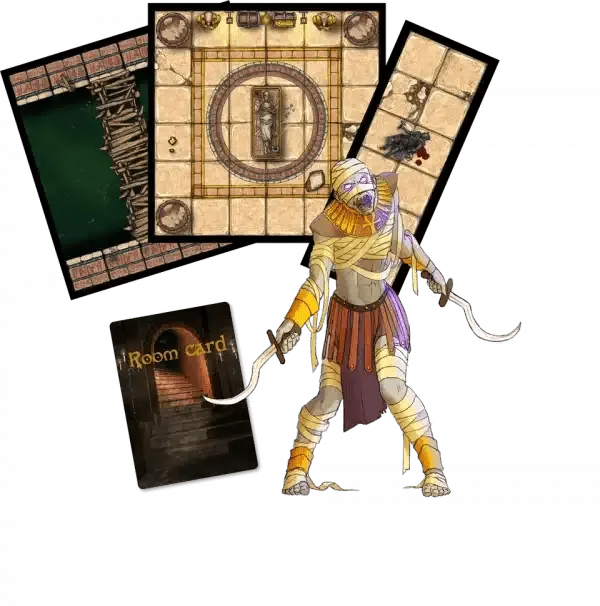
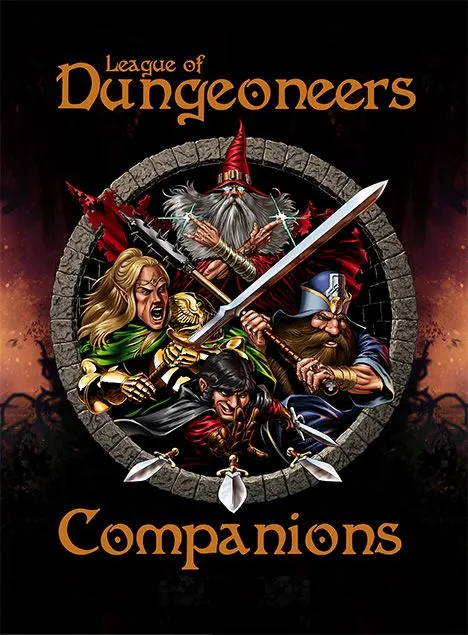
League of Dungeoneers (LoD) is a detailed Dungeon Crawl and party management game. The game is designed to be a solo/coop game but could be played with a game master as well. The main task of the game is to develop your characters both by gaining experience but also by finding gold, equipment, magic and legendary items that can help you in your quest. The game is set in its own fantasy universe, containing many of the races and monsters that you would expect from a classical fantasy setting. You could either run the campaign supplied with the game or run any of the 22 single quests. All dungeons are procedurally generated, and all monsters and treasures are randomized making the quests different every time you play them. There is however a theme for each quest you embark upon so don’t expect to find a goblin among the undead in a crypt. There are more than 50 different room and corridor tiles, each with details about furniture and 5 different large seized objective rooms. All rooms have different furniture and a chest is likely to contain gold or magic items, where for instance a bookshelf is more likely to contain magical scrolls. Party morale and sanity are two important factors to monitor in the game. Meeting fearsome monsters and springing deadly traps will take its toll on the mental state of your heroes and too much strain will give your heroes unwanted disorders such as claustrophobia, arachnophobia or stress syndromes. This will make them less effective and maybe even a liability for the rest of the party. To remedy this, you will need to rest in between quests. If you can’t afford to rest due to lack of funds, maybe that stressed out Dwarf will have to stay behind during the next quest, forcing you to solve the task with a skeleton crew. Characters are designed around several stats such as strength and dexterity but also around skills such as Pick lock or Heal. Depending on their profession the heroes will excel in some of these, while being quite useless in other. Through levelling, you will also unlock talents which will boost certain areas of your character and perks which are powerful boosts that can be used a limited number of times. There are more than 100 talents and perks in the game. As your heroes levels up, the monsters they meet will be tougher as well. Combat is an essential part of the game and is designed to promote movement and prevent those bogged down battles of attrition. With several types of attacks available, both for monsters and heroes, combat becomes more flexible and less of a chore. Add to this the decision if you should evoke that special perk that could change the outcome of the battle or save it to the next. Finally, each dungeon has a threat level. This will increase as the Dungeoneers make their way through he dungeon. Making noises such as bashing down a door, or maybe screaming because of your stress syndrome, is a bad idea. This will increase the threat level, which in turn increases the chances of something bad happening. Maybe you will trigger a wandering group of monsters or set of a trap? It can also give the monsters unexpected boosts during combat. I've have received some question and I thought I would make some clarifications: Complexity: Medium+ I would say. There is quite a lot of information defining each character which of course makes things more complex. However, the actual gameplay is pretty straight forward once you get the hang of it. A gaming session can easily be paused by just taking a picture of the setup. What miniatures can I use?: You can use tokens, standees or any other miniatures you have. The tiles are supplied with miniatures about 28mm with a 25mm base in mind but can of course be scaled to any scale you want to. How many different kinds of monsters are there?: A little more than 80. Some of these are variants, such as Orc, Orc brute and Orc berserker for instance. There are also several special characters that you will face during the quests not included in this list. Can I use other tiles or a 3D-printed dungeon with this game?: Yes! This is a simple matter of making your own rooms and corridors table. There is even a template for this in the files section. This game does not focus on stream lining, but rather on creating a detailed dungeon crawler experience. It will require more on the behalf of the player than some of the more modern designs, but for me it's the perfect level of detail. -description from designer
Laut Katalog unterstützt League of Dungeoneers 1–4 Personen. Diese Spanne entspricht der vom Verlag angegebenen Spielerzahl, das Spiel lässt sich also für jede Gruppengröße innerhalb dieser Spanne aufbauen. Aufbau, einzelne Regeln und Wertungsdetails können je nach Personenzahl trotzdem abweichen; prüfe daher die genaue Konfiguration in der Anleitung deiner Ausgabe.
Die angegebene Spieldauer für League of Dungeoneers beträgt 90–180 Minuten. Das ist die Schätzung des Verlags für eine vollständige Partie. Die tatsächliche Dauer hängt von der Gruppe, der Personenzahl und der Regelkenntnis ab: Erste Partien dauern meist länger, erfahrene Gruppen sind oft schneller fertig. Aufbau und Regelerklärung sind in dieser Schätzung nicht enthalten.
Im Katalog wird League of Dungeoneers ab 14 Jahren empfohlen. Das ist die Empfehlung des Verlags und berücksichtigt Leseanforderungen, Regelkomplexität und Kleinteile, nicht nur das Thema. Jüngere Kinder können oft mit Hilfe eines Erwachsenen mitspielen; beachte die Altersangabe deiner Ausgabe und die Brettspielerfahrung deiner Gruppe.
League of Dungeoneers hat bei BoardGameGeek eine Komplexitätswertung von 4,2 von 5 und gilt damit als schweres Spiel. Die Wertung zeigt, wie viel Regelwissen, Planung und Entscheidungen eine typische Partie verlangt. Schwerere Spiele brauchen bei der ersten Erklärung mehr Zeit, daher hilft vor dem Spieleabend eine Vorbereitungsanleitung.
League of Dungeoneers gehört zu diesen Kategorien: Fantasy, Fighting und Print & Play. Die wichtigsten Mechaniken sind Dice Rolling, Square Grid und Paper-and-Pencil. Kategorien beschreiben Thema und Setting eines Spiels, Mechaniken dagegen, was die Spielenden in ihrem Zug tatsächlich tun. Jede Mechanik führt zu einer Katalogseite mit ähnlichen Spielen, falls du etwas Vergleichbares suchst.
Als Autoren von League of Dungeoneers sind angegeben: Michael Lundstedt. Diese Angaben stammen aus den veröffentlichten Spieldaten und nennen die für das Spieldesign verantwortlichen Personen, nicht die Illustratoren oder Verlage. Die Autorenseiten auf MeepleRules sammeln weitere Titel derselben Autoren – praktisch, wenn dir ein Spiel gefällt und du ähnliche Spiele suchst.
Im Katalog ist League of Dungeoneers als Grundspiel aufgeführt. Es lässt sich eigenständig mit dem Material aus der Schachtel spielen und benötigt keinen weiteren Titel. Erweiterungen, sofern es welche gibt, ergänzen neues Material oder neue Regeln und sind im Katalog separat mit einem Verweis auf dieses Grundspiel aufgeführt.