

- BGG-Rang
- BGG #12.851
- BGG-Bewertung
- 7,8
Korsun Pocket: Little Stalingrad on the Dnepr
- 2–6 Spieler
- 360–6000 Min.
- Komplexität 4,3/5
- 1979

1997
Regelhilfe für Operation Spark: the Relief of Leningrad 1943
Verständliche Erklärungen zu Spielzügen, Karteneffekten und strittigen Situationen mit Verweisen auf offizielle Quellen und gespeichertem Fragenverlauf.
Für 2 Personen
Was möchtest du wissen?
Antworten stammen aus dem offiziellen Regelheft, mit Seitenangabe zum Nachprüfen.
Operation Spark: the Relief of Leningrad 1943 ist ein Brettspiel aus dem Jahr 1997 für 2 Personen und mit 180 Minuten pro Partie. Entwickelt wurde es von Jack Radey; die wichtigsten Mechaniken sind Dice Rolling und Hexagon Grid.




Auf Englisch
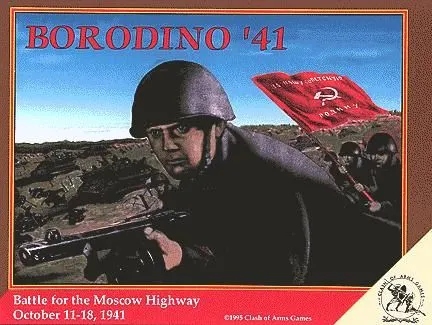
"Operation Spark: The Relief of Leningrad 1943", is a simulation of the Soviet military offensive (Operation Iskra) during World War II, designed to break the German Wehrmacht's Siege of Leningrad. Planning for the operation began shortly after the failure of the Sinyavino Offensive. The German defeat in the Battle of Stalingrad in late 1942 had weakened the German front. By January 1943, Soviet forces were planning or conducting offensive operations across the entire German-Soviet front, especially in southern Russia, Iskra being the northern part of the wider Soviet 1942–1943 winter counter offensive The city of Leningrad, second largest in the USSR, had been cut off by the Germans since September 8, 1941. Now, sixteen months later, the Soviets were about to make their third attempt to relieve the city. The first attack in January 1942 had led to the mauling of the 2nd Shock Army in the swamps to the south, and a second failure between Sinyavino and Mga in the summer of 1942 had also taken heavy casualties, although it had completely derailed von Manstein's planned assault on the city itself. Now in January of 1943 the Red Army was set to try again. Uses the same game system rules as the following Clash of Arms Games wargames, the award winning Black Sea Black Death, Aachen and Borodino '41. The game is set in a frozen peat bog, bordered by a frozen lake and a frozen river, is a slugging match. German fortified lines cut through the snow filled woods and encircle the worker's settlements and the critical Sinyabino Heights. The Red Army appears for the most part in regiment sized units of riflemen, artillery and heavy mortars, backed up by battalions of tanks (half of them light T-60s), skiers, marines, engineers, as well as by naval artillery, air power, and a few odd units like aerosans and observation balloons. The Germans have most of their units in infantry and artillery battalions, backed up by companies of Tiger and Pzkw.III tanks, deadly 88mm flak guns, and STUG IIIs. The Germans also field everything from a battalion of Spanish fascists to a railroad battery. They also field battalions of heavy artillery, nebelwerfers, and captured French coastal guns, as well as mountain troops, jaegers, the SS Polizei Division, and several overstrength independent regiments plus their Tiger tanks (here seen in their debut performance). Game Scale: Turn: Impulses = 4-5 hours, 5-6 impulses per day Hex: 880 yards / 804 meters Units: Company to Regiment Game Inventory: One 22 x 34" full-color mapsheets Three dual-side printed countersheets (2 combat, 1 markers - 620 1/2" counters) One 32-page Operation Spark rules booklet Six Player Aid cards Two 10-sided dice Players: 1 or more Playing Time: 2-20 hours Complexity: Medium Solitaire Suitability: Moderate
Laut Katalog unterstützt Operation Spark: the Relief of Leningrad 1943 2 Personen. Das ist die vom Verlag angegebene Spielerzahl, das Spiel ist also genau für diese Anzahl von Mitspielenden ausgelegt. Varianten für andere Gruppengrößen sind, sofern vorhanden, in der Anleitung deiner Ausgabe beschrieben; prüfe sie, bevor du eine andere Konfiguration aufbaust.
Die angegebene Spieldauer für Operation Spark: the Relief of Leningrad 1943 beträgt 180 Minuten. Das ist die Schätzung des Verlags für eine vollständige Partie. Die tatsächliche Dauer hängt von der Gruppe, der Personenzahl und der Regelkenntnis ab: Erste Partien dauern meist länger, erfahrene Gruppen sind oft schneller fertig. Aufbau und Regelerklärung sind in dieser Schätzung nicht enthalten.
Operation Spark: the Relief of Leningrad 1943 hat bei BoardGameGeek eine Komplexitätswertung von 3,8 von 5 und gilt damit als schweres Spiel. Die Wertung zeigt, wie viel Regelwissen, Planung und Entscheidungen eine typische Partie verlangt. Schwerere Spiele brauchen bei der ersten Erklärung mehr Zeit, daher hilft vor dem Spieleabend eine Vorbereitungsanleitung.
Operation Spark: the Relief of Leningrad 1943 gehört zu diesen Kategorien: Wargame und World War II. Die wichtigsten Mechaniken sind Dice Rolling und Hexagon Grid. Kategorien beschreiben Thema und Setting eines Spiels, Mechaniken dagegen, was die Spielenden in ihrem Zug tatsächlich tun. Jede Mechanik führt zu einer Katalogseite mit ähnlichen Spielen, falls du etwas Vergleichbares suchst.
Als Autoren von Operation Spark: the Relief of Leningrad 1943 sind angegeben: Jack Radey. Diese Angaben stammen aus den veröffentlichten Spieldaten und nennen die für das Spieldesign verantwortlichen Personen, nicht die Illustratoren oder Verlage. Die Autorenseiten auf MeepleRules sammeln weitere Titel derselben Autoren – praktisch, wenn dir ein Spiel gefällt und du ähnliche Spiele suchst.
Im Katalog ist Operation Spark: the Relief of Leningrad 1943 als Grundspiel aufgeführt. Es lässt sich eigenständig mit dem Material aus der Schachtel spielen und benötigt keinen weiteren Titel. Erweiterungen, sofern es welche gibt, ergänzen neues Material oder neue Regeln und sind im Katalog separat mit einem Verweis auf dieses Grundspiel aufgeführt.