
- BGG-Rang
- BGG #11.013
- BGG-Bewertung
- 7,4
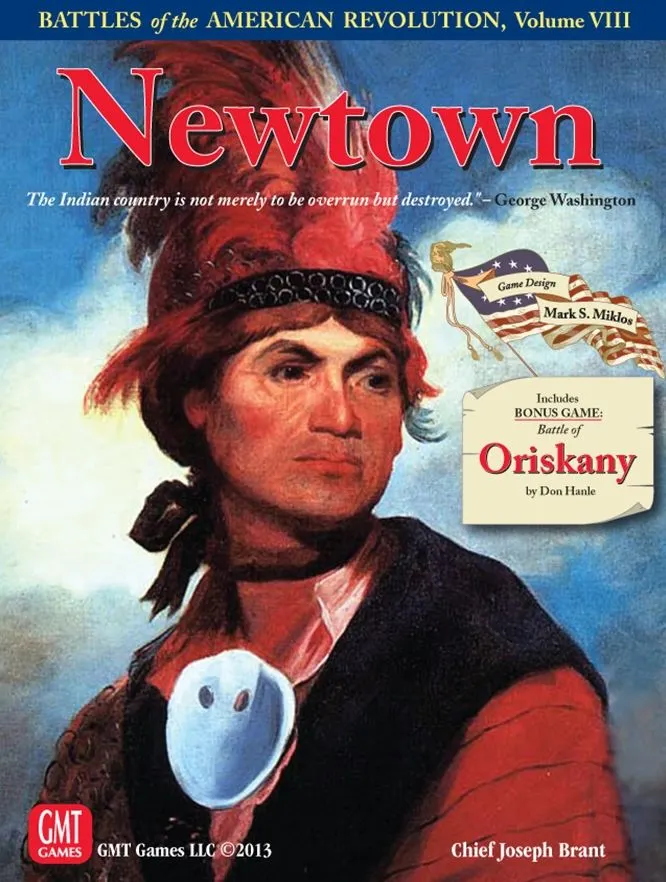
Newtown
- 2 Spieler
- 150 Min.
- Komplexität 2,5/5
- 2013
2010
Regelhilfe für Pensacola
Verständliche Erklärungen zu Spielzügen, Karteneffekten und strittigen Situationen mit Verweisen auf offizielle Quellen und gespeichertem Fragenverlauf.
Für 2 Personen
Was möchtest du wissen?
Antworten stammen aus dem offiziellen Regelheft, mit Seitenangabe zum Nachprüfen.
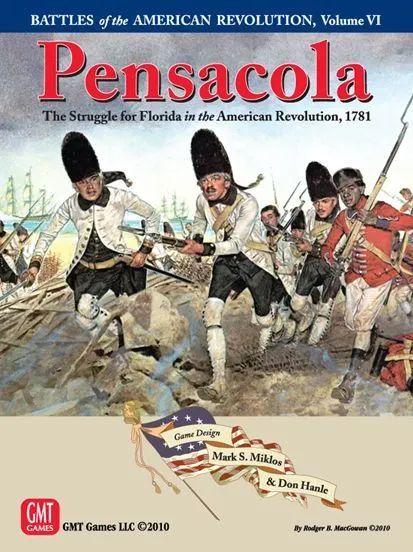
Pensacola ist ein Brettspiel aus dem Jahr 2010 für 2 Personen und mit 360 Minuten pro Partie. Entwickelt wurde es von Mark Miklos und Don Hanle; die wichtigsten Mechaniken sind Hexagon Grid.
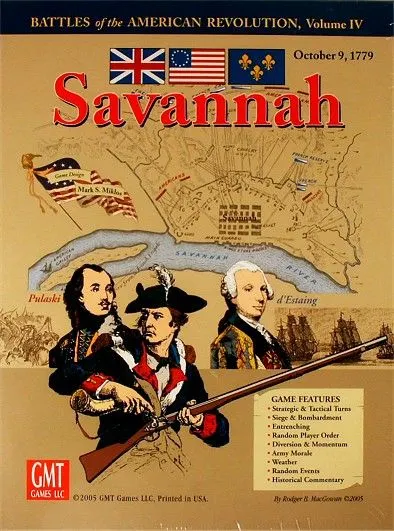
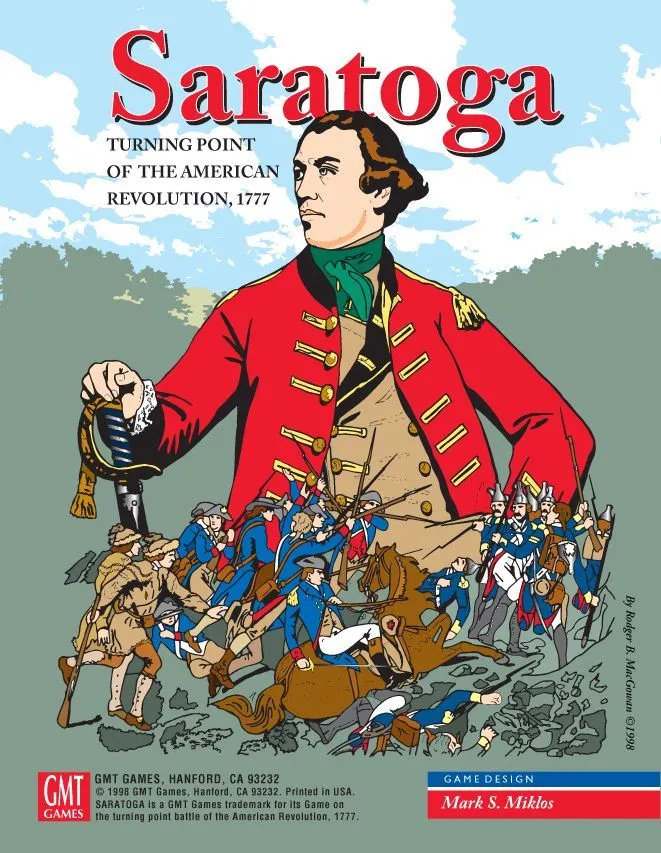
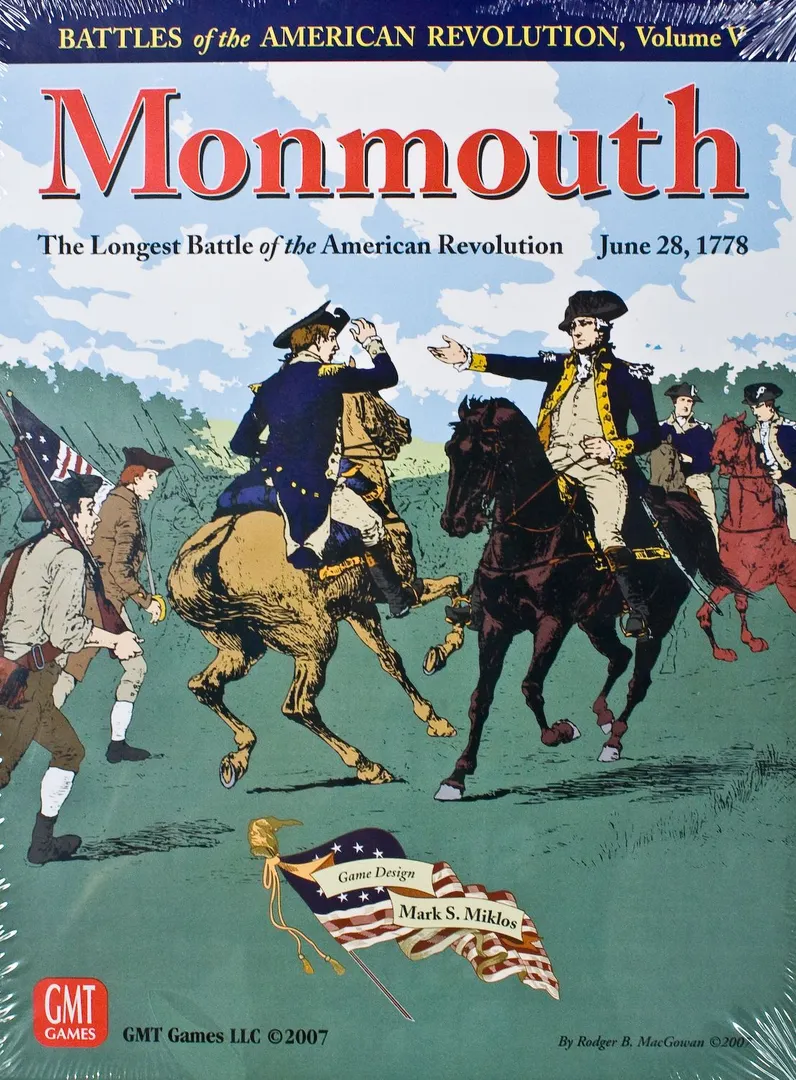
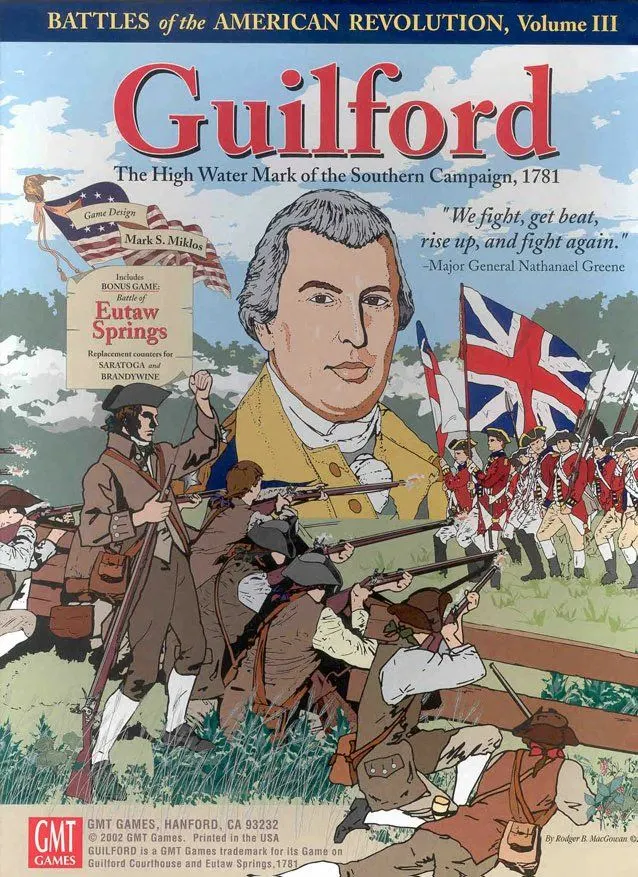
Auf Englisch
Battles of the American Revolution Series: The Siege of Pensacola pits a numerically large but fragile Spanish army, supported by a small corps of French allies against a smaller, feistier British army enjoying strong fortifications and highly mobile Indian allies. As the Spanish player you will need to determine where you will build your siege gun redoubts and will then have to protect your soldiers from raiding British units to finish the works in time to mount an effective bombardment. As the British player, you have far fewer forces, but armed with special raiding rules, your Regulars, Tories and Indian allies must harass and erode Spanish morale, while delaying the construction of Spanish siege works for as long as possible in the hope of keeping your three forts intact to face the coming coup de main. The game begins with Don Bernardo de Galvez’s army of 5,000 having just landed on the mainland. How many forces actually are present is decided in a special phase during the initial set-up wherein that portion of the Spanish army that sailed from Havana must run the gauntlet of the Red Cliffs Fort guns. Hence, the starting forces for Spain are likely to be different for each game played as units and leaders are eliminated or delayed in their arrival. Once these forces are ashore, the Spanish player faces some hard choices. Does he send forces to take out the Red Cliffs Fort, to protect his turn 7 Spanish and French reinforcements from having to run the same gauntlet, or does the Spanish player immediately begin construction of the siege works, to achieve the longest possible bombardment before the coup de main? The British player is outnumbered, but must employ his small forces in aggressive and often risky raids to slow down siege construction, wear down Spanish morale and worry the Spanish lines of supply. Getting a small force into one of two Spanish stockades can be devastating for the Spanish. Thus, though numerically superior, the Spanish player has much to do and protect, and will often be spread thin by a well-conceived series of raids. Giving the Spanish too many siege turns to bombard your three forts and/or permitting the Spanish to launch the coup de main with high army morale is likely to spell disaster for the British player.
Laut Katalog unterstützt Pensacola 2 Personen. Das ist die vom Verlag angegebene Spielerzahl, das Spiel ist also genau für diese Anzahl von Mitspielenden ausgelegt. Varianten für andere Gruppengrößen sind, sofern vorhanden, in der Anleitung deiner Ausgabe beschrieben; prüfe sie, bevor du eine andere Konfiguration aufbaust.
Die angegebene Spieldauer für Pensacola beträgt 360 Minuten. Das ist die Schätzung des Verlags für eine vollständige Partie. Die tatsächliche Dauer hängt von der Gruppe, der Personenzahl und der Regelkenntnis ab: Erste Partien dauern meist länger, erfahrene Gruppen sind oft schneller fertig. Aufbau und Regelerklärung sind in dieser Schätzung nicht enthalten.
Pensacola hat bei BoardGameGeek eine Komplexitätswertung von 3,3 von 5 und gilt damit als mittelschweres Spiel. Die Wertung zeigt, wie viel Regelwissen, Planung und Entscheidungen eine typische Partie verlangt. Schwerere Spiele brauchen bei der ersten Erklärung mehr Zeit, daher hilft vor dem Spieleabend eine Vorbereitungsanleitung.
Pensacola gehört zu diesen Kategorien: Wargame, Age of Reason und American Revolutionary War. Die wichtigsten Mechaniken sind Hexagon Grid. Kategorien beschreiben Thema und Setting eines Spiels, Mechaniken dagegen, was die Spielenden in ihrem Zug tatsächlich tun. Jede Mechanik führt zu einer Katalogseite mit ähnlichen Spielen, falls du etwas Vergleichbares suchst.
Als Autoren von Pensacola sind angegeben: Mark Miklos und Don Hanle. Diese Angaben stammen aus den veröffentlichten Spieldaten und nennen die für das Spieldesign verantwortlichen Personen, nicht die Illustratoren oder Verlage. Die Autorenseiten auf MeepleRules sammeln weitere Titel derselben Autoren – praktisch, wenn dir ein Spiel gefällt und du ähnliche Spiele suchst.
Im Katalog ist Pensacola als Grundspiel aufgeführt. Es lässt sich eigenständig mit dem Material aus der Schachtel spielen und benötigt keinen weiteren Titel. Erweiterungen, sofern es welche gibt, ergänzen neues Material oder neue Regeln und sind im Katalog separat mit einem Verweis auf dieses Grundspiel aufgeführt.