
- BGG-Rang
- BGG #883
- BGG-Bewertung
- 7,8
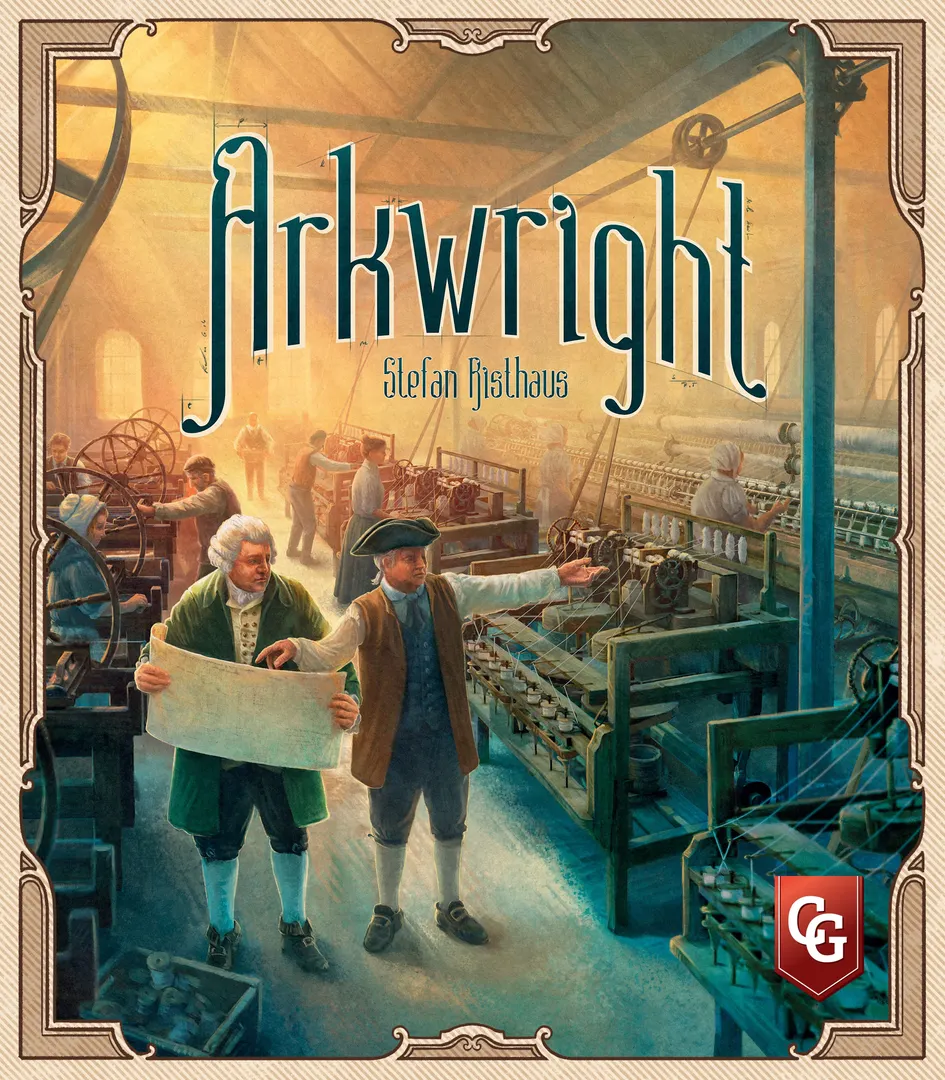
Arkwright
- 1–4 Spieler
- 120–240 Min.
- Komplexität 4,6/5
- 2014
2026
Regelhilfe für Ports of Call: The Board Game
Verständliche Erklärungen zu Spielzügen, Karteneffekten und strittigen Situationen mit Verweisen auf offizielle Quellen und gespeichertem Fragenverlauf.
Was möchtest du wissen?
Antworten stammen aus dem offiziellen Regelheft, mit Seitenangabe zum Nachprüfen.
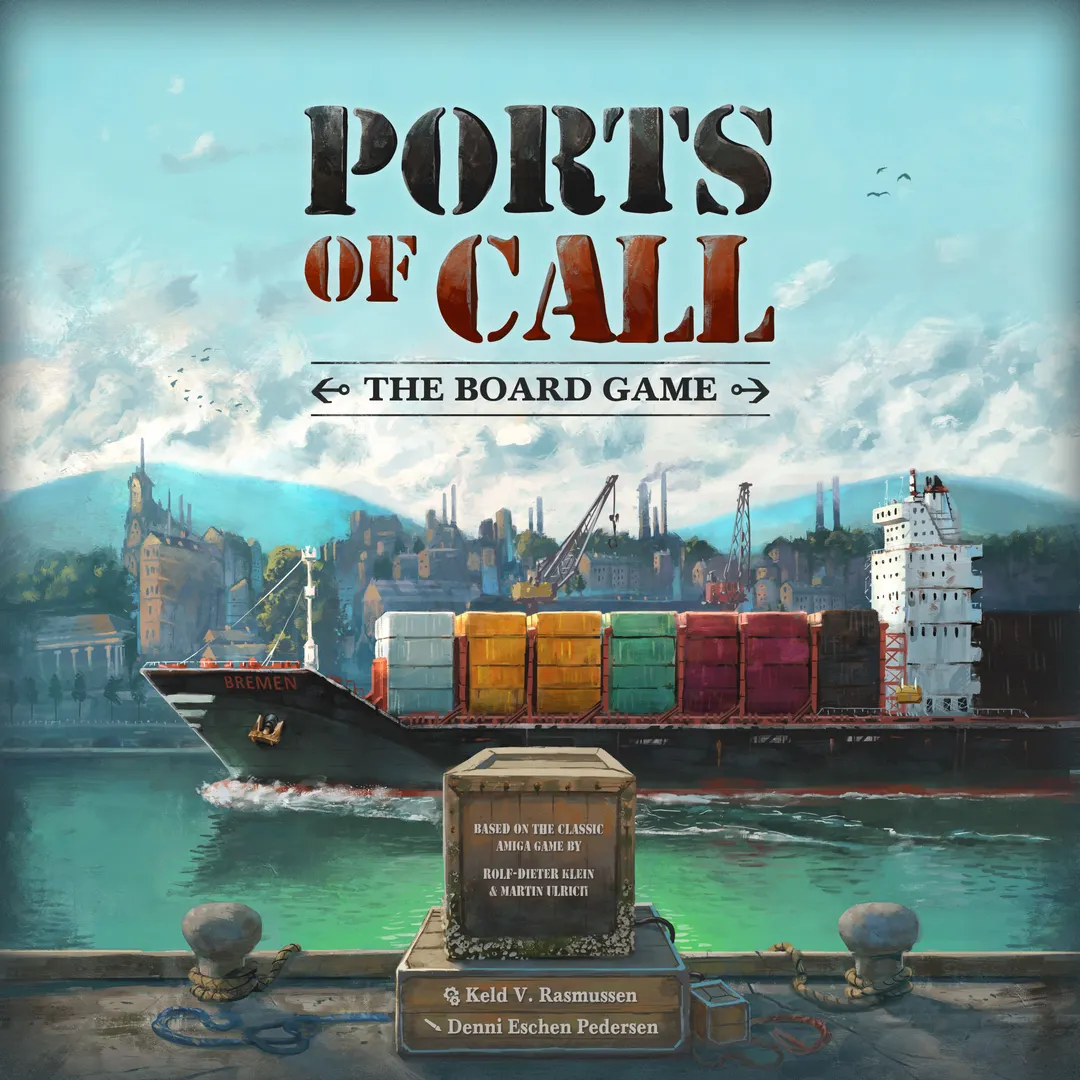
Ports of Call: The Board Game ist ein Brettspiel aus dem Jahr 2026 für 2–4 Personen, mit 90–240 Minuten pro Partie und ab 15 Jahren. Entwickelt wurde es von Keld V. Rasmussen; die wichtigsten Mechaniken sind Point to Point Movement, End Game Bonuses und Events.









Auf Englisch
Ports of Call: The Board Game brings the classic 1987 computer game, created by Rolf-Dieter Klein and Martin Ulrich, to the tabletop. Players compete to build the world's most valuable shipping company by transporting goods across the oceans, fulfilling commercial orders, establishing factories, and expanding their maritime empires. Starting with two ships, a home port, and limited financial resources, players must navigate international trade routes, manage their fleets, and make strategic investments, while dealing with pirates, rats, unpredictable weather, closed ports, and smuggling. The winner is the player who, by the end of the game, has built the most valuable shipping company. A World of Trade and Opportunity The game features 15 port cities connected by shipping routes across the globe. Five commodities – wind turbines, steel, electronics, wine, and oil – form the foundation of international trade. Each port specialises in producing one commodity, creating a worldwide network of trading opportunities. Players purchase containers, transport them between cities, and sell their cargo for profit. One of the main objectives is to fulfil commercial orders. Each Order Card requires two specific commodities to be delivered to a designated port. Players must plan efficient routes, acquire the necessary goods, and coordinate their ships to complete these contracts and increase their company's value. Build Your Fleet and Industrial Network As their businesses grow, players can invest in additional ships and establish factories in port cities around the world. Small ships are inexpensive and efficient, while large ships offer greater cargo capacity at higher purchase and maintenance costs. Expanding your fleet increases your transportation capabilities but also creates additional financial obligations. Factories allow players to produce their own containers and supply goods to the global Container Terminal, a shared marketplace where commodity prices fluctuate as containers are added and purchased. When another player purchases a container you have produced, you receive the payment. Producing goods also advances your position on the Production Track, unlocking valuable bonuses. Players must decide whether to focus on shipping contracts, industrial production, commodity trading, or a combination of these strategies. Strategic Decisions and Economic Challenges Each player manages their company through an individual Office Board and a limited number of Action Points. The number of Action Points depends on the size of the player's fleet, rewarding expansion with greater flexibility. Actions include purchasing ships, constructing factories, acquiring orders, buying containers, and producing goods. Ship movement and selling cargo do not require Action Points. Players must carefully balance investments, transportation efficiency, and available cash. Meanwhile, News Cards introduce unexpected events at the end of each quarter. Pirates, unpredictable weather, closed ports, smuggling, and changing market conditions can disrupt shipping operations and create new challenges or opportunities. Financial management is equally important. At the end of each fiscal year, companies receive income based on their Stock Exchange value but must pay maintenance costs for their ships. Poor financial planning can force players to sell shares or even face bankruptcy. Become the World's Leading Shipping Company The game takes place over four fiscal years, each consisting of four quarters, giving every player 16 turns to develop their business. Throughout the game, players increase their company's value by completing orders, earning Achievement Cards, and making strategic investments. The Stock Exchange tracks each company's value and ultimately determines the winner. At the end of the final year, unfinished orders result in penalties, while achievements provide additional rewards. The player with the highest company value wins! Ports of Call: The Board Game combines maritime logistics, economic strategy, market competition, and business development into a challenging trading experience where every decision matters. Welcome aboard! —description from the publisher
Laut Katalog unterstützt Ports of Call: The Board Game 2–4 Personen. Diese Spanne entspricht der vom Verlag angegebenen Spielerzahl, das Spiel lässt sich also für jede Gruppengröße innerhalb dieser Spanne aufbauen. Aufbau, einzelne Regeln und Wertungsdetails können je nach Personenzahl trotzdem abweichen; prüfe daher die genaue Konfiguration in der Anleitung deiner Ausgabe.
Die angegebene Spieldauer für Ports of Call: The Board Game beträgt 90–240 Minuten. Das ist die Schätzung des Verlags für eine vollständige Partie. Die tatsächliche Dauer hängt von der Gruppe, der Personenzahl und der Regelkenntnis ab: Erste Partien dauern meist länger, erfahrene Gruppen sind oft schneller fertig. Aufbau und Regelerklärung sind in dieser Schätzung nicht enthalten.
Im Katalog wird Ports of Call: The Board Game ab 15 Jahren empfohlen. Das ist die Empfehlung des Verlags und berücksichtigt Leseanforderungen, Regelkomplexität und Kleinteile, nicht nur das Thema. Jüngere Kinder können oft mit Hilfe eines Erwachsenen mitspielen; beachte die Altersangabe deiner Ausgabe und die Brettspielerfahrung deiner Gruppe.
Ports of Call: The Board Game hat bei BoardGameGeek eine Komplexitätswertung von 3,0 von 5 und gilt damit als mittelschweres Spiel. Die Wertung zeigt, wie viel Regelwissen, Planung und Entscheidungen eine typische Partie verlangt. Schwerere Spiele brauchen bei der ersten Erklärung mehr Zeit, daher hilft vor dem Spieleabend eine Vorbereitungsanleitung.
Ports of Call: The Board Game gehört zu diesen Kategorien: Economic, Video Game Theme und Industry / Manufacturing. Die wichtigsten Mechaniken sind Point to Point Movement, End Game Bonuses und Events. Kategorien beschreiben Thema und Setting eines Spiels, Mechaniken dagegen, was die Spielenden in ihrem Zug tatsächlich tun. Jede Mechanik führt zu einer Katalogseite mit ähnlichen Spielen, falls du etwas Vergleichbares suchst.
Als Autoren von Ports of Call: The Board Game sind angegeben: Keld V. Rasmussen. Diese Angaben stammen aus den veröffentlichten Spieldaten und nennen die für das Spieldesign verantwortlichen Personen, nicht die Illustratoren oder Verlage. Die Autorenseiten auf MeepleRules sammeln weitere Titel derselben Autoren – praktisch, wenn dir ein Spiel gefällt und du ähnliche Spiele suchst.
Im Katalog ist Ports of Call: The Board Game als Grundspiel aufgeführt. Es lässt sich eigenständig mit dem Material aus der Schachtel spielen und benötigt keinen weiteren Titel. Erweiterungen, sofern es welche gibt, ergänzen neues Material oder neue Regeln und sind im Katalog separat mit einem Verweis auf dieses Grundspiel aufgeführt.