
- BGG-Rang
- BGG #8.003
- BGG-Bewertung
- 7,0
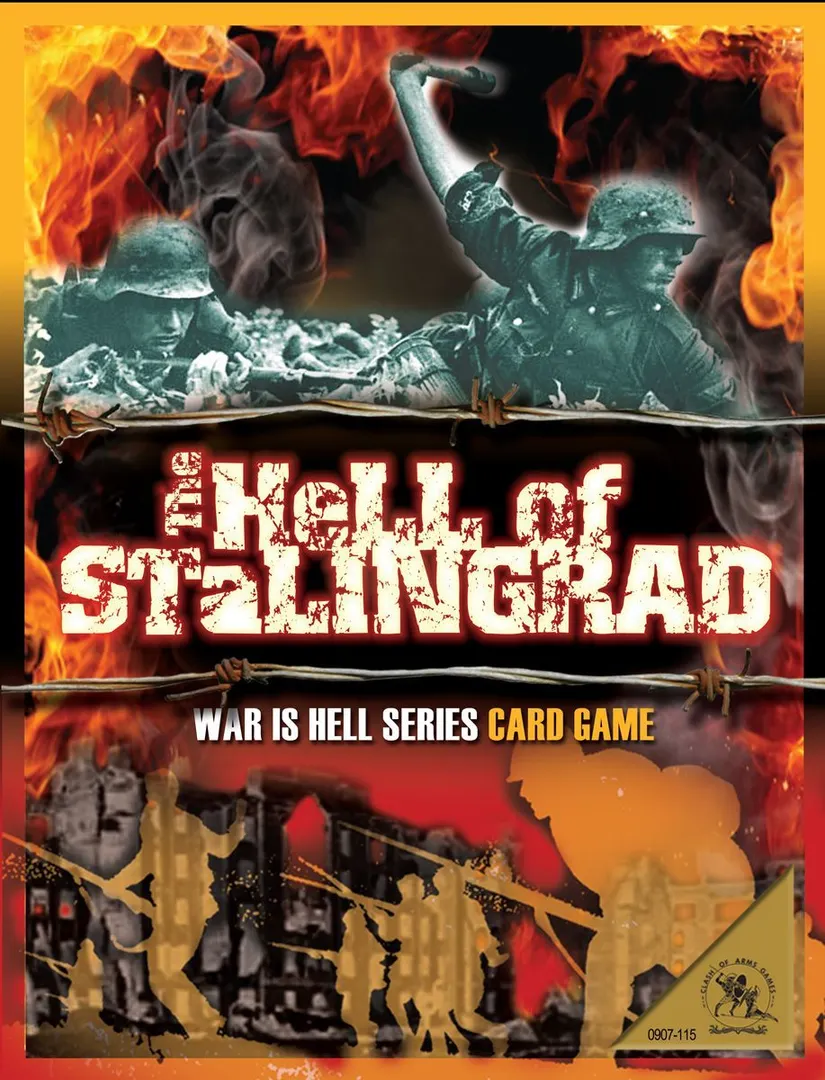
The Hell of Stalingrad
- 1–4 Spieler
- 90 Min.
- Komplexität 2,7/5
- 2009

2010
Regelhilfe für Rattenkrieg: Assault on the Tracktor Factory
Verständliche Erklärungen zu Spielzügen, Karteneffekten und strittigen Situationen mit Verweisen auf offizielle Quellen und gespeichertem Fragenverlauf.
Für 1 Person
Was möchtest du wissen?
Antworten stammen aus dem offiziellen Regelheft, mit Seitenangabe zum Nachprüfen.
Rattenkrieg: Assault on the Tracktor Factory ist ein Brettspiel aus dem Jahr 2010 für 1 Person, mit 20 Minuten pro Partie und ab 13 Jahren. Entwickelt wurde es von Steven Cunliffe; die wichtigsten Mechaniken sind Area Movement, Dice Rolling und Solo / Solitaire Game.




Auf Englisch
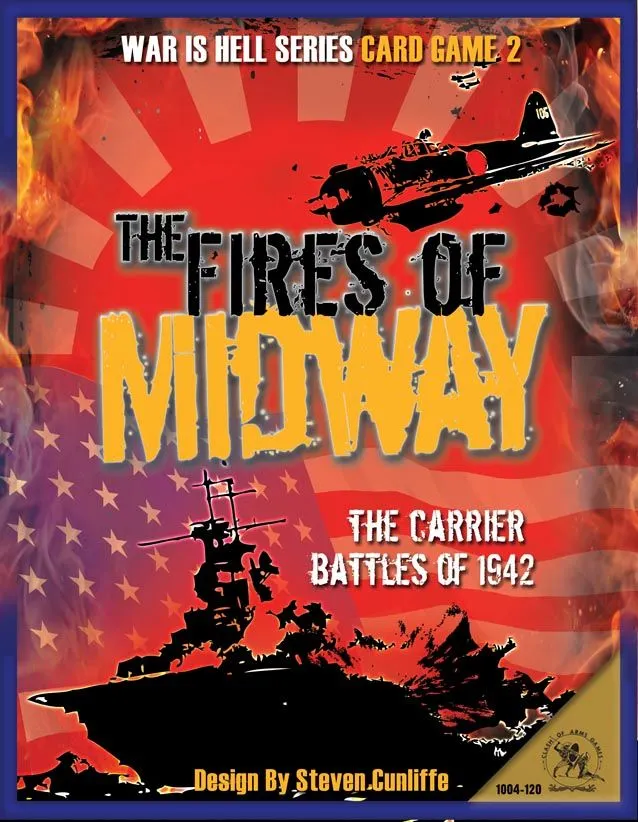
This is the first game in the TPS line of the Pocket Battle Games series from LPS, Inc. A solitaire postcard game of the intense fighting for the Tractor Factory in the Battle for Stalingrad. The player takes the role of the Germans as he maneuvers panzers, infantry, and elite pioneers into the ruins to hunt down the Soviets. Ambushes, snipers, and tough decisions await the Germans as they push deeper into the city. The longer the game lasts the more Soviet Reinforcements infiltrate through the ruins to surround and cut off the attackers. To win the player will have to master warfare in the most brutal of all WWII battlefields Rattenkrieg is literally "War of the Rats" and is the name given to irregular and deadly city fighting. Brought published by Turning Point Simulations and designed by Steven Cunliffe who also made The Hell of Stalingrad. Rattenkrieg inspired the game Savage Streets, published in Special Ops magazine #1 (2011). Postcard map 20 counters
Laut Katalog unterstützt Rattenkrieg: Assault on the Tracktor Factory 1 Person. Das ist die vom Verlag angegebene Spielerzahl, das Spiel ist also genau für diese Anzahl von Mitspielenden ausgelegt. Varianten für andere Gruppengrößen sind, sofern vorhanden, in der Anleitung deiner Ausgabe beschrieben; prüfe sie, bevor du eine andere Konfiguration aufbaust.
Die angegebene Spieldauer für Rattenkrieg: Assault on the Tracktor Factory beträgt 20 Minuten. Das ist die Schätzung des Verlags für eine vollständige Partie. Die tatsächliche Dauer hängt von der Gruppe, der Personenzahl und der Regelkenntnis ab: Erste Partien dauern meist länger, erfahrene Gruppen sind oft schneller fertig. Aufbau und Regelerklärung sind in dieser Schätzung nicht enthalten.
Im Katalog wird Rattenkrieg: Assault on the Tracktor Factory ab 13 Jahren empfohlen. Das ist die Empfehlung des Verlags und berücksichtigt Leseanforderungen, Regelkomplexität und Kleinteile, nicht nur das Thema. Jüngere Kinder können oft mit Hilfe eines Erwachsenen mitspielen; beachte die Altersangabe deiner Ausgabe und die Brettspielerfahrung deiner Gruppe.
Rattenkrieg: Assault on the Tracktor Factory hat bei BoardGameGeek eine Komplexitätswertung von 1,3 von 5 und gilt damit als leichtes Spiel. Die Wertung zeigt, wie viel Regelwissen, Planung und Entscheidungen eine typische Partie verlangt. Schwerere Spiele brauchen bei der ersten Erklärung mehr Zeit, daher hilft vor dem Spieleabend eine Vorbereitungsanleitung.
Rattenkrieg: Assault on the Tracktor Factory gehört zu diesen Kategorien: Wargame und World War II. Die wichtigsten Mechaniken sind Area Movement, Dice Rolling und Solo / Solitaire Game. Kategorien beschreiben Thema und Setting eines Spiels, Mechaniken dagegen, was die Spielenden in ihrem Zug tatsächlich tun. Jede Mechanik führt zu einer Katalogseite mit ähnlichen Spielen, falls du etwas Vergleichbares suchst.
Als Autoren von Rattenkrieg: Assault on the Tracktor Factory sind angegeben: Steven Cunliffe. Diese Angaben stammen aus den veröffentlichten Spieldaten und nennen die für das Spieldesign verantwortlichen Personen, nicht die Illustratoren oder Verlage. Die Autorenseiten auf MeepleRules sammeln weitere Titel derselben Autoren – praktisch, wenn dir ein Spiel gefällt und du ähnliche Spiele suchst.
Im Katalog ist Rattenkrieg: Assault on the Tracktor Factory als Grundspiel aufgeführt. Es lässt sich eigenständig mit dem Material aus der Schachtel spielen und benötigt keinen weiteren Titel. Erweiterungen, sofern es welche gibt, ergänzen neues Material oder neue Regeln und sind im Katalog separat mit einem Verweis auf dieses Grundspiel aufgeführt.