
- BGG-Bewertung
- 6,7
Siberia: Warehouse expansion
- 2–4 Spieler
- 60 Min.
- 2011
2011
Regelhilfe für Siberia
Verständliche Erklärungen zu Spielzügen, Karteneffekten und strittigen Situationen mit Verweisen auf offizielle Quellen und gespeichertem Fragenverlauf.
Für 2 Personen
Was möchtest du wissen?
Antworten stammen aus dem offiziellen Regelheft, mit Seitenangabe zum Nachprüfen.
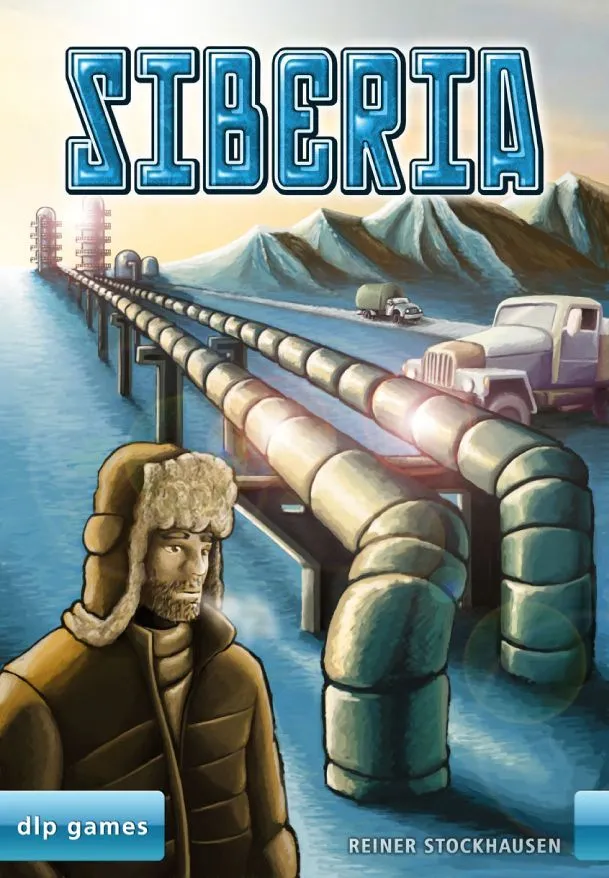
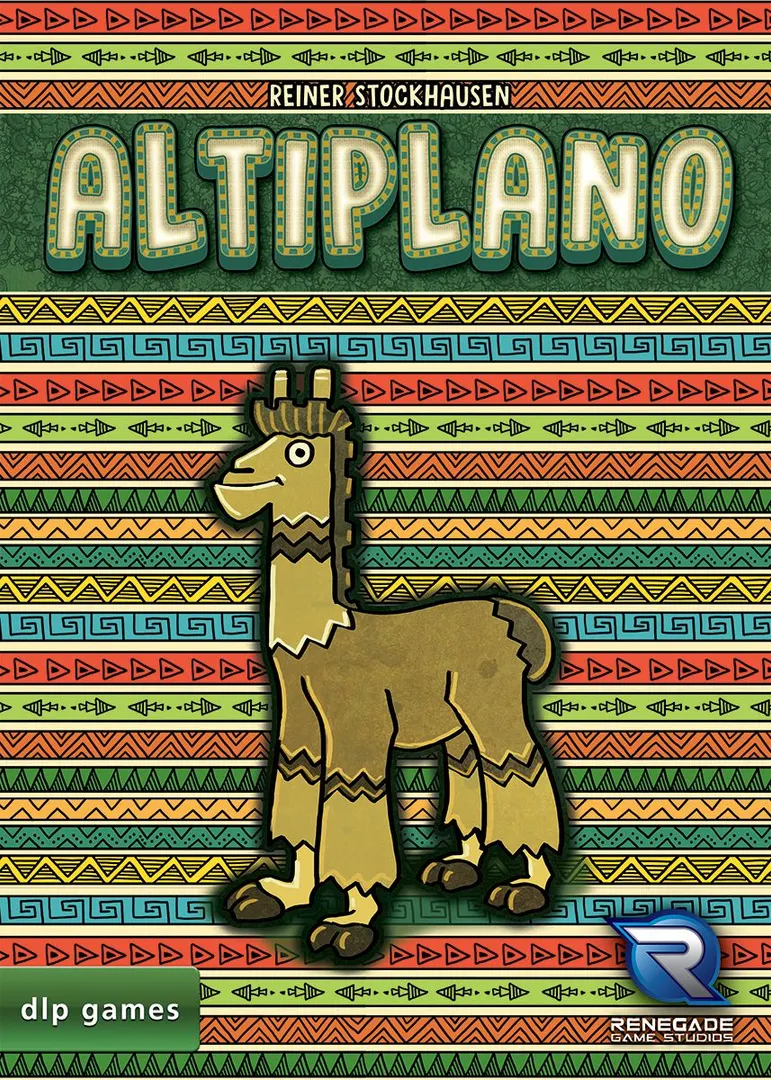
Siberia ist ein Brettspiel aus dem Jahr 2011 für 2–4 Personen, mit 60 Minuten pro Partie und ab 10 Jahren. Entwickelt wurde es von Reiner Stockhausen; die wichtigsten Mechaniken sind Area Movement, Simultaneous Action Selection und Variable Phase Order.
Auf Englisch
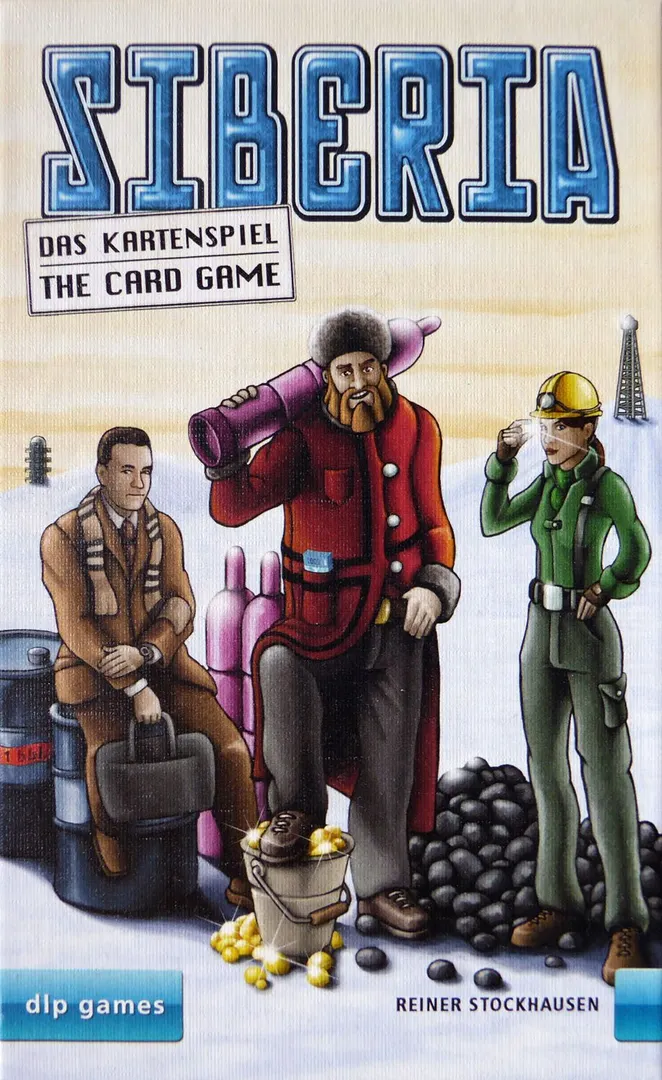
Siberia has a reputation for being a land of vast resources, and players are going to do their best to exploit those resources and convert them into as much loot as possible. To set up the game, place two different resources at random on each area in Siberia, place the remaining resources on their supply spaces, draw four of the 20 investment tiles from the bag and lay them on the game board, give each player his own playing panel and workers/salesmen, then place all the action counters in the bag. Siberia lasts an unspecified number of rounds. Each round consists of two phases: (1) drawing and placing action counters and (2) performing actions. In the first phase, all players draw six action counters from the bag, then place them on their individual playing panels. Most action counters show both a resource (five types possible) and a person (four types), while managers are on counters of their own. Each playing panel has columns for the five types of resources and the five types of workers, with space for two counters in each column. Players can also allocate counters to the "research facility" below their panel. In the second phase, players take actions one at a time until everyone has no actions remaining or passes. A resource or worker action can be taken only if both spaces are filled in the appropriate column; when a player takes an action, he removes all action counters in the column, returns them to the bag, then takes the action. • The "research facility" action must be carried out first, with the player taking the designated resources from the supply and placing one resource in any location that doesn't already have that resource available. • The worker actions allow a player to place a salesman in a stock exchange, place a worker in Vladivostok, move workers up to three spaces, move a manager to any action space, or claim an investment tile; each investment tile corresponds to a particular resource or worker action and is placed on the player panel permanently, allowing the player to take this action more easily in the future since the column is always half-filled. • Each resource action allows a player to remove that resource from all areas where he has a worker, then immediately sell them on one of the stock exchanges where he has a salesman. A player can keep up to ten action counters on his playing panel at the end of a round, allowing him to prepare for and build up actions for future rounds. The game ends at the end of any round in which three of the five resources have no supply remaining or eight areas have had all their resources removed. (Once an area is exhausted, nothing can be placed in it for the remainder of the game.) The player who has the most money wins.
Laut Katalog unterstützt Siberia 2–4 Personen. Diese Spanne entspricht der vom Verlag angegebenen Spielerzahl, das Spiel lässt sich also für jede Gruppengröße innerhalb dieser Spanne aufbauen. Aufbau, einzelne Regeln und Wertungsdetails können je nach Personenzahl trotzdem abweichen; prüfe daher die genaue Konfiguration in der Anleitung deiner Ausgabe.
Die angegebene Spieldauer für Siberia beträgt 60 Minuten. Das ist die Schätzung des Verlags für eine vollständige Partie. Die tatsächliche Dauer hängt von der Gruppe, der Personenzahl und der Regelkenntnis ab: Erste Partien dauern meist länger, erfahrene Gruppen sind oft schneller fertig. Aufbau und Regelerklärung sind in dieser Schätzung nicht enthalten.
Im Katalog wird Siberia ab 10 Jahren empfohlen. Das ist die Empfehlung des Verlags und berücksichtigt Leseanforderungen, Regelkomplexität und Kleinteile, nicht nur das Thema. Jüngere Kinder können oft mit Hilfe eines Erwachsenen mitspielen; beachte die Altersangabe deiner Ausgabe und die Brettspielerfahrung deiner Gruppe.
Siberia hat bei BoardGameGeek eine Komplexitätswertung von 2,4 von 5 und gilt damit als eher leichtes Spiel. Die Wertung zeigt, wie viel Regelwissen, Planung und Entscheidungen eine typische Partie verlangt. Schwerere Spiele brauchen bei der ersten Erklärung mehr Zeit, daher hilft vor dem Spieleabend eine Vorbereitungsanleitung.
Siberia gehört zu diesen Kategorien: Economic und Industry / Manufacturing. Die wichtigsten Mechaniken sind Area Movement, Simultaneous Action Selection und Variable Phase Order. Kategorien beschreiben Thema und Setting eines Spiels, Mechaniken dagegen, was die Spielenden in ihrem Zug tatsächlich tun. Jede Mechanik führt zu einer Katalogseite mit ähnlichen Spielen, falls du etwas Vergleichbares suchst.
Als Autoren von Siberia sind angegeben: Reiner Stockhausen. Diese Angaben stammen aus den veröffentlichten Spieldaten und nennen die für das Spieldesign verantwortlichen Personen, nicht die Illustratoren oder Verlage. Die Autorenseiten auf MeepleRules sammeln weitere Titel derselben Autoren – praktisch, wenn dir ein Spiel gefällt und du ähnliche Spiele suchst.
Im Katalog ist Siberia als Grundspiel aufgeführt. Es lässt sich eigenständig mit dem Material aus der Schachtel spielen und benötigt keinen weiteren Titel. Erweiterungen, sofern es welche gibt, ergänzen neues Material oder neue Regeln und sind im Katalog separat mit einem Verweis auf dieses Grundspiel aufgeführt.