
- BGG-Rang
- BGG #11.908
- BGG-Bewertung
- 6,7
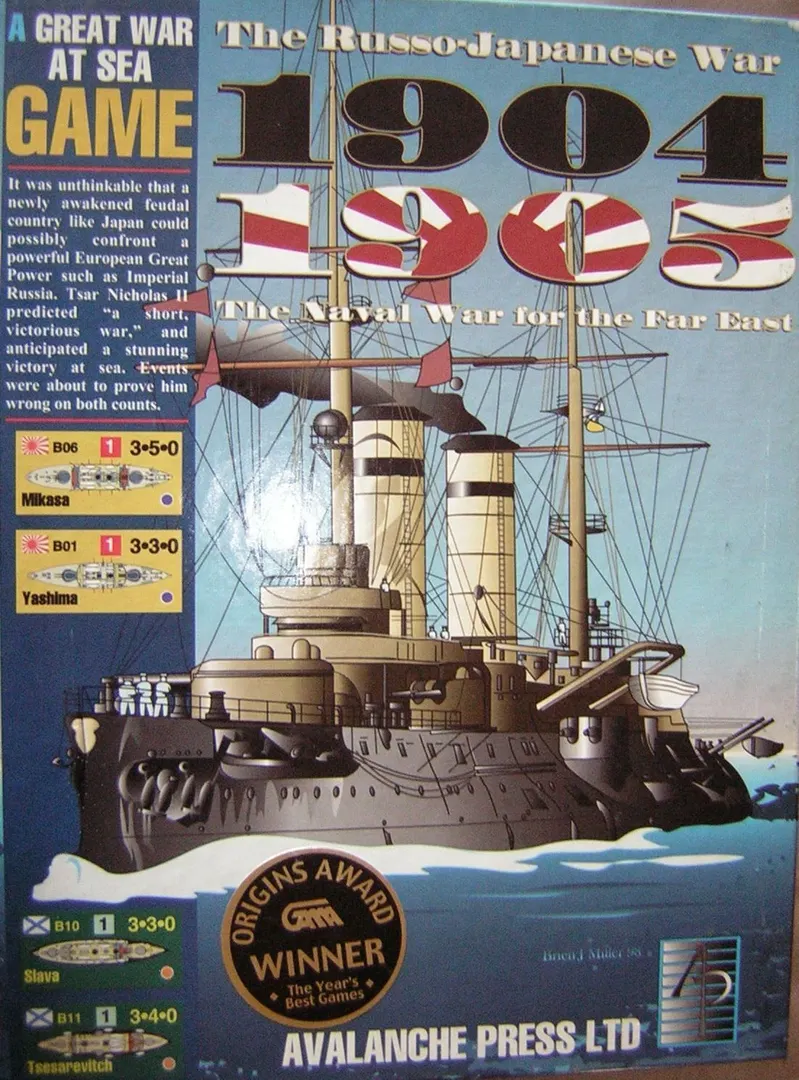
Great War at Sea: 1904-1905, The Russo-Japanese War
- 2–4 Spieler
- 30 Min.
- Komplexität 2,5/5
- 1999
1999
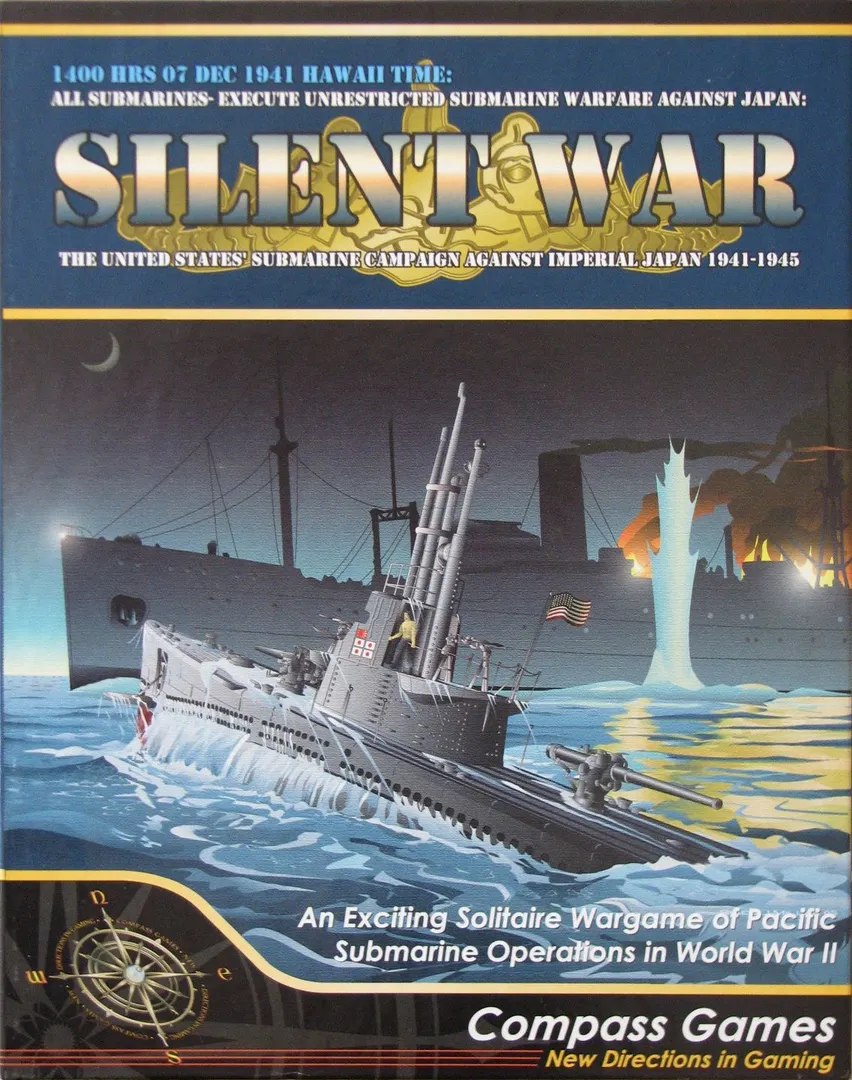
Regelhilfe für SOPAC: Naval Action in the South Pacific 1942–1943
Verständliche Erklärungen zu Spielzügen, Karteneffekten und strittigen Situationen mit Verweisen auf offizielle Quellen und gespeichertem Fragenverlauf.
Für 2 Personen
Was möchtest du wissen?
Antworten stammen aus dem offiziellen Regelheft, mit Seitenangabe zum Nachprüfen.
SOPAC: Naval Action in the South Pacific 1942–1943 ist ein Brettspiel aus dem Jahr 1999 für 2 Personen, mit 240 Minuten pro Partie und ab 12 Jahren. Entwickelt wurde es von Brien J. Miller und Joe Keller; die wichtigsten Mechaniken sind Hexagon Grid.




Auf Englisch
SOPAC: Naval Action in the Southern Pacific 1942-43, is part of Avalanche Press Ltd's Second World War at Sea series of naval battle games. SOPAC recreates the Solomon Islands Campaign of late 1942. Like other games in the series, SOPAC uses a combination of Operational and Tactical displays, similar to those originally found in Avalon Hill's Midway, but much more detailed and accurate. This allows for the mixture of aerial and surface combat that characterized the Pacific theater of operations. Players must write orders and assign missions to tasks forces prior to movement, then conduct aerial searches for enemy fleets and submarines. Frequently, forces will clash in surface battles, and players track damage, hit by hit, reducing ship capabilities and inflicting casualties. SOPAC includes 20 scenarios -- 10 Battle and 10 Operational -- allowing players to explore the early days of combat and try some what-if situations that history never explored.
Laut Katalog unterstützt SOPAC: Naval Action in the South Pacific 1942–1943 2 Personen. Das ist die vom Verlag angegebene Spielerzahl, das Spiel ist also genau für diese Anzahl von Mitspielenden ausgelegt. Varianten für andere Gruppengrößen sind, sofern vorhanden, in der Anleitung deiner Ausgabe beschrieben; prüfe sie, bevor du eine andere Konfiguration aufbaust.
Die angegebene Spieldauer für SOPAC: Naval Action in the South Pacific 1942–1943 beträgt 240 Minuten. Das ist die Schätzung des Verlags für eine vollständige Partie. Die tatsächliche Dauer hängt von der Gruppe, der Personenzahl und der Regelkenntnis ab: Erste Partien dauern meist länger, erfahrene Gruppen sind oft schneller fertig. Aufbau und Regelerklärung sind in dieser Schätzung nicht enthalten.
Im Katalog wird SOPAC: Naval Action in the South Pacific 1942–1943 ab 12 Jahren empfohlen. Das ist die Empfehlung des Verlags und berücksichtigt Leseanforderungen, Regelkomplexität und Kleinteile, nicht nur das Thema. Jüngere Kinder können oft mit Hilfe eines Erwachsenen mitspielen; beachte die Altersangabe deiner Ausgabe und die Brettspielerfahrung deiner Gruppe.
SOPAC: Naval Action in the South Pacific 1942–1943 hat bei BoardGameGeek eine Komplexitätswertung von 3,1 von 5 und gilt damit als mittelschweres Spiel. Die Wertung zeigt, wie viel Regelwissen, Planung und Entscheidungen eine typische Partie verlangt. Schwerere Spiele brauchen bei der ersten Erklärung mehr Zeit, daher hilft vor dem Spieleabend eine Vorbereitungsanleitung.
SOPAC: Naval Action in the South Pacific 1942–1943 gehört zu diesen Kategorien: Wargame, Nautical und World War II. Die wichtigsten Mechaniken sind Hexagon Grid. Kategorien beschreiben Thema und Setting eines Spiels, Mechaniken dagegen, was die Spielenden in ihrem Zug tatsächlich tun. Jede Mechanik führt zu einer Katalogseite mit ähnlichen Spielen, falls du etwas Vergleichbares suchst.
Als Autoren von SOPAC: Naval Action in the South Pacific 1942–1943 sind angegeben: Brien J. Miller und Joe Keller. Diese Angaben stammen aus den veröffentlichten Spieldaten und nennen die für das Spieldesign verantwortlichen Personen, nicht die Illustratoren oder Verlage. Die Autorenseiten auf MeepleRules sammeln weitere Titel derselben Autoren – praktisch, wenn dir ein Spiel gefällt und du ähnliche Spiele suchst.
Im Katalog ist SOPAC: Naval Action in the South Pacific 1942–1943 als Grundspiel aufgeführt. Es lässt sich eigenständig mit dem Material aus der Schachtel spielen und benötigt keinen weiteren Titel. Erweiterungen, sofern es welche gibt, ergänzen neues Material oder neue Regeln und sind im Katalog separat mit einem Verweis auf dieses Grundspiel aufgeführt.