
- BGG-Rang
- BGG #15.168
- BGG-Bewertung
- 7,4
Velikye Luki: Little Stalingrad of the North
- 1–2 Spieler
- 180 Min.
- Komplexität 2,8/5
- 2000
1998
Regelhilfe für Turning the Tables: The Axis Defeat of the Soviet Spring '42 Offensive
Verständliche Erklärungen zu Spielzügen, Karteneffekten und strittigen Situationen mit Verweisen auf offizielle Quellen und gespeichertem Fragenverlauf.
Für 1 Person
Was möchtest du wissen?
Antworten stammen aus dem offiziellen Regelheft, mit Seitenangabe zum Nachprüfen.
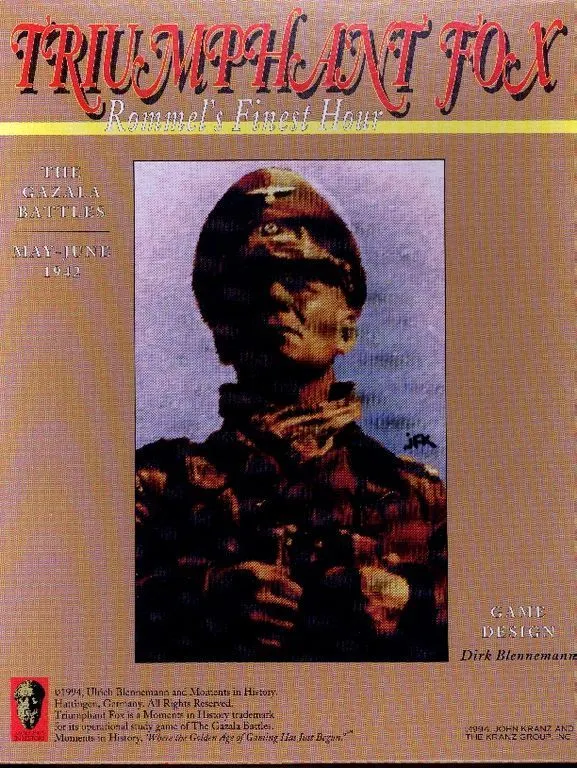
Turning the Tables: The Axis Defeat of the Soviet Spring '42 Offensive ist ein Brettspiel aus dem Jahr 1998 für 1–2 Personen und mit 180 Minuten pro Partie. Entwickelt wurde es von Dirk Blennemann; die wichtigsten Mechaniken sind Grid Movement, Hexagon Grid und Action Points.


Auf Englisch
Folio format, operational level treatment of the launch and subsequent defeat of the Soviet Spring 1942 offensive. First installment in Moments in History's "T3" series, which has subsequently become the "Schwerpunkt" series for GMT Games. Hallmarks of the system are ease of play and the "fog of war" element. Contrary to the playing time above this game takes about 6 hours to play unless their is an earlier sudden death decision. Features C3I points used to generate the number of units that can be activated to move and the number of attacks that can be made during each segment. There are three segments per turn in which each player must begin by deciding whether they will move and then attack or attack and then move. Not only is combat strength compared but also a unit's tactical rating when resolving combats. The side with the higher tactical rating gets to draw more random chits most of which have beneficial drms for that side. To a limited extent combat losses can be converted into retreats and enemy retreats can occasionally result in an additional advance for the attacker. Occasionally, extreme die rolls allow additional spontaneous activities. ZoCs are hard except friendly units allow tracing supply through them. Loss of supply reduces unit effectiveness and can result in attrition. Victory is determined mostly by units losses but also the Soviet control of objective cities and the presence of even one friendly unit on the other players side of the Donets river provides a healthy number of VPs. Both players begin with units in this position and so cancel each other out. All in all it is a tense game. The Russian player with the benefit of hindsight can avoid many of the hazards of the original campaign by not over extending himself. Republished in Command Magazine Japan #56.
Laut Katalog unterstützt Turning the Tables: The Axis Defeat of the Soviet Spring '42 Offensive 1–2 Personen. Diese Spanne entspricht der vom Verlag angegebenen Spielerzahl, das Spiel lässt sich also für jede Gruppengröße innerhalb dieser Spanne aufbauen. Aufbau, einzelne Regeln und Wertungsdetails können je nach Personenzahl trotzdem abweichen; prüfe daher die genaue Konfiguration in der Anleitung deiner Ausgabe.
Die angegebene Spieldauer für Turning the Tables: The Axis Defeat of the Soviet Spring '42 Offensive beträgt 180 Minuten. Das ist die Schätzung des Verlags für eine vollständige Partie. Die tatsächliche Dauer hängt von der Gruppe, der Personenzahl und der Regelkenntnis ab: Erste Partien dauern meist länger, erfahrene Gruppen sind oft schneller fertig. Aufbau und Regelerklärung sind in dieser Schätzung nicht enthalten.
Turning the Tables: The Axis Defeat of the Soviet Spring '42 Offensive hat bei BoardGameGeek eine Komplexitätswertung von 2,6 von 5 und gilt damit als eher leichtes Spiel. Die Wertung zeigt, wie viel Regelwissen, Planung und Entscheidungen eine typische Partie verlangt. Schwerere Spiele brauchen bei der ersten Erklärung mehr Zeit, daher hilft vor dem Spieleabend eine Vorbereitungsanleitung.
Turning the Tables: The Axis Defeat of the Soviet Spring '42 Offensive gehört zu diesen Kategorien: Wargame und World War II. Die wichtigsten Mechaniken sind Grid Movement, Hexagon Grid und Action Points. Kategorien beschreiben Thema und Setting eines Spiels, Mechaniken dagegen, was die Spielenden in ihrem Zug tatsächlich tun. Jede Mechanik führt zu einer Katalogseite mit ähnlichen Spielen, falls du etwas Vergleichbares suchst.
Als Autoren von Turning the Tables: The Axis Defeat of the Soviet Spring '42 Offensive sind angegeben: Dirk Blennemann. Diese Angaben stammen aus den veröffentlichten Spieldaten und nennen die für das Spieldesign verantwortlichen Personen, nicht die Illustratoren oder Verlage. Die Autorenseiten auf MeepleRules sammeln weitere Titel derselben Autoren – praktisch, wenn dir ein Spiel gefällt und du ähnliche Spiele suchst.
Im Katalog ist Turning the Tables: The Axis Defeat of the Soviet Spring '42 Offensive als Grundspiel aufgeführt. Es lässt sich eigenständig mit dem Material aus der Schachtel spielen und benötigt keinen weiteren Titel. Erweiterungen, sofern es welche gibt, ergänzen neues Material oder neue Regeln und sind im Katalog separat mit einem Verweis auf dieses Grundspiel aufgeführt.