
- BGG-Bewertung
- 9,3
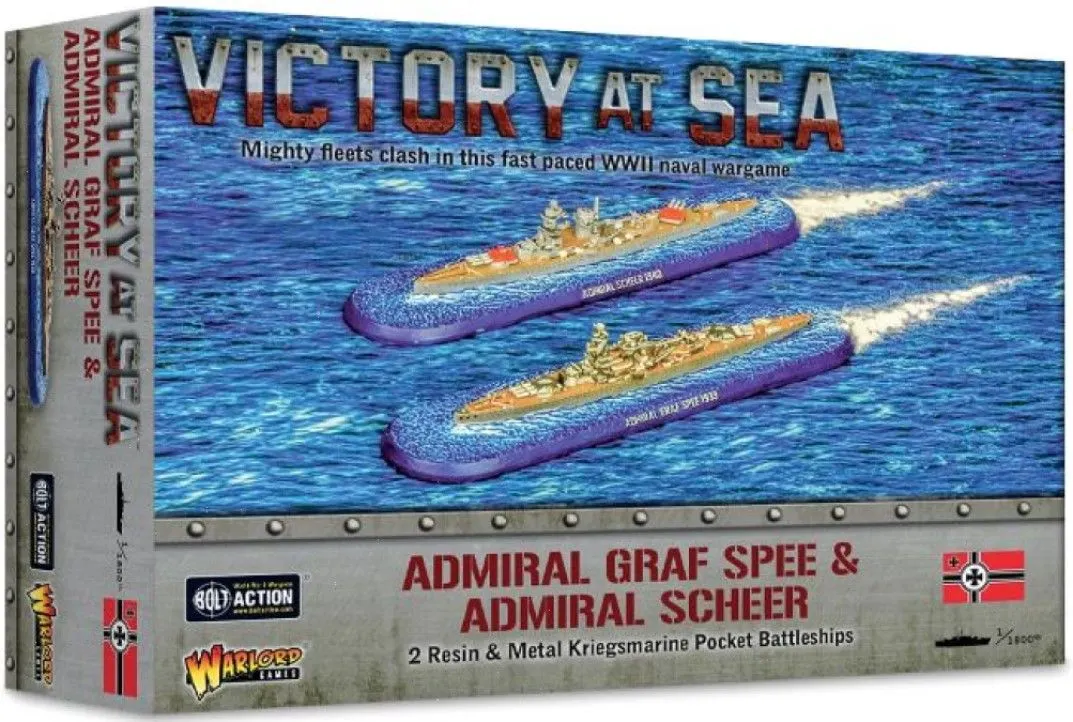
Victory at Sea: Admiral Graf Spee & Admiral Scheer
- 2 Spieler
- 2020
2020
Regelhilfe für Victory at Sea: Battle for the Pacific
Verständliche Erklärungen zu Spielzügen, Karteneffekten und strittigen Situationen mit Verweisen auf offizielle Quellen und gespeichertem Fragenverlauf.
Für 2 Personen
Was möchtest du wissen?
Antworten stammen aus dem offiziellen Regelheft, mit Seitenangabe zum Nachprüfen.
Victory at Sea: Battle for the Pacific ist ein Brettspiel aus dem Jahr 2020 ab 10 Jahren. Entwickelt wurde es von Matthew Sprange; die wichtigsten Mechaniken sind Dice Rolling, Simulation und Line of Sight.

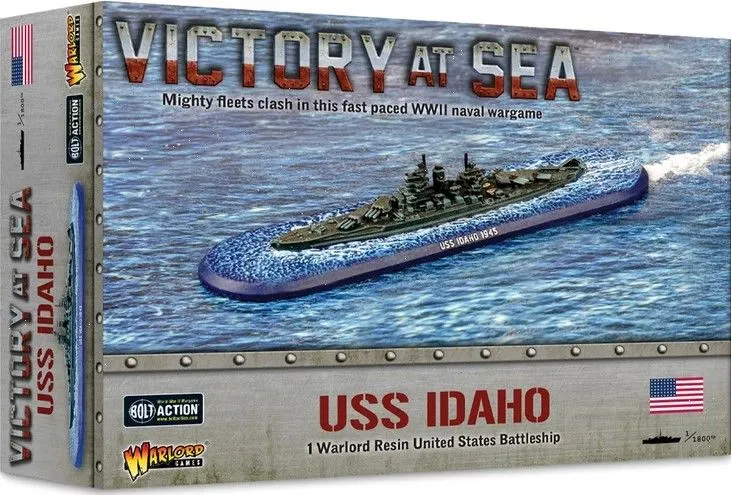
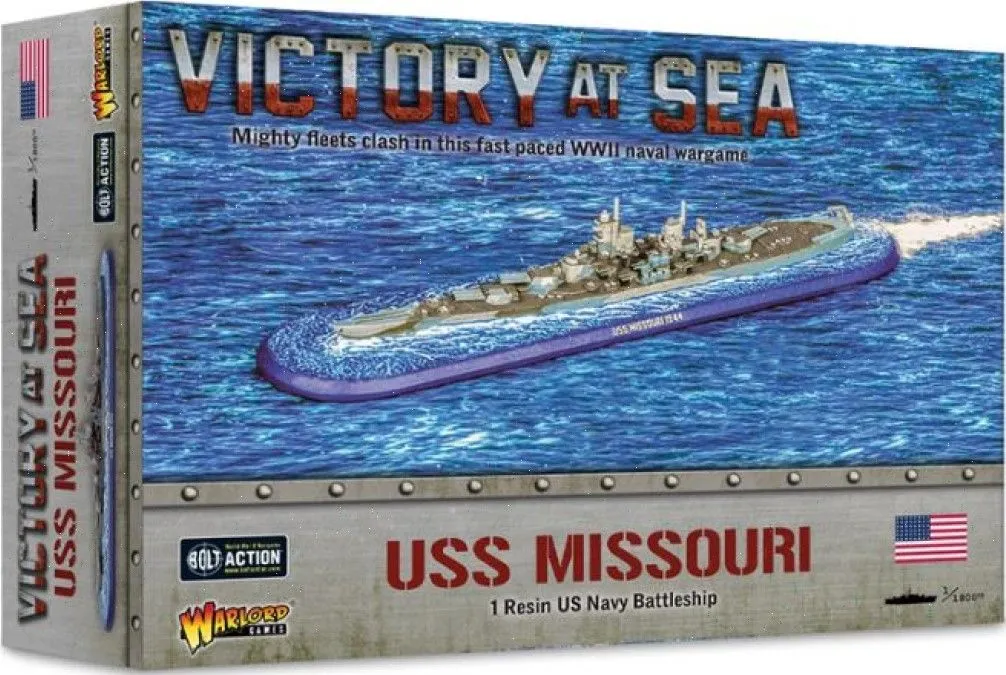
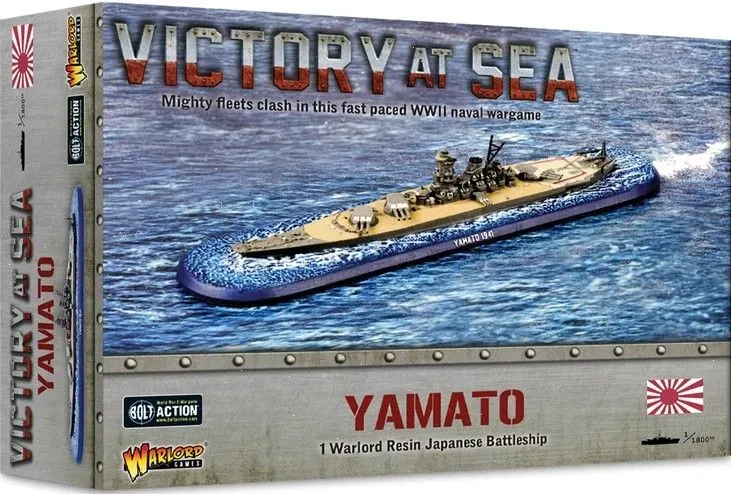
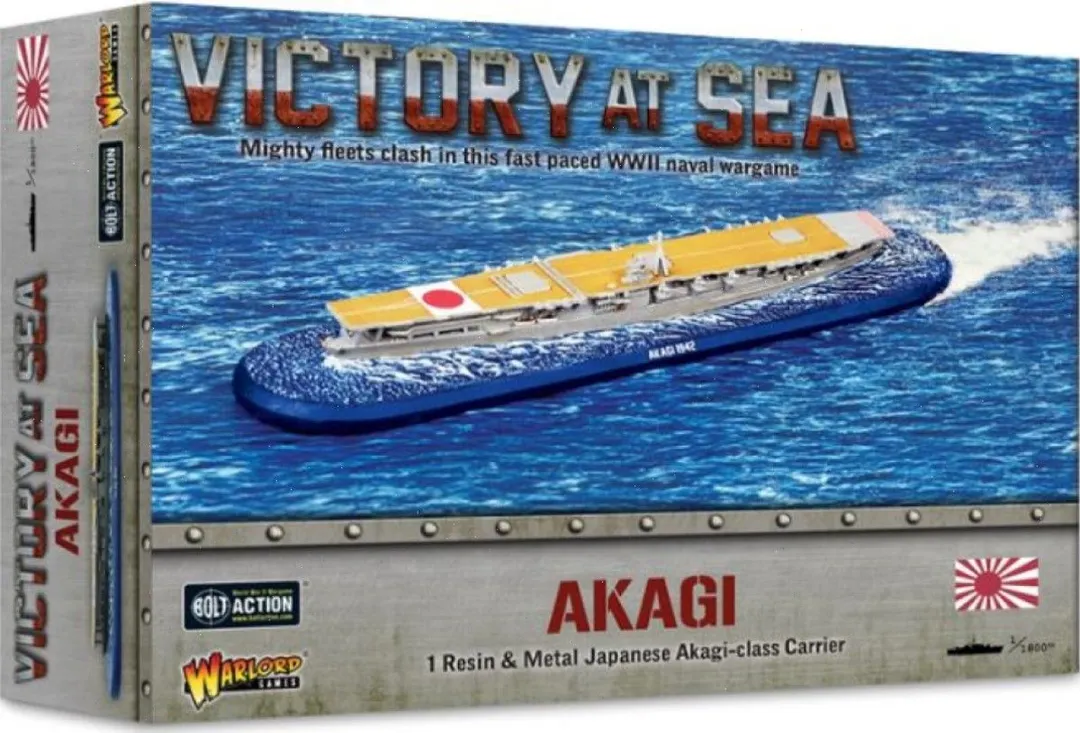



Auf Englisch
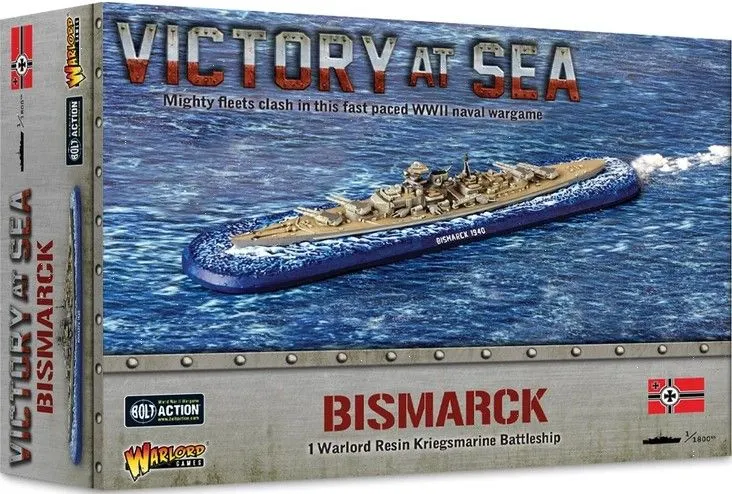
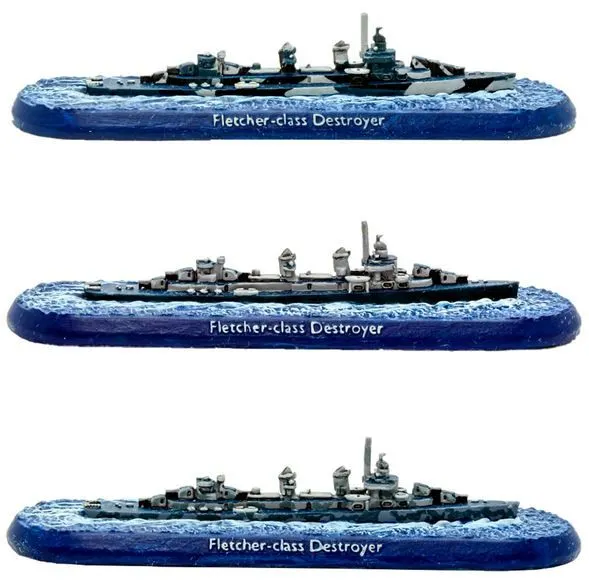
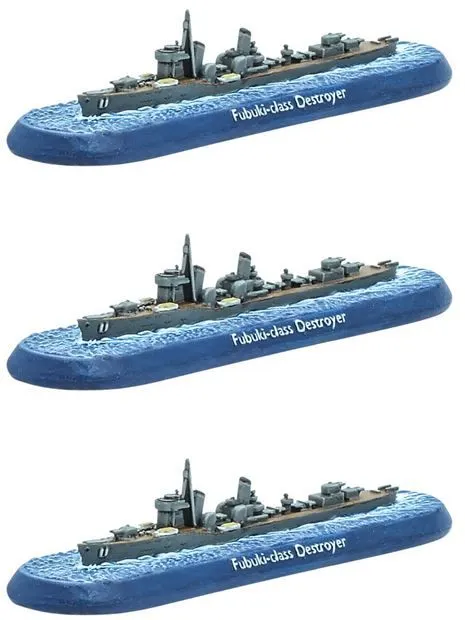
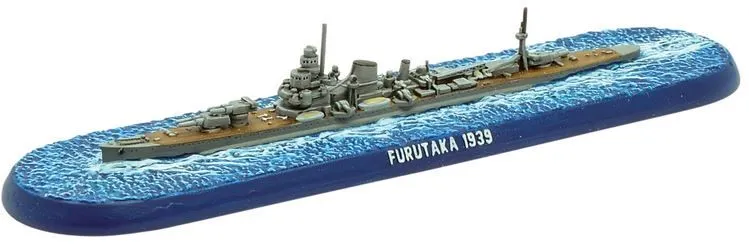
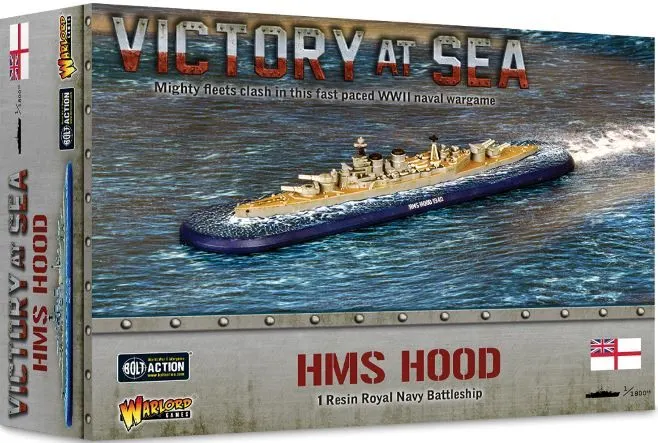
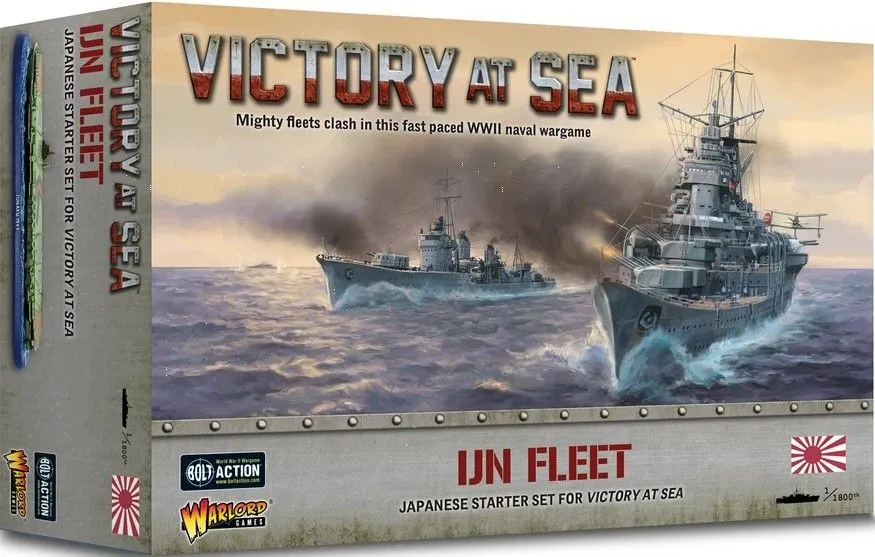
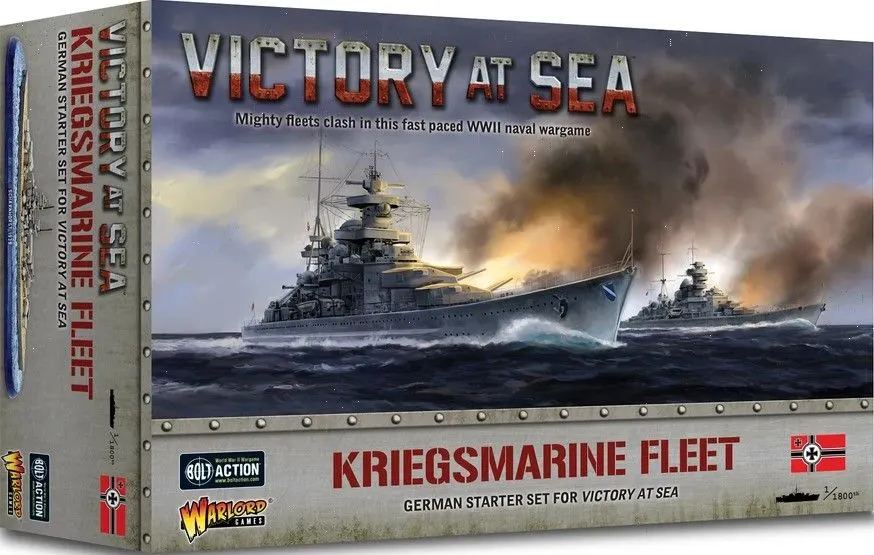
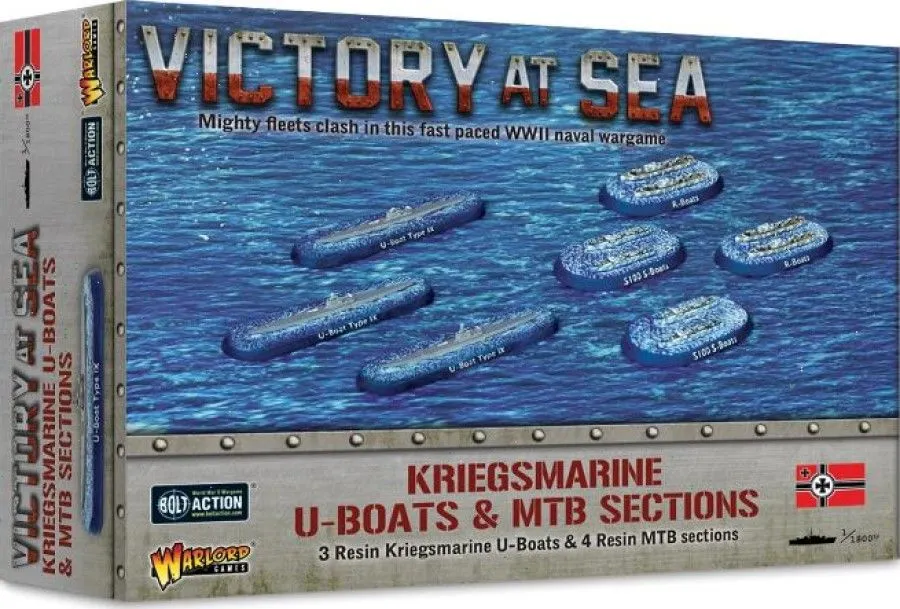
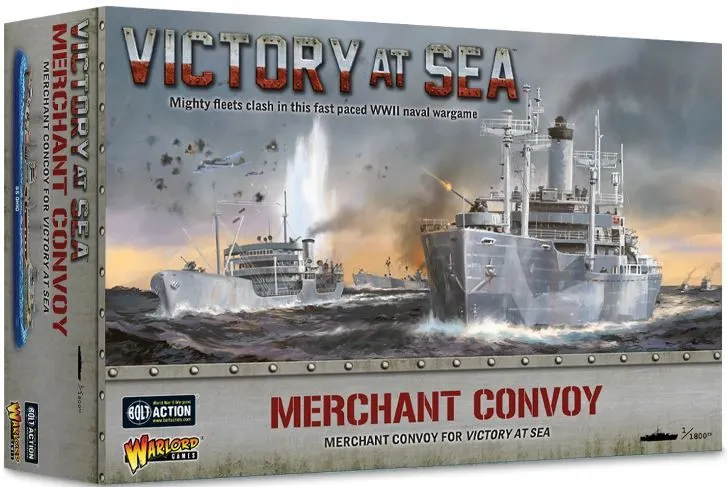
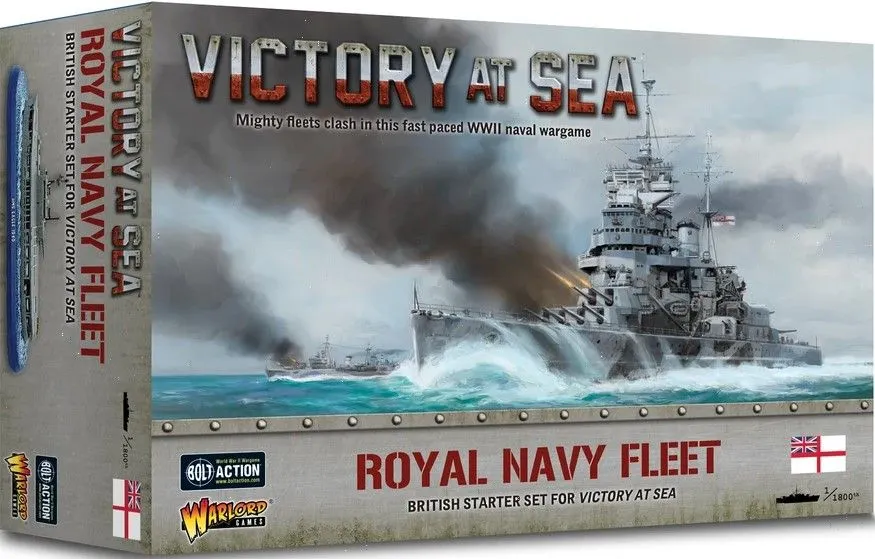
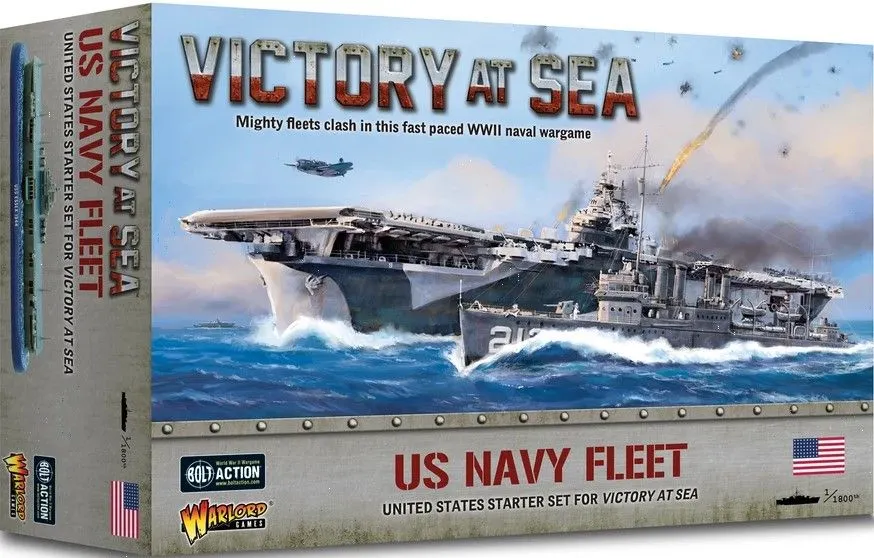
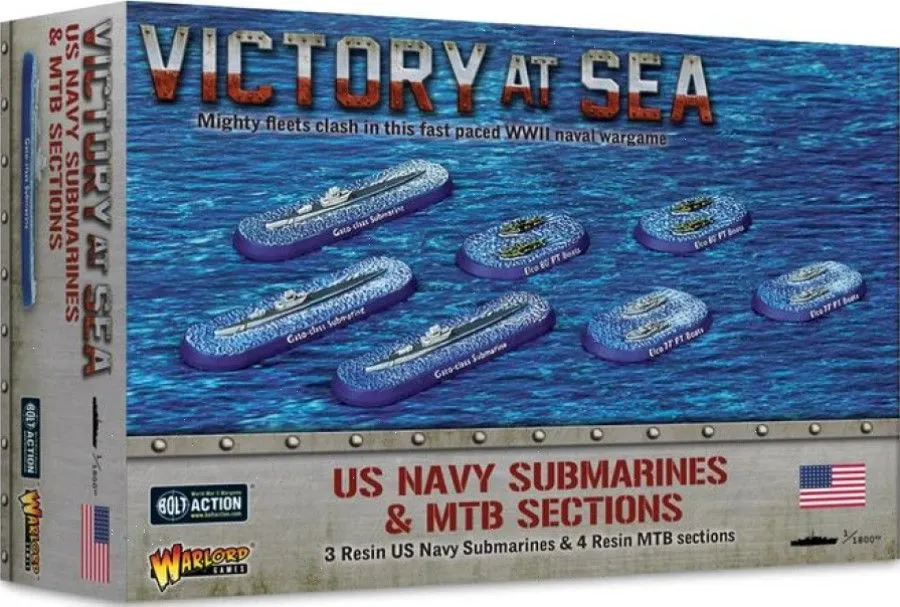
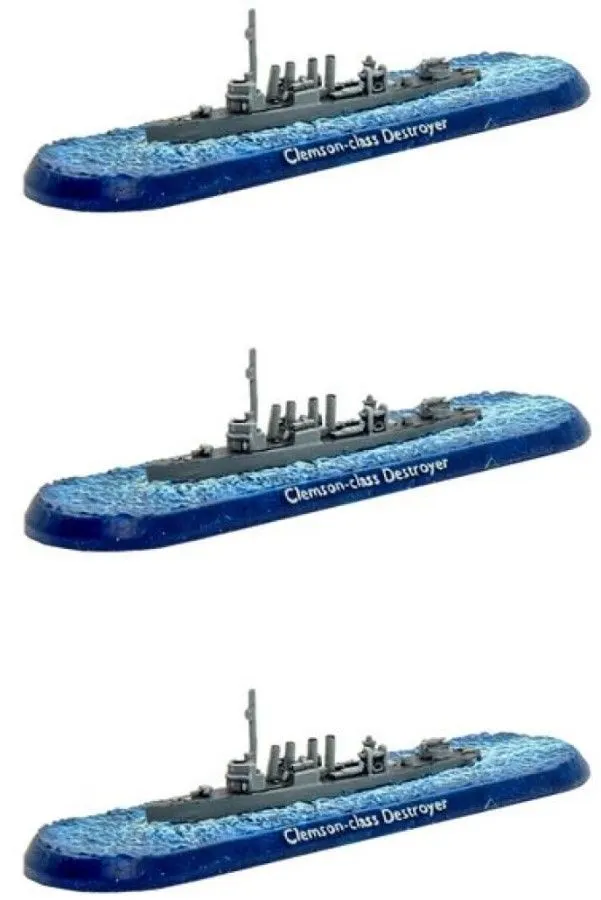
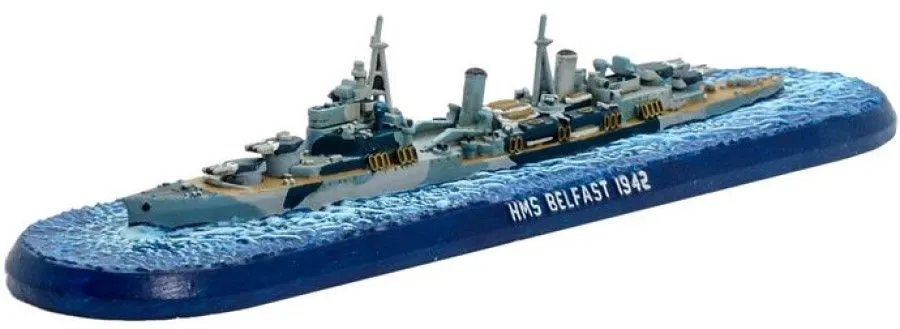
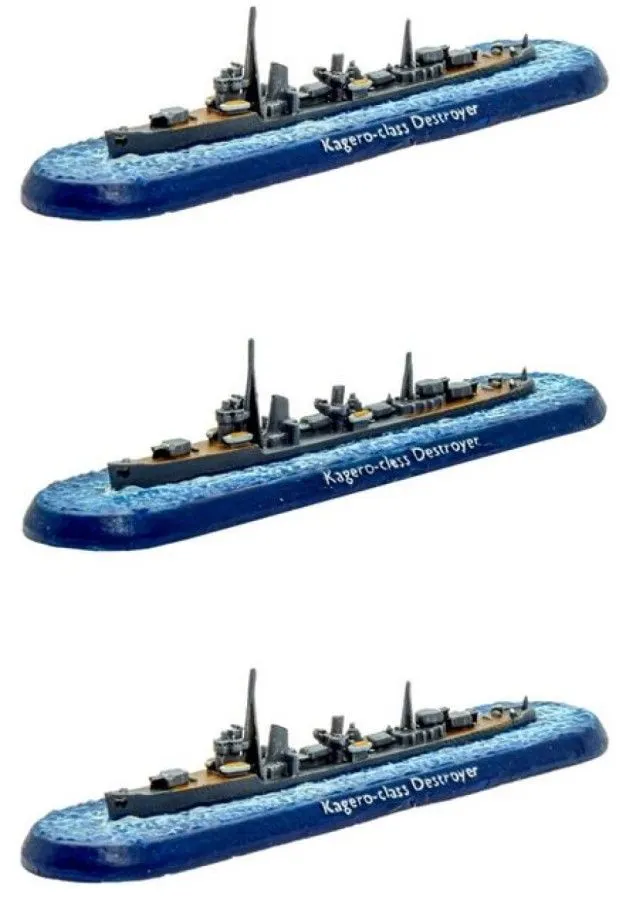
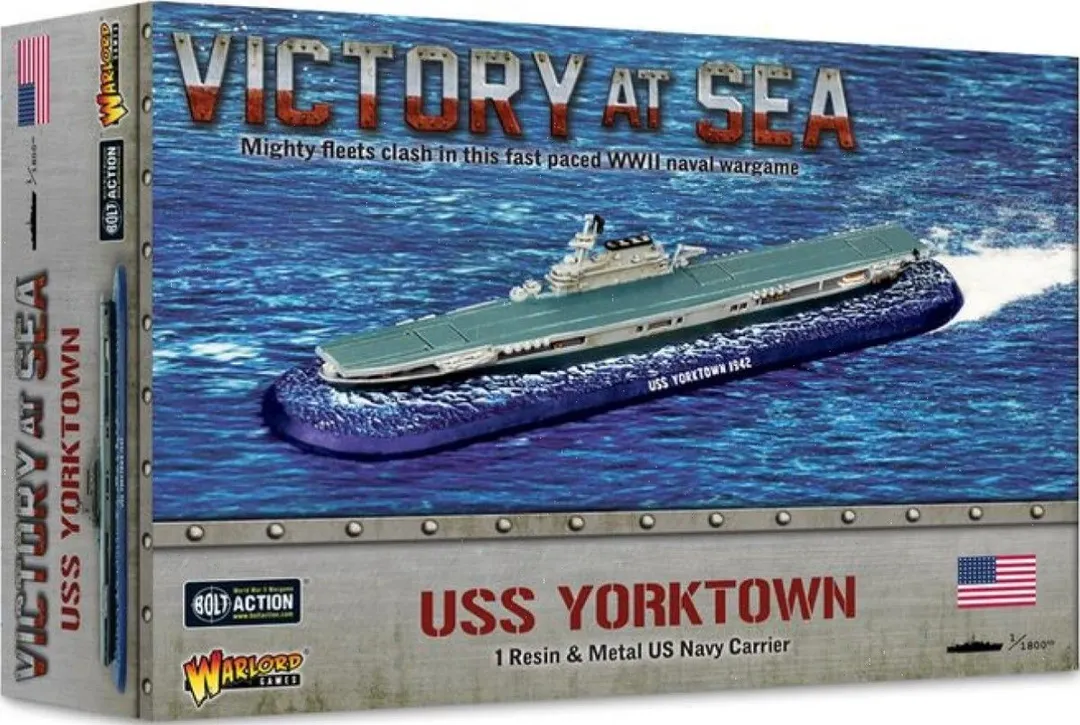
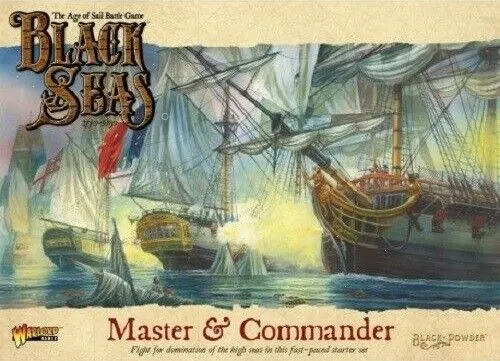
Victory at Sea is the game of naval combat during the Second World War. Throughout 1939–45, the nations of the world duelled across the oceans across the globe, only to discover the fundamental nature of naval warfare changing in the face of rapidly developing technologies. Now you can play out these confrontations on the tabletop with entire fleets drawn from the Royal Navy, US Navy, Imperial Japanese Navy, German Kriegsmarine or any of the other nations featured in Victory at Sea. From skirmishes involving single destroyers hunting down merchantmen to the clashing of massive battleships, from invasions of islands across the Pacific to mastering waves of dive bombers, Victory at Sea enables you to fight exciting battles that take place on the oceans of World War II. The Battle for the Pacific starter set focuses primarily on actions in the seas of the Far East – the Imperial Japanese Navy and the mighty US Navy clashing for control of the islands, resources and seas of the Pacific Theatre. The Victory at Sea rules manual presented in this starter game contain all you need to know to begin playing with the fleets included. Some of the ships contained in this set have been released individually: Victory at Sea: USS Indianapolis 1944 Victory at Sea: Kumano 1944 Victory at Sea: USS Northampton 1942 Victory at Sea: Furutaka 1939 Victory at Sea: USS Chicago 1942 Victory at Sea: Mogami 1939 Contents: A4 Battle of the Pacific Rules manual 1 Die-cut game tokens sheet 15 Model Ships ‣ 1 USS Indianapolis 1944 ‣ 1 USS Northampton 1942 ‣ 1 USS Chicago 1942 ‣ 1 Mogami 1939 ‣ 1 Kumano 1944 ‣ 1 Furutaka 1939 ‣ 3 Fubuki-class Destroyer ‣ 6 Fletcher-class Destroyer 15 Ship Cards & Damage Sliders 4 Ten-sided dice 12 Six-sided dice 2 A0 Sea Mat —description from the publisher
Im Katalog wird Victory at Sea: Battle for the Pacific ab 10 Jahren empfohlen. Das ist die Empfehlung des Verlags und berücksichtigt Leseanforderungen, Regelkomplexität und Kleinteile, nicht nur das Thema. Jüngere Kinder können oft mit Hilfe eines Erwachsenen mitspielen; beachte die Altersangabe deiner Ausgabe und die Brettspielerfahrung deiner Gruppe.
Victory at Sea: Battle for the Pacific hat bei BoardGameGeek eine Komplexitätswertung von 2,8 von 5 und gilt damit als eher leichtes Spiel. Die Wertung zeigt, wie viel Regelwissen, Planung und Entscheidungen eine typische Partie verlangt. Schwerere Spiele brauchen bei der ersten Erklärung mehr Zeit, daher hilft vor dem Spieleabend eine Vorbereitungsanleitung.
Victory at Sea: Battle for the Pacific gehört zu diesen Kategorien: Wargame, Miniatures und Nautical. Die wichtigsten Mechaniken sind Dice Rolling, Simulation und Line of Sight. Kategorien beschreiben Thema und Setting eines Spiels, Mechaniken dagegen, was die Spielenden in ihrem Zug tatsächlich tun. Jede Mechanik führt zu einer Katalogseite mit ähnlichen Spielen, falls du etwas Vergleichbares suchst.
Als Autoren von Victory at Sea: Battle for the Pacific sind angegeben: Matthew Sprange. Diese Angaben stammen aus den veröffentlichten Spieldaten und nennen die für das Spieldesign verantwortlichen Personen, nicht die Illustratoren oder Verlage. Die Autorenseiten auf MeepleRules sammeln weitere Titel derselben Autoren – praktisch, wenn dir ein Spiel gefällt und du ähnliche Spiele suchst.
Im Katalog ist Victory at Sea: Battle for the Pacific als Grundspiel aufgeführt. Es lässt sich eigenständig mit dem Material aus der Schachtel spielen und benötigt keinen weiteren Titel. Erweiterungen, sofern es welche gibt, ergänzen neues Material oder neue Regeln und sind im Katalog separat mit einem Verweis auf dieses Grundspiel aufgeführt.