
- BGG-Rang
- BGG #1.705
- BGG-Bewertung
- 6,9
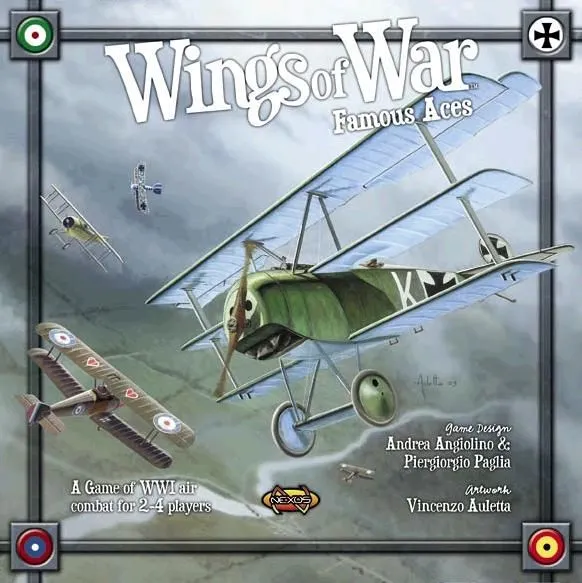
Wings of War: Famous Aces
- 2–4 Spieler
- 20 Min.
- Komplexität 1,7/5
- 2004
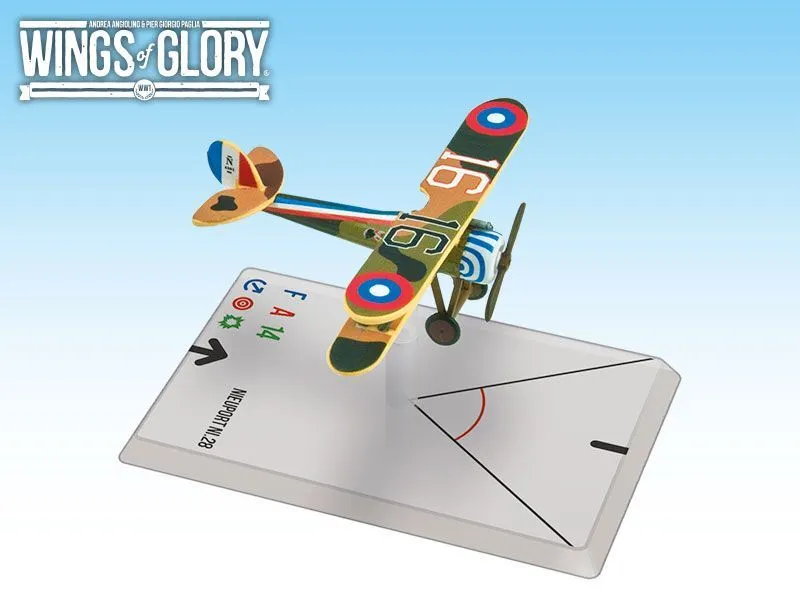
Regelhilfe für Wings of Glory: World War 1 – Nieuport Ni.28
Verständliche Erklärungen zu Spielzügen, Karteneffekten und strittigen Situationen mit Verweisen auf offizielle Quellen und gespeichertem Fragenverlauf.
Was möchtest du wissen?
Antworten stammen aus dem offiziellen Regelheft, mit Seitenangabe zum Nachprüfen.
Wings of Glory: World War 1 – Nieuport Ni.28 ist eine Erweiterung für Wings of Glory: WW1 Airplane Packs aus dem Jahr 2015. Die wichtigsten Mechaniken sind Simultaneous Action Selection, Simulation und Action Queue.

Auf Englisch
From the publisher: The Nieuport 28 was a French biplane fighter flown during World War I, designed by Gustave Delage. Owing its lineage to the successful line of sesquiplane fighters as the Nieuport 17, the Nieuport 28 continued a similar design philosophy of a lightweight and highly maneuverable aircraft. A shortage of SPADs led to the production of Nieuport 28s. It became the first aircraft to see operational service with an American fighter squadron. It was flown by famous aces such as Ralph A. O’Neil, Harold E. Hartney and Edward Rickenbacker. Designed to be used with the popular air combat game system created by Andrea Angiolino and Pier Giorgio Paglia, each WW1 Wings of Glory Airplane Pack is a ready-to-play model, painted and assembled, 100% compatible with any other WW1 Wings of Glory game product. In each pack you will find all you need to play with the airplane: a special base with gaming stats, a variable altitude flying stand, and a specific deck of maneuver cards.
Wings of Glory: World War 1 – Nieuport Ni.28 gehört zu diesen Kategorien: Fighting, Miniatures und Expansion for Base-game. Die wichtigsten Mechaniken sind Simultaneous Action Selection, Simulation und Action Queue. Kategorien beschreiben Thema und Setting eines Spiels, Mechaniken dagegen, was die Spielenden in ihrem Zug tatsächlich tun. Jede Mechanik führt zu einer Katalogseite mit ähnlichen Spielen, falls du etwas Vergleichbares suchst.
Im Katalog ist Wings of Glory: World War 1 – Nieuport Ni.28 als Erweiterung zu Wings of Glory: WW1 Airplane Packs aufgeführt. Erweiterungen ergänzen das Grundspiel um neues Material, neue Regeln oder Szenarien und sind meist nicht eigenständig spielbar; du brauchst also Wings of Glory: WW1 Airplane Packs, um sie zu nutzen. Prüfe, ob deine Ausgabe von Wings of Glory: WW1 Airplane Packs kompatibel ist, da manche Erweiterungen zwischen den Auflagen überarbeitet wurden.