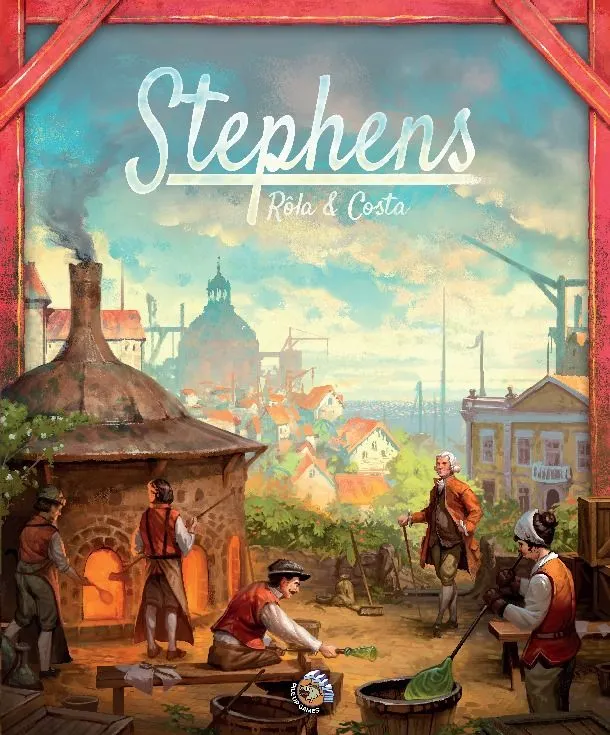
- BGG-Rang
- BGG #4.438
- BGG-Bewertung
- 7,1
Stephens
- 1–4 Spieler
- 60–120 Min.
- Komplexität 3,2/5
- 2024
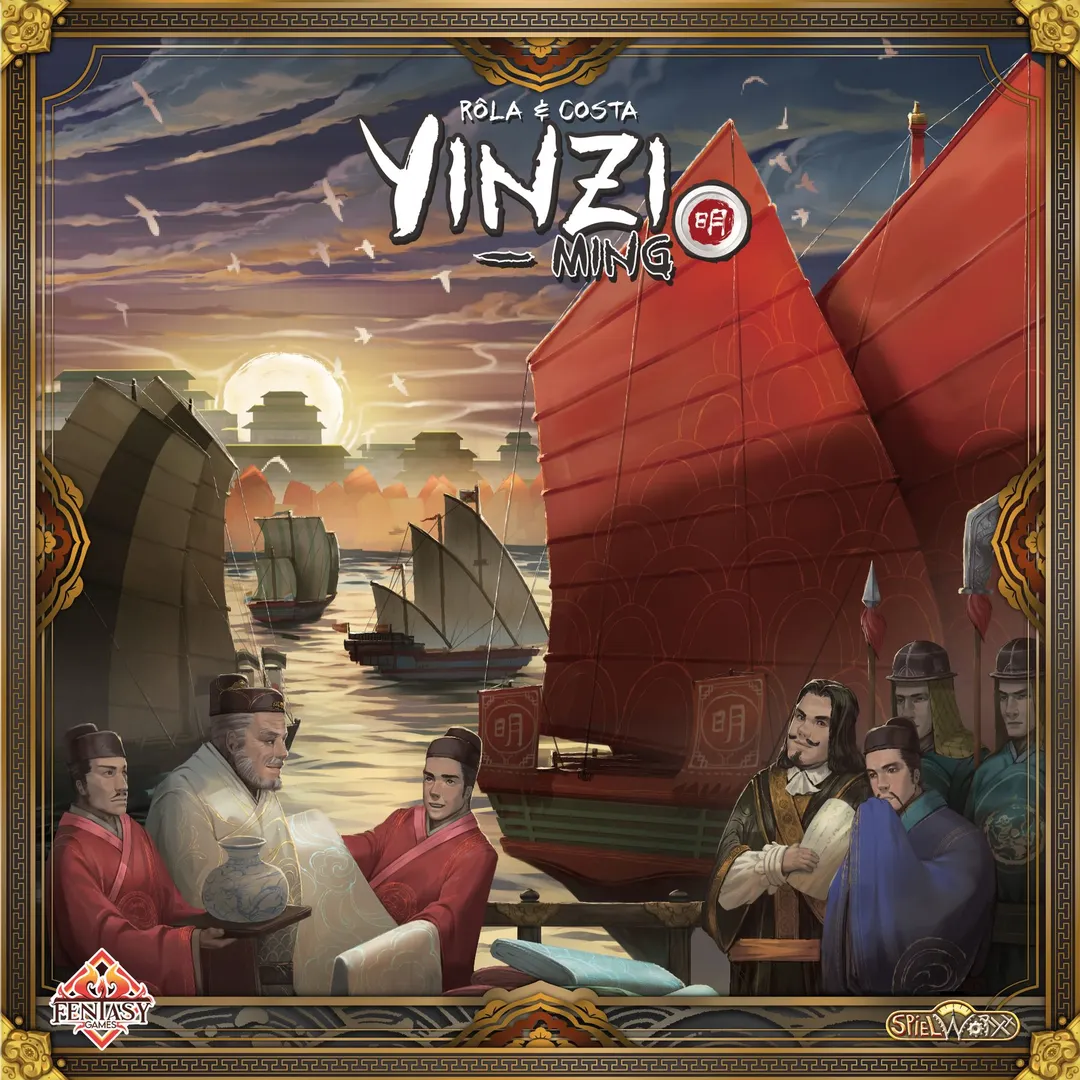
2025
Regelhilfe für Yinzi: Ming
Verständliche Erklärungen zu Spielzügen, Karteneffekten und strittigen Situationen mit Verweisen auf offizielle Quellen und gespeichertem Fragenverlauf.
Was möchtest du wissen?
Antworten stammen aus dem offiziellen Regelheft, mit Seitenangabe zum Nachprüfen.
Yinzi: Ming ist ein Brettspiel aus dem Jahr 2025 für 2–4 Personen und mit 90–180 Minuten pro Partie. Entwickelt wurde es von Rôla und Costa; die wichtigsten Mechaniken sind Action Points, Contracts und Programmed Movement.



Auf Englisch
Yinzi: Ming is a new edition of the original Yinzi — meaning "silver". Drawing on feedback from players, this version introduces updated artwork, refined graphic design, and completely revised rules to offer a fresh and immersive experience. Set during the Ming dynasty (1368–1644), a period of unprecedented economic expansion in China, Yinzi: Ming captures the transformative power of global trade. During this era, the flow of silver from the Americas and Europe to China reshaped the world economy, marking what many consider the true beginning of globalization. Within China, the rise of social mobility led to the rapid growth of cities, particularly in the lower Yangtze region, which became the country’s main hub for wheat production. In addition to wheat and rice, large-scale cultivation of crops like tea, fruit, and sugarcane flourished. Many rural peasants, drawn by economic opportunity, migrated to cities, transforming into merchants and artisans. These newly urbanized workers found employment in private and state-run factories, producing valuable commodities such as paper, porcelain, refined sugar, and silk textiles. Fueled by the liberalized economy, trade and commerce boomed, further supported by the Ming government’s infrastructure projects, including the construction of canals, roads, and bridges. This era also saw the rise of powerful merchant clans who amassed significant wealth. In Yinzi: Ming players take on the role of these merchant clans, tasked with developing key regions of China in the late Ming period, specifically along the final 200 kilometers of the Yangtze River as it approaches the China Sea. Players must plant crops, sell goods to rural and urban markets, develop raw materials, and build or upgrade factories. The goal is to produce and deliver goods to ships waiting in port. However, to succeed, players will also need to improve their river transport capabilities along the Yangtze, balancing growth and efficiency to outmaneuver their competitors. The player with the most Wealth points, wins.
Laut Katalog unterstützt Yinzi: Ming 2–4 Personen. Diese Spanne entspricht der vom Verlag angegebenen Spielerzahl, das Spiel lässt sich also für jede Gruppengröße innerhalb dieser Spanne aufbauen. Aufbau, einzelne Regeln und Wertungsdetails können je nach Personenzahl trotzdem abweichen; prüfe daher die genaue Konfiguration in der Anleitung deiner Ausgabe.
Die angegebene Spieldauer für Yinzi: Ming beträgt 90–180 Minuten. Das ist die Schätzung des Verlags für eine vollständige Partie. Die tatsächliche Dauer hängt von der Gruppe, der Personenzahl und der Regelkenntnis ab: Erste Partien dauern meist länger, erfahrene Gruppen sind oft schneller fertig. Aufbau und Regelerklärung sind in dieser Schätzung nicht enthalten.
Yinzi: Ming hat bei BoardGameGeek eine Komplexitätswertung von 4,2 von 5 und gilt damit als schweres Spiel. Die Wertung zeigt, wie viel Regelwissen, Planung und Entscheidungen eine typische Partie verlangt. Schwerere Spiele brauchen bei der ersten Erklärung mehr Zeit, daher hilft vor dem Spieleabend eine Vorbereitungsanleitung.
Yinzi: Ming gehört zu diesen Kategorien: Economic, Medieval und Industry / Manufacturing. Die wichtigsten Mechaniken sind Action Points, Contracts und Programmed Movement. Kategorien beschreiben Thema und Setting eines Spiels, Mechaniken dagegen, was die Spielenden in ihrem Zug tatsächlich tun. Jede Mechanik führt zu einer Katalogseite mit ähnlichen Spielen, falls du etwas Vergleichbares suchst.
Als Autoren von Yinzi: Ming sind angegeben: Rôla und Costa. Diese Angaben stammen aus den veröffentlichten Spieldaten und nennen die für das Spieldesign verantwortlichen Personen, nicht die Illustratoren oder Verlage. Die Autorenseiten auf MeepleRules sammeln weitere Titel derselben Autoren – praktisch, wenn dir ein Spiel gefällt und du ähnliche Spiele suchst.
Im Katalog ist Yinzi: Ming als Grundspiel aufgeführt. Es lässt sich eigenständig mit dem Material aus der Schachtel spielen und benötigt keinen weiteren Titel. Erweiterungen, sofern es welche gibt, ergänzen neues Material oder neue Regeln und sind im Katalog separat mit einem Verweis auf dieses Grundspiel aufgeführt.
