
- BGG-Rang
- BGG #20.540
- BGG-Bewertung
- 6,6
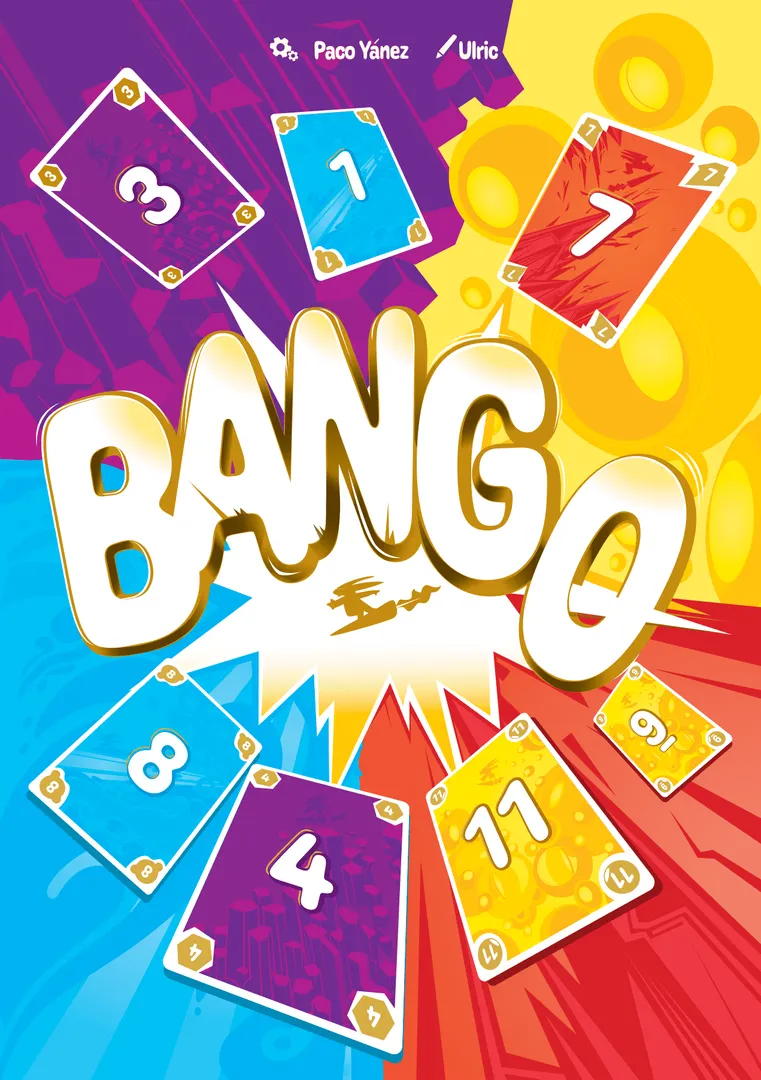
Bango
- 2–5 Spieler
- 15 Min.
- Komplexität 1,0/5
- 2025
2017
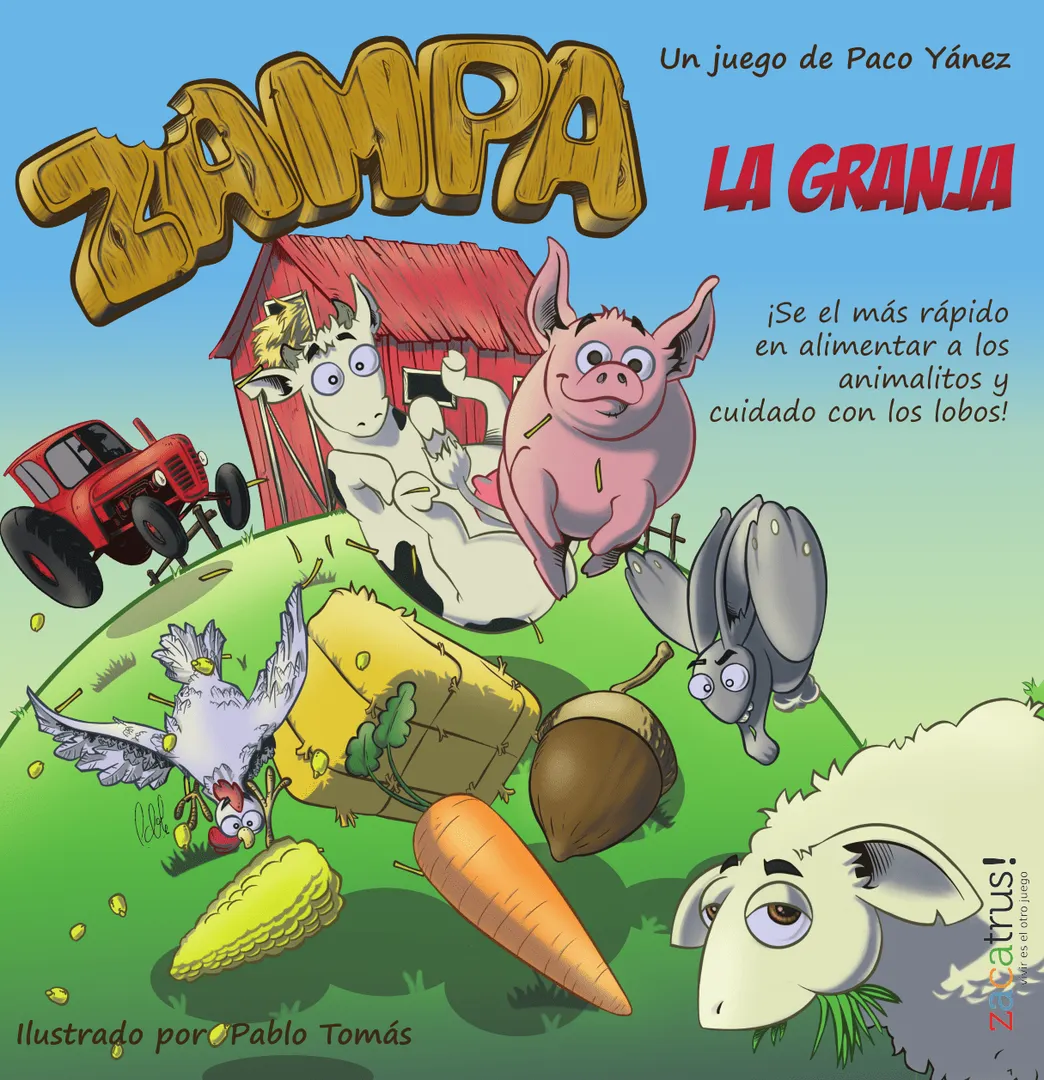
Regelhilfe für Zampa La Granja
Verständliche Erklärungen zu Spielzügen, Karteneffekten und strittigen Situationen mit Verweisen auf offizielle Quellen und gespeichertem Fragenverlauf.
Was möchtest du wissen?
Antworten stammen aus dem offiziellen Regelheft, mit Seitenangabe zum Nachprüfen.
Zampa La Granja ist ein Brettspiel aus dem Jahr 2017 für 2–5 Personen, mit 10–20 Minuten pro Partie und ab 5 Jahren. Entwickelt wurde es von Paco Yanez; die wichtigsten Mechaniken sind Set Collection, Push Your Luck und Memory.







Auf Englisch
In Zampa la Granja ("Feed the Farm"), players compete to become the best farmers, with this role being determined by whoever has the greatest number and variety of animals — and most importantly who feeds them well. Animals are very hungry, but food is scattered on the different farms, so farmers must enforce their expertise to find the right food for each type of animal. On a turn, a player rolls the dice. The color result indicates the farm they should visit in this turn. They loudly state which animal they want to feed, then reveal one of the food tiles on the corresponding farm. If food corresponds to the animal, then they claim the corresponding animal from the center of the table and the food from the farm, then place these items on their game area. If they fail, the animal remains in the center of the table and the food flips back down. If the dice roll shows the wild card, the player can visit any farm they want. When one type of animal runs out from the center of the table, a player can still take the food from a farm to feed their own animals. If one type of animals runs out and player doesn't have this species, they can steal another's player animal in order to feed it, so they take the food from the farm and the stolen animal, which is placed in their game area. A hungry wolf also prowls among the farms, and if you run into the wolf, it steals your food. The game ends immediately when food runs out at one farm, then the player with the most food wins. In case of tie, the winner will be whoever has the greatest variety of animals. ••• Description from the publisher (Spanish): En Zampa la granja, los jugadores competiten por ser los mejores granjeros. Para ello deberán conseguir la mayor cantidad y variedad de animales; y lo mas importante de todo... alimentarlos bien. Los animales estan hambrientos y la comida se encuentra dispersa en las distintas granjas. Los granjeros deberan hacer valer su experticia para conseguir la comida para cada tipo de animal en cada granja. El jugador que consiga alimentar la mayor cantidad y variedad de animales al final de la partida será el ganador. En su turno, el jugador tira el dado. Este indicará la granja que deberá visitar en este turno. Entonces, en voz alta dirá a que animal va a alimentar y revela alguna de las losetas de comida de la granja correspondiente. Si acierta, se queda con el animal y la comida. Si falla el animal se queda en el centro de la mesa y la comida se vuelve a voltear. Cuando se no quede algún tipo de animal en el centro de la mesa, el jugador podrá seguir alimentado los animales que ya tenga. En el caso de que no queden animales de una especie y el jugador no tenga dicho animal; podrá robar un animal a otro jugador con el fin de alimentarlo. Entonces se lleva a su area de juego el animal robado y la comida correspondiente. Tened cuidado porque hay un lobo hambriento merodeando... si te topas con el podrá robarte tu comida. La partida acaba inmediatamente cuando se acaban las comidas en una granja. El jugador con la mayor cantidad de comida es el ganador, en caso de empate, el ganador será quien tenga la mayor variedad de animales.
Laut Katalog unterstützt Zampa La Granja 2–5 Personen. Diese Spanne entspricht der vom Verlag angegebenen Spielerzahl, das Spiel lässt sich also für jede Gruppengröße innerhalb dieser Spanne aufbauen. Aufbau, einzelne Regeln und Wertungsdetails können je nach Personenzahl trotzdem abweichen; prüfe daher die genaue Konfiguration in der Anleitung deiner Ausgabe.
Die angegebene Spieldauer für Zampa La Granja beträgt 10–20 Minuten. Das ist die Schätzung des Verlags für eine vollständige Partie. Die tatsächliche Dauer hängt von der Gruppe, der Personenzahl und der Regelkenntnis ab: Erste Partien dauern meist länger, erfahrene Gruppen sind oft schneller fertig. Aufbau und Regelerklärung sind in dieser Schätzung nicht enthalten.
Im Katalog wird Zampa La Granja ab 5 Jahren empfohlen. Das ist die Empfehlung des Verlags und berücksichtigt Leseanforderungen, Regelkomplexität und Kleinteile, nicht nur das Thema. Jüngere Kinder können oft mit Hilfe eines Erwachsenen mitspielen; beachte die Altersangabe deiner Ausgabe und die Brettspielerfahrung deiner Gruppe.
Zampa La Granja hat bei BoardGameGeek eine Komplexitätswertung von 1,0 von 5 und gilt damit als leichtes Spiel. Die Wertung zeigt, wie viel Regelwissen, Planung und Entscheidungen eine typische Partie verlangt. Schwerere Spiele brauchen bei der ersten Erklärung mehr Zeit, daher hilft vor dem Spieleabend eine Vorbereitungsanleitung.
Zampa La Granja gehört zu diesen Kategorien: Animals, Children's Game und Memory. Die wichtigsten Mechaniken sind Set Collection, Push Your Luck und Memory. Kategorien beschreiben Thema und Setting eines Spiels, Mechaniken dagegen, was die Spielenden in ihrem Zug tatsächlich tun. Jede Mechanik führt zu einer Katalogseite mit ähnlichen Spielen, falls du etwas Vergleichbares suchst.
Als Autoren von Zampa La Granja sind angegeben: Paco Yanez. Diese Angaben stammen aus den veröffentlichten Spieldaten und nennen die für das Spieldesign verantwortlichen Personen, nicht die Illustratoren oder Verlage. Die Autorenseiten auf MeepleRules sammeln weitere Titel derselben Autoren – praktisch, wenn dir ein Spiel gefällt und du ähnliche Spiele suchst.
Im Katalog ist Zampa La Granja als Grundspiel aufgeführt. Es lässt sich eigenständig mit dem Material aus der Schachtel spielen und benötigt keinen weiteren Titel. Erweiterungen, sofern es welche gibt, ergänzen neues Material oder neue Regeln und sind im Katalog separat mit einem Verweis auf dieses Grundspiel aufgeführt.