
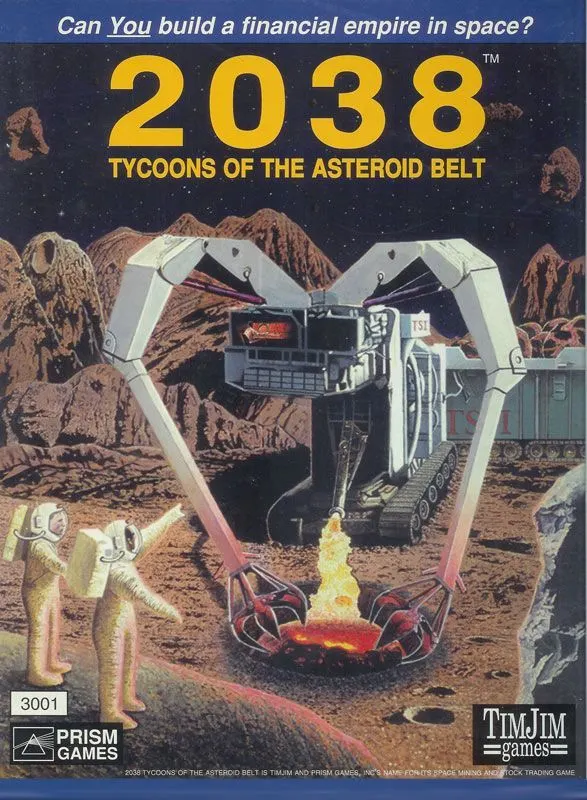
- BGG rank
- BGG #5,581
- BGG rating
- 7.1
2038: Tycoons of the Asteroid Belt
- 3–6 players
- 360 min
- Complexity 4.0/5
- 1995
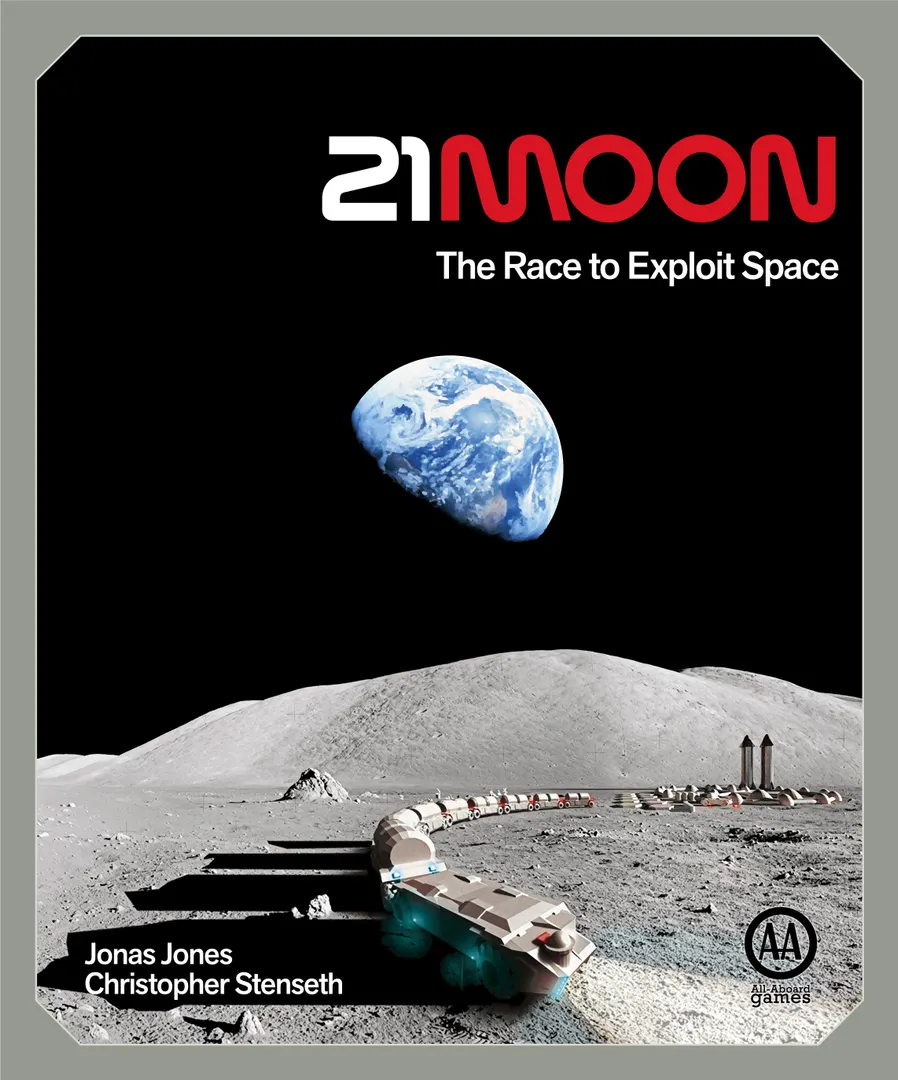
2020
Rules assistance for 21Moon
Plain-language explanations of turns, card effects and disputed situations, with official source references and saved question history.
For 2 players
What would you like to know?
Answers come from the official rulebook, with the page to check.
21Moon is a board game released in 2020 for 2–5 players and 150–210 minutes per game. It was designed by Jonas Jones and its main mechanics are Auction / Bidding, Tile Placement, and Network and Route Building.
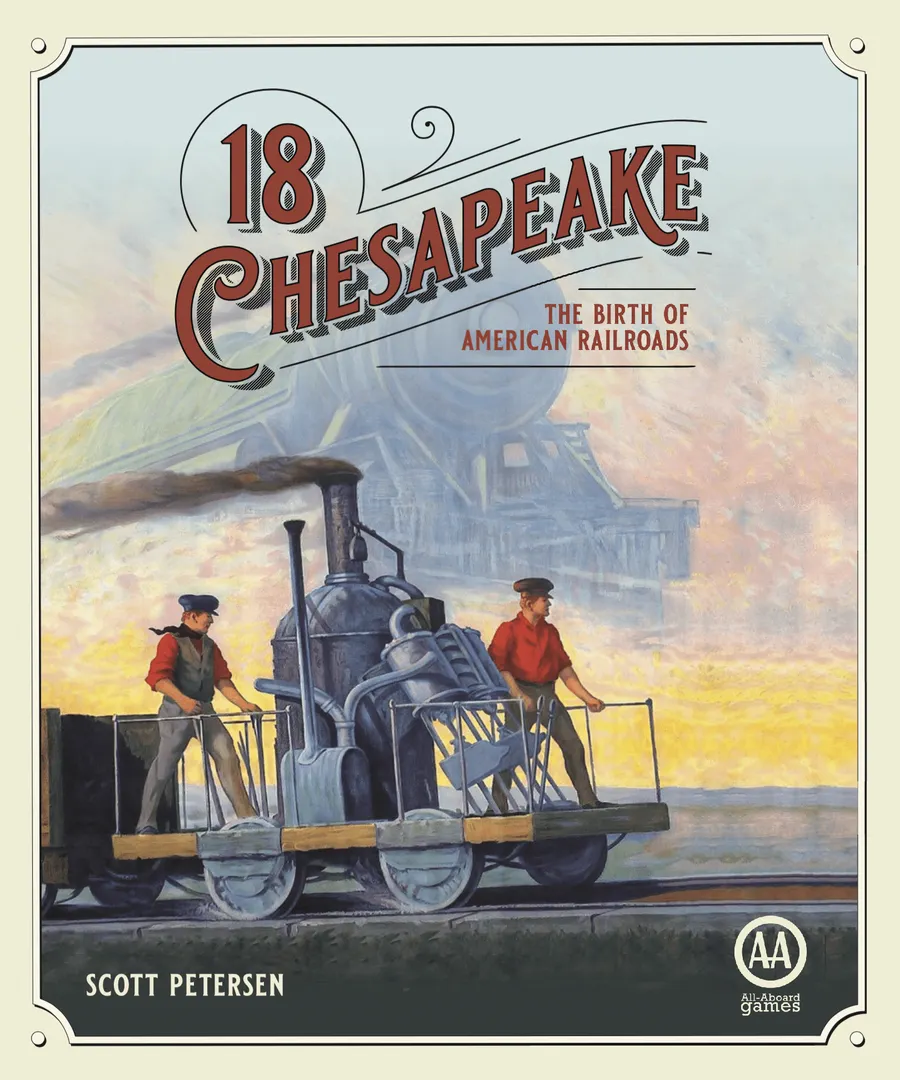

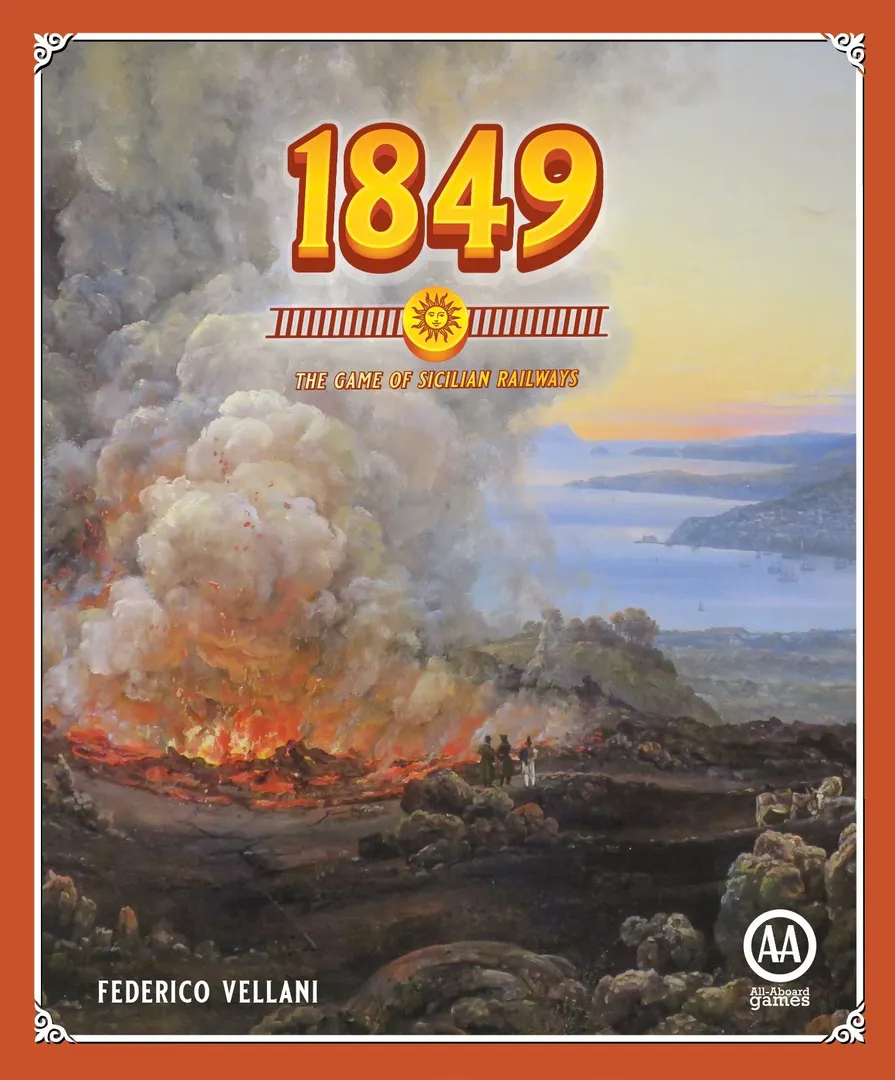
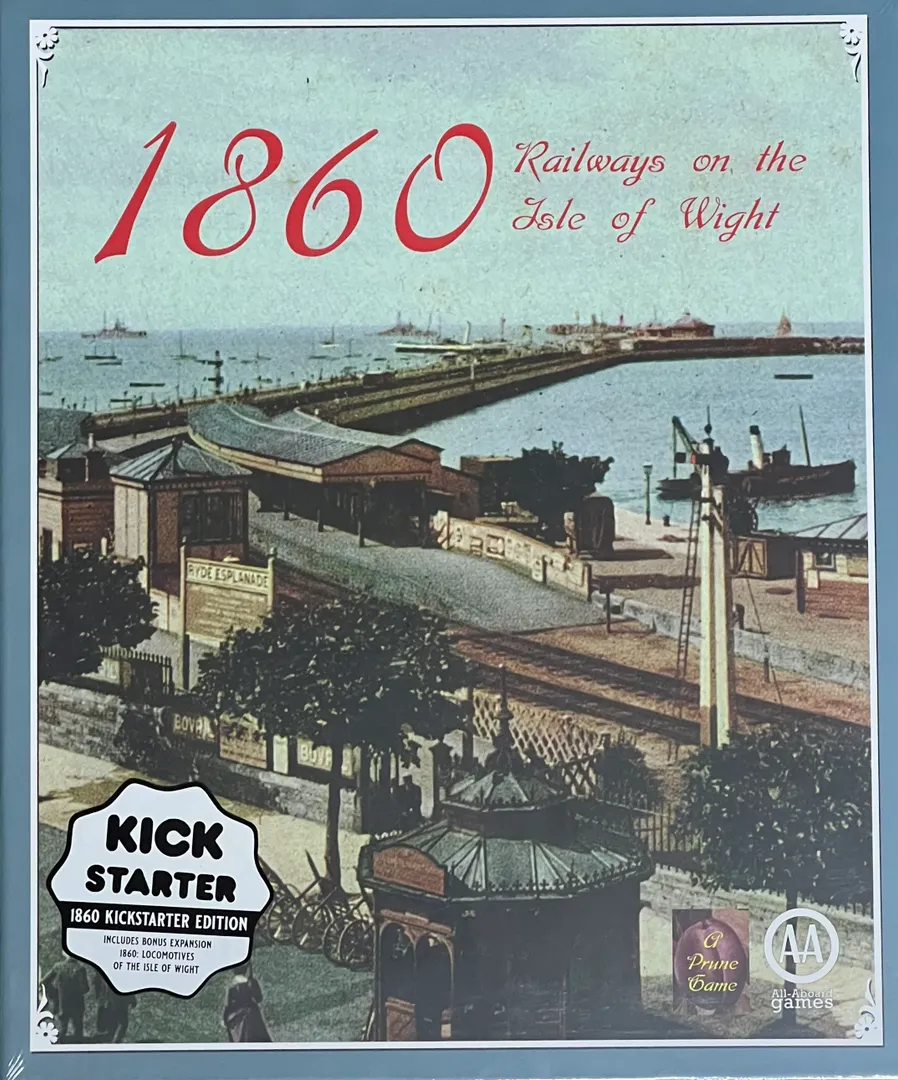




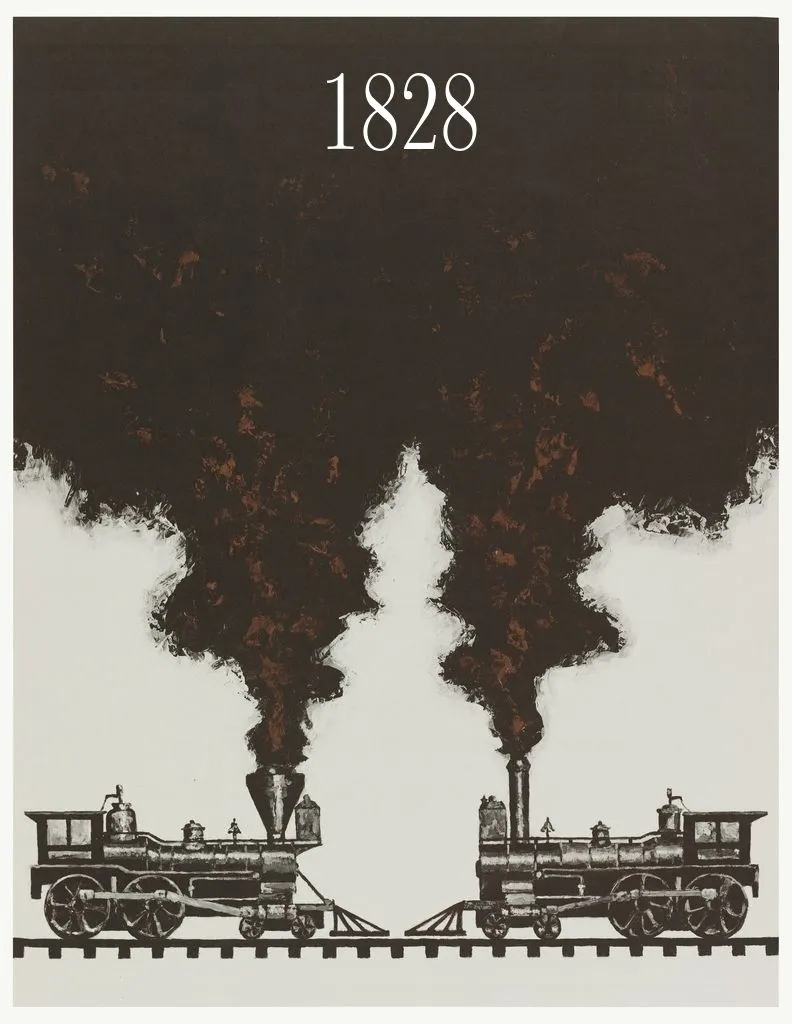
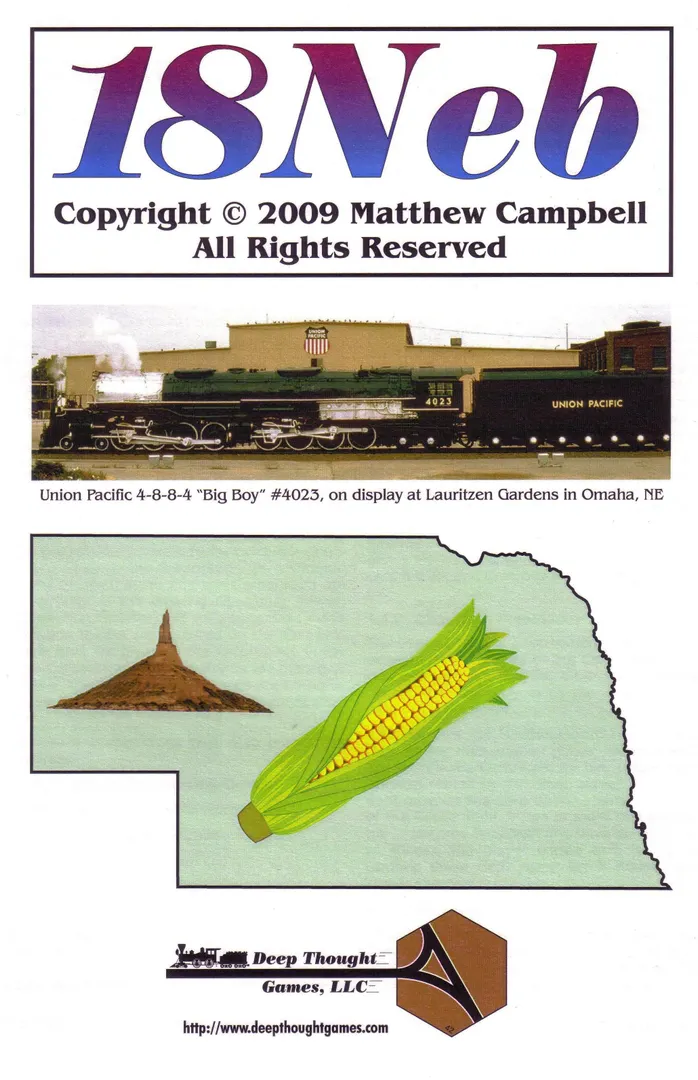
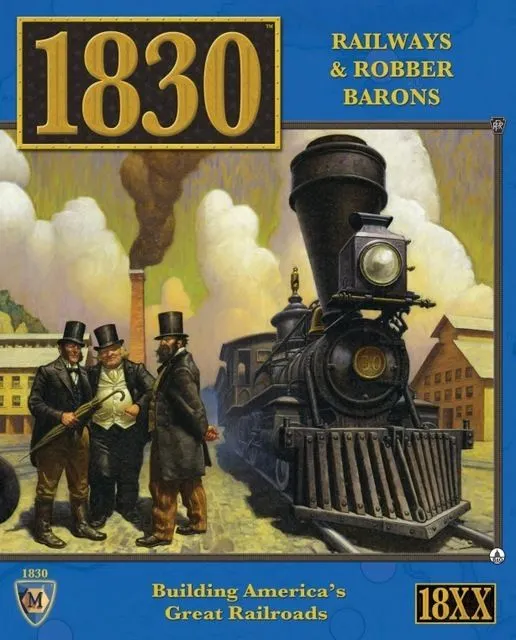
The year is 2117. Climate change has taken its toll on Earth and new resources are needed to fuel ever growing megacities around the globe. Research during the last 50 years has shown that the Moon has several very pure and effective mineral resources that are needed on Earth. This year, mining corporations have established bases on the Moon with the purpose of building a transportation network to mine valuable mineral resources. As these resources are of global interest, the top 20 nations on Earth have invested in a freight rocket, “Future One”, scheduled to fly to the moon and transport minerals back to Earth. In 21Moon, players corporations have eleven months to gather as many minerals as possible before the rocket leaves the moon. Players are opportunistic investors who see an excellent opportunity to make credits (=money) by investing in and running private companies and mining corporations on the moon. The corporations establish bases on the moon and build road networks to valuable mining resources, mining as much as possible until the freight rocket leaves the moon with its cargo of minerals. The winner is the wealthiest investor when the rocket leaves. An investor's wealth is made up of personal credits and current market value of owned shares in the seven corporations. 21Moon is an 18xx game.
21Moon supports 2–5 players according to the catalogue. This range comes from the publisher’s listed player count, so the game can be set up for any group size within it. Some setups, rules and scoring details may still vary by player count, so check your edition’s rulebook for the exact configuration.
The listed playing time for 21Moon is 150–210 minutes. This is the publisher’s estimate for a full game. The actual duration depends on the group, the player count and familiarity with the rules: first sessions usually run longer, while experienced groups often finish faster. Setup and teaching time are not included in this estimate.
21Moon has a complexity rating of 3.9 out of 5 from BoardGameGeek players, which makes it a heavy game. The rating reflects how much rules knowledge, planning and decision-making a typical game demands. Expect a longer first teach for heavier games, and use a preparation guide before game night.
21Moon belongs to these categories: Economic, Trains, and Science Fiction. Its main mechanics are Auction / Bidding, Tile Placement, and Network and Route Building. Categories describe the theme and setting of a game, while mechanics describe what players actually do on their turns. Each mechanic links to a catalogue hub with similar games, which helps when you want something comparable.
The credited designers of 21Moon are: Jonas Jones. These credits come from the published game data and name the people responsible for the game’s design, not its illustrators or publishers. Designer pages on MeepleRules collect other titles by the same designers, which helps when you enjoy a game and want to find similar ones.
The catalogue lists 21Moon as a base game. It can be played on its own with the components in the box and does not require any other title. Expansions, if any exist, add new content or rules on top of it and are listed separately in the catalogue with a link back to this base game.