
- BGG rank
- BGG #6,169
- BGG rating
- 6.9
Jarl: The Vikings Tile-Laying Game
- 2 players
- 15–25 min
- Complexity 2.7/5
- 2015
1851
Rules assistance for 3-D Chess
Plain-language explanations of turns, card effects and disputed situations, with official source references and saved question history.
For 2 players
What would you like to know?
Answers come from the official rulebook, with the page to check.
3-D Chess is a board game released in 1851 for 2 players and 90 minutes per game. It was designed by Lionel Adalbert Bagration Felix Kieseritzky and its main mechanics are Grid Movement.
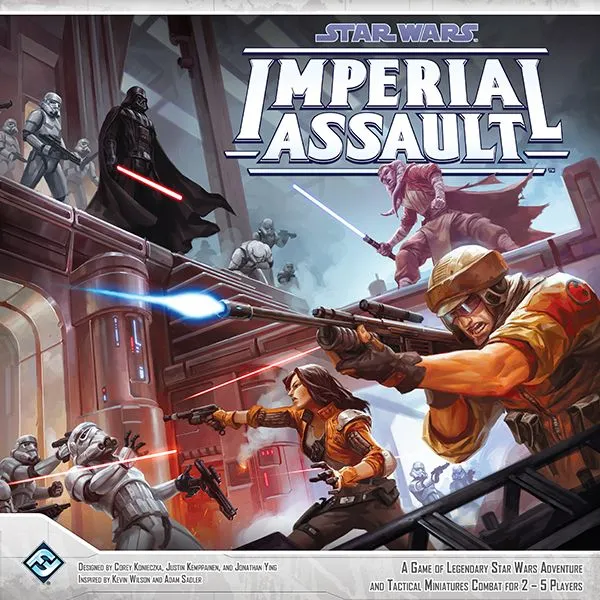




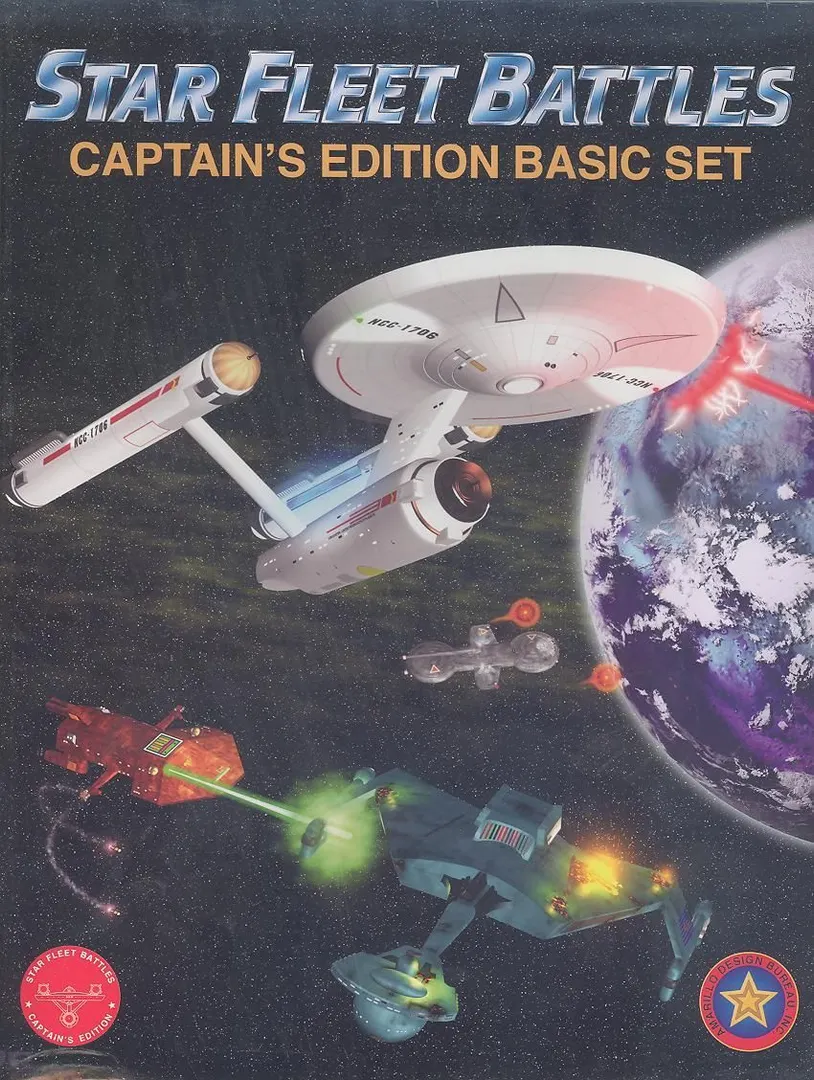

There are many forms of 3D Chess, the earliest being Kubicschach, which is German for Cubic Chess and was designed by the French Chess master Lionel Adalbert Bagration Felix Kieseritzky, in 1851. Kubicschach, as the name suggests, is eight standard Chess boards stacked up to for an 8x8x8 cube, it never became a popular game. Kubicschach was reduced by Doctor Ferdinand Maack in 1907, to five 5x5 boards and renamed Raumschach, which is German for Space Chess. It was played a lot in Germany during the beginning of the 20th century. Dimensional Games, Inc launched "The Original 3D Chess" in 1967, designed by NASA engineer Lynn R. Johnson. It includes three 8x8 boards and was sold until the late 90's. It was reproduced and relaunched in 2025, using the original design. The Dynamic Games company first produced a three 8x8 board in 1973 and sold it under the name Strato Chess. The game has been copied by many companies since and is the most widely available of all 3D Chess boards. The most famous variant of 3D Chess appeared in the Star Trek television show in 1966, in which it was referred to as 'Three Dimensional Chess'. The original stage property was designed by Irving A Feinberg and consisted of three 4x4 boards and four movable 2x2 boards. It was developed into a real game by the technical designer Franz Joseph Schnaubelt in his 1975 book, the Star Fleet Technical Manual and improved by a fan and chess player Andrew Bartmess, whose rules are some of the most popular. Fans of Star Trek still call it 'Three Dimensional Chess' but players of the game call it by the title Schnaubelt popularised 'Tri Dimensional Chess'. In 1985, the game design Gary Gygax published rules for Dragon Chess in Dragon magazine. A Dragon Chess board is three 8x12 boards stacked up and includes the extra pieces: Sylph, Griffon, Dragon, Warrior, Oliphant, Unicorn, Hero, Thief, Cleric, Mage, Paladin, Dwarf, Basilisk and Elemental. Max Chappell started designing Hyperchess in the early '70s but didn't produce and sell the first commercial set until 1996. Although it was influenced by the tri dimensional chess board, it has been described as more helical in design. In 2001 William d'Agostino recreated the Strato Chess board and called it Millenium Chess, with the idea of extending Classic Chess, without distorting the game.
3-D Chess supports 2 players according to the catalogue. This is the publisher’s listed player count, so the game is designed for exactly that number of participants. Variants for other group sizes, if any, are described in the rulebook of your edition, so check it before setting up a different configuration.
The listed playing time for 3-D Chess is 90 minutes. This is the publisher’s estimate for a full game. The actual duration depends on the group, the player count and familiarity with the rules: first sessions usually run longer, while experienced groups often finish faster. Setup and teaching time are not included in this estimate.
3-D Chess has a complexity rating of 4.1 out of 5 from BoardGameGeek players, which makes it a heavy game. The rating reflects how much rules knowledge, planning and decision-making a typical game demands. Expect a longer first teach for heavier games, and use a preparation guide before game night.
3-D Chess belongs to these categories: Movies / TV / Radio theme and Abstract Strategy. Its main mechanics are Grid Movement. Categories describe the theme and setting of a game, while mechanics describe what players actually do on their turns. Each mechanic links to a catalogue hub with similar games, which helps when you want something comparable.
The credited designers of 3-D Chess are: Lionel Adalbert Bagration Felix Kieseritzky. These credits come from the published game data and name the people responsible for the game’s design, not its illustrators or publishers. Designer pages on MeepleRules collect other titles by the same designers, which helps when you enjoy a game and want to find similar ones.
The catalogue lists 3-D Chess as a base game. It can be played on its own with the components in the box and does not require any other title. Expansions, if any exist, add new content or rules on top of it and are listed separately in the catalogue with a link back to this base game.