
- BGG rank
- BGG #3,004
- BGG rating
- 7.2
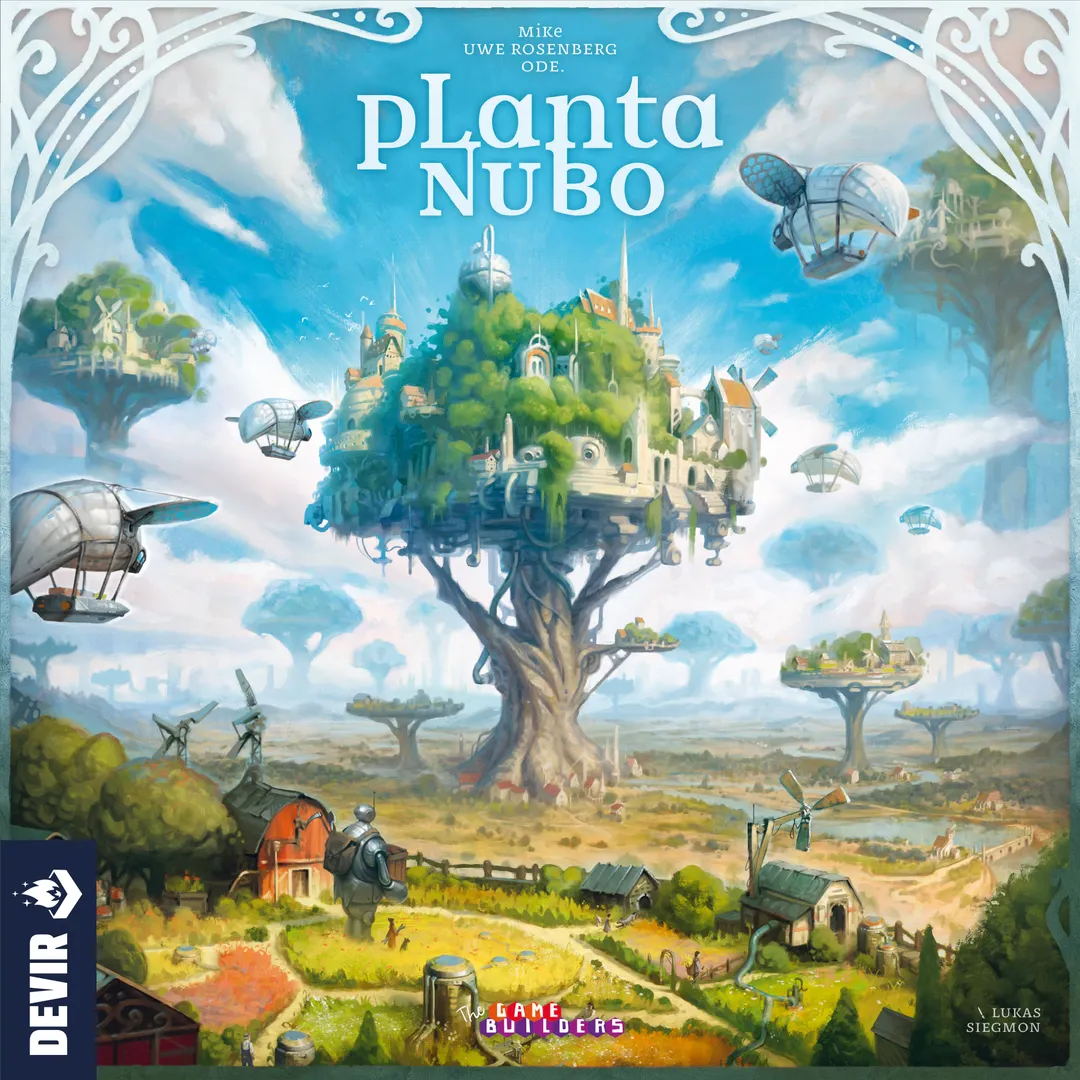
Planta Nubo
- 1–4 players
- 30–120 min
- Complexity 3.9/5
- 2023
2017
Rules assistance for Agra
Plain-language explanations of turns, card effects and disputed situations, with official source references and saved question history.
What would you like to know?
Answers come from the official rulebook, with the page to check.
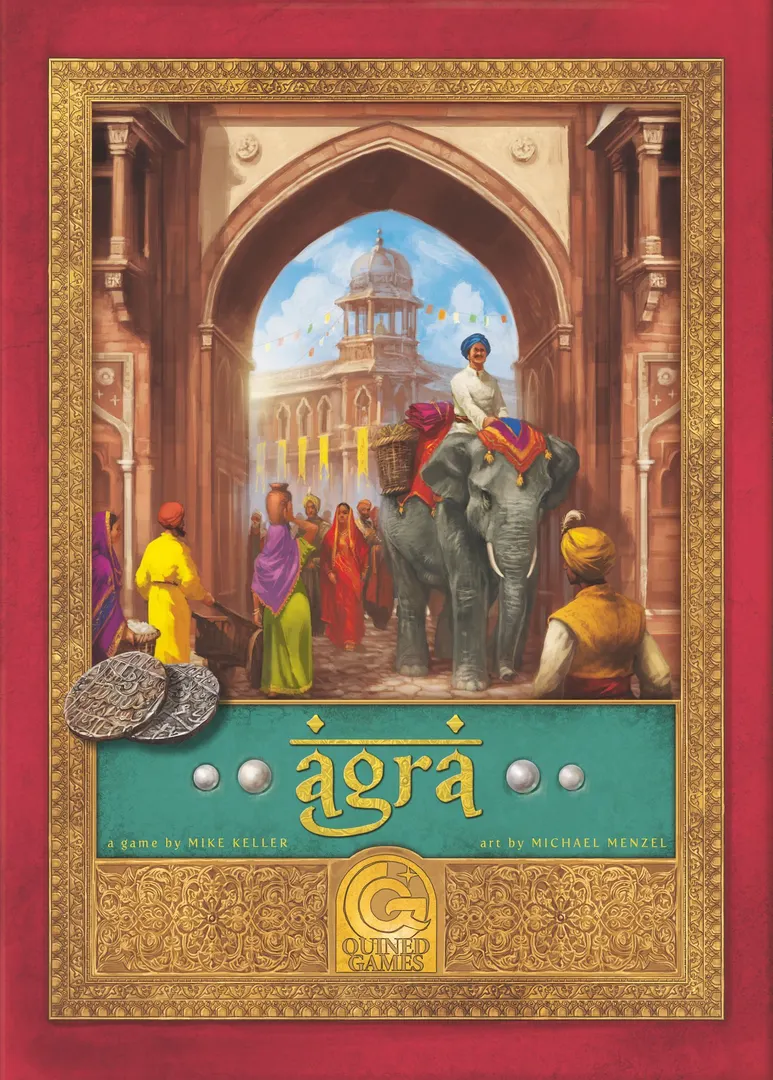
Agra is a board game released in 2017 for 2–4 players, 90–120 minutes per game, and ages 12 and up. It was designed by Michael Keller (II) and its main mechanics are Trading, Area Majority / Influence, and Worker Placement.







Agra, India: The year is 1572; this year marks the 30th birthday of Abu'l-Fath Jalal-ud-din Muhammad, popularly known as Akbar the Great. Akbar is the third ruler of India's Mughal dynasty, having succeeded his father, Humayun. With the guidance of his regent, Bairam Khan, Akbar has expanded and consolidated India's Mughal domains. Using his strong personality and skill as a general, Akbar has enlarged his Empire to include nearly all of the Indian subcontinent north of the Godavari River; his presence is felt across the entire country due to the Mughals' military, political, cultural, and economic dominance. To unify the vast Mughal state, Akbar has established a centralized system of administration; conquered rulers are conciliated through marriage and diplomacy. Akbar has preserved peace and Order throughout his empire by passing laws that have won him the support of his non-Muslim subjects. Eschewing tribal bonds and Islamic state-identity, Akbar has striven to unite his lands. The Mughals' Persian-ized culture has afforded Akbar near-divine status. Notables and emissaries from all over the country are on their way for Akbar's birthday celebration. As an ambitious landowner, you cannot let this pass; the festivities are a golden opportunity for you to rise in stature and wealth. On your land in Agra, you cultivate and harvest cotton and turmeric. You possess a forest from which you produce wood, as well as a small, but very profitable sandstone quarry. By trading and processing your wares, you can obtain more luxurious goods, which you will then use to woo notables as they make their way into the capital. Of course, your rivals have the same plan; you must use your wits to outsmart them as Akbar's birthday draws near... (Description from the publisher)
Agra supports 2–4 players according to the catalogue. This range comes from the publisher’s listed player count, so the game can be set up for any group size within it. Some setups, rules and scoring details may still vary by player count, so check your edition’s rulebook for the exact configuration.
The listed playing time for Agra is 90–120 minutes. This is the publisher’s estimate for a full game. The actual duration depends on the group, the player count and familiarity with the rules: first sessions usually run longer, while experienced groups often finish faster. Setup and teaching time are not included in this estimate.
The catalogue lists Agra for ages 12 and up. This is the publisher’s recommendation and reflects reading demands, rule complexity and small components rather than theme alone. Younger players can often join with help from an adult, so check the age guidance on your edition and consider your group’s experience with board games.
Agra has a complexity rating of 4.3 out of 5 from BoardGameGeek players, which makes it a heavy game. The rating reflects how much rules knowledge, planning and decision-making a typical game demands. Expect a longer first teach for heavier games, and use a preparation guide before game night.
Agra belongs to these categories: Industry / Manufacturing. Its main mechanics are Trading, Area Majority / Influence, and Worker Placement. Categories describe the theme and setting of a game, while mechanics describe what players actually do on their turns. Each mechanic links to a catalogue hub with similar games, which helps when you want something comparable.
The credited designers of Agra are: Michael Keller (II). These credits come from the published game data and name the people responsible for the game’s design, not its illustrators or publishers. Designer pages on MeepleRules collect other titles by the same designers, which helps when you enjoy a game and want to find similar ones.
The catalogue lists Agra as a base game. It can be played on its own with the components in the box and does not require any other title. Expansions, if any exist, add new content or rules on top of it and are listed separately in the catalogue with a link back to this base game.