

- BGG rank
- BGG #10,068
- BGG rating
- 8.1
Premières Gloires
- 2 players
- Complexity 3.4/5
- 2017
2009
Rules assistance for Aspern-Essling 1809
Plain-language explanations of turns, card effects and disputed situations, with official source references and saved question history.
For 2 players
What would you like to know?
Answers come from the official rulebook, with the page to check.
Aspern-Essling 1809 is a board game released in 2009 for 2 players and 240 minutes per game. It was designed by Frédéric Bey and its main mechanics are Dice Rolling, Hexagon Grid, and Chit-Pull System.
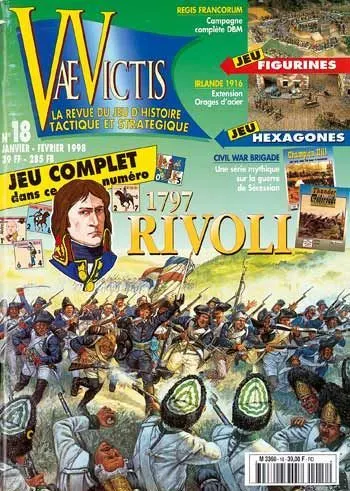
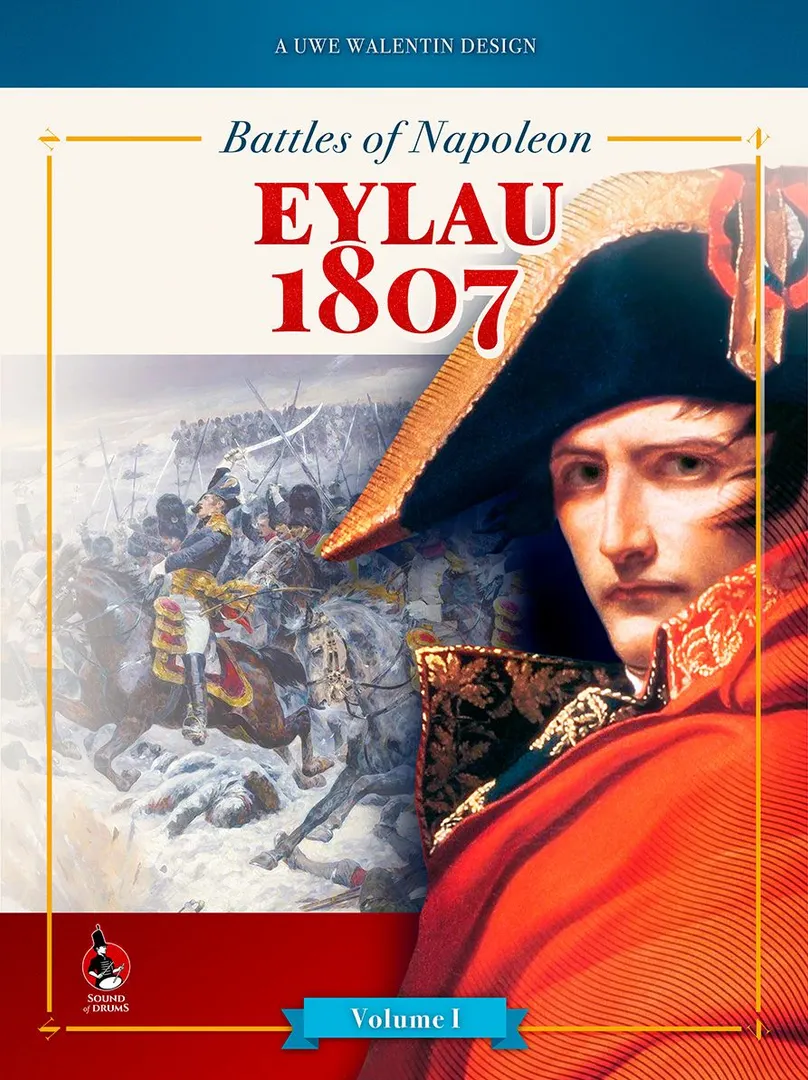
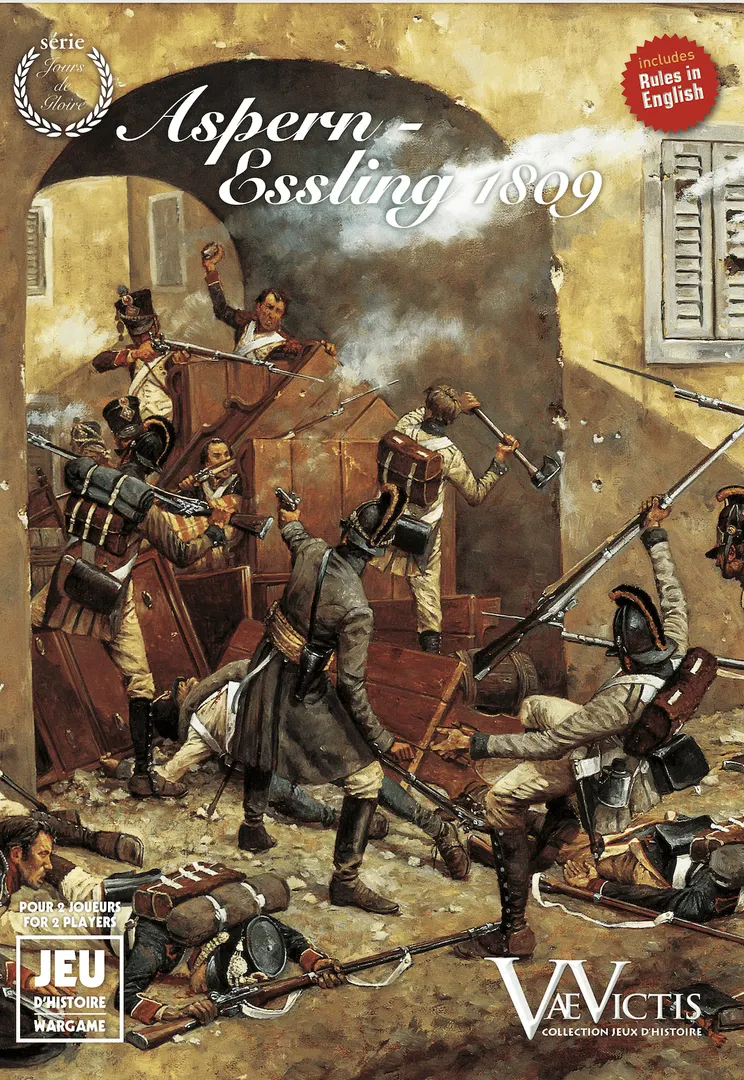
On April 24, 1809, Napoléon had proclaimed at Ratisbon, « We will be in Vienna in less than a month ! ». Although he did seize the Austrian capital on May 13, the Danube still separated the Emperor from the army of the Archduke Charles. To pull off a decisive victory, he now had to force a crossing of the river and defeat the Austrians as swiftly as possible. On May 20 in mid-afternoon 200 skirmishers of Molitor’s division crossed the backwater which separated the island of Lobau from the left bank of the Danube. By the next day, a beautiful Pentecost Sunday, the French were on the left bank with 30,000 men, including 6,000 cavalry, and were ready for battle. Grounded on the villages of Aspern and Essling and covered on the wings by the river, their base was solid. For his part, the Archduke Charles decided to go over to the attack quickly so as to destroy the troops who had just crossed the Danube. He had over 60,000 men available, organized into five columns, and before long the Austrians would have 90,000. After the battle had begun, several of the bridges over the Danube were temporarily broken, preventing the French from receiving the reinforcements necessary for victory. During the two days of May 21 and 22 the divisions on the ground, commanded by Masséna and Lannes, would have to resist heroically as the enemy launched a series of massive assaults. The victory was delayed until later : in less than three months, that would be Wagram ! Aspern-Essling 1809 is the 26th battle of the series Jours de Gloire, launched in 1997 with Rivoli 1797 (Vae Victis n°18). The game covers the two days of the battle (May 21 and 22, 1809), with special rules dealing with the command situation of the French army (Lannes and Masséna). The bridges between the island of Lobau and the left bank of the Danube also hold an important place in the simulation. Aspern-Essling 1809 includes : a 59 x 40 cm map, 216 double-sided die-cut counters and markers, a color rulebook with scenarios and a player aid. Units : Regiments and brigades Map scale : 330 m/hex. Turn : 90 minutes Complexity : 6 / 9 French or English Rules / Charts (1st edition). French and English Rules / Charts (2nd edition).
Aspern-Essling 1809 supports 2 players according to the catalogue. This is the publisher’s listed player count, so the game is designed for exactly that number of participants. Variants for other group sizes, if any, are described in the rulebook of your edition, so check it before setting up a different configuration.
The listed playing time for Aspern-Essling 1809 is 240 minutes. This is the publisher’s estimate for a full game. The actual duration depends on the group, the player count and familiarity with the rules: first sessions usually run longer, while experienced groups often finish faster. Setup and teaching time are not included in this estimate.
Aspern-Essling 1809 has a complexity rating of 2.6 out of 5 from BoardGameGeek players, which makes it a medium-light game. The rating reflects how much rules knowledge, planning and decision-making a typical game demands. Expect a longer first teach for heavier games, and use a preparation guide before game night.
Aspern-Essling 1809 belongs to these categories: Wargame and Napoleonic. Its main mechanics are Dice Rolling, Hexagon Grid, and Chit-Pull System. Categories describe the theme and setting of a game, while mechanics describe what players actually do on their turns. Each mechanic links to a catalogue hub with similar games, which helps when you want something comparable.
The credited designers of Aspern-Essling 1809 are: Frédéric Bey. These credits come from the published game data and name the people responsible for the game’s design, not its illustrators or publishers. Designer pages on MeepleRules collect other titles by the same designers, which helps when you enjoy a game and want to find similar ones.
The catalogue lists Aspern-Essling 1809 as a base game. It can be played on its own with the components in the box and does not require any other title. Expansions, if any exist, add new content or rules on top of it and are listed separately in the catalogue with a link back to this base game.