
- BGG rank
- BGG #27,256
- BGG rating
- 6.0
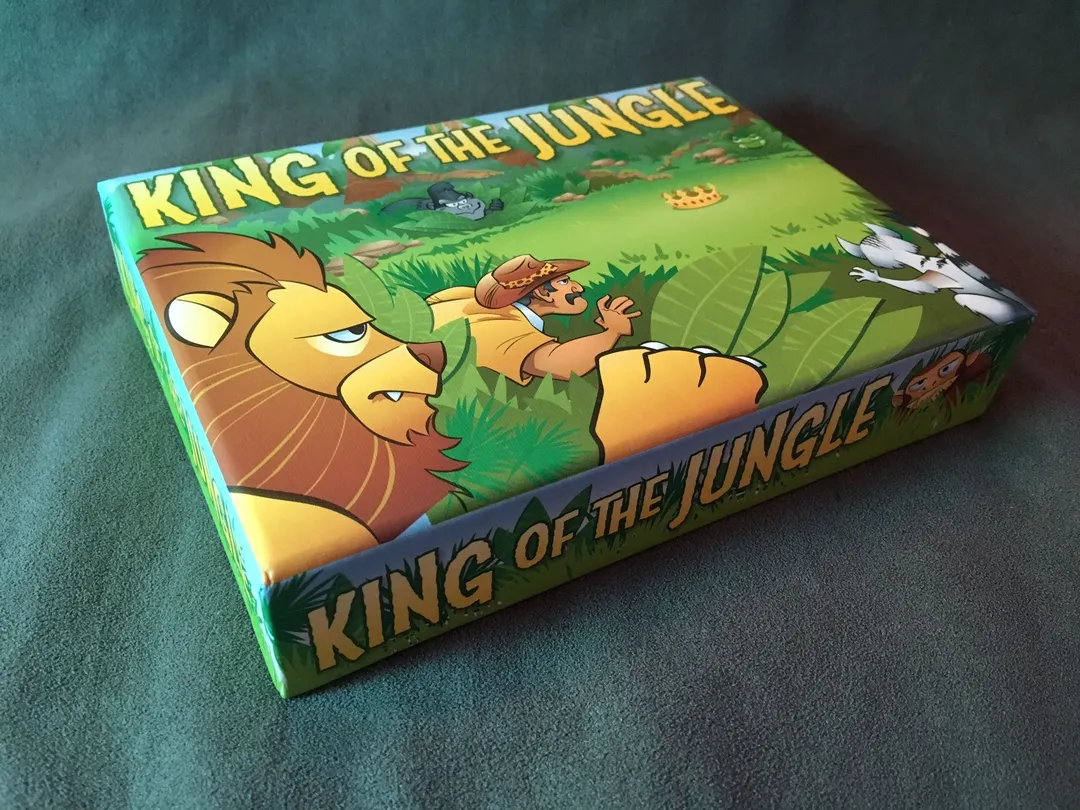
King of the Jungle Card Game
- 2–21 players
- 5–20 min
- Complexity 1.0/5
- 2016
2006
Rules assistance for Astoria
Plain-language explanations of turns, card effects and disputed situations, with official source references and saved question history.
For 2 players
What would you like to know?
Answers come from the official rulebook, with the page to check.
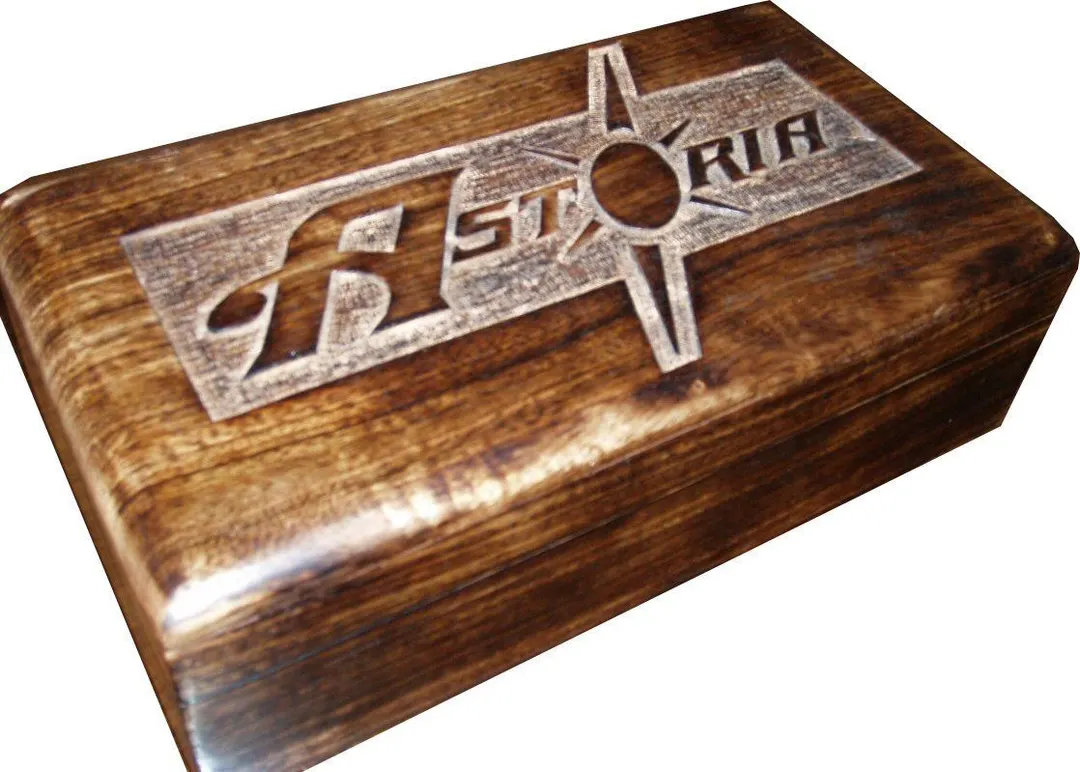
Astoria is a board game released in 2006 for 2–6 players, 40 minutes per game, and ages 10 and up. It was designed by Christophe Finas and its main mechanics are Variable Player Powers, Team-Based Game, and Pattern Recognition.

Astoria is two games in one : the board introduces a game named 'Combination Version' on one side, and another game named 'Epic Version' on its other side. Each version game puts the players in the role of powerful mages and alchemists, who are trying to find a cure to the strange and sudden illness that stroke the king of Astoria. The material included (four glass flasks, 60 shining gems in six colors, 66 cards) is used differently, depending on the game played. The Combination Version is team-played. By placing gems, players put in place the components that will make them able to produce one of many different magic components. Those components will be used as reagents in the cure. The players use alchemy powers to prevent the opposing team from putting their reagents in play, or to speed up their own production, in order to produce the best cure for the king and be rewarded accordingly. The game ends as soon as one category of gems is depleted, so it is important to delay the end of the game if your team hasn't found the best cure yet. The other side of the board presents a completely different game named the "Epic Version", that includes more diplomacy and roleplaying features. Players are powerful mages trying to save the city of Astoria from three disasters : a barbarian invasion, a revolt, and the wrath of a powerful dragon. They develop their powers by creating magic items and putting them in play. Magic items are from six different magic sources, and each source can be used for a different effect on the city. The players use those magical forces to fight off the barbarians and defend the city from the besieging forces. The barbarian hordes will also be reinforced by war chiefs and sorcerers that will add to the pressure on the city. The players objective is still to find a cure to the illness of the king of Astoria. But some of the mages are also traitors, trying to lead the king to his final rest and give victory to one of the enemies of Astoria. Players have to watch each other, and may accuse another mage of treachery. They also have to keep an eye for the king's health, for if he dies, everything will be lost for the defenders. The game has different endings : the king can die, or can be saved. Or the city may fall to the hands of one of the enemies of Astoria. If one of the enemy factions comes to its maximal force, the game immediately ends with the victory of this faction (and, possibly, the victory of the traitor that was secretly supporting it!). Both the Combination and the Epic Versions use a scoring method that makes it possible for players to play the game in competition and tournaments.
Astoria supports 2–6 players according to the catalogue. This range comes from the publisher’s listed player count, so the game can be set up for any group size within it. Some setups, rules and scoring details may still vary by player count, so check your edition’s rulebook for the exact configuration.
The listed playing time for Astoria is 40 minutes. This is the publisher’s estimate for a full game. The actual duration depends on the group, the player count and familiarity with the rules: first sessions usually run longer, while experienced groups often finish faster. Setup and teaching time are not included in this estimate.
The catalogue lists Astoria for ages 10 and up. This is the publisher’s recommendation and reflects reading demands, rule complexity and small components rather than theme alone. Younger players can often join with help from an adult, so check the age guidance on your edition and consider your group’s experience with board games.
Astoria has a complexity rating of 2.8 out of 5 from BoardGameGeek players, which makes it a medium-light game. The rating reflects how much rules knowledge, planning and decision-making a typical game demands. Expect a longer first teach for heavier games, and use a preparation guide before game night.
Astoria belongs to these categories: Fantasy. Its main mechanics are Variable Player Powers, Team-Based Game, and Pattern Recognition. Categories describe the theme and setting of a game, while mechanics describe what players actually do on their turns. Each mechanic links to a catalogue hub with similar games, which helps when you want something comparable.
The credited designers of Astoria are: Christophe Finas. These credits come from the published game data and name the people responsible for the game’s design, not its illustrators or publishers. Designer pages on MeepleRules collect other titles by the same designers, which helps when you enjoy a game and want to find similar ones.
The catalogue lists Astoria as a base game. It can be played on its own with the components in the box and does not require any other title. Expansions, if any exist, add new content or rules on top of it and are listed separately in the catalogue with a link back to this base game.