
- BGG rank
- BGG #12,420
- BGG rating
- 8.0
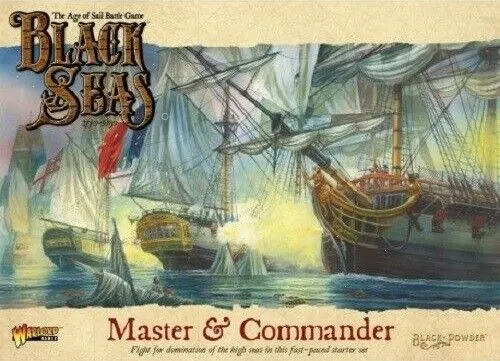
Black Seas: Master & Commander Starter Set
- 2 players
- 30–500 min
- Complexity 3.3/5
- 2019
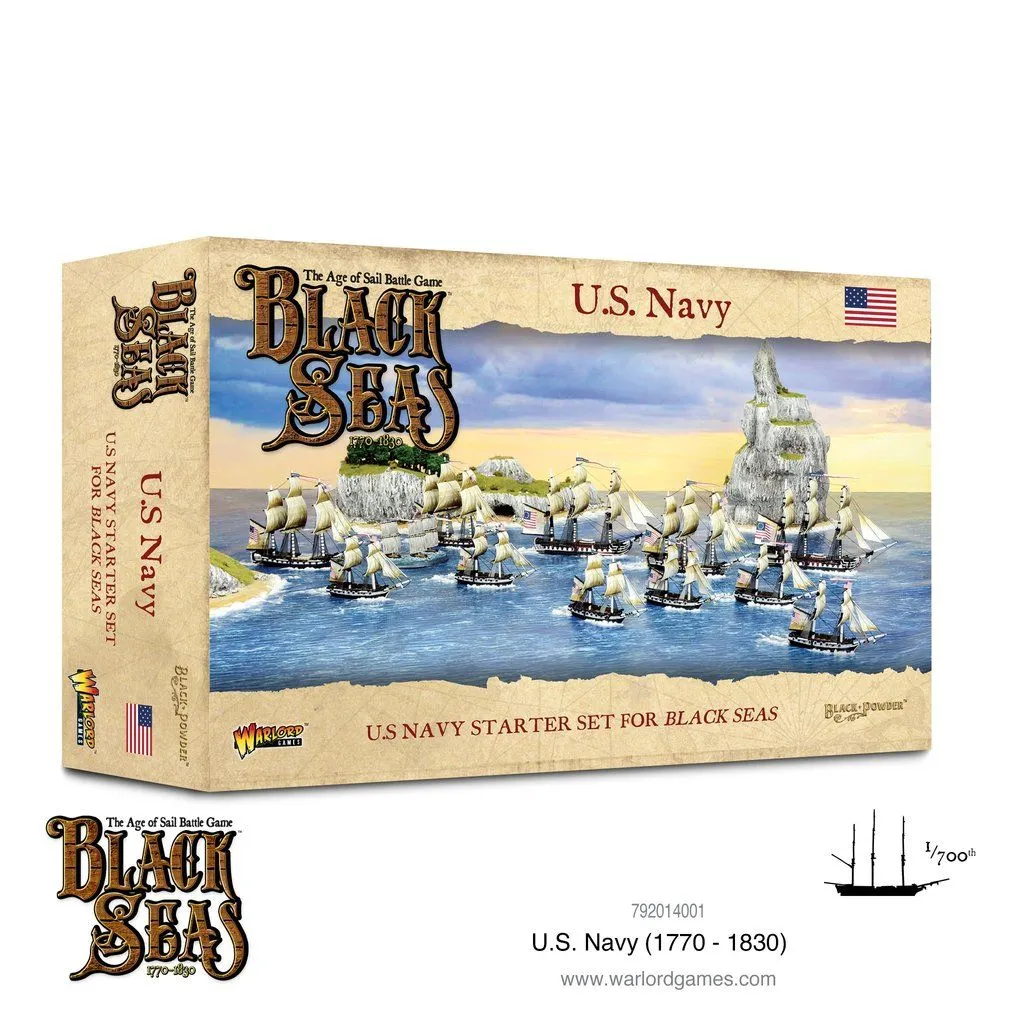
Rules assistance for Black Seas: U.S. Navy Fleet
Plain-language explanations of turns, card effects and disputed situations, with official source references and saved question history.
What would you like to know?
Answers come from the official rulebook, with the page to check.
Black Seas: U.S. Navy Fleet is an expansion for Black Seas: Rulebook released in 2019 30–500 minutes per game and ages 10 and up. It was designed by Gabrio Tolentino and its main mechanics are Dice Rolling and Simulation.

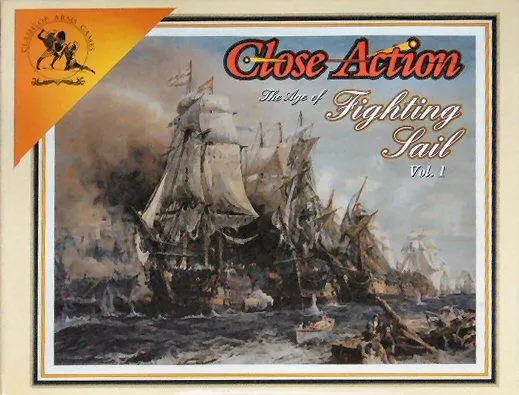
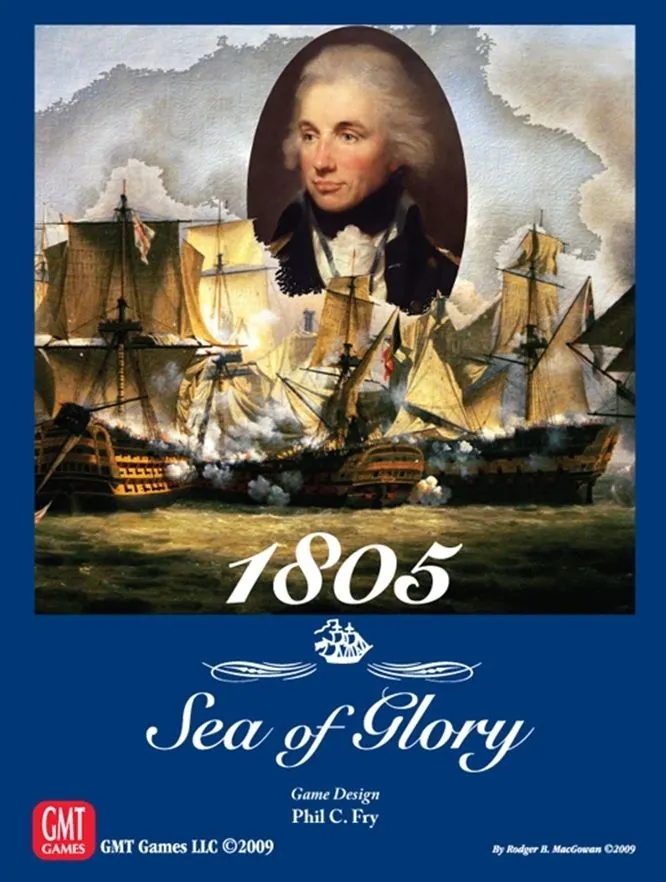
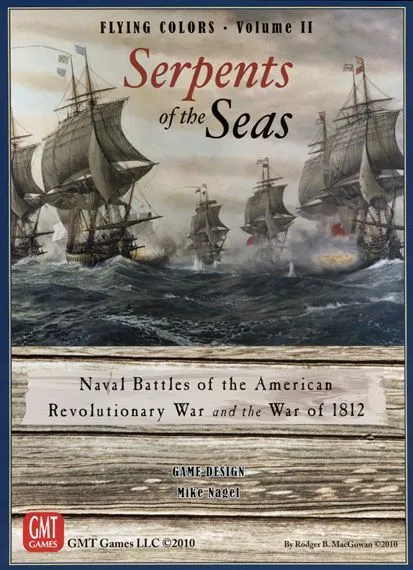
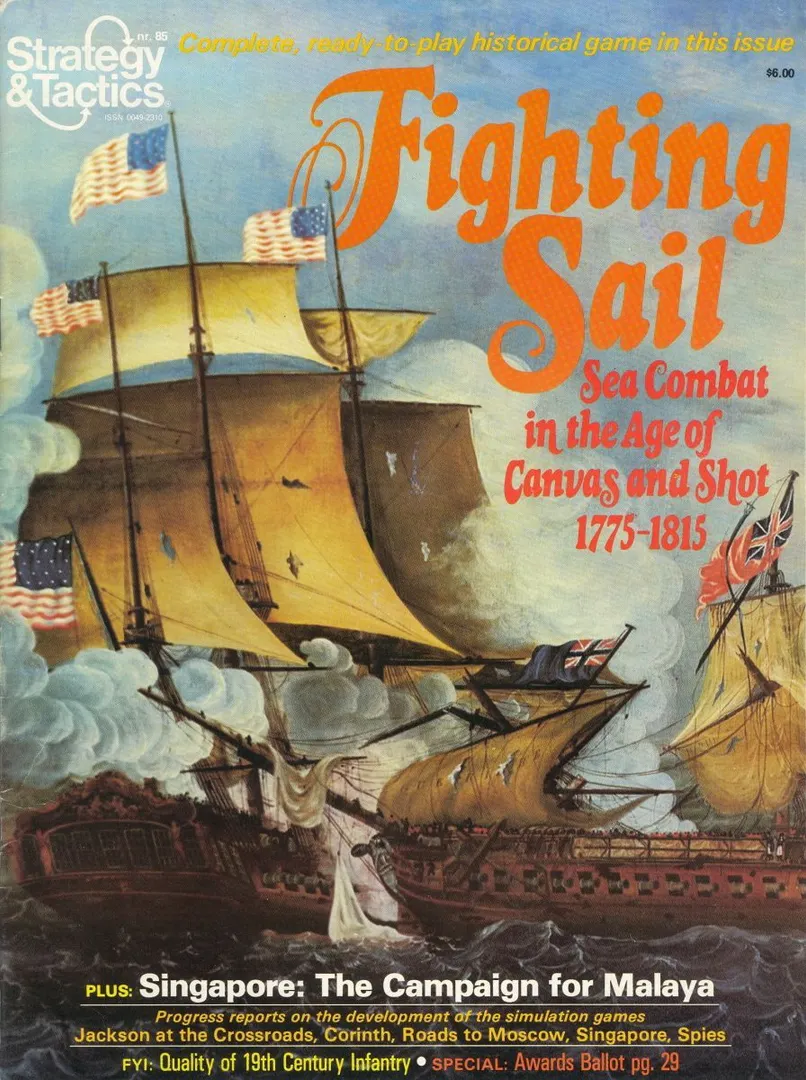
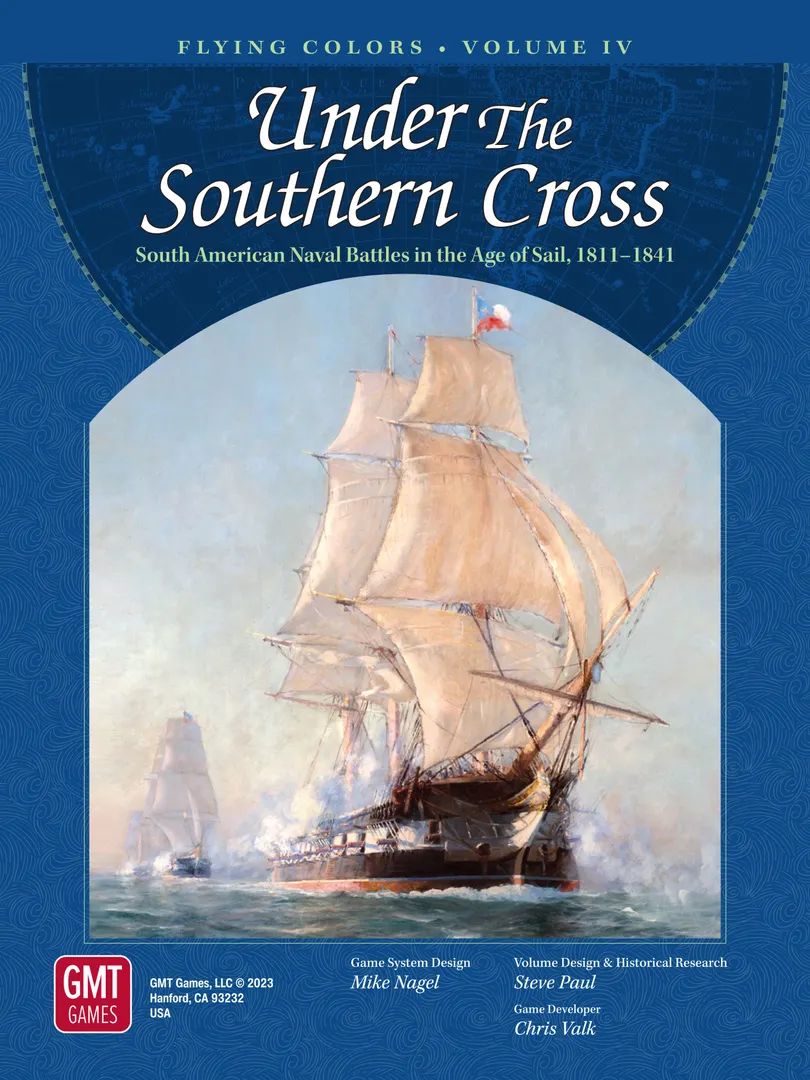
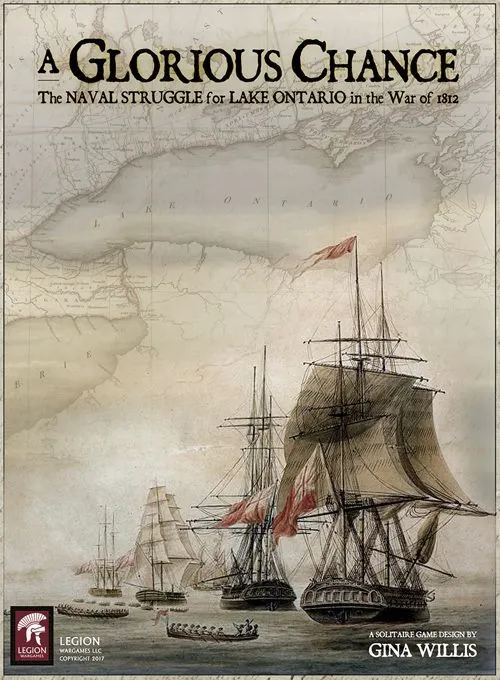
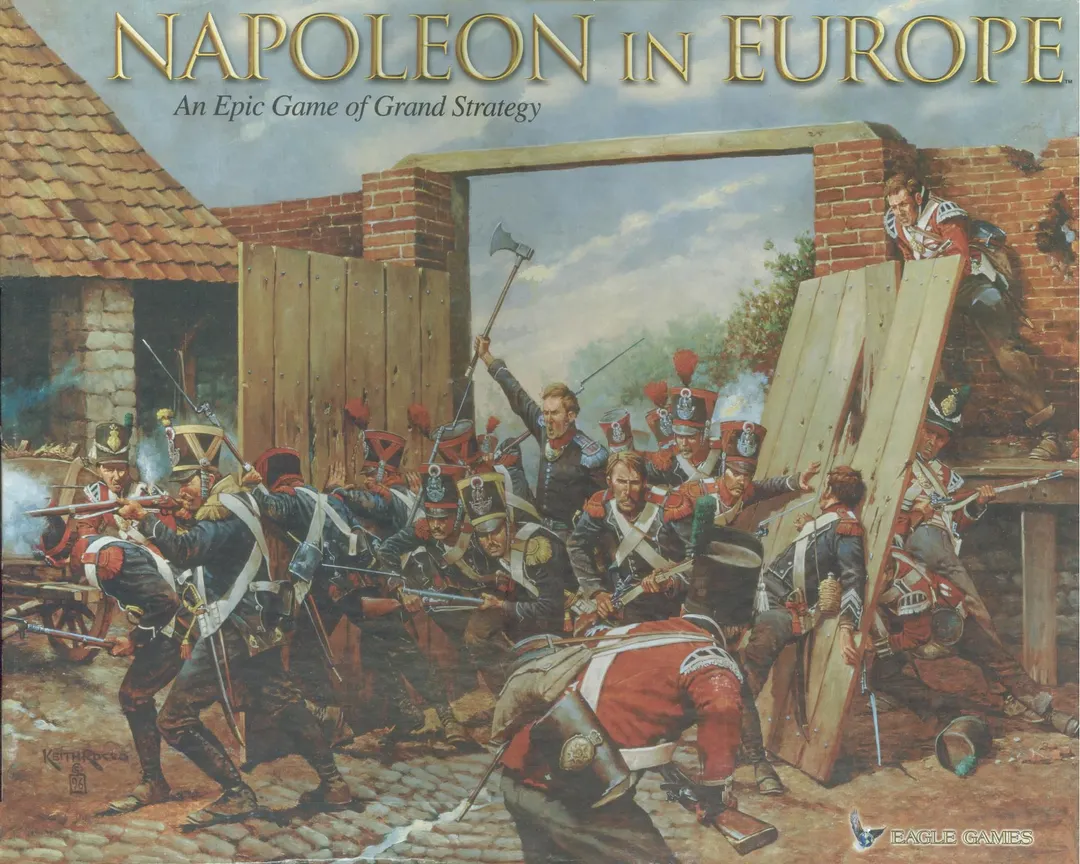
The Naval Act of 1794 established a permanent standing navy on 27 March 1794, in the US. Prior to this, a US Naval military presence had been left wanting for 10 years. By October 1797, the first three of six frigates launched; the USS United States, USS Constellation, and USS Constitution. Between 1798 and 99, several engagements took place between the US and France - though this was not a declared war. The First Barbary War of 1801-1805 saw actions against the Barbary pirates. The fleet would then see substantial action in the War of 1812 - achieving victory in 11 single ship engagements against the Royal Navy. British forces were forced off Lake Erie and Lake Champlain, effectively preventing the invasion of New York State. The fleet was, however, unable to prevent British blockades of US ports, the British Navy being significantly larger. Why sail the US Navy? The largest ships of the US Navy may pail in size in comparison to other nations, especially when using the National Special Rules (being unable to field any large or extra-large vessels). However, their frigates were exceptionally reinforced with many guns. To represent this, US fleets gain discounts to both the Over Gunned and Sturdy upgrades. They are both able to better weather punishment whilst dealing out a substantial portion themselves. Additionally, in a similar vein to British crews, US crews were routinely drilled and always receive the +1 bonus to hit rolls. This makes US frigates, the core of your fleet exceptionally dependable, though remember if you do purchase both upgrades on all your ships (even at a discount), you may find yourself outnumbered. —description from the publisher
The listed playing time for Black Seas: U.S. Navy Fleet is 30–500 minutes. This is the publisher’s estimate for a full game. The actual duration depends on the group, the player count and familiarity with the rules: first sessions usually run longer, while experienced groups often finish faster. Setup and teaching time are not included in this estimate.
The catalogue lists Black Seas: U.S. Navy Fleet for ages 10 and up. This is the publisher’s recommendation and reflects reading demands, rule complexity and small components rather than theme alone. Younger players can often join with help from an adult, so check the age guidance on your edition and consider your group’s experience with board games.
Black Seas: U.S. Navy Fleet belongs to these categories: Wargame, Napoleonic, and Miniatures. Its main mechanics are Dice Rolling and Simulation. Categories describe the theme and setting of a game, while mechanics describe what players actually do on their turns. Each mechanic links to a catalogue hub with similar games, which helps when you want something comparable.
The credited designers of Black Seas: U.S. Navy Fleet are: Gabrio Tolentino. These credits come from the published game data and name the people responsible for the game’s design, not its illustrators or publishers. Designer pages on MeepleRules collect other titles by the same designers, which helps when you enjoy a game and want to find similar ones.
The catalogue lists Black Seas: U.S. Navy Fleet as an expansion for Black Seas: Rulebook. Expansions add new content, rules or scenarios to the base game and usually cannot be played on their own, so you need Black Seas: Rulebook to use it. Check that your edition of Black Seas: Rulebook is compatible, as some expansions were revised between editions.