- BGG rating
- 7.7
Flying Colors: Ship of the Line
- 2 players
- 240 min
- Complexity 3.3/5
- 2009
2014
Rules assistance for Blue Cross, White Ensign
Plain-language explanations of turns, card effects and disputed situations, with official source references and saved question history.
For 1 player
What would you like to know?
Answers come from the official rulebook, with the page to check.
Blue Cross, White Ensign is a board game released in 2014 for 1–4 players and 240–360 minutes per game. It was designed by Mike Nagel and its main mechanics are Hexagon Grid, Simulation, and Open Drafting.
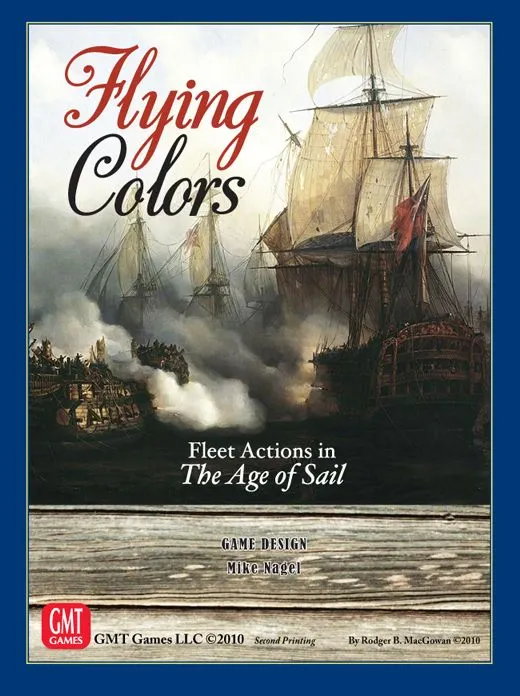
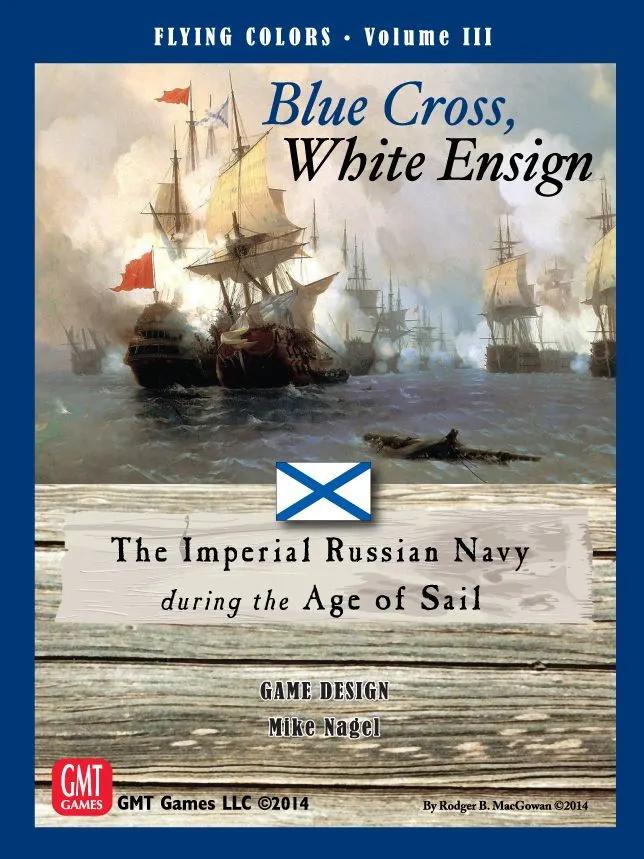
Blue Cross, White Ensign: The Imperial Russian Navy during the Age of Sail is the third volume in the Flying Colors series of games on naval combat. It focuses on the efforts of the Imperial Russian navy in its struggles against the navies of Sweden in the Baltic and Turkey in the Black and Mediterranean seas from 1770 to 1807. Like its predecessors, this volume is completely independent of -- but fully compatible with -- the other volumes in the series. Nothing else is needed to play! This volume comes with an updated and expanded rule book that adds additional detail specific to the navies included herein. Particularly the introduction of explosive shells, fired from the mighty Russian "edinerogs" (or "unicorns"). Included are a baker's dozen of battles pitting the Imperial Russian Navy against those of Sweden and Turkey. Each battle is fought by two players (or two teams of players) across one or several conjoined maps depicting shallows and shoals with individually named vessels that have been specifically rated for their abilities in combat. Players activate these ships through the command abilities of individually rated admirals present at each battle (including the mercenary adventurer and American naval icon: John Paul Jones). Players may also easily create their own scenarios with "design your own" rules and even pit these fleets against those from other volumes in the Flying Colors series. The command system provides an excellent solitaire experience as well. COMPONENTS Three 22"x34" full-color maps Two countersheets Rulebook Playbook Two Player Aid Cards Time Scale: 5 to 10 minutes Map Scale: 100 meters per hex Unit Scale: One ship per counter Players: 1-4 (from GMT website)
Blue Cross, White Ensign supports 1–4 players according to the catalogue. This range comes from the publisher’s listed player count, so the game can be set up for any group size within it. Some setups, rules and scoring details may still vary by player count, so check your edition’s rulebook for the exact configuration.
The listed playing time for Blue Cross, White Ensign is 240–360 minutes. This is the publisher’s estimate for a full game. The actual duration depends on the group, the player count and familiarity with the rules: first sessions usually run longer, while experienced groups often finish faster. Setup and teaching time are not included in this estimate.
Blue Cross, White Ensign has a complexity rating of 3.6 out of 5 from BoardGameGeek players, which makes it a medium-weight game. The rating reflects how much rules knowledge, planning and decision-making a typical game demands. Expect a longer first teach for heavier games, and use a preparation guide before game night.
Blue Cross, White Ensign belongs to these categories: Wargame, Napoleonic, and Nautical. Its main mechanics are Hexagon Grid, Simulation, and Open Drafting. Categories describe the theme and setting of a game, while mechanics describe what players actually do on their turns. Each mechanic links to a catalogue hub with similar games, which helps when you want something comparable.
The credited designers of Blue Cross, White Ensign are: Mike Nagel. These credits come from the published game data and name the people responsible for the game’s design, not its illustrators or publishers. Designer pages on MeepleRules collect other titles by the same designers, which helps when you enjoy a game and want to find similar ones.
The catalogue lists Blue Cross, White Ensign as a base game. It can be played on its own with the components in the box and does not require any other title. Expansions, if any exist, add new content or rules on top of it and are listed separately in the catalogue with a link back to this base game.