- BGG rank
- BGG #13,801
- BGG rating
- 6.3
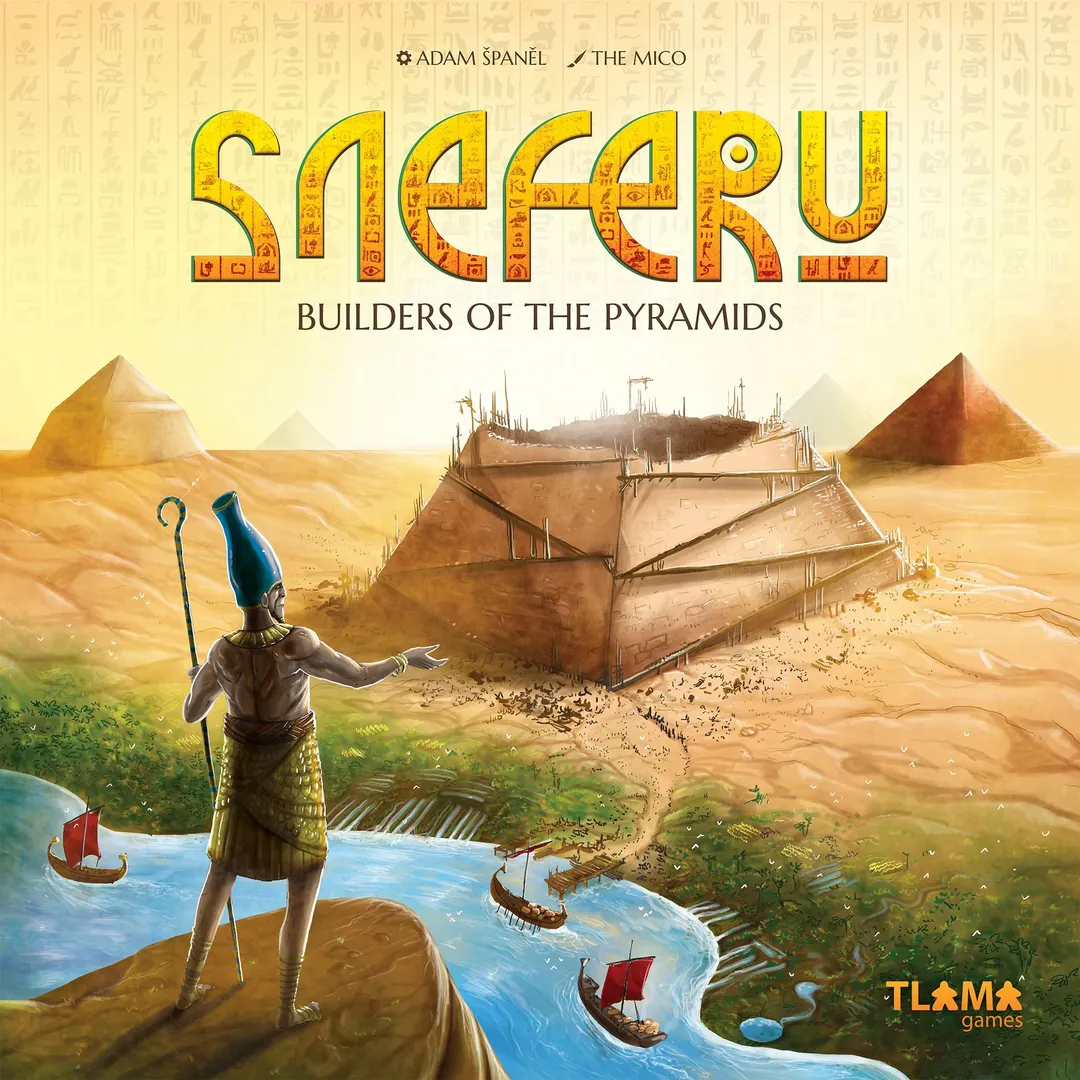
Sneferu: Builders of the Pyramids
- 1–4 players
- 40–60 min
- Complexity 2.0/5
- 2024
2026
Rules assistance for Bologna
Plain-language explanations of turns, card effects and disputed situations, with saved question history.
For 2 players
What would you like to know?
Answers come from the official rulebook, with the page to check.
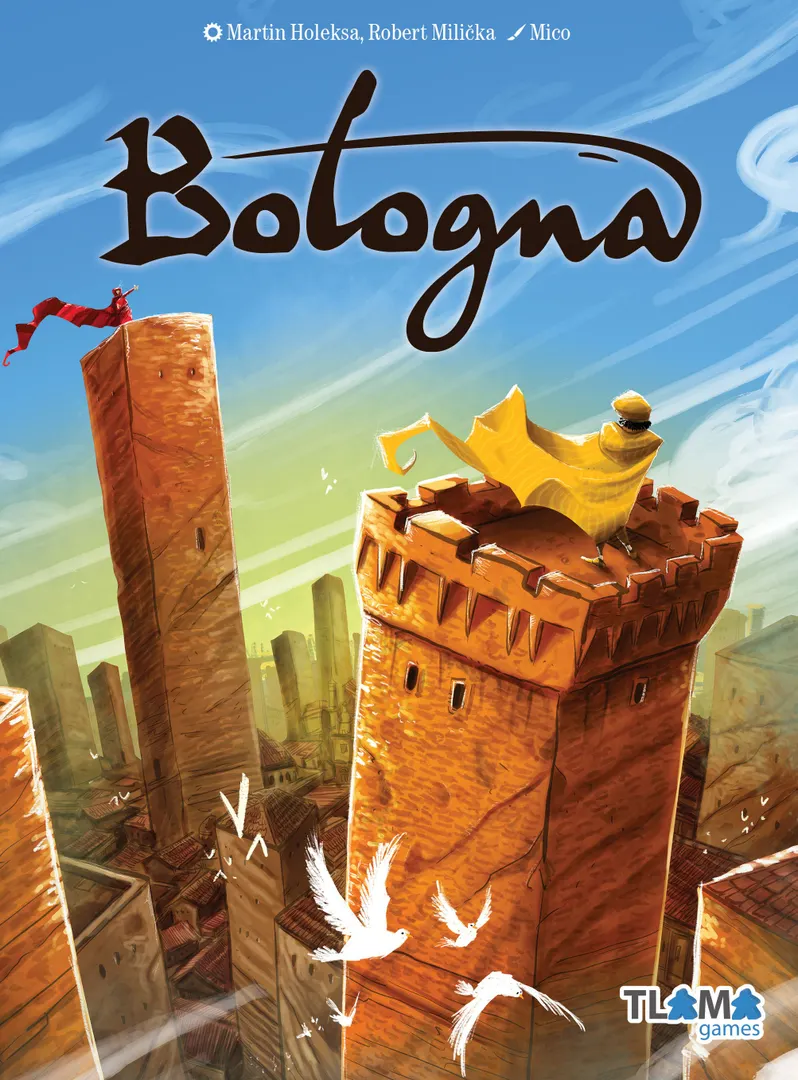
Bologna is a board game released in 2026 for 2 players, 30 minutes per game, and ages 10 and up. It was designed by Robert Milička and Martin Holeksa and its main mechanics are Race, Track Movement, and Area Majority / Influence.






Bologna, the city of towers, is shaken in the 12th and 13th centuries by the conflict between two powerful factions—the Guelfs and the Ghibellines. Within its walls, fortified palaces rise, enclosed courtyards take shape, and ever-taller family towers dominate the skyline as symbols of prestige and power. Yet the fate of the city is not decided by stone alone: the favor of the podestà, an outsider entrusted with governance and justice, can tip the balance between dominance and downfall. In Bologna, two players take on the roles of rival families striving to control the city. They gradually fill its districts with buildings, constructing houses and towers while enclosing courtyards that grant immediate influence. Each placement shapes both the current situation and future opportunities, forcing players to carefully decide when to secure courtyards, expand their presence, or invest in building higher towers. The rules are straightforward, but the tactical depth is significant. On each turn, a player places a single building in one of the districts, either as a house, a house with a study, or a tower. Houses determine control of space and courtyards, while towers decide dominance over key landmarks in each district. The first player to enter an empty district also determines its landmark, which will be scored at the end of the game. The game may end immediately if a player reaches the required level of influence through enclosed courtyards. Otherwise, final scoring combines points from courtyards with control of landmarks through tower majority. With no randomness and full control over every move, the outcome depends entirely on your decisions—will your family ultimately rule Bologna? —description from the publisher
Bologna supports 2 players according to the catalogue. This is the publisher’s listed player count, so the game is designed for exactly that number of participants. Variants for other group sizes, if any, are described in the rulebook of your edition, so check it before setting up a different configuration.
The listed playing time for Bologna is 30 minutes. This is the publisher’s estimate for a full game. The actual duration depends on the group, the player count and familiarity with the rules: first sessions usually run longer, while experienced groups often finish faster. Setup and teaching time are not included in this estimate.
The catalogue lists Bologna for ages 10 and up. This is the publisher’s recommendation and reflects reading demands, rule complexity and small components rather than theme alone. Younger players can often join with help from an adult, so check the age guidance on your edition and consider your group’s experience with board games.
Bologna has a complexity rating of 1.8 out of 5 from BoardGameGeek players, which makes it a light game. The rating reflects how much rules knowledge, planning and decision-making a typical game demands. Expect a longer first teach for heavier games, and use a preparation guide before game night.
Bologna belongs to these categories: Abstract Strategy, Medieval, and City Building. Its main mechanics are Race, Track Movement, and Area Majority / Influence. Categories describe the theme and setting of a game, while mechanics describe what players actually do on their turns. Each mechanic links to a catalogue hub with similar games, which helps when you want something comparable.
The credited designers of Bologna are: Robert Milička and Martin Holeksa. These credits come from the published game data and name the people responsible for the game’s design, not its illustrators or publishers. Designer pages on MeepleRules collect other titles by the same designers, which helps when you enjoy a game and want to find similar ones.
The catalogue lists Bologna as a base game. It can be played on its own with the components in the box and does not require any other title. Expansions, if any exist, add new content or rules on top of it and are listed separately in the catalogue with a link back to this base game.
