- BGG rank
- BGG #18
- BGG rating
- 8.4
The Lord of the Rings: Duel for Middle-earth
- 2 players
- 30 min
- Complexity 2.1/5
- 2024
- Ask about the rules
1800
Rules assistance for Casino
Plain-language explanations of turns, card effects and disputed situations, with official source references and saved question history.
What would you like to know?
Answers come from the official rulebook, with the page to check.
Casino is a board game released in 1800 for 2–4 players, 30 minutes per game, and ages 10 and up. Its main mechanics are Hand Management and Set Collection.

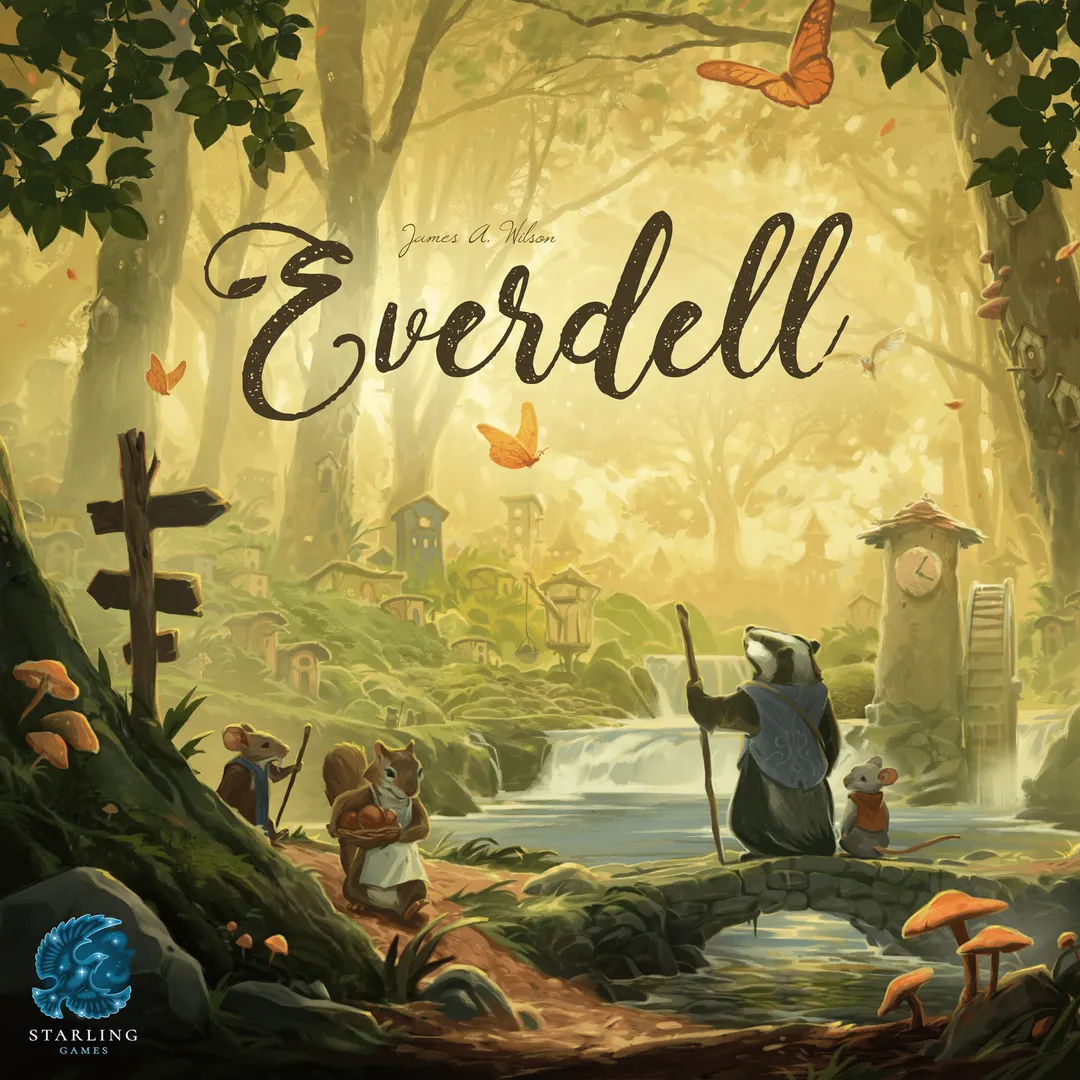





Casino is a fishing standard deck playing card game based on the traditional Italian game Scopa. It is one of the few card games played with all cards in a standard 52 card deck that can be dealt out evenly to 2, 3 or 4 players. Play starts with four cards to each player and four cards to the table. Each numeral card is counted as its numerical value. The aim is to capture cards laying on the table by playing a card from hand which matches in number a table card or the sum of several table cards (for example, a 2 and an 8 can be captured by a ten). Cards can also be stacked, called a "build", to be taken next turn only if you have that card in your hand to take it later, risking their capture by another opponent (for example, a 2 and an 8 can have a 10 stacked upon it, next turn you can take the pile with another 10 and so can an opponent, capturing four cards). Face cards are captured by the same face card. Cards must be played onto the table, called "trailing", if there is nothing to capture. Picked up cards are accumulated in a pile to be counted at the end of the round. Once all players four card hands are depleted four cards are again dealt to each player (only deal the table on the first hand of a deck). This happens until the deck is spent. Cards remaining on the table after the deck is spent are won by the last player to capture a card. Scoring depends on the variant. Most commonly the points total 11. Per the rules published at pagat.com the scoring is as follows. Most cards = 3 points Most spades = 1 point 10 of Diamonds ("Big Casino") = 2 points Deuce of Spades ("Little Casino") = 1 points (also counted as a spade in Most Spades count) Each Ace = 1 point (4 points with the Ace of spades counting towards most spades). A total of 11 points per deck, shuffling the deck again and starting over playing to 21. Re-implemented by: Anathema
Casino supports 2–4 players according to the catalogue. This range comes from the publisher’s listed player count, so the game can be set up for any group size within it. Some setups, rules and scoring details may still vary by player count, so check your edition’s rulebook for the exact configuration.
The listed playing time for Casino is 30 minutes. This is the publisher’s estimate for a full game. The actual duration depends on the group, the player count and familiarity with the rules: first sessions usually run longer, while experienced groups often finish faster. Setup and teaching time are not included in this estimate.
The catalogue lists Casino for ages 10 and up. This is the publisher’s recommendation and reflects reading demands, rule complexity and small components rather than theme alone. Younger players can often join with help from an adult, so check the age guidance on your edition and consider your group’s experience with board games.
Casino has a complexity rating of 1.4 out of 5 from BoardGameGeek players, which makes it a light game. The rating reflects how much rules knowledge, planning and decision-making a typical game demands. Expect a longer first teach for heavier games, and use a preparation guide before game night.
Casino belongs to these categories: Card Game. Its main mechanics are Hand Management and Set Collection. Categories describe the theme and setting of a game, while mechanics describe what players actually do on their turns. Each mechanic links to a catalogue hub with similar games, which helps when you want something comparable.
The catalogue lists Casino as a base game. It can be played on its own with the components in the box and does not require any other title. Expansions, if any exist, add new content or rules on top of it and are listed separately in the catalogue with a link back to this base game.

