
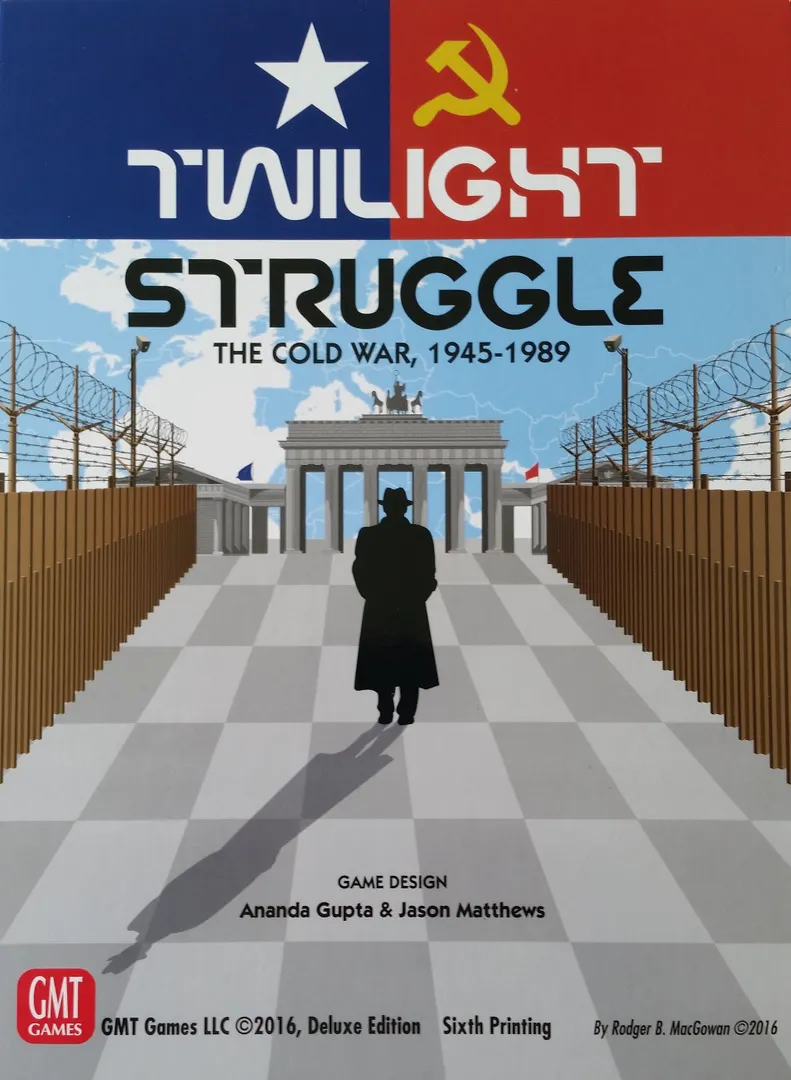
- BGG rank
- BGG #16
- BGG rating
- 8.2
Twilight Struggle
- 2 players
- 120–180 min
- Complexity 3.6/5
- 2005
2025
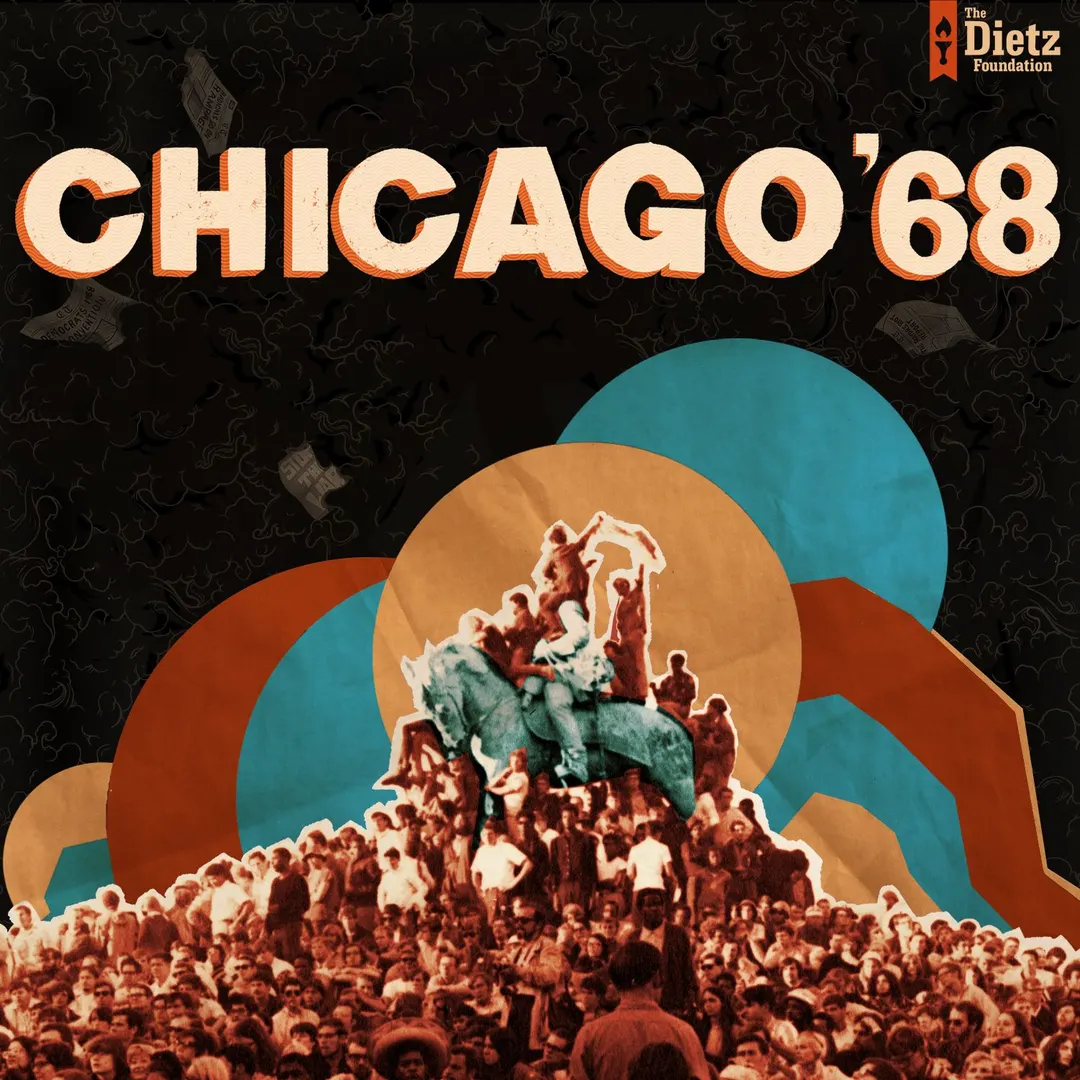
Rules assistance for Chicago '68
Plain-language explanations of turns, card effects and disputed situations, with official source references and saved question history.
For 1 player
What would you like to know?
Answers come from the official rulebook, with the page to check.
Chicago '68 is a board game released in 2025 for 1–4 players, 90–180 minutes per game, and ages 14 and up. It was designed by Yoni Goldstein and its main mechanics are Area Majority / Influence, Simulation, and Events.
Chicago '68 pits revolutionary spectacle against civil order at the Democratic National Convention riots of 1968. Players take the role of either the Establishment or the Demonstrators in this fast-paced game of street battles and political maneuvers. Each side plays from two asymmetric decks of action cards. The Establishment positions tactical forces and police platoons to co-ordinate mass arrests while working the convention floor. The Demonstrators, on the other hand, can pivot from direct clashes to radical street theater; their tactics can be reactive and unpredictable, allowing for wild cat-and-mouse chases and mischief-making across the tear-gassed avenues of groovy downtown Chicago. In more detail, the game is played over five rounds, with two rounds representing a single day (daytime and nighttime). Each side takes turns playing cards from two decks of action cards. The first deck represents the leadership committees. For the Establishment, this is the Mayor's office, and for the Demonstrators, this is the Yippies. These decks are primarily focused on building/activating card splays and manipulating the board state. The Mayor faction can access the policy tableau with the mandate action, which include activating undercover agents, authorizing tear gas, redeploying the National Guard, and more. Then both sides alternate playing action cards from their rank-and-file decks: The National Mobilization Committee to End the War in Vietnam (MOBE) on one side, and the Chicago Police Department on the other. These actions are largely moving and confronting units on the map and claiming strategic positions. The Demonstrators may build and activate their street theater splay, which is a set of location specific one-time "mini-objectives" with unique, combinatorial powers. At the end of every round, a delegate commits a vote to either side. Demonstrators grow in number, the mayor is allocated funds, and whoever controls a majority of critical city areas is awarded exposure points. Chicago '68 supports 1-4 players in solo, competitive, co-operative, and team play modes. Game duration is 45 minutes per player, with the typical two player duel lasting 60-90 mins.
Chicago '68 supports 1–4 players according to the catalogue. This range comes from the publisher’s listed player count, so the game can be set up for any group size within it. Some setups, rules and scoring details may still vary by player count, so check your edition’s rulebook for the exact configuration.
The listed playing time for Chicago '68 is 90–180 minutes. This is the publisher’s estimate for a full game. The actual duration depends on the group, the player count and familiarity with the rules: first sessions usually run longer, while experienced groups often finish faster. Setup and teaching time are not included in this estimate.
The catalogue lists Chicago '68 for ages 14 and up. This is the publisher’s recommendation and reflects reading demands, rule complexity and small components rather than theme alone. Younger players can often join with help from an adult, so check the age guidance on your edition and consider your group’s experience with board games.
Chicago '68 has a complexity rating of 3.3 out of 5 from BoardGameGeek players, which makes it a medium-weight game. The rating reflects how much rules knowledge, planning and decision-making a typical game demands. Expect a longer first teach for heavier games, and use a preparation guide before game night.
Chicago '68 belongs to these categories: Wargame and Political. Its main mechanics are Area Majority / Influence, Simulation, and Events. Categories describe the theme and setting of a game, while mechanics describe what players actually do on their turns. Each mechanic links to a catalogue hub with similar games, which helps when you want something comparable.
The credited designers of Chicago '68 are: Yoni Goldstein. These credits come from the published game data and name the people responsible for the game’s design, not its illustrators or publishers. Designer pages on MeepleRules collect other titles by the same designers, which helps when you enjoy a game and want to find similar ones.
The catalogue lists Chicago '68 as a base game. It can be played on its own with the components in the box and does not require any other title. Expansions, if any exist, add new content or rules on top of it and are listed separately in the catalogue with a link back to this base game.