- BGG rating
- 6.5
Chicken Caesar: Fowl Play Expansion
- 3–6 players
- Complexity 2.0/5
- 2012
2012
Rules assistance for Chicken Caesar
Plain-language explanations of turns, card effects and disputed situations, with official source references and saved question history.
For 3 players
What would you like to know?
Answers come from the official rulebook, with the page to check.
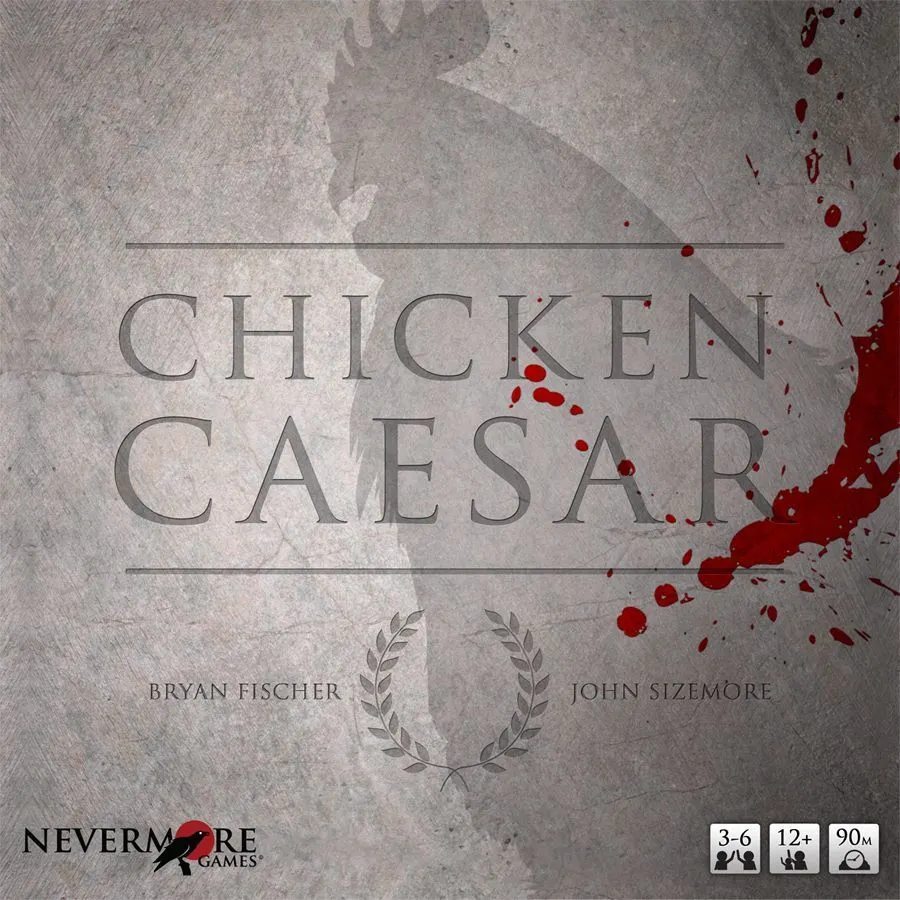
Chicken Caesar is a board game released in 2012 for 3–6 players, 90 minutes per game, and ages 12 and up. It was designed by Bryan Fischer and John Sizemore and its main mechanics are Area Majority / Influence, Voting, and Bribery.




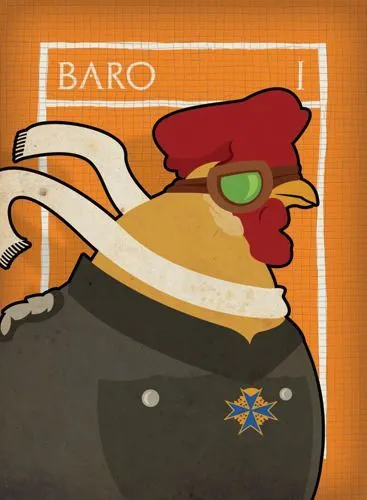
In Chicken Caesar, players represent aristocratic ancient Roman chicken families trying to create a legacy for their family name. Each family has several eligible roosters eager to jump into the world of politics, getting rich and creating a legacy by any means necessary. Roosters gain renown for their families by occupying various political offices. Low-ranking officers don't yield much fame, but they hold both the purse strings and the power of the sword. A few roosters in the lower offices of Aedile and Praetor, together with the votes of a few well-paid (and temporary) allies, can clear a path to the luxury and recognition that come with the titles of Censor, Consul, and even Caesar. Being Caesar isn't easy, though: fail to bribe and bargain to ensure the welfare of the whole coop and today's Caesar is tomorrow's Coq au Vin. Dead roosters don't earn any more points, but they do offer opportunities for their surviving relatives to exaggerate their accomplishments. All that matters, in the end, is history's judgment, and history can be rewritten. Mechanically, players gain and maintain areas of influence through negotiation and voting. The game features a Suffragium marker that players pass after voting to either promote a Rooster to a higher office, or throw him to the fox. Players can also strategically demand bribes for their votes or even refuse to vote (pass) to gain a later advantage. Murder, betrayal, votes for cash, fragile alliances, and bloody vendettas will separate the legendary families from the forgotten ones in the struggle to become – and remain – Chicken Caesar!
Chicken Caesar supports 3–6 players according to the catalogue. This range comes from the publisher’s listed player count, so the game can be set up for any group size within it. Some setups, rules and scoring details may still vary by player count, so check your edition’s rulebook for the exact configuration.
The listed playing time for Chicken Caesar is 90 minutes. This is the publisher’s estimate for a full game. The actual duration depends on the group, the player count and familiarity with the rules: first sessions usually run longer, while experienced groups often finish faster. Setup and teaching time are not included in this estimate.
The catalogue lists Chicken Caesar for ages 12 and up. This is the publisher’s recommendation and reflects reading demands, rule complexity and small components rather than theme alone. Younger players can often join with help from an adult, so check the age guidance on your edition and consider your group’s experience with board games.
Chicken Caesar has a complexity rating of 2.8 out of 5 from BoardGameGeek players, which makes it a medium-light game. The rating reflects how much rules knowledge, planning and decision-making a typical game demands. Expect a longer first teach for heavier games, and use a preparation guide before game night.
Chicken Caesar belongs to these categories: Humor, Political, and Ancient. Its main mechanics are Area Majority / Influence, Voting, and Bribery. Categories describe the theme and setting of a game, while mechanics describe what players actually do on their turns. Each mechanic links to a catalogue hub with similar games, which helps when you want something comparable.
The credited designers of Chicken Caesar are: Bryan Fischer and John Sizemore. These credits come from the published game data and name the people responsible for the game’s design, not its illustrators or publishers. Designer pages on MeepleRules collect other titles by the same designers, which helps when you enjoy a game and want to find similar ones.
The catalogue lists Chicken Caesar as a base game. It can be played on its own with the components in the box and does not require any other title. Expansions, if any exist, add new content or rules on top of it and are listed separately in the catalogue with a link back to this base game.