
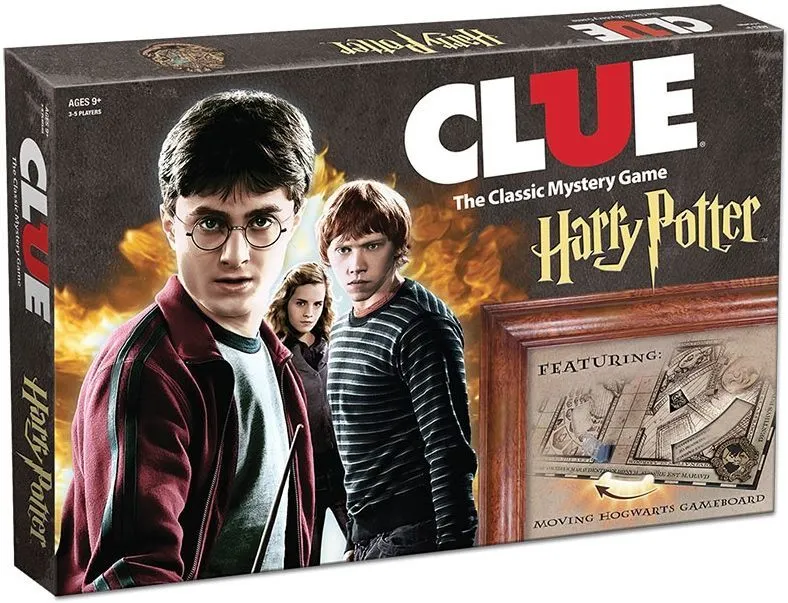
- BGG rank
- BGG #5,749
- BGG rating
- 6.2
Clue: Harry Potter Edition
- 3–5 players
- 30 min
- Complexity 1.6/5
- 2008
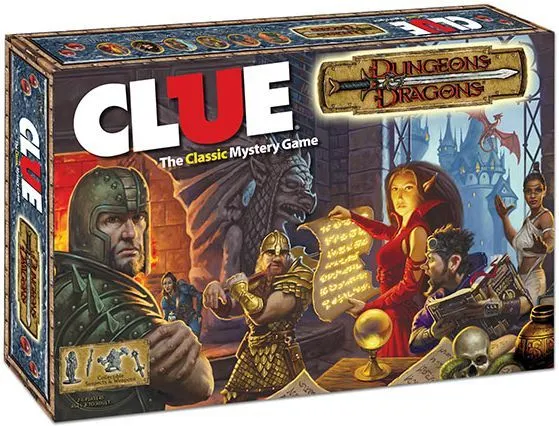
2001
Rules assistance for Clue: Dungeons & Dragons
Plain-language explanations of turns, card effects and disputed situations, with official source references and saved question history.
What would you like to know?
Answers come from the official rulebook, with the page to check.
Clue: Dungeons & Dragons is a board game released in 2001 for 3–6 players, 90 minutes per game, and ages 8 and up. Its main mechanics are Roll / Spin and Move.


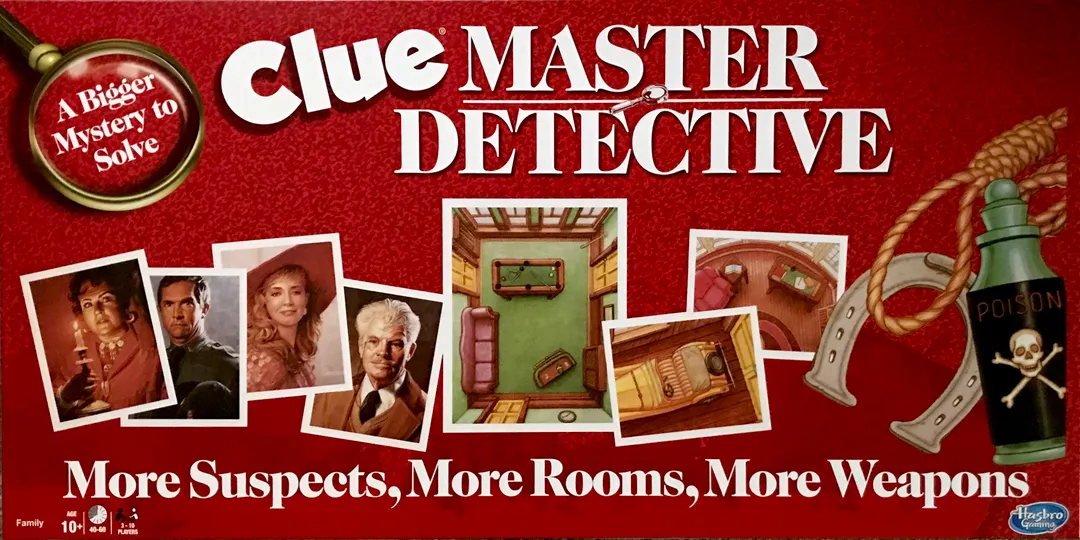
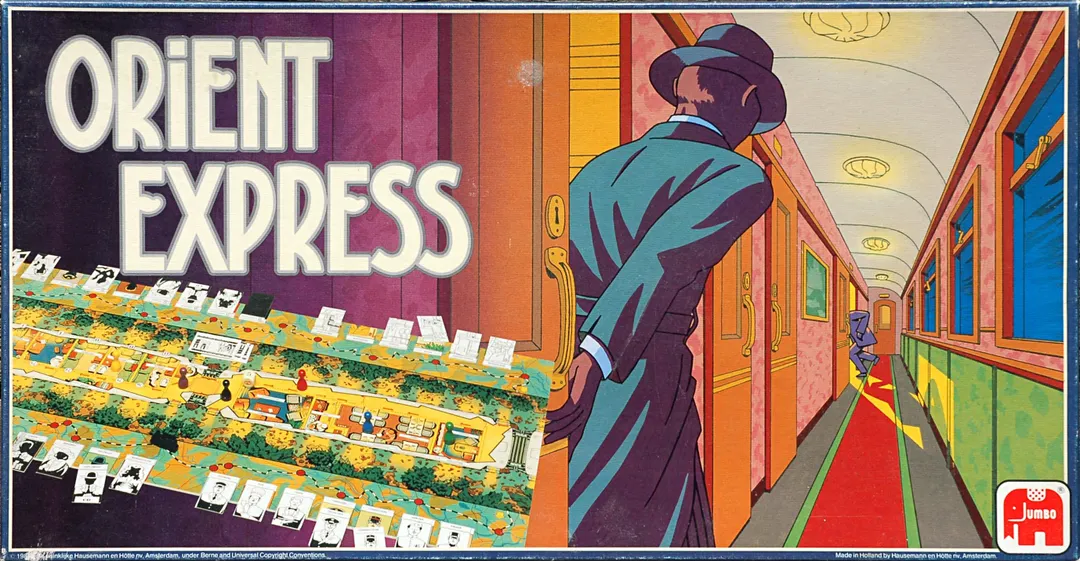



Game description from the publisher: Who killed the Archmage? Was it Tordek in the Dragon's Lair with the Flaming Battle Axe? Or Mialee in the Dungeon with the Staff of Power? In Clue: Dungeons & Dragons, a group of heroic adventurers has been called to the Archmage's castle, but one of those heroes isn't who he appears to be; one of the heroes is a doppelganger, a monster that can look like anyone! In the darkest part of the night, the doppelganger kills the Archmage, triggering a spell that seals the castle until the monster is caught. Now, in the grand tradition of Clue, the six suspects must determine which one of them is the doppelganger: Regdar the Human Fighter, Tordek the Dwarf Fighter, Lidda the Halfling Rogue, Mialee the Elf Wizard, Ember the Human Monk or Nebin the Gnome Wizard. The heroes try to figure out Who killed the Archmage, Where the crime occurred, and Which magical weapon was used. For the most part, gameplay in Clue: Dungeons & Dragons is identical to standard Clue as players roll a die, move into different locations on the game board, then make accusations against a particular combination of who/where/which cards and a particular opponent; if that opponent holds one of those cards, she must reveal it to you. Eventually someone will narrow down the possibilities and make an accusation as to exactly which cards have been removed from the game; if correct the player wins, and otherwise she's out of the game and play continues for everyone else. One optional element in Clue: Dungeons & Dragons is the Wandering Monsters deck. After landing on a "claw-marked" space on the game board, the player draws the top card from this deck, then battles the creature shown by rolling a die. If she wins, she gains a magic item that confers a single-use special ability, such as looking at a random card from an opponent's hand or taking an extra turn. If she loses, her token is placed in the center of the game board, from where it will take several turns to move back into a room (and get back into the game).
Clue: Dungeons & Dragons supports 3–6 players according to the catalogue. This range comes from the publisher’s listed player count, so the game can be set up for any group size within it. Some setups, rules and scoring details may still vary by player count, so check your edition’s rulebook for the exact configuration.
The listed playing time for Clue: Dungeons & Dragons is 90 minutes. This is the publisher’s estimate for a full game. The actual duration depends on the group, the player count and familiarity with the rules: first sessions usually run longer, while experienced groups often finish faster. Setup and teaching time are not included in this estimate.
The catalogue lists Clue: Dungeons & Dragons for ages 8 and up. This is the publisher’s recommendation and reflects reading demands, rule complexity and small components rather than theme alone. Younger players can often join with help from an adult, so check the age guidance on your edition and consider your group’s experience with board games.
Clue: Dungeons & Dragons has a complexity rating of 1.7 out of 5 from BoardGameGeek players, which makes it a light game. The rating reflects how much rules knowledge, planning and decision-making a typical game demands. Expect a longer first teach for heavier games, and use a preparation guide before game night.
Clue: Dungeons & Dragons belongs to these categories: Fantasy, Deduction, and Murder / Mystery. Its main mechanics are Roll / Spin and Move. Categories describe the theme and setting of a game, while mechanics describe what players actually do on their turns. Each mechanic links to a catalogue hub with similar games, which helps when you want something comparable.
The catalogue lists Clue: Dungeons & Dragons as a base game. It can be played on its own with the components in the box and does not require any other title. Expansions, if any exist, add new content or rules on top of it and are listed separately in the catalogue with a link back to this base game.